LIMITED TIME: 10% OFF ALL BOOSTERS.Ends Soon!

Best 5G Signal Booster for EE UK 2026: The Legal Buying Guide
Quick Answer: The best 5G signal booster for EE UK 2026 is a High-Gain 5G/MIMO Directional System that complies with the Ofcom IR2102 legal standard. This advanced system is necessary to handle EE’s capacity demands and overcome the severe signal weakening (building penetration loss) common in British properties.
The goal here isn’t to get more bars; it’s to get better, faster data. EE is the UK’s leading network, and their 5G+ network is expanding rapidly to millions of people. But whether you are in a crowded urban office or a thick-walled rural home, great outdoor signal means nothing if it dies on the doorstep. This specific challenge, boosting high-speed 5G from EE, requires certified hardware, not guesswork.
Why EE’s 5G+ Network Demands High-Gain Boosters
EE’s service, particularly its 5G and newer 5G+ (Standalone) offering, is a beast for data, designed to deliver lightning-fast speeds and low latency. The challenge is ensuring that speed survives the journey indoors.
Modern 5G signals, especially at higher frequencies, struggle more than older 4G or 3G signals when passing through dense walls, modern insulation, and large internal spaces. This physical reality is termed building penetration loss.
In 2026, EE is expanding its 5G+ coverage to more than 50 million people, and it’s even reallocating its 2.1GHz spectrum to deliver stronger indoor coverage. To make the most of this investment in indoor capacity, you must match it with a high-gain repeater system capable of feeding that powerful signal deep inside your structure.
The Importance of Multi-Input, Multi-Output (MIMO)
For serious 5G performance, particularly in a busy shared office or large family home, the system needs to support MIMO (Multiple Input, Multiple Output) technology. This capability allows multiple data streams to run simultaneously, ensuring that your EE connection remains stable and fast even when dozens of users are streaming, calling, and downloading concurrently.
The Only Legal Mobile Signal Boosters in the UK
Before you spend a pound, you must ensure your chosen device is legal. The UK market is flooded with illegal, generic boosters imported from overseas that can cause significant and harmful interference to licensed Mobile Network Operator (MNO) masts.
The only legal mobile signal boosters in the UK are license-exempt static indoor repeaters that strictly comply with the UK Interface Requirement 2102 (IR2102). Using an illegal repeater risks substantial penalties, potentially costing up to £5,000 in fines.
These legal “smart repeaters” include crucial safeguards:
Automatic Gain Control (AGC).
Digital filtering to only amplify signals belonging to authorised UK networks (EE, Vodafone, O2, Three).
They must be static (not used in moving vehicles like cars or coaches).
Trusted brands like Cel-Fi offer IR2102 compliant solutions specifically authorised by Ofcom.
Choosing Your EE 5G Repeater by Property Type
Choosing the correct device isn’t about brand, it’s about power—specifically, how much gain you need to defeat the physics of your building.
For Small City Flats (Strong Signal Outdoors): You might only need an Entry-Level IR2102 Repeater, which typically retails around £275. This is suitable for 1–2 rooms but often proves too weak for thick exterior walls or large internal spaces.
For Standard Houses (Moderate Signal Outdoors): A Mid-Range Multi-Band Repeater, typically retailing around £450, covers up to four rooms. This is likely insufficient if you have vaulted ceilings or severe structural loss.
For High Ceilings, Shared Offices, or Remote Locations (The Best EE 5G Booster): The recommended device is the High-Gain 5G/MIMO Directional System, which typically retails around £600 and up. This is the essential hardware for overcoming massive structural interference and supporting high user density across multiple floors (up to 1,500 sq m).
If your property is a commercial site or a structure built primarily of concrete and steel, look for a Professional Ultra-Max System, starting around £850–£1,650+, as these offer the maximum legal 100 dB gain.
How to Measure Your True EE Signal (The dBm Truth)
Stop relying on the optimistic lie your phone calls a signal bar. The single most important step before purchasing a repeater is measuring your raw signal strength in negative decibel-milliwatts (dBm). After 12 years as an RF engineer, I can confirm that this number alone dictates the system power level you actually require.
Remember that a value closer to zero is a stronger signal.
A reading of -85 dBm or better is considered excellent for reliable 4G/5G data.
If your outdoor reading is worse than -105 dBm, a high-gain directional system is absolutely essential for your EE 5G signal.
To measure your signal, navigate to your phone’s Field Test Mode:
iPhone users dial 3001#12345# and press call.
Android users typically find the reading under Settings, About Phone, and then Status or Network.
Maximising Signal Capture
For optimal performance in demanding environments, proper antenna placement is crucial. The external donor antenna must be placed high up and aimed precisely at the nearest EE mast. This focused approach dramatically improves the incoming signal dBm reading, bypassing topographical or structural blockage entirely.
Frequently Asked Questions
Is a mobile signal booster legal to use with EE 5G in the UK?
Yes, boosting mobile signal is legal in the UK only if the device is a license-exempt static indoor repeater that strictly meets the technical specification outlined by Ofcom in the UK Interface Requirement 2102 (IR2102). Non-compliant generic devices remain unlawful and risk substantial fines.
Can one signal booster cover all UK networks, including EE, Vodafone, O2, and Three?
Yes, modern, legally compliant static indoor repeaters are typically multi-band devices engineered to boost signals across the various LTE bands used by all major UK mobile networks: EE, Vodafone, O2, and Three. This capability ensures one system covers every user and Mobile Virtual Network Operators (MVNOs) simultaneously.
How much should I budget for a high-performance 5G booster system?
For a professional-grade, legal, IR2102-compliant High-Gain system required for challenging structures or serious EE 5G performance, you should budget at least £600 to £850 for the necessary hardware and directional antenna components. Entry-level compliant repeaters for simple flats start around £275.
What is the difference between LTE and 5G signals?
LTE (Long-Term Evolution) is the technical standard for 4G. 5G is the fifth generation mobile standard, offering significantly faster speeds and lower latency, particularly with EE’s enhanced 5G+ network. While 5G offers better performance, LTE bands (like 700MHz/800MHz) are often still used because their longer wavelengths penetrate thick walls better.
How does the metal chassis of a vehicle affect mobile signal?
The metal chassis of vehicles like vans, coaches, or even cars acts as a Faraday cage, effectively blocking and killing the mobile signal inside the cabin. For improving signal while a vehicle is in motion, the only compliant option is a legal, low-gain in-vehicle repeater system.
The Bottom Line
Boosting the best 5G signal booster for EE UK 2026 isn’t a dark art; it’s an engineering exercise. Connectivity in demanding environments requires certified hardware designed to defeat structural obstacles. Forget the signal bars; find the truth in your dBm reading and invest in a professional-grade, high-gain, Ofcom-compliant IR2102 static repeater system that is engineered to permanently solve your EE signal deficit.
Find your smart, legal repeater system and directional antenna kits today at MySignalBoosters.com.
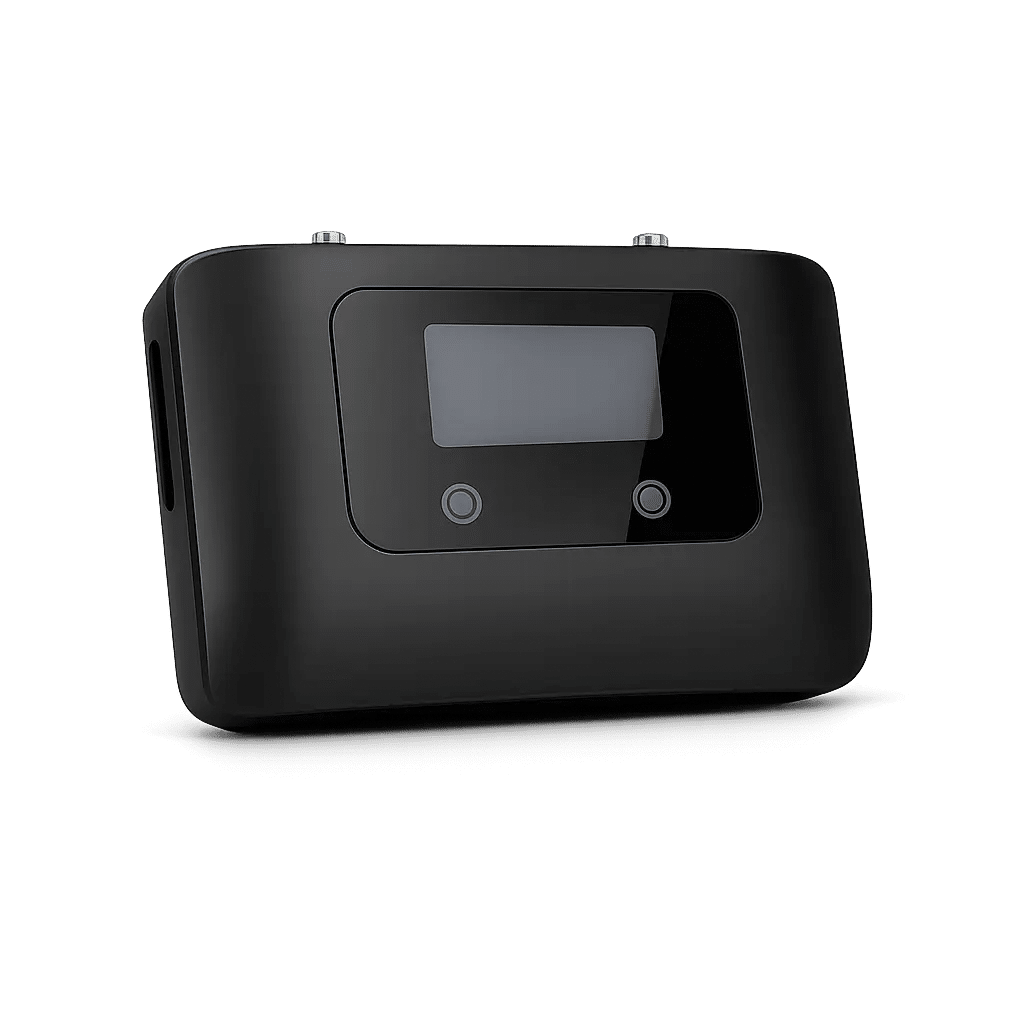
Coverage: 300 SQM
Ideal for: Home


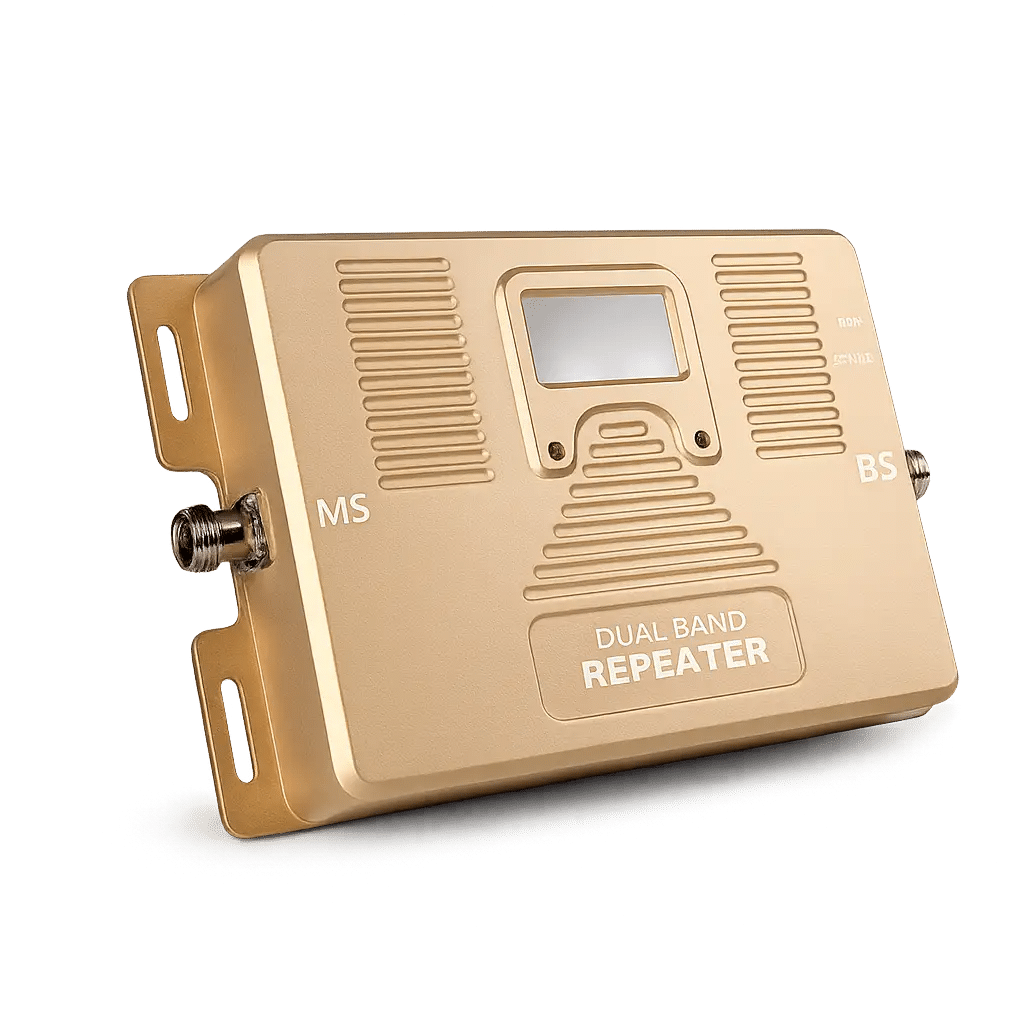
Coverage: 500 SQM
Ideal for: Medium Offices, Studios, And Homes

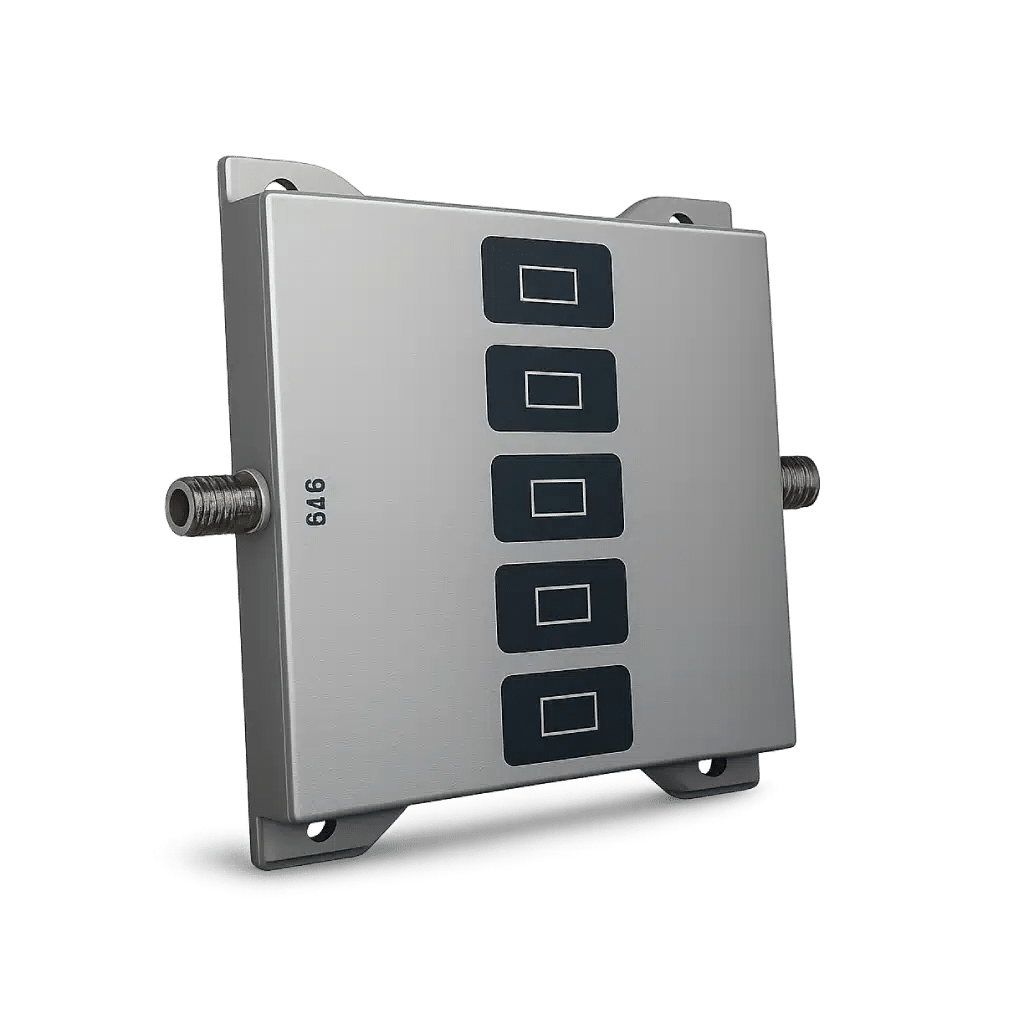
Coverage: 300 SQM
Ideal for: Home

Coverage: 1000 SQM
Ideal for: Hotel

©Copyright 2026 SignalBoosters. All Right Reserved
