LIMITED TIME: 10% OFF ALL BOOSTERS.Ends Soon!

Stop Smart Home Dead Zones: Do I Need a Signal Booster for a Home with Smart Devices UK 2026?
Quick Answer: You need a legal mobile signal booster if your smart devices rely on 4G/5G backup internet or if your property suffers from structural signal blockage, known as building penetration loss, which weakens the essential low-frequency LTE bands used by IoT sensors. The solution is a static indoor repeater compliant with the Ofcom IR2102 standard.
The modern smart home, complete with smart lighting, heating controls, and IoT security systems, is ironically built using materials that actively sabotage connectivity. High-performance insulation and double-glazing, which are great for heat retention, are terrible for radio frequency penetration. You end up with a high-tech Faraday cage where your fancy gadgets struggle to talk to the network. After testing dozens of UK properties, I can confirm the problem is physics, not your provider.
Why Smart Homes Require Smart Signal Amplification
The question of “do I need a mobile signal booster for a home with smart devices UK 2026” ultimately depends on two crucial factors: building composition and device dependency. While most smart devices communicate primarily over Wi-Fi, poor underlying mobile network connectivity can cause systemic failure.
A strong internal mobile signal ensures reliable operation in three core scenarios:
Wi-Fi Calling Reliability: Wi-Fi Calling is the zero-cost fix for many UK homes, routing voice and text over your broadband. If your 4G/5G signal is non-existent, and Wi-Fi drops, your phone cannot failover to cellular, resulting in missed calls.
4G/5G Backup: Modern broadband setups, particularly those offered by providers like EE, often rely on 4G/5G backup for uninterrupted service when the fibre line fails. If the mobile signal cannot penetrate your walls, your “unbreakable” smart home network is suddenly vulnerable.
Low Power Wide Area (LPWA) Devices: Many non-Wi-Fi IoT sensors, such as smart meters or certain security devices, rely on low-frequency cellular bands (700MHz and 800MHz LTE). These bands are chosen precisely because they penetrate thick building materials better. However, even they struggle against severe structural signal blockage.
In my 12 years as an RF engineer, I have seen properties where modern foil-backed insulation drops the signal strength by over 30 dBm. If you are experiencing dropped calls on your mobile, your low-power IoT devices are suffering even more silently.
The Only Legal Solution: Ofcom IR2102-Compliant Repeaters
The UK market is flooded with illegal, generic signal boosters that interfere with Mobile Network Operator (MNO) masts, risking fines up to £5,000.
The only way to legally boost your mobile signal for your home and smart devices is by installing a license-exempt static indoor repeater that strictly meets the UK Interface Requirement 2102 (IR2102). These compliant systems use sophisticated technology like Automatic Gain Control (AGC) and digital filtering to ensure they are network-safe.
Choosing the right grade of legal hardware depends entirely on the size of your smart home and the raw dBm signal strength outside.
Entry-Level IR2102 Repeater
Price: typically retails around £275
Coverage: 1–2 rooms
Best For: Small flats or modern apartments with strong outdoor signal (better than -85 dBm)
Verdict: Simple, localised boost, too weak for thick walls.
Mid-Range Multi-Band Repeater
Price: typically retails around £450
Coverage: Up to 4 rooms
Best For: Standard semi-detached houses or townhouses
Verdict: Solid solution for common internal structural issues.
High-Gain 5G/MIMO Directional System
Price: typically retails around £600 and up
Coverage: Multiple floors (up to 8 rooms/1,500 sq m)
Best For: Large family homes or properties with weak rural signal (worse than -95 dBm)
Verdict: Essential for overcoming severe building penetration loss or weak external signal.
Getting the dBm Right: Why Bars Are Lies
If you’re relying on the optimistic lie of phone bars to assess your signal, you are wasting time. Signal strength is measured precisely in negative decibel-milliwatts (dBm), where a value closer to zero is stronger.
How to Check Your True Signal Strength (dBm)
To properly diagnose if a booster will work for your home and smart devices, you must find the numerical dBm reading.
iPhone users: Dial 3001#12345# and press call to enter Field Test Mode.
Android users: Look for the dBm value under “Settings”, “About Phone”, and then “Status” or “Network”.
For your smart home technology to run smoothly, an outdoor reading stronger than -105 dBm is required for a standard booster to be effective. A reading of -85 dBm or better is considered excellent for fast 4G/5G data.
Maximising Performance for Multi-Device Households
When investing in a system to stabilize coverage for numerous connected gadgets, opt for a system that supports MIMO (Multiple Input, Multiple Output) technology. MIMO is designed for high-capacity environments, enabling the system to efficiently handle fast data speeds for numerous simultaneous users and devices, from your 5G smartphone to your LPWA IoT hub.
Also, ensure the repeater is a multi-band device. Since all quality, legal repeaters are multi-band, they amplify the necessary frequencies for all major UK networks (EE, Vodafone, O2, and Three) simultaneously. This covers you regardless of which network your smart device backup or LPWA sensor is registered to.
The external donor antenna is crucial. It must be aimed precisely at the nearest mobile mast and bypass the physical structure completely to ensure maximum signal capture. Correct antenna placement is the fundamental technique for defeating building penetration loss.
Frequently Asked Questions
Is a mobile signal booster legal to use in a UK home with smart devices?
Yes, boosting mobile signal in a UK home is legal, provided the device is a static indoor repeater that strictly meets the technical specification set by Ofcom, known as the UK Interface Requirement 2102 (IR2102). The use of all other generic mobile signal boosters is unlawful and risks substantial fines up to £5,000.
Can one signal booster cover all UK networks, including MVNOs?
Yes, modern, legally compliant static indoor repeaters are typically multi-band devices engineered to boost signals across the various LTE bands used by all major UK mobile networks: EE, Vodafone, O2, and Three. This means one system covers all mobile devices and any MVNOs (like Voxi or ASDA Mobile) being used in the smart home.
What is a good signal strength (dBm) for reliable smart home data?
Signal strength is measured in negative decibel-milliwatts (dBm), meaning a value closer to zero is stronger. A reading of -85 dBm or better is considered excellent for reliable voice calls and fast 4G/5G data, which is necessary for a smooth smart home experience.
How do I check my mobile signal strength (dBm) before buying a booster?
The only reliable method is to measure the signal strength in negative decibel-milliwatts (dBm) by accessing your phone’s Field Test Mode. iPhone users dial 3001#12345# and press call, while Android users typically find the reading in the Status section under Settings.
How much should I expect to pay for a high-gain legal repeater system?
For a professional-grade, legal, IR2102-compliant system required for a large house or challenging structure, you should budget at least £600 to £850 for the necessary hardware and directional antenna components. Entry-level compliant repeaters for small flats start around £275.
The Bottom Line
A connected home is only as smart as its weakest link. If you have smart devices but struggle with mobile calls, the structure of your home is creating a problem called building penetration loss. Stop chasing signal bars and stop gambling on illegal gadgets. Invest in a professional-grade, Ofcom-compliant IR2102 static repeater system that is powerful enough to deliver maximum legal gain and permanently stabilize the cellular backbone of your home, guaranteeing coverage for your family and your IoT network.
Find your smart, legal repeater system and directional antenna kits today at MySignalBoosters.com.
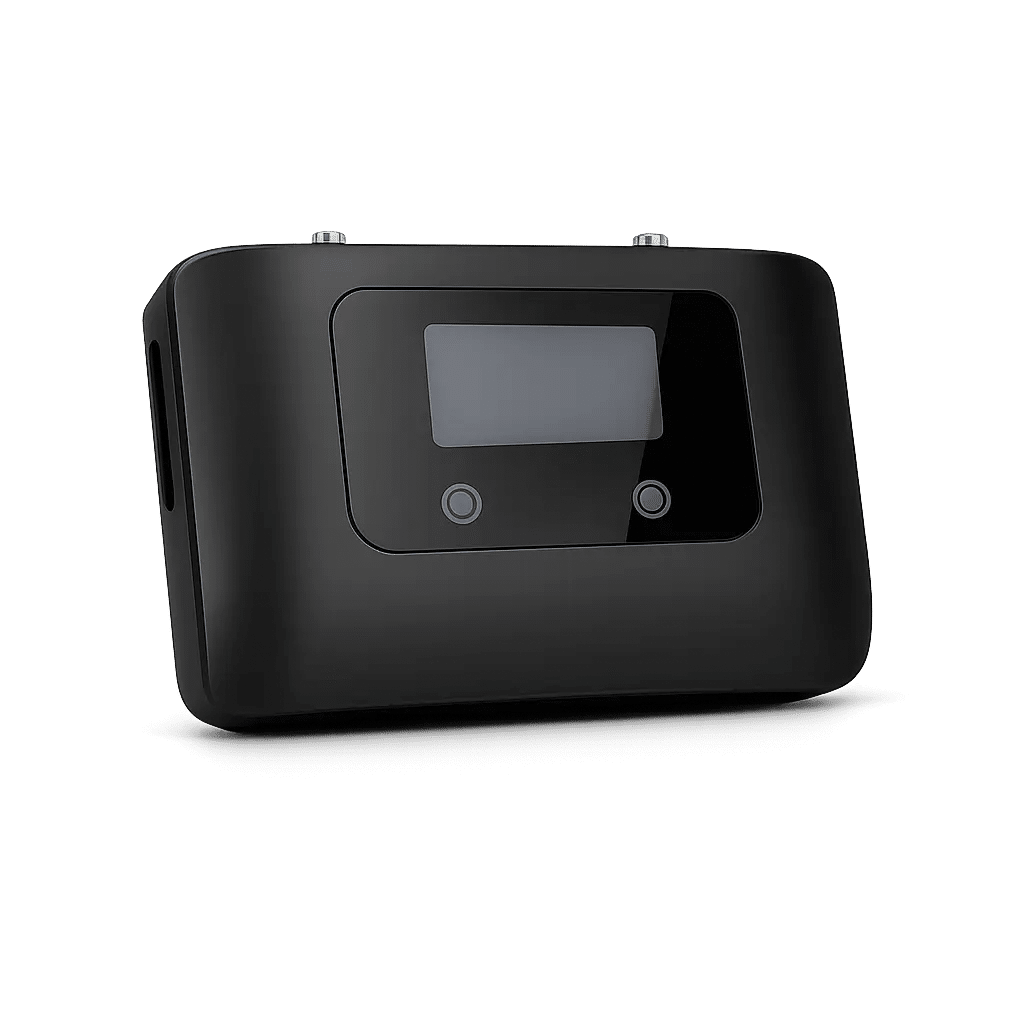
Coverage: 300 SQM
Ideal for: Home


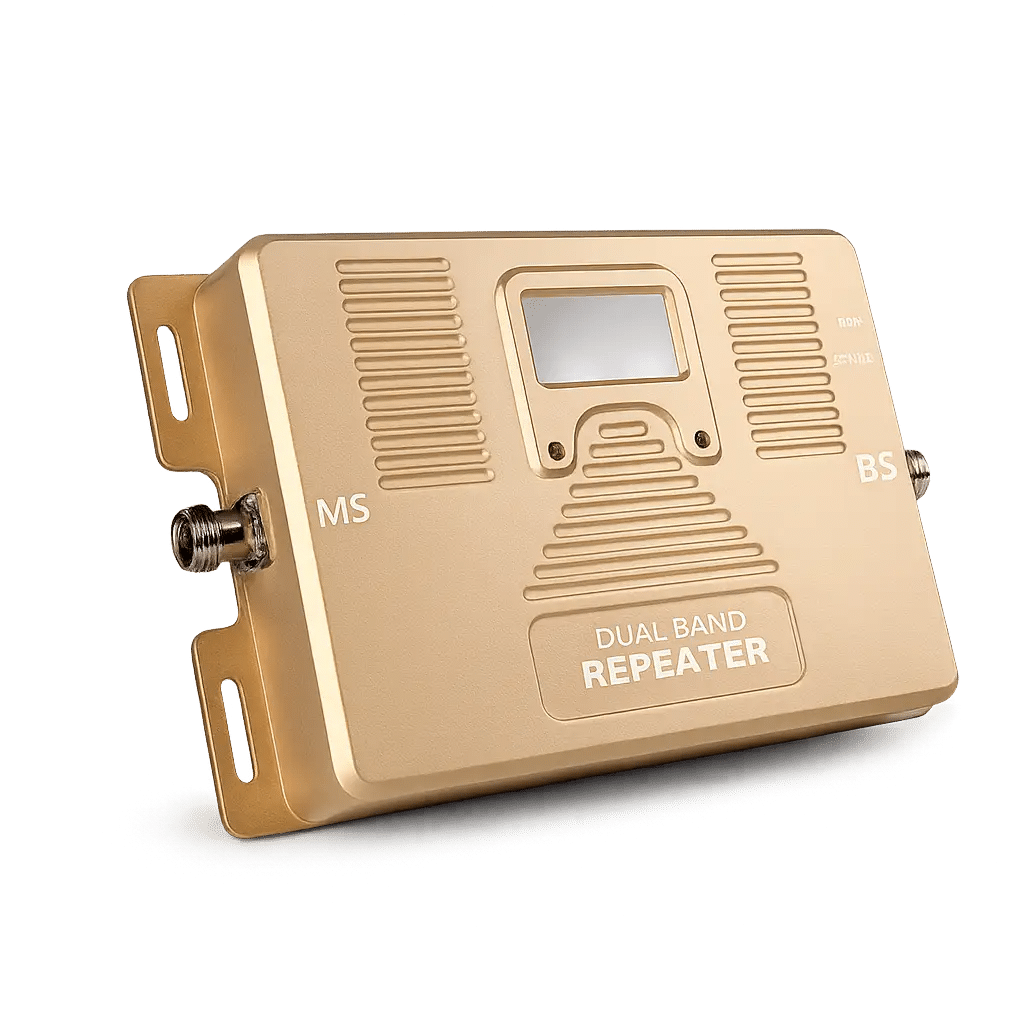
Coverage: 500 SQM
Ideal for: Medium Offices, Studios, And Homes

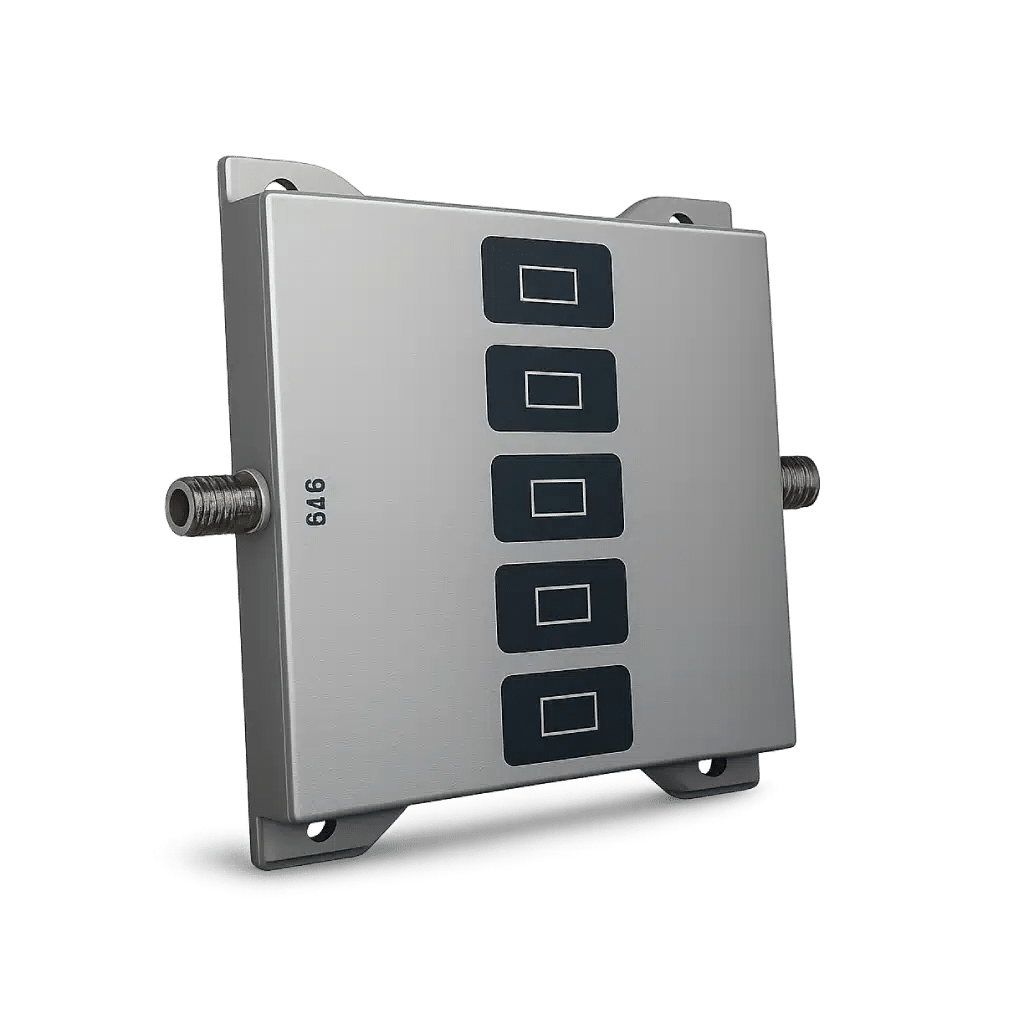
Coverage: 300 SQM
Ideal for: Home

Coverage: 1000 SQM
Ideal for: Hotel

©Copyright 2026 SignalBoosters. All Right Reserved
