LIMITED TIME: 10% OFF ALL BOOSTERS.Ends Soon!

If you’ve spent at least five minutes looking into your mobile signal, you’ve inevitably gotten wrapped up in discussions about 4G vs 5G. Some argue that 4G is sufficient and does the job. Others say 5G is the future. The reality is that both matter right now, especially in the UK. 4G keeps most users connected, as it manages calls, messages, and streaming content with minimal issues. At the same time, 5G offers more speed and performance. It is rapidly becoming more widespread across cities and towns in the UK.
Then there’s 6G. Some people are treating it like it’s already here. It’s not. Honestly, it’s not even close. Experts reckon 6G won’t show up till 2030, so no need to stress. And yet, no one really tells UK users about this. It’s not even a thing yet. What actually matters is sorting your signal now.
Bad reception just ruins everything, but you can always fix it. Signal boosters work with both 4G and 5G, and they give your phone the coverage your network says you’re meant to have. In this article, we’re going to explain how 4G and 5G work, and we’ll discuss what the hype is without spending a lot of money or waiting for networks to catch up.

4G began with a specific aim of better speed and better coverage. It came to the UK around 2012, and it changed how we all used our phones a hundred percent. 3G was dragging its feet, and the video quality was pretty rubbish.
Here’s what 4G actually sorted out for everyone:
However, the trouble arose when coverage dropped indoors or in rural areas. Many people didn’t realise that walls and distance mess with 4G signals. But of course, nothing a 4G signal booster wouldn’t fix. And while everyone won’t stop talking about 5G lately, 4G still covers way more of the country. The whole 4G vs 5G thing gets thrown around loads. Yes, 5G might be faster, but that doesn’t mean 4G is useless, though.
You can get to know how to boost your 4G signal easily by reading our detailed article about it.

5G started in the UK in 2019. It was pretty slow at first, mostly popping up in the big cities. But it has ramped up rapidly. You’ll notice it in many towns now, too. And although 4G still handles the vast majority of what we need, it turns out there are considerable advantages to 5G. 5G’s got way less lag, loads more speed, and can handle tons of devices all at once. The 5G advantages over 4G keep showing up more and more every day.
You can download a full film in seconds, not minutes. No more waiting around for stuff to load.
Low latency just means things happen right when you tap it. No waiting around. Gaming feels too smooth, your video calls don’t freeze mid-sentence, and apps also load quicker.
5G won’t slow down in a crowded space. Even if you’re watching a football match or waiting at the train station. Still fast enough.
Plenty of 5G communications systems are currently powering smart homes and smart cars. The 5G network is basically designed for devices to talk to each other quickly without a delay.
At this time, 77% of the UK population has access to basic 5G services. 5G coverage is operating well in London, Manchester, and Birmingham, among others.
Even if your phone isn’t showing 5G yet, a 5G signal booster will still boost your 4G signal and get you ready for 5G when it arrives.

It’s showtime. The comparison you’ve been waiting for is finally right here. If you’re wondering what exactly changes with 5G, or whether you should care at all, this is the comparison that explains it. Here’s how they both stack up when you compare 4G vs 5G in real-life UK conditions.
|
Feature |
4G in the UK |
5G in the UK |
|
Coverage |
Nationwide, in cities and rural areas |
Still growing, mainly in cities and towns |
|
Speed |
Average around 20–35 Mbps |
Often hits 100–300 Mbps or more |
|
Latency |
Around 40–50 ms |
Can drop to 10 ms or lower |
|
Call Quality |
Strong and stable |
Similar, with faster call setup times |
|
Device Support |
Works on nearly all phones |
Needs 5G-compatible phone |
|
Reliability |
Super consistent in most areas |
Varies depending on location |
|
Indoor Performance |
Better in most buildings |
Could be weaker indoors without support |
|
Practical Use Today |
Handles streaming, calls, and downloads fine |
Best for heavy data users and gamers |
Therefore, the difference between 4G and 5G really depends on where you are. 5G is great for speed and low lag, but 4G isn’t terrible or slow, especially if you’re not in an area where 5G is completely set up. 4G still has a place in the network, so if you’re wondering if you should upgrade or wait, this breakdown of features should help you make a more informed decision.

As stated above, 6G isn’t here. People talk about it like it’s just around the corner. But the reality is that it’s not going to show up until around 2030. No phones support 6G at the moment. And there aren’t any networks that will operate on it soon. However, of course, when it arrives, it will have unreal speeds and genuine real-time response times.
And if you’re someone who truly cares about staying connected, investing in a 5G mobile signal amplifier now sounds pretty logical. You’ll solve your coverage problems today and won’t have to worry when 6G arrives. You’re basically future-proofing everything without even thinking about it, and you’re going to have such a smooth transition.

Interestingly, in the UK, most daily signal problems have nothing to do with your phone or network plan. It’s normally due to poor coverage indoors or negligence in remote locations.
A 4G signal enhancer will have a massive impact on your basic, everyday tasks. It will always allow you to send messages, make calls, and view an app without a hassle. It’s super beneficial in case you’re working from home, too.
A 5G booster for mobile signals will solve all your 5G issues instantly. And we’re not just talking about one network. We provide Vodafone signal boosters, EE signal boosters, and O2 signal boosters, or you can simply get one that supports all UK providers simultaneously.
Both 4G and 5G require a strong and persistent signal. Without a strong signal, even the most perfect phones struggle.
At My Signal Boosters, we’ve got your back. We’re always ready for 4G, 5G, and whatever’s next. Every product we sell is Ofcom-approved, legal, and fully safe to use.
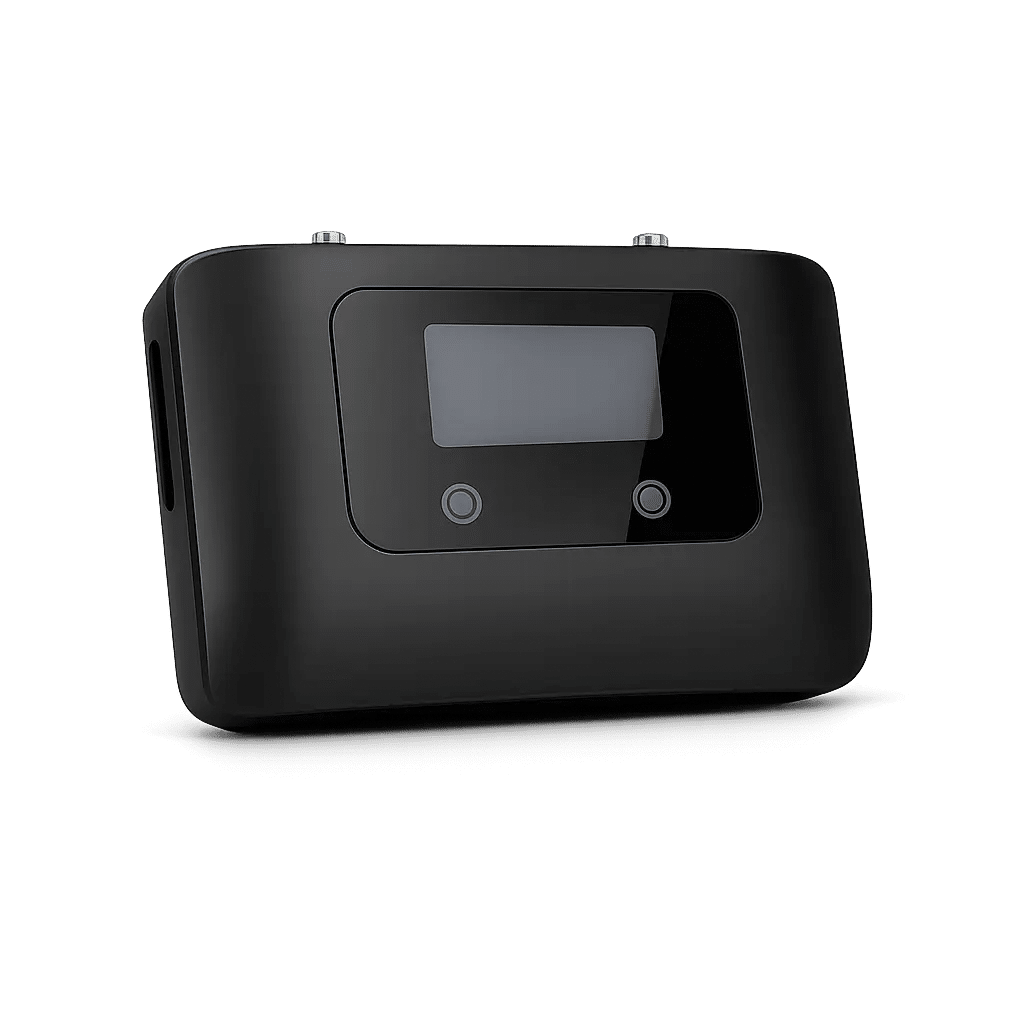
Coverage: 300 SQM
Ideal for: Home


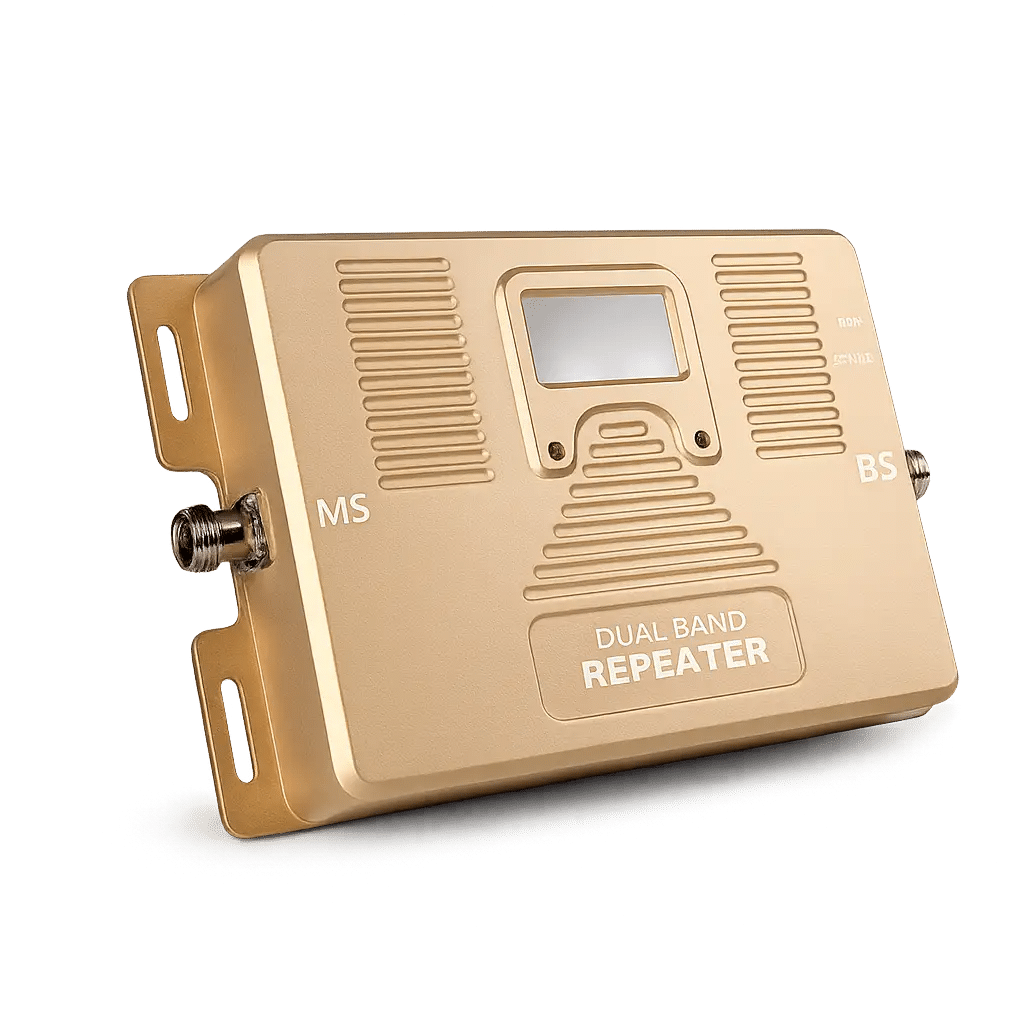
Coverage: 500 SQM
Ideal for: Medium Offices, Studios, And Homes

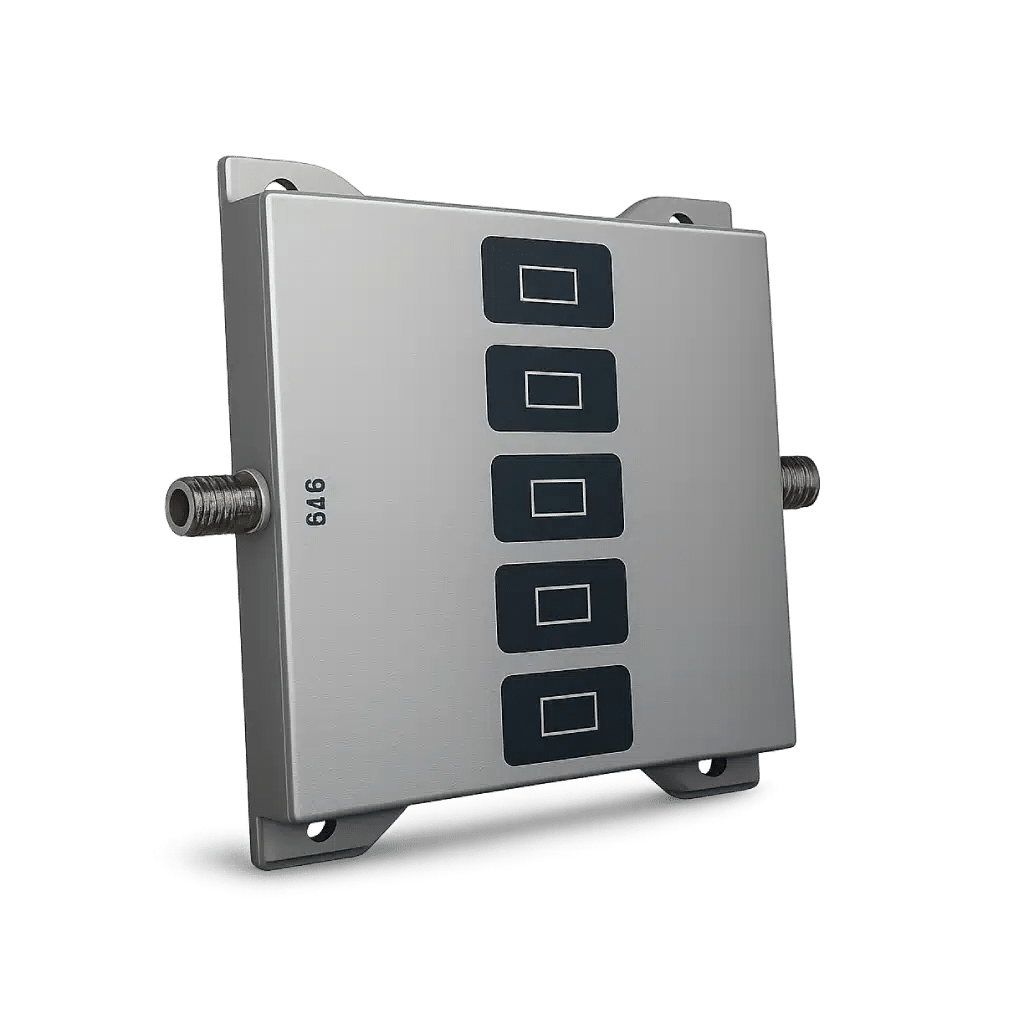
Coverage: 300 SQM
Ideal for: Home

Coverage: 1000 SQM
Ideal for: Hotel

©Copyright 2026 SignalBoosters. All Right Reserved
