Free delivery included · Arrives in 5–7 working days
Shop mobile signal boosters
Get a stronger mobile signal at home or work. Delivery in 5-7 working days. 30-day returns.
Best Car Signal Booster for Vehicles With Roof Racks UK 2026
Quick Answer: To legally boost mobile signal in a vehicle with a roof rack, you must use a dedicated, Ofcom-compliant, low-gain in-vehicle repeater. Avoid static building boosters, which are illegal in transit. Install the external donor antenna clear of your roof rack to prevent signal blockage and oscillation.
If you have ever sat in a remote layby with your phone held aloft like a holy relic, hoping for a single bar of 4G, you know the frustration. If you have a roof rack, you have essentially bolted a signal-blocking billboard to the top of your car. I have spent 12 years as an RF signal engineer, testing systems from the Scottish Highlands to the M25, and I have seen every botched DIY attempt to fix this. The reality is that your roof rack is likely creating a Faraday cage effect, or at best, creating massive “shadows” in your signal reception.
The Roof Rack Signal Problem
Your roof rack is a lump of metal. Radio frequency (RF) signals are notoriously shy around large metal objects. If your donor antenna is mounted behind or inside your roof rack, you are fighting a losing battle before you even turn the engine on.
The antenna needs a clear line of sight to the mobile mast. If you mount it in the “shadow” of your rack, the metal will absorb or reflect the radio waves. This leads to weak signal strength, measured in decibel-milliwatts (dBm), which creates a noisy, unusable connection.
The Only Legal Way to Boost Signal
Before you waste money on cheap “magic” stickers or wideband repeaters from auction sites, you need to know the law. Installing a non-compliant radio device is a criminal offence under the Wireless Telegraphy Act 2006.
The only legal vehicle boosters in the UK are low-gain, in-vehicle repeater systems. These devices meet the Ofcom IR2102 technical standards. They are designed to stabilize connectivity inside your cabin without disrupting the network for everyone else on the road.
| Product | Price | Coverage | Best For | Verdict |
|---|---|---|---|---|
| Cel-Fi GO M | typically £450 – £650 | Vehicle cabin | Extreme rural weak signal | Professional-grade performance. |
| Bolton Velocity | typically £350 – £450 | Vehicle cabin | Families and carpools | Great multi-user performance. |
| SureCall Fusion2Go | typically £300 – £400 | Vehicle cabin | Commuters | Reliable value option. |
Installing Your Booster Correctly
To get the most out of your setup, antenna placement is everything. You cannot just slap an antenna anywhere on the roof if you have a rack.
Clear the Rack: Mount the donor antenna on the highest point, completely clear of the roof rack bars if possible. If the rack is too large, use a mast extension to get the antenna above the obstruction.
Cable Routing: Use high-quality, low-loss coaxial cabling. If you are drilling a hole is not an option for a permanent mount, look for magnetic mounts that provide a secure, temporary, and effective solution.
Isolation: Keep your indoor rebroadcast antenna at least a few feet away from the outdoor donor antenna. If they get too close, you will trigger an oscillation feedback loop, causing the device to shut down for safety.
Why You Should Never Use a Static Home Booster in a Car
Some people try to save money by using a static indoor repeater in their vehicle. Do not do this. Static repeaters are built for fixed locations, not mobile ones.
Using a static booster while in motion causes massive interference. As you drive, the booster will attempt to re-establish a link with every mast you pass. Because it lacks the dynamic power controls required for a moving vehicle, it will likely be flagged by network operators, leading to a visit from Ofcom and a potential fine of up to £5,000.
Frequently Asked Questions
Is it legal to boost my mobile signal while driving in the UK?
Yes, but only if you use a specifically designed, low-gain in-vehicle repeater system. These are license-exempt devices that conform to Ofcom’s technical requirements. Using a booster designed for a house inside a moving vehicle is illegal and will cause network interference.
Do I need a professional to install a vehicle booster?
Not necessarily. Most in-vehicle kits are designed for DIY installation with magnetic-mount antennas and 12V power adapters. If you have a complex setup, such as a permanent NMO mount that requires drilling into your roof, you might prefer a professional to ensure the cable is routed safely.
How do I measure my signal strength (dBm) to check if a booster is needed?
The bars on your phone are not accurate. Access your phone’s Field Test Mode (usually via a code in the dialler or within Settings). You are looking for an RSRP reading in dBm. Anything between -50 dBm and -85 dBm is excellent. If you see -110 dBm or lower, you are in a dead zone where a booster will struggle.
Will a vehicle signal booster work with 5G?
Yes, if you buy a modern, multi-band booster. Ensure the product specifications explicitly list support for the frequency bands your UK operator uses, including 700MHz, which is the gold standard for 5G coverage in rural areas.
Can one booster cover multiple UK networks simultaneously?
Yes. Legal, high-quality vehicle repeaters are multi-band systems. They are engineered to amplify the signal for all major UK network operators (EE, Vodafone, O2, and Three) at the same time, which is helpful if your passengers use different providers.
The Bottom Line
Fixing your mobile signal in a vehicle with a roof rack is an engineering challenge, not a game of chance. Stop relying on optimistic signal bars or risking a fine on cheap, uncertified gadgets. You need a dedicated, legal, Ofcom-compliant in-vehicle repeater system with an antenna mounted clear of your roof rack. For a consultation on the right kit for your vehicle, visit MySignalBoosters.com.
Shop mobile signal boosters
Get a stronger mobile signal at home or work. Delivery in 5-7 working days. 30-day returns.
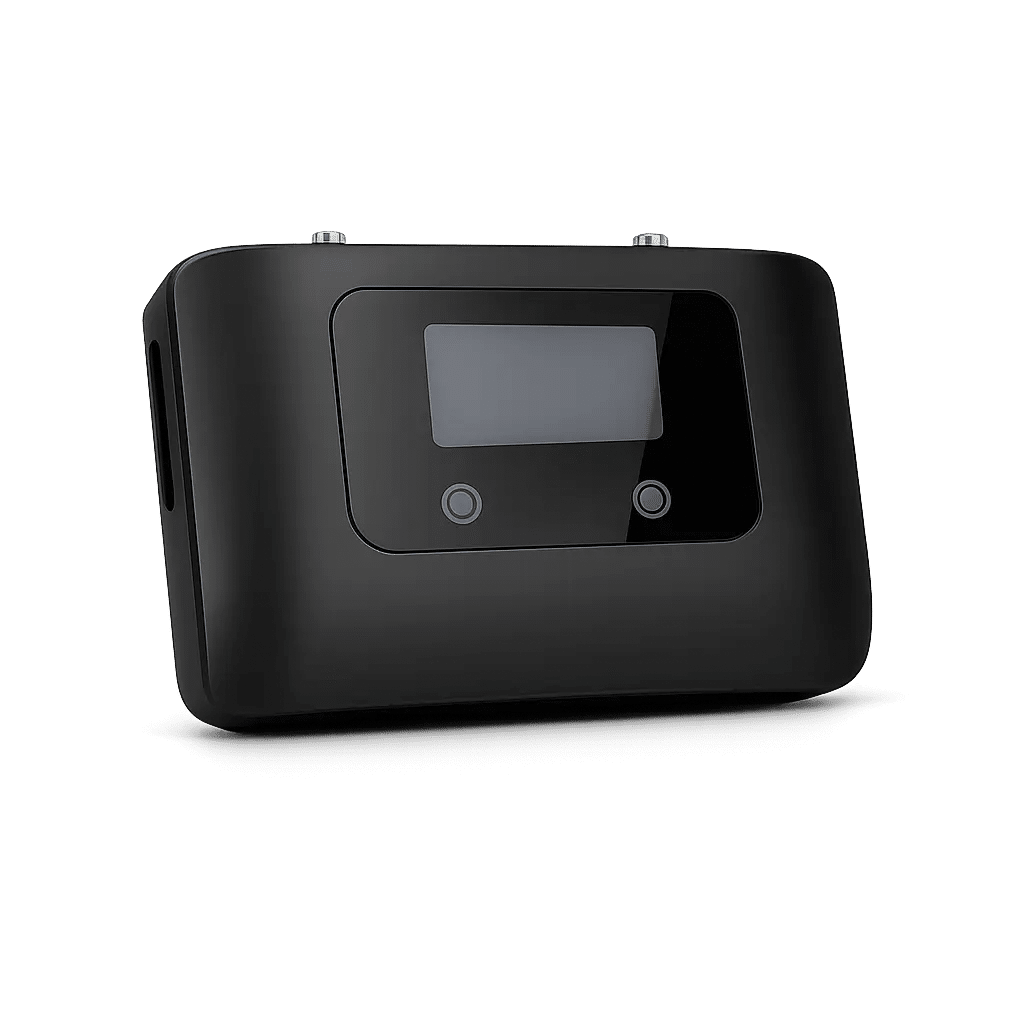
Coverage: 300 SQM
Ideal for: Home


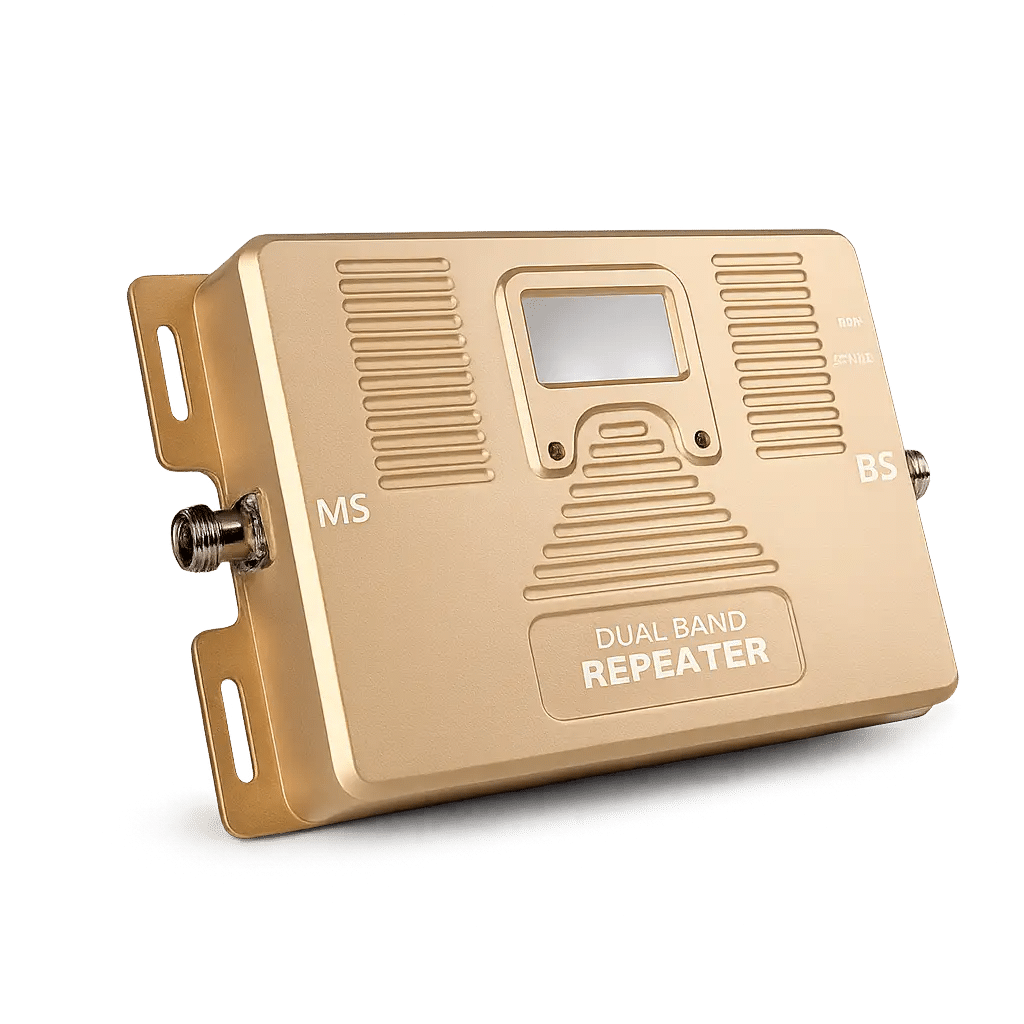
Coverage: 500 SQM
Ideal for: Medium Offices, Studios, And Homes

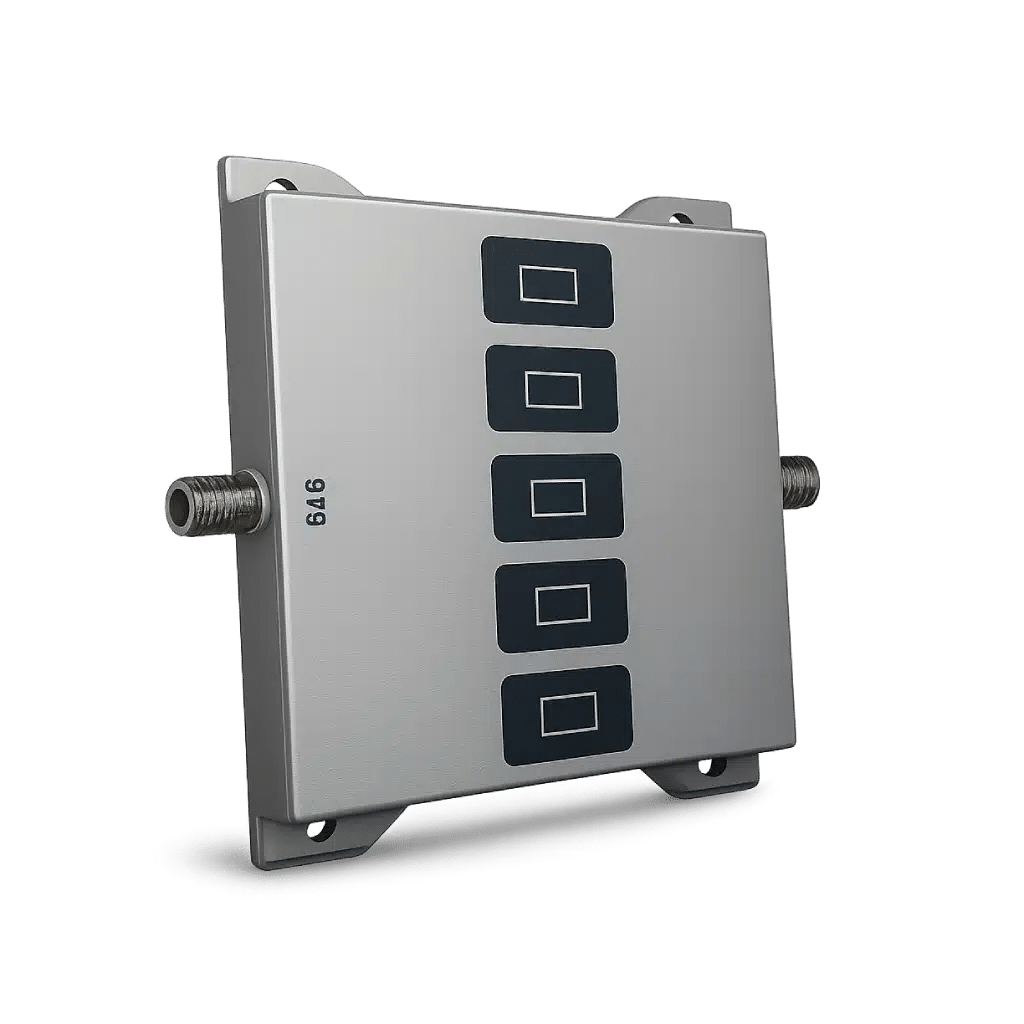
Coverage: 300 SQM
Ideal for: Home

Coverage: 1000 SQM
Ideal for: Hotel
