Free delivery included · Arrives in 5–7 working days

Shop mobile signal boosters
Get a stronger mobile signal at home or work. Delivery in 5-7 working days. 30-day returns.
Mobile Signal Booster UK 2026: The Definitive Guide
Quick Answer: To legally improve coverage, you must install an Ofcom-compliant, license-exempt static indoor repeater that meets the IR2102 technical standard. Do not buy cheap, wideband amplifiers from overseas marketplaces, as these cause network interference, trigger Ofcom enforcement, and can result in fines of up to £5,000.
You live in a country where modern insulation turns your home into a Faraday cage and your mobile contract is seemingly held together by hope and good intentions. I have spent 12 years in lofts and on rooftops as an RF engineer, and I can tell you that physics does not care about your data plan. If your building materials block radio waves, no amount of complaining to your network provider will fix the silence in your living room. You need a device that actually works with the UK’s frequency landscape in 2026.
Self-Build Homes and Domestic Coverage
If you are currently constructing a home, you are likely installing high-spec glazing and heavy insulation. While this is fantastic for your heating bills, it is a disaster for your 5G signal.
For a self-build, you need an Ofcom-compliant, multi-band repeater. These devices do not create a signal from thin air; they take the existing outdoor signal and carry it inside. You should aim for a system that supports the 700MHz and 800MHz bands, which are crucial for deep building penetration.
Avoid the urge to buy the first “5G booster” that pops up on a random online store. If it does not explicitly state it meets the IR2102 standard, it is an expensive paperweight that risks causing local network interference. Entry-level systems for smaller homes typically retail around £275, while mid-range multi-band units for standard properties generally cost around £450.
Boosting Signal in Vehicles and on the Move
Trying to conduct video calls from your car is a game of Russian Roulette with the local mobile mast. The metal chassis of a vehicle is a signal blocker, and if you have a roof rack, you have complicated the antenna installation significantly.
First, understand the law: static IR2102 repeaters are strictly prohibited for use in moving vehicles. You must use a dedicated, low-gain in-vehicle system designed for this purpose. These kits include an external antenna that needs a secure, bracketed mount to clear your roof rack frame. These systems run on 12V DC power and are tuned to avoid overwhelming the network with excessive gain. If you are doing frequent video calls, ensure the internal antenna is placed as close to your device as possible to maintain a stable link.
Commercial Spaces: Leisure Facilities and Studios
Architects’ studios and leisure facilities like changing rooms are often the hardest environments to tackle. They are usually built with thick masonry, steel, or reinforced concrete. A standard consumer booster will likely fail here because it lacks the capacity to handle high-density usage.
For these spaces, you need a high-gain commercial repeater that supports multi-operator traffic. This ensures that whether your staff or clients are on EE, Vodafone, O2, or Three, they can all get a signal. Professional installation is strongly recommended for these premises to prevent feedback loops, where the indoor and outdoor antennas accidentally amplify each other’s noise, causing the system to shut down.
BT Business Mobile and Network Compatibility
If you are using BT Business Mobile, remember that it piggybacks on the EE network infrastructure. You do not need a specific “BT booster.” Any high-quality, Ofcom-compliant, multi-band repeater that covers EE’s frequency bands (such as 800MHz and 1800MHz) will work perfectly. The same logic applies to MVNOs like Giffgaff or Smarty, which operate on the major networks. As long as your booster is compliant and supports the primary carrier’s spectrum, you are covered.
Remote Areas: Peat Bogs and Highland Cottages
If you find yourself trying to get a signal in a remote area like a peat bog or a Highland cottage, the problem is rarely the network coverage alone; it is usually the terrain.
You must prioritize a high-gain directional antenna (Yagi or Log-Periodic). Mount this antenna as high as physically possible and point it with extreme precision at the nearest mast. An outdoor antenna is passive and will do absolutely nothing without a connection to a powered booster unit inside your building. In remote areas, verify your dBm reading using your phone’s Field Test Mode. Anything worse than -110 dBm means you are struggling against too much background noise to get a stable connection.
Configuring for Optimal Data Speeds
Speed is not just about the signal bars on your phone screen, which are often just a UI suggestion. To get optimal data speeds in 2026, you need a system that supports MIMO (Multiple Input, Multiple Output) technology.
Antenna Placement: Keep the distance between your internal and external antennas as large as possible to avoid signal oscillation.
Cable Quality: Use high-quality, double-shielded, low-loss coaxial cable. Keep cable runs short; every extra meter of cable leads to signal attenuation.
Alignment: If your download speeds are erratic, adjust the aim of your outdoor donor antenna by a few degrees. Sometimes a small shift changes everything.
Frequently Asked Questions
Can I install a signal booster in my self-build home myself?
Yes, if your premises are standard residential size and you are comfortable with basic tools, you can perform a DIY setup. However, if the building is very large or constructed with steel and concrete, professional installation is advised to avoid feedback loops and ensure compliance.
Is it legal to buy a signal booster online?
Only if the device is Ofcom-compliant and meets IR2102 technical standards. Many cheap boosters found on global marketplaces are illegal because they lack necessary filtering, which can cause interference with the mobile network and lead to substantial fines.
Do I need a different booster for EE, Vodafone, O2, and Three?
Not if you purchase a modern, multi-band, Ofcom-compliant repeater. These devices are designed to amplify signals across all major UK networks simultaneously, including those running on those networks like BT or Giffgaff.
Why does my booster keep shutting down?
This is likely a feedback loop, which happens when the indoor and outdoor antennas are too close together. The system detects its own amplified signal as interference and shuts down to protect the network. Increase the physical separation or shielding between the two antennas.
How do I check if my signal booster is actually working?
Do not rely on the bars on your phone screen. Dial the code for your phone’s Field Test Mode to check the actual signal strength in dBm. A reading of -85 dBm is excellent; anything worse than -110 dBm indicates the system is failing to capture a usable signal.
The Bottom Line
Fixing your mobile signal in 2026 is an exercise in engineering, not magic. You are fighting building penetration loss, not just a service provider. If you want a setup that survives the shift to 5G and avoids a stern letter from Ofcom, stick to certified, IR2102-compliant, multi-band equipment. Measure your dBm, aim your antenna with precision, and stop wasting money on grey-market electronics. If you are still struggling to find the right hardware for your specific building layout, contact our team at MySignalBoosters.com for a professional assessment.
Shop mobile signal boosters
Get a stronger mobile signal at home or work. Delivery in 5-7 working days. 30-day returns.
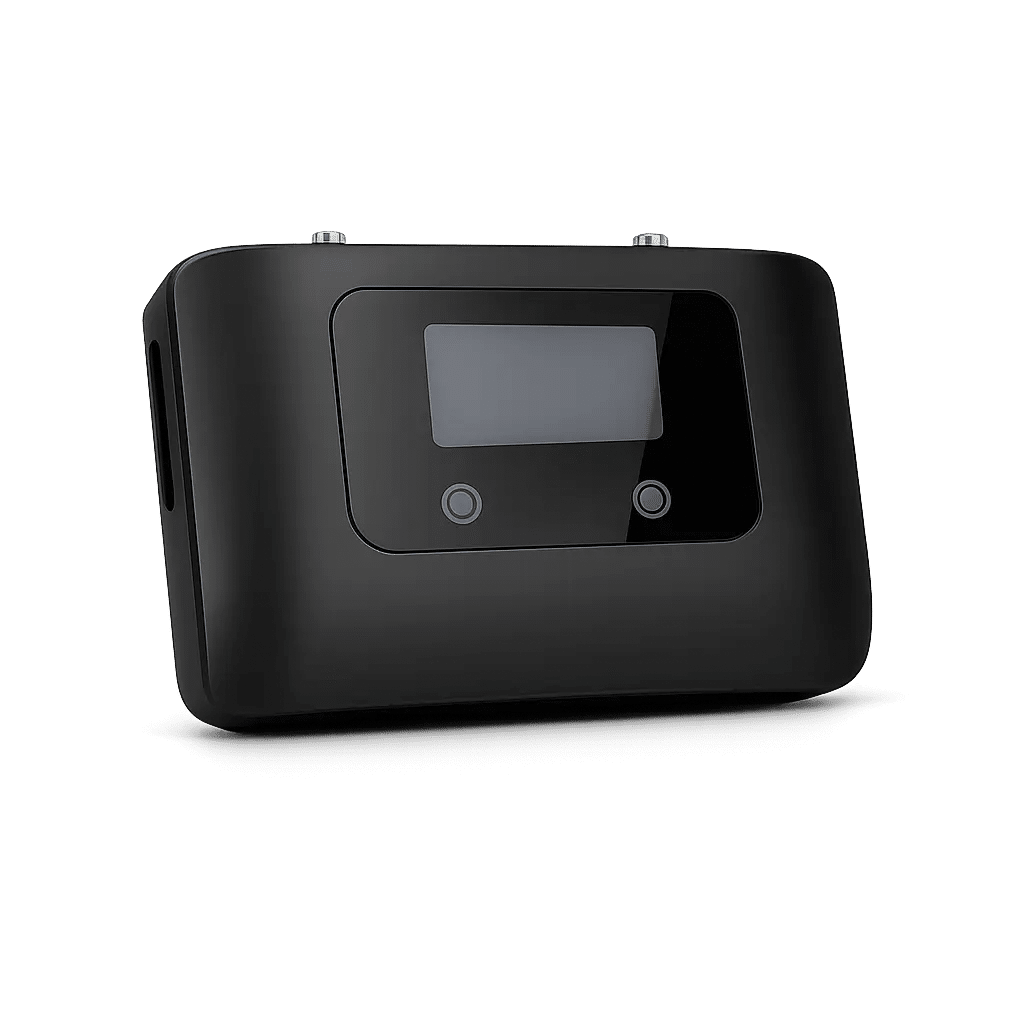
Coverage: 300 SQM
Ideal for: Home


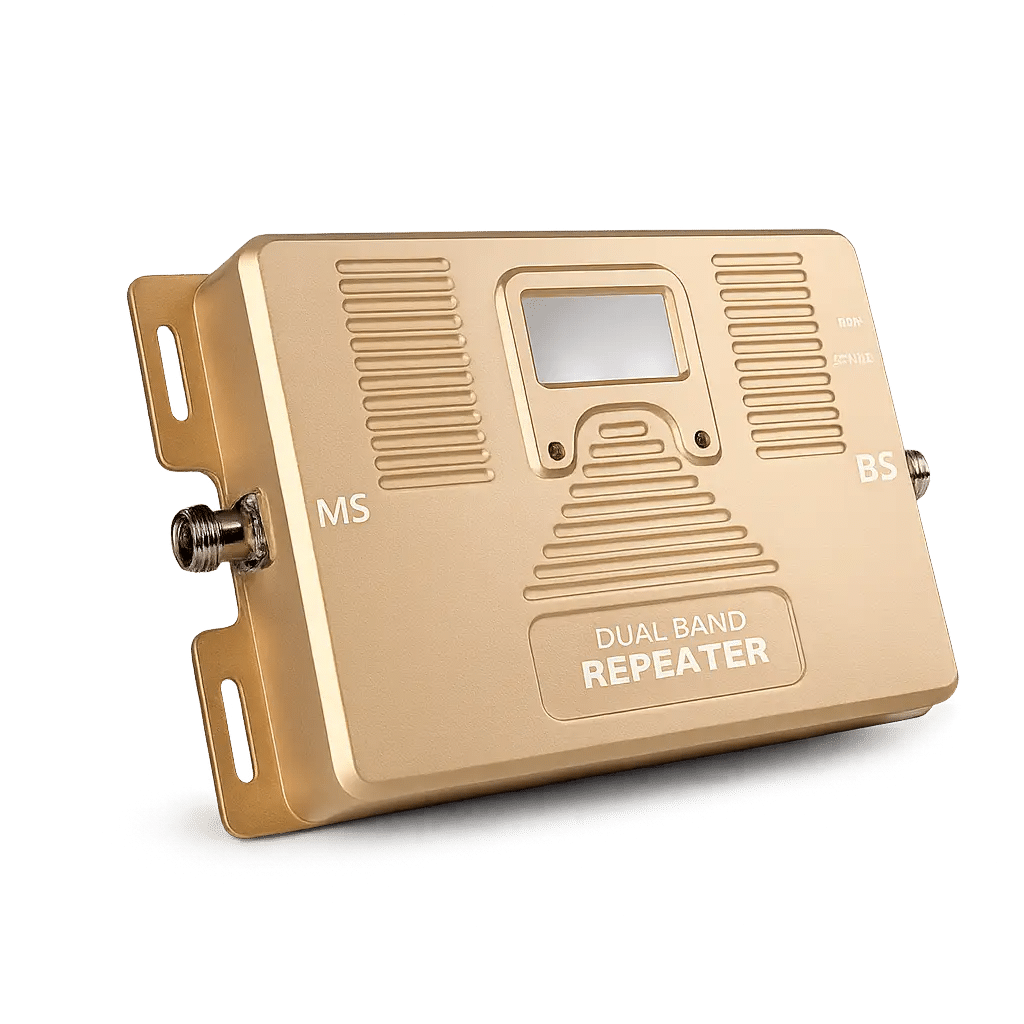
Coverage: 500 SQM
Ideal for: Medium Offices, Studios, And Homes

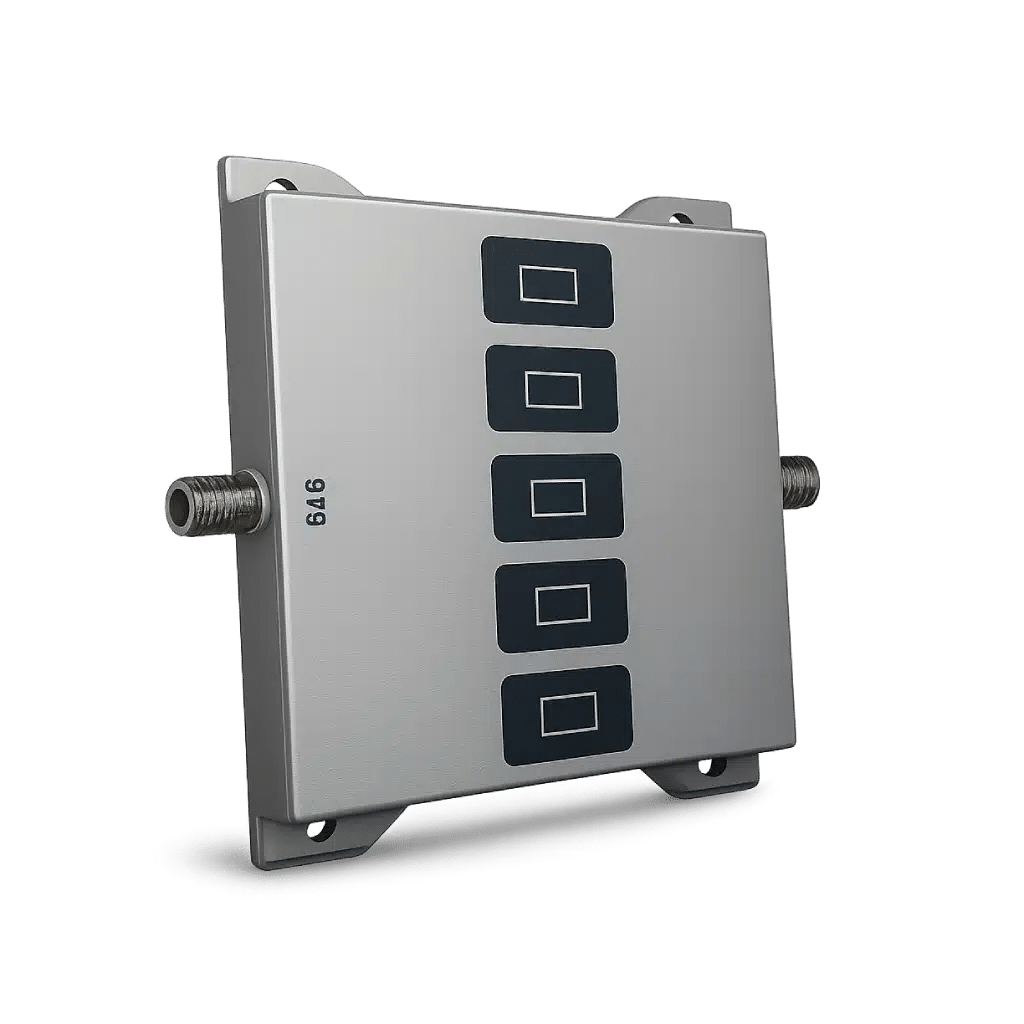
Coverage: 300 SQM
Ideal for: Home

Coverage: 1000 SQM
Ideal for: Hotel
