Free delivery included · Arrives in 5–7 working days

Best Lebara Mobile Signal Booster UK 2026: Vodafone Network Fix
Quick Answer: The best Lebara Mobile signal booster UK 2026 is any multi-band static indoor repeater that is license-exempt and complies strictly with the UK Interface Requirement 2102 (IR2102). Because Lebara uses the Vodafone network infrastructure, a legal Vodafone booster system will automatically provide the necessary 4G and 5G indoor coverage boost.
You signed up to Lebara for value and flexibility, not for the joy of conducting important calls from the driveway. The constant dropouts are infuriating, but the network usually isn’t the primary culprit. After 12 years as an RF engineer, I can confirm that the problem is almost always your house.
Why a “Vodafone Booster” is the Fix for Lebara Coverage
Lebara Mobile is a Mobile Virtual Network Operator (MVNO). It does not have its own masts. It simply “piggybacks” on the established Vodafone network infrastructure to provide coverage. This means your search for the best Lebara Mobile signal booster UK 2026 is fundamentally a search for the best Vodafone signal booster.
If you have poor indoor coverage, it means your home is suffering from what we call building penetration loss. Your external walls, thick brickwork, or modern foil-backed insulation are blocking the radio frequency waves, turning your property into a connectivity dead zone.
A repeater system uses a donor antenna placed outside where the signal is strong. It captures this usable Vodafone/Lebara signal and electronically routes it inside, bypassing the physical structure that caused the interference. This is the only technical fix for structural signal loss.
Choosing the Right Legal Repeater System
Choosing a booster requires matching the hardware to three key metrics: network (Vodafone/Lebara), legality (Ofcom compliance), and required coverage area.
The key distinction is legality. The Wireless Telegraphy Act 2006 makes the operation of non-compliant repeaters unlawful. Penalties can include fines up to £5,000 or up to a year of imprisonment. You must only install a license-exempt static indoor repeater that meets Ofcom’s UK Interface Requirement 2102 (IR2102).
The best compliant models use modern features to ensure they don’t interfere with nearby masts. These features include digital filtering and Automatic Gain Control (AGC). They are universally multi-band devices, meaning they boost all frequencies used by Vodafone for 4G/LTE and 5G data and voice calls.
Here is a breakdown of suitable repeater types based on the space you need to cover:
Entry-Level IR2102 Repeater:
Price: Typically retails around £275
Coverage: 1-2 rooms
Best For: Small flats or mild internal signal issues
Verdict: Provides a simple, localized boost for calls and low-use data.
Mid-Range Multi-Band Repeater:
Price: Typically retails around £450
Coverage: Up to 4 rooms
Best For: Standard semi-detached houses or medium-sized offices.
Verdict: A solid, reliable solution addressing common structural issues.
High-Gain 5G/MIMO System:
Price: Typically retails around £600 and up
Coverage: Multiple floors (large home) or large internal footprints
Best For: Homes in genuine weak outdoor signal areas or needing fast 5G data speeds.
Verdict: Powerful system utilizing MIMO technology for high-capacity data and deep signal valleys.
Decode Your Signal: Why Phone Bars Lie
Before spending money, you must accurately diagnose your signal strength. The signal bars on your phone are optimistic lies and should be ignored. They offer an arbitrary visual; the real measurement is in negative dBm (decibel-milliwatts).
A repeater only amplifies the existing signal. If your outdoor reading is genuinely zero, a booster won’t fix it.
Understanding dBm for Booster Placement
dBm is a precise, logarithmic measurement of received signal power. Values closer to zero are stronger and more usable. You can usually access this data via Field Test Mode on an iPhone (dial 3001#12345#) or in the settings menu on Android phones.
Strong Signal (-50 dBm to -85 dBm): Ideal external signal. A compliant booster will work perfectly, delivering strong indoor coverage.
Fair Signal (-85 dBm to -100 dBm): Requires a mid-to-high gain booster with a directional donor antenna for reliable calls and usable data.
Weak Signal (-105 dBm or worse): You need a professional-grade, powerful system, often a High-Gain 5G/MIMO System, with careful outdoor antenna aiming.
In my experience as an RF engineer, 90% of poor indoor signal problems are solved by simply getting the external donor antenna high enough and pointing it accurately at the nearest mast. You must defeat the building penetration loss at the point of entry.
Maximising Performance: The 2026 Network Context
While Lebara uses Vodafone’s network, competition among the big UK networks (EE, Vodafone, O2, Three) drives faster rollouts, particularly in 5G. If you live in an area that benefited from the recent Vodafone/Three merger, your booster system is now capable of capturing signals from two merged mast infrastructures, which is a significant bonus for reliability.
Using a modern, multi-band repeater system ensures compatibility across all current frequencies (2G, 3G, 4G/LTE, and 5G). This prepares your home connectivity for future upgrades.
The Zero-Cost Fix: Wi-Fi Calling
If your home broadband is fast and stable, enable Wi-Fi Calling on your device. This routes voice and text traffic over your internet connection, completely bypassing the need for a mobile signal indoors. While this doesn’t fix the underlying signal problem, it eliminates dropped calls instantly.
Frequently Asked Questions
Is a Lebara signal booster legal in the UK?
Yes, a Lebara signal booster is legal only if it is a static indoor repeater that strictly meets the technical specifications set by Ofcom in the UK Interface Requirement 2102 (IR2102). The use of any other mobile phone repeater is unlawful and risks financial penalties or equipment confiscation.
How much should I expect to pay for a reliable signal repeater?
You should budget at least £275 for an entry-level, legal, Ofcom-compliant repeater system. Mid-range systems for standard homes typically retail around £450, while high-gain 5G/MIMO systems for large properties or weak rural signals can exceed £600.
What is the meaning of a negative dBm reading for signal strength?
The dBm (decibel-milliwatts) reading is a precise, logarithmic measure of how strong the received cellular signal power is. Since it is negative, a number closer to zero indicates a much stronger signal; for instance, -65 dBm is excellent, whereas -115 dBm is effectively unusable.
Which UK networks are covered by a Lebara booster?
Because Lebara uses the infrastructure of the Vodafone network, any quality multi-band static indoor repeater designed to boost Vodafone signals will cover Lebara. These multi-band devices are typically engineered to boost signals across all major UK mobile networks (EE, Vodafone, O2, Three) simultaneously.
How do thick walls cause poor indoor coverage?
Thick walls, especially those built using dense materials like concrete, stone, or foiled insulation, physically attenuate (absorb or reflect) mobile radio frequencies, a phenomenon known as building penetration loss. This necessitates using a donor antenna mounted outside where the signal strength is adequate, feeding the signal inside via cable.
The Bottom Line
A search for the best Lebara Mobile signal booster UK 2026 is easily resolved once you accept that you are really looking for the best Vodafone repeater system. The answer is professional-grade, Ofcom-compliant hardware. Don’t waste time with cheap, illegal signal stickers or passive aerials. Invest in a legitimate, IR2102-compliant repeater system today to defeat building penetration loss once and for all.
Find your compliant Vodafone/Lebara system designed for UK homes at MySignalBoosters.com.
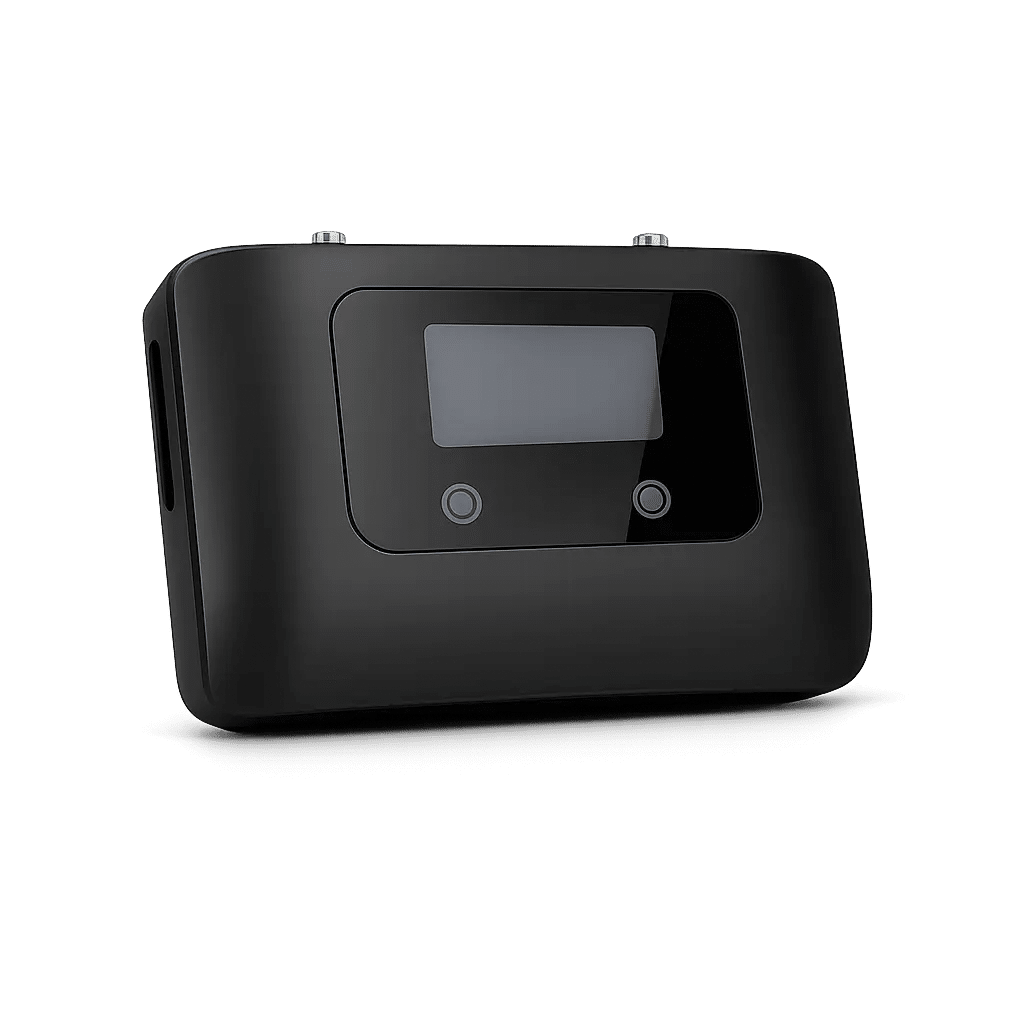
Coverage: 300 SQM
Ideal for: Home


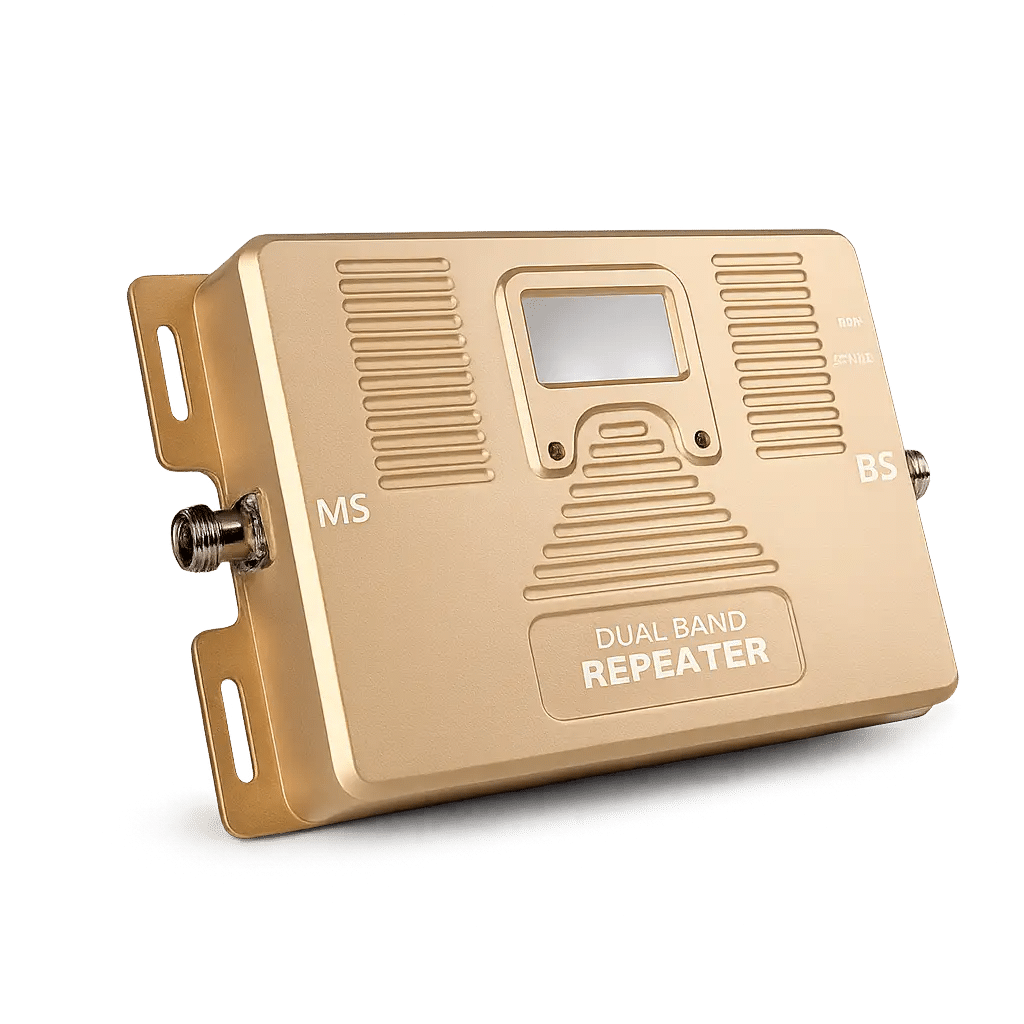
Coverage: 500 SQM
Ideal for: Medium Offices, Studios, And Homes

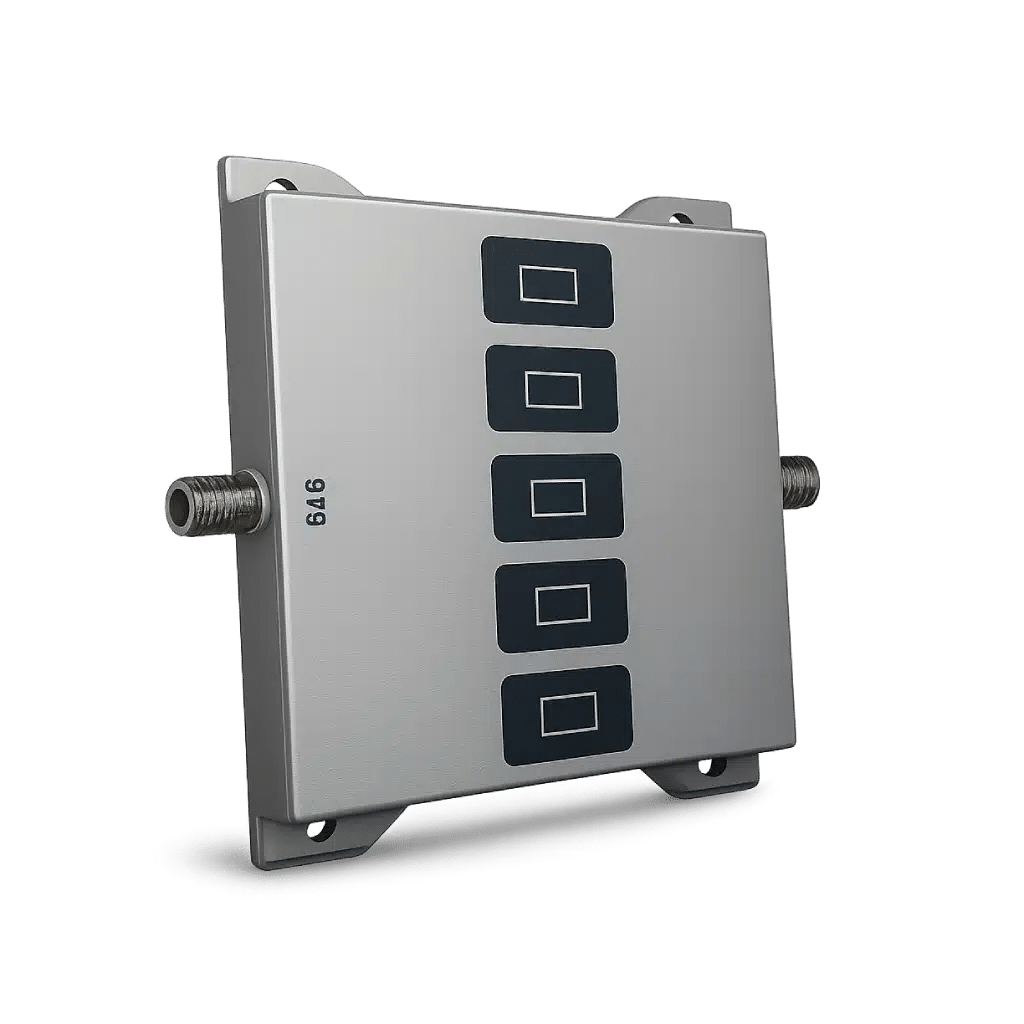
Coverage: 300 SQM
Ideal for: Home

Coverage: 1000 SQM
Ideal for: Hotel
