Free delivery included · Arrives in 5–7 working days

Shop mobile signal boosters
Get a stronger mobile signal at home or work. Delivery in 5-7 working days. 30-day returns.
Best Low-Profile Signal Booster Review UK 2026
Quick Answer: To legally boost mobile signal in the UK, you must install an Ofcom-compliant, IR 2102-certified static indoor repeater. A low-profile system prioritises discrete mounting and minimal aesthetics without sacrificing essential antenna gain. Avoid cheap, uncertified online imports, as they cause network interference and trigger fines of up to £5,000. Prioritise multi-band systems for reliable EE, Vodafone, O2, and Three coverage.
We treat our homes like signal-proof bunkers, coating our walls in foil-backed insulation and energy-efficient glazing, and then wonder why our phones have the reception of a submarine at the bottom of the Mariana Trench. It is a design triumph that makes the modern house a Faraday cage. If you are tired of hovering by the window like a desperate Victorian poet waiting for a letter, you need a repeater.
In my 12 years as an RF signal engineer, I have crawled through enough loft spaces to know that “sleek” and “powerful” rarely coexist in the world of signal boosters. Most of the low-profile units sold on auction sites are little more than plastic paperweights that scream noise at your local mobile mast. If you want a signal that stays up, you need engineering, not a magic sticker.
The Physical Reality of Low-Profile Boosters
The problem with wanting a signal booster to be invisible is that physics does not care about your interior design. Radio waves require surface area to capture and gain. A truly low-profile unit often struggles because it lacks the internal space for advanced filtering and heat dissipation required for stable, long-term operation.
If you are hunting for the best low-profile signal booster, you are essentially looking for high-quality components shrunk down to a manageable size. You want a system that uses intelligent digital filtering, like the Cel-Fi range, rather than the dumb, wideband amplification found in cheaper, bulky units.
When you install these systems, the “low profile” part usually refers to the indoor antenna, not the donor antenna. You will still need an external donor antenna mounted high to grab that signal. If a retailer promises you a “wireless, invisible booster,” they are selling you fiction.
Professional-Grade Performance in a Compact Package
For those requiring serious performance without the industrial look, the market has pivoted toward intelligent systems. These are not the analog boxes from a decade ago. They use digital signal processing to avoid the oscillation feedback loops that plague the cheaper kit.
If you are managing an open-plan home or a boutique office, you need a system that supports MIMO (Multiple Input, Multiple Output) technology. This is non-negotiable if you want to stream high-definition video or handle multiple data-heavy users simultaneously. A single-band unit will leave you stranded when you need to switch from a voice call to a heavy data task.
Top Contenders for Discreet Signal Solutions
Here is how the current market stacks up for those who want coverage without the clutter.
The Cel-Fi GO G41 is the gold standard for power and performance. While the external antenna is a standard piece of hardware, the internal unit is compact and clean. It uses IntelliBoost technology to ensure it does not disrupt your neighbours or the local network mast. It is the unit I recommend for properties with significant building penetration loss.
The HiBoost Hi10-5S Pro offers a strong balance of price and capacity. It supports the 700MHz band, which is vital for modern indoor coverage in 2026, especially if you are on the Three or O2 networks. It is slightly larger than the Cel-Fi but remains easy to tuck away in a cupboard or discreet corner.
The Nikrans LCD-300GDW is the compact choice for smaller flats or bungalows. It is not as powerful as the enterprise-grade gear, but it is one of the smallest units on the market that still manages to be Ofcom-compliant. It is ideal for when you have a decent signal outside and just need a little nudge to get it into the bedroom.
The Truth About Installation
If you want a low-profile look, your installation strategy matters more than the device itself. You cannot hide the antenna behind a sofa and expect it to magically bypass a thick Victorian brick wall.
The “Go High, Go Clear, Go Aimed” rule still applies. You must mount the donor antenna on the highest exterior point with line-of-sight to the mast. You can then run your low-loss coaxial cable into the building. If you are worried about drilling, you can use specialized window pass-through cables. These are flat, thin strips of cable that run through a window frame without breaking the seal. They are the best way to get a professional setup without turning your house into a construction site.
Frequently Asked Questions
Is it legal to buy a low-profile signal booster from an online marketplace?
Almost certainly not. If you find a device on a generic marketplace for under £200, it almost certainly lacks the Ofcom IR 2102 technical standards. Installing non-compliant, wideband equipment is a criminal offence if it interferes with the network. Ofcom has the power to seize this hardware and issue fines of up to £5,000. Stick to professional UK suppliers who can provide documentation of compliance.
How do I check if my booster is actually boosting?
Do not look at the bars on your phone screen. They are a UI estimate, not a real measurement. Use your phone’s Field Test Mode or an app like InPocket to view the signal in dBm. A reading of -85 dBm is excellent, while anything worse than -110 dBm means you have a serious problem. The booster should reflect an improvement in this number. If it stays the same, check your antenna orientation.
Can I hide the indoor antenna in the ceiling?
You can, provided you do not place it inside a metal-lined box or behind thick masonry. Plasterboard and fibreglass insulation are generally transparent to radio waves, so you can easily hide a panel antenna in a loft space or a dropped ceiling. Just ensure it is not too close to the outdoor antenna, or you will trigger a feedback loop that causes the booster to shut down automatically to protect the network.
Do I need a different booster for 5G?
Yes, if you want 5G enhancement, you must ensure the unit explicitly supports 5G frequency bands, such as the 700MHz band. Many older, cheaper units only cover 2G, 3G, or 4G. Check the specification sheet for “5G” and “700MHz” compatibility before purchasing, otherwise you are buying legacy hardware that will be obsolete by next year.
How much should I expect to spend for a quality kit?
For a reliable, compliant system that won’t get you a knock on the door from Ofcom, you should expect to spend between £400 and £1,500. This reflects the cost of high-quality filters, automatic gain control circuitry, and the R&D required to make the device “network-safe.” If a price looks too good to be true, your neighbours’ mobile service will pay the price for it.
The Bottom Line
Fixing your mobile coverage is not magic, it is simple RF engineering. Stop hoping for a miracle from a £30 “booster” sticker or a bargain-bin import. Measure your dBm, confirm the LTE bands your specific network uses, and invest in an Ofcom-compliant system that includes a high-gain external antenna. If you are struggling to narrow down the right hardware for your specific building, contact our team at mysignalboosters.com for a professional assessment. A proper, legal installation will pay for itself in saved time, fewer dropped calls, and the end of those “can you hear me now” conversations.
Shop mobile signal boosters
Get a stronger mobile signal at home or work. Delivery in 5-7 working days. 30-day returns.
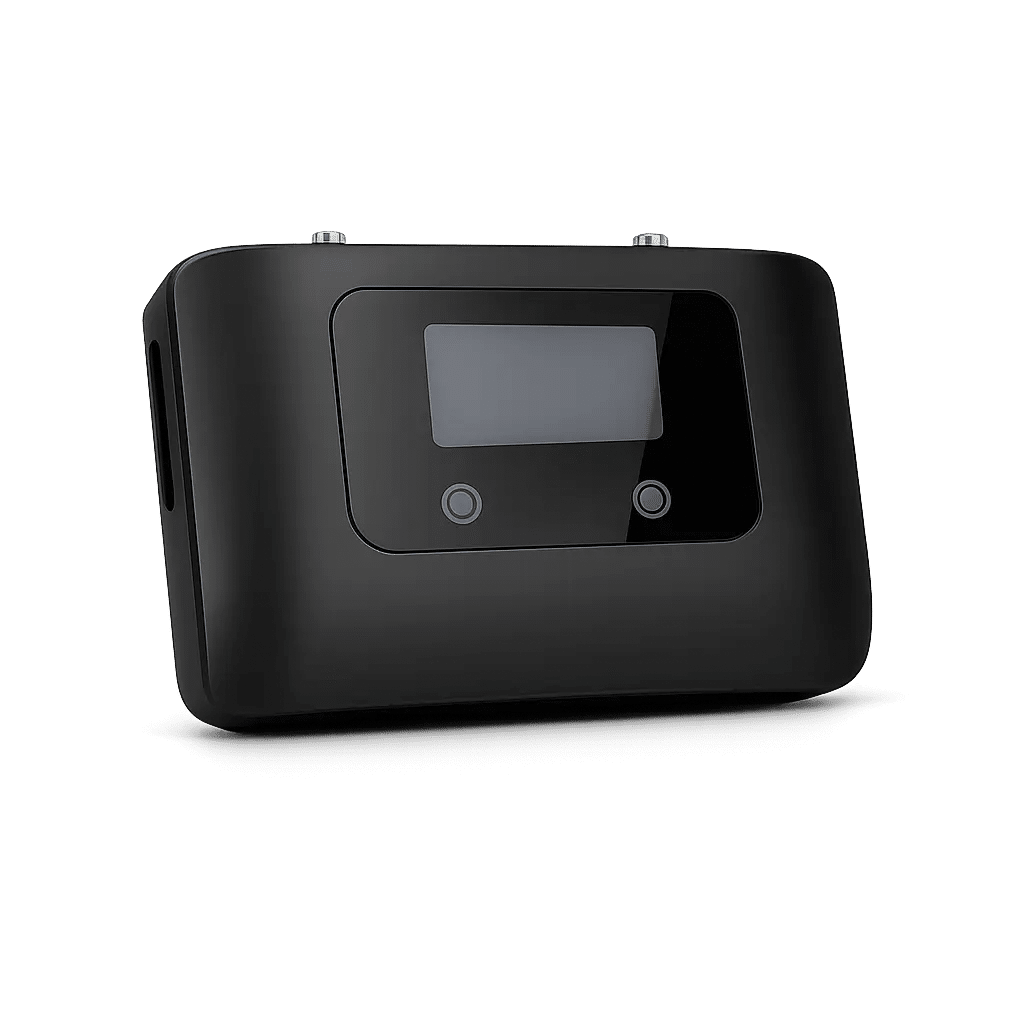
Coverage: 300 SQM
Ideal for: Home


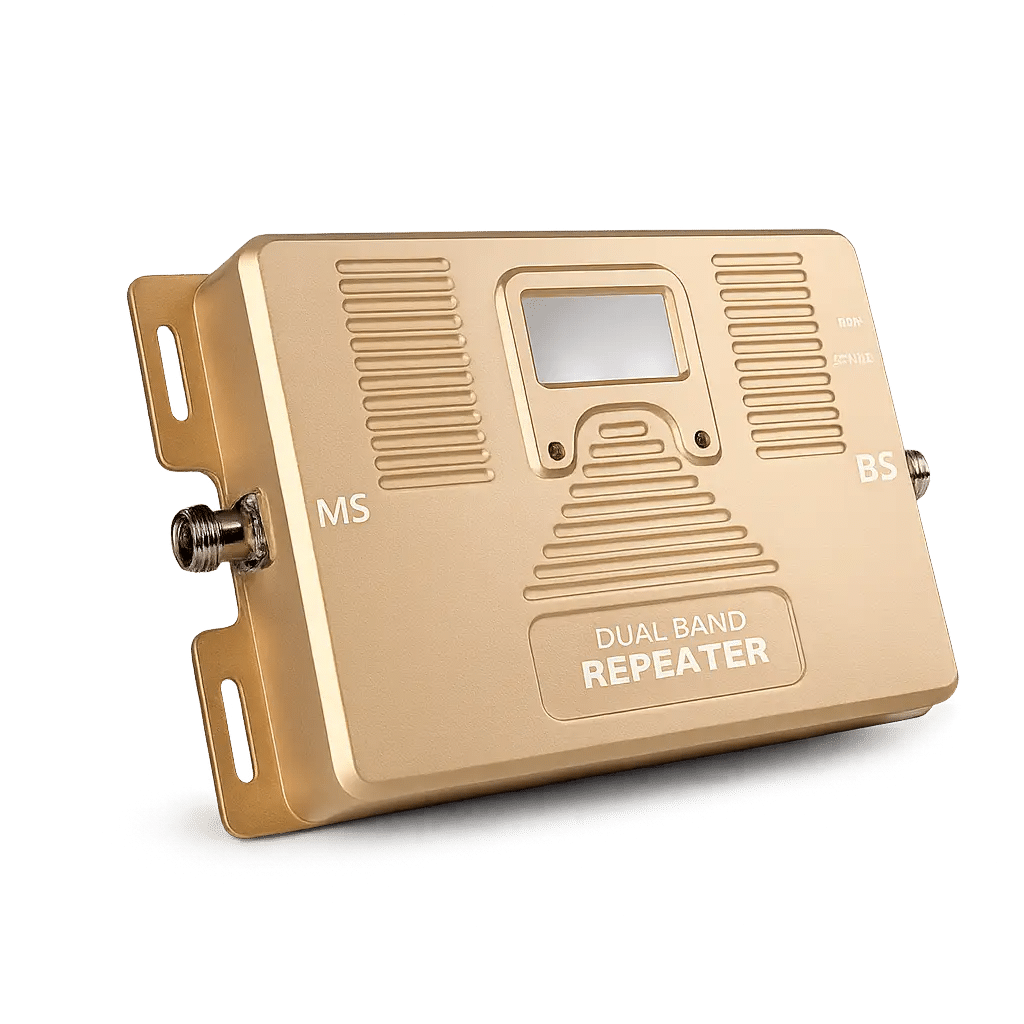
Coverage: 500 SQM
Ideal for: Medium Offices, Studios, And Homes

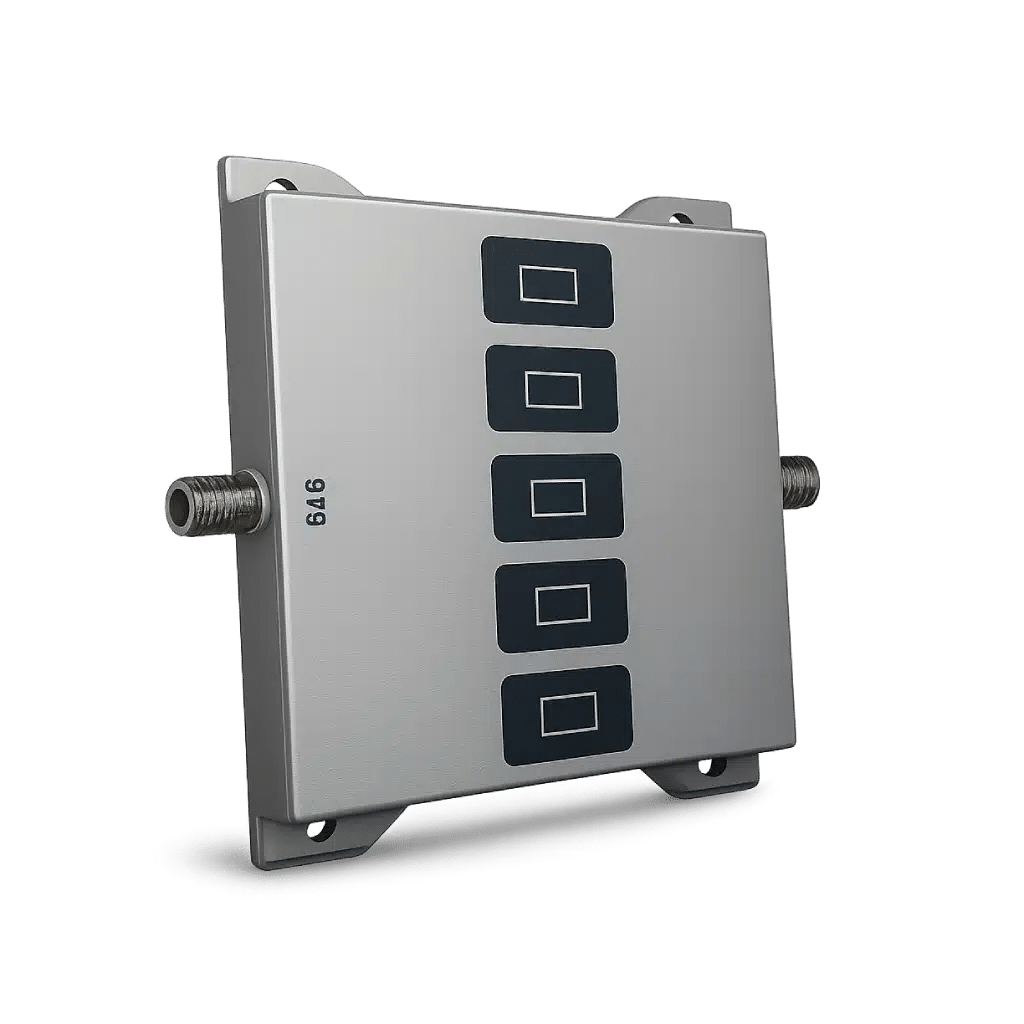
Coverage: 300 SQM
Ideal for: Home

Coverage: 1000 SQM
Ideal for: Hotel
