Specialists in Amplifying Voice & Data Signals for all UK Carriers
LIMITED TIME: 10% OFF ALL BOOSTERS.Ends Soon!
The Best Mobile Signal Booster for Daily Commuting UK 2026
Quick Answer: The best compliant mobile signal booster for reliable daily commuting in the UK is a license-exempt low gain in-vehicle repeater, such as the Cel-Fi GO M. These systems use an external donor antenna to capture weak signal outside your car and amplify it for stable 4G and 5G connectivity inside the cabin, overcoming the vehicle’s natural signal-blocking properties.
If your daily commute includes a signal blackspot, you know the specific, modern frustration: mapping apps drop out mid-instruction, streaming radio buffers, and every important call hits a brick wall. Nobody drives miles just to see a single signal bar flicker to life. The problem isn’t the network; it is usually the two tons of metal and glass you are sitting in. Forget the cheap Amazon gadgets that promise the world and deliver network interference. In my 12 years as an RF engineer fixing mobile connectivity nightmares across the UK, I have learned the legal solution is often simple, provided you use the right hardware.
Why Your Car Kills Your Mobile Signal (And the Legal Fix)
Your car is essentially a mobile Faraday cage, particularly modern cars with high levels of metallic tinting and reinforced safety cages. Radio frequencies struggle to penetrate this metal shell, leading to a massive drop in signal strength—a phenomenon known as building penetration loss. Even if you have three bars outside, you could have zero bars inside.
For daily commuters, the challenge is compounded by speed. As you drive, your phone constantly drops and searches for new, closer masts. If the external signal is weak, this handoff process fails, resulting in dropped calls and data stalls.
The UK regulator, Ofcom, is extremely strict about repeaters used in moving vehicles. You must use a dedicated low gain in-vehicle repeater that is specifically designed and approved for mobile use. These devices are “Network-Safe” and feature Automatic Gain Control (AGC), ensuring they amplify the signal just enough to compensate for the car’s shell without polluting the wider mobile network. Using any non-compliant, high-gain booster designed for a house is illegal and risks a fine of up to £5,000.
Here is a comparison of the top compliant options for UK commuters:
Cel-Fi GO M (G32/G41) Vehicle System
Price: Typically retails around £650–£750
Coverage: Vehicle cabin and immediate surrounding area
Best For: Long-haul commuters, professional drivers, or salespeople who rely on 4G/5G data stability for apps, CRM, or tethering.
Verdict: The definitive legal choice, providing high gain and Network-Safe technology for robust, selectable single-network use on all major UK networks.
Budget Low-Gain Cradle Repeater (e.g., WeBoost Drive Sleek UK Variant)
Price: Typically retails around £150–£300
Coverage: Single device held in the cradle
Best For: Simple voice calls and overcoming basic building penetration loss on fixed, signal-rich routes where only minor boosting is required.
Verdict: Affordable and easy plug-and-play setup, but performance is limited to one phone and is not suitable for weak rural signal areas.
Network Choice: Which Carrier is Best for UK Commuters?
If you are buying a single-network selective booster like the Cel-Fi GO M, your choice of network is critical. For consistent, reliable connectivity across a varied UK commute—from urban sprawl to rural bypasses—EE is the performance leader in 2026.
EE consistently offers the widest 4G coverage (99.8% population) and the strongest average download speeds (52.8 Mbps on 4G). Vodafone and O2 also offer high 4G population coverage, but EE excels in geographic coverage, especially in rural areas.
This advantage comes from EE’s strategic use of the long-range 700MHz frequency band. These low-frequency LTE bands travel further and penetrate obstacles better than the higher frequencies (like 1800MHz) used primarily for capacity in cities. For a booster to truly serve a commuter who leaves the main A-roads, it must lock onto these 700MHz and 800MHz frequencies.
Signal Strength Explained: Why You Need at Least -105 dBm
The unreliable bars on your phone are useless for assessing true signal quality. Professional installation and setup depend on measuring signal strength accurately in negative decibel milliwatts (dBm).
The closer the dBm reading is to zero, the stronger the signal. For most quality in-vehicle repeaters to function reliably, they require an existing external signal of at least -105 dBm.
A booster cannot invent a signal; it can only amplify what is already there. If you regularly drive through areas registering below -110 dBm—a true dead zone—even the best vehicle booster will struggle. In these cases, your focus should shift to choosing the network that offers the absolute faintest flicker of signal (which is often EE) and pairing the booster with a high-quality external donor antenna.
Installation and Discretion for Commuters
Unlike a permanent home installation, commuter booster setups need to be discreet and simple. Installation usually involves three components:
External Donor Antenna: Typically a small, magnetic, or suction cup aerial mounted on the car roof to capture the signal.
Repeater Unit: The main unit, often hidden under a seat or in the glove box, powered via 12V or USB.
Internal Antenna: A small patch or whip antenna that broadcasts the boosted signal inside the cabin.
For daily use, the crucial element is the external aerial. Look for low-profile, permanent-mount aerials if you drive a fleet vehicle, or easy-to-remove magnetic versions for a personal car. Since you are moving quickly, the focus is less on directional alignment and more on ensuring maximum physical separation between the external and internal components to prevent self-interference and signal feedback.
Frequently Asked Questions
Is it legal to use a mobile signal booster in a car in the UK?
Yes, using specific types of mobile signal boosters is legal in the UK, provided they are low gain in-vehicle repeaters sanctioned by Ofcom. Non-compliant, high-gain residential boosters are illegal to use in a moving vehicle and should be avoided.
How much should I budget for a reliable signal booster for my daily commute?
For a reliable, high-quality, Ofcom-compliant system capable of providing stable 4G and 5G data inside a car cabin, you should typically budget between £600 and £750 for the hardware, including the external donor antenna and necessary cabling.
Which technical feature is essential for a compliant UK car booster?
The essential technical feature is being Network-Safe, which includes having Automatic Gain Control (AGC) and uplink/downlink shutdown capabilities to prevent the device from interfering with major mobile network operator (MNO) towers. This self-regulation is mandated by Ofcom.
Can a vehicle booster improve my 5G coverage?
Yes, most modern, high-quality vehicle repeaters (like the Cel-Fi GO M) support both 4G LTE and 5G frequencies. However, their primary benefit for commuters is using the low-frequency LTE bands (like 700MHz) to provide stable data transmission wherever 5G is not yet available.
Why do most compliant vehicle boosters only support one network at a time?
Most Ofcom-compliant vehicle systems are designed to be single-network selectable to maintain compliance and prevent interference with the wider mobile network while the vehicle is moving. This design restriction simplifies the signal processing, making it safer for the network.
The Bottom Line
A daily commute shouldn’t feel like a technological step backward. If you rely on mobile data for work or travel, a legal, low gain in-vehicle repeater is a professional tool that solves a physical problem: the metal shell of your car. Don’t waste money on unreliable gadgets that risk network interference. Invest once in an Ofcom-compliant system built to capture weak LTE bands and keep you connected, regardless of the speed or terrain.
View our full range of compliant vehicle signal boosters now and stop dropping calls on the M4 at MySignalBoosters.com.
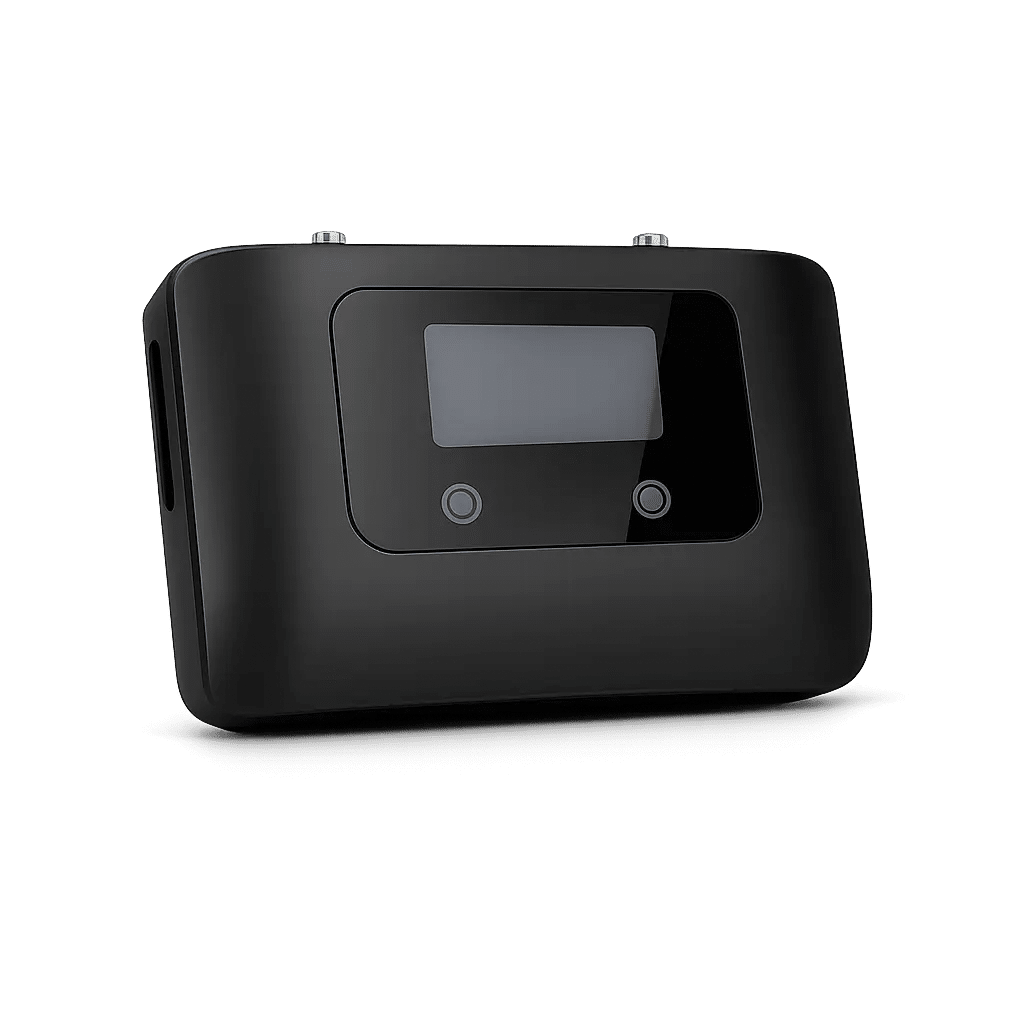
Coverage: 300 SQM
Ideal for: Home


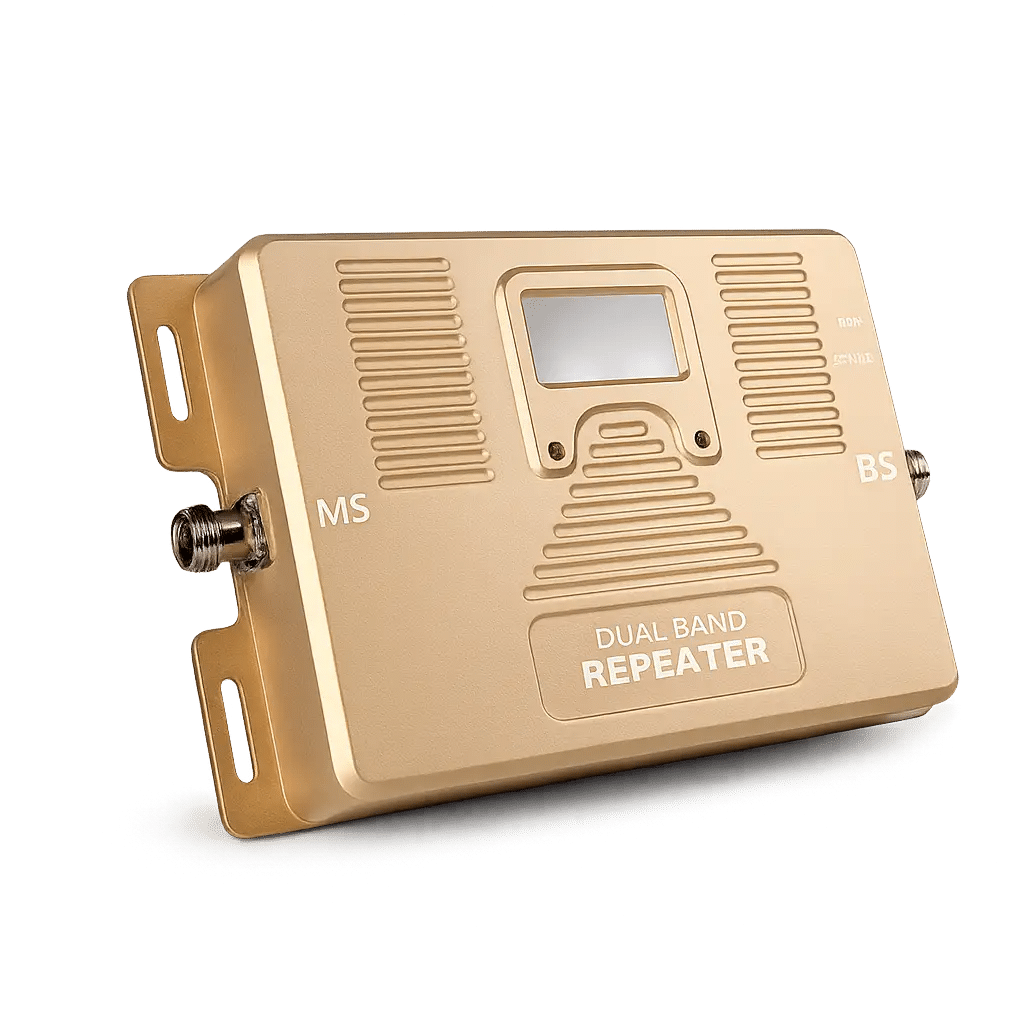
Coverage: 500 SQM
Ideal for: Medium Offices, Studios, And Homes

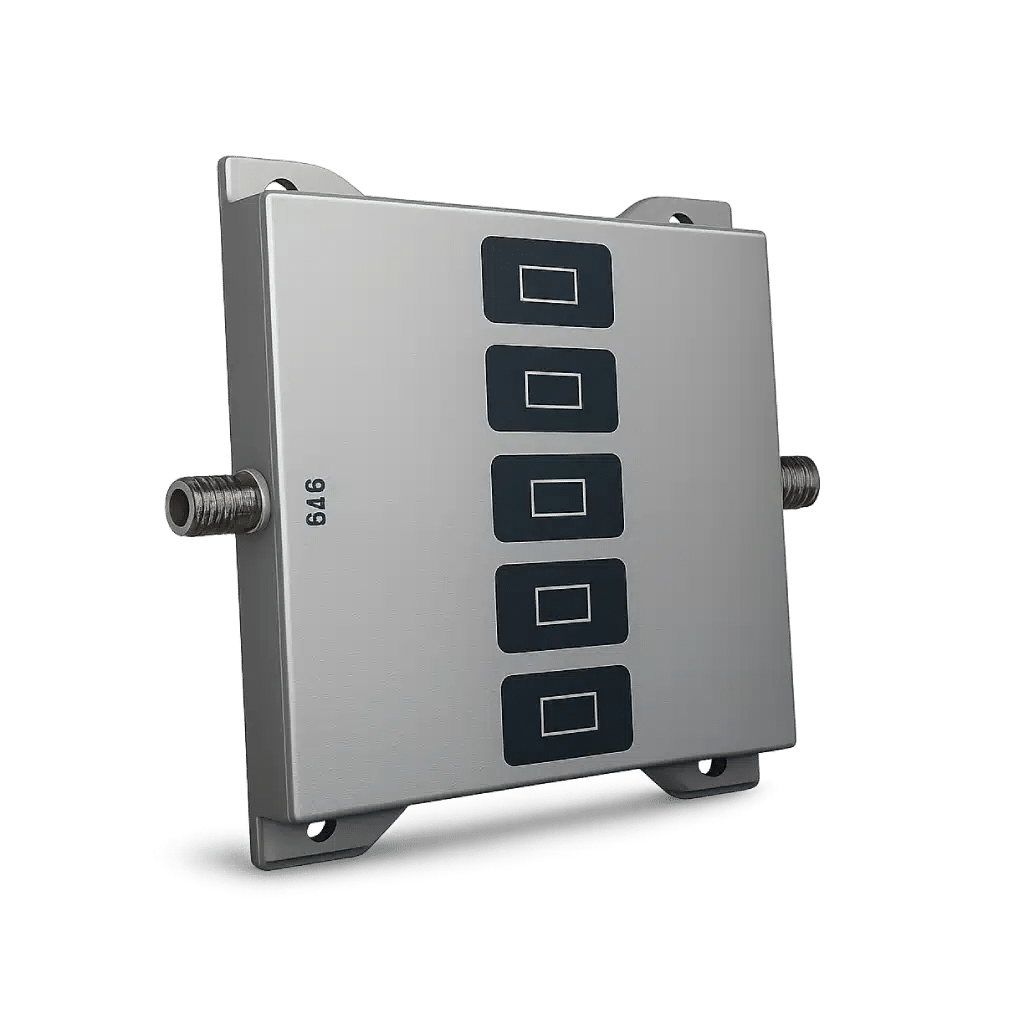
Coverage: 300 SQM
Ideal for: Home

Coverage: 1000 SQM
Ideal for: Hotel

©Copyright 2026 SignalBoosters. All Right Reserved
