Free delivery included · Arrives in 5–7 working days

Shop mobile signal boosters
Get a stronger mobile signal at home or work. Delivery in 5-7 working days. 30-day returns.
Best Signal Booster for Urban Businesses 2026
Quick Answer: To effectively boost signal in a congested urban office, you must install an Ofcom-compliant, license-exempt static indoor repeater that meets the IR2102 technical standard. Avoid uncertified wideband amplifiers sold online, as these are illegal and cause network interference that will attract Ofcom enforcement fines.
If you work in a city centre office, your phone is probably losing a silent, one-sided war against architecture. You might have full bars on the pavement, but walk inside your building and you are back to the stone age. Your office is likely encased in energy-efficient glass, reinforced concrete, or steel cladding—all of which act as a massive Faraday cage for radio frequencies.
After testing dozens of kits across the UK, from converted London warehouses to glass-fronted offices in Birmingham, one truth remains: physics does not care about your business contract. If your building design blocks radio waves, your provider cannot fix it from their end. You need to bridge that gap yourself, and you need to do it without falling foul of the law.
The Urban Signal Problem
In congested urban areas, the problem is not just building materials. It is the sheer volume of reflected signals bouncing off every steel-framed office block in the vicinity. This is called multipath interference. A standard omnidirectional antenna in a city is about as effective as a umbrella in a hurricane. It catches every stray signal and noise spike, confusing your booster and ruining your connection quality.
To solve this, you need a high-gain directional donor antenna mounted on your roof or an exterior wall. Think of this antenna as a sniper rifle rather than a shotgun. It points at a specific mobile mast, ignoring the clutter of the urban landscape to capture a clean signal.
Choosing the Right Hardware
When looking for the best signal booster for businesses in congested urban areas UK 2026, you are essentially looking for an industrial-grade solution. You cannot fix a structural problem with a £50 gadget from an online marketplace. Those devices are usually wideband, uncertified, and prone to “oscillation,” a feedback loop that screams at the network mast, forcing the operator to shut your equipment down.
For a professional environment, you need an Ofcom-compliant system that features Automatic Gain Control (AGC). This keeps the device within the legal limits and ensures it does not disrupt the network for your neighbours.
Professional System Comparison
Here are the most reliable options for 2026, based on performance in high-density office environments.
CEL-FI GO G41
Price: Typically retails around £1,300–£1,600
Coverage: Up to 1,500 square metres
Best For: Large offices with thick walls or weak input signals
Verdict: The gold standard for power and reliability in challenging urban structures
HiBoost Hi10-5S Pro
Price: Typically retails around £1,100–£1,200
Coverage: Up to 2,000 square metres
Best For: Large-scale office layouts needing multi-network support
Verdict: Excellent value for 5G-ready multi-band connectivity
Nikrans LCD-300GDW
Price: Typically retails around £400–£500
Coverage: Up to 300 square metres
Best For: Small boutique offices or single-floor suites
Verdict: A decent entry-level option, though less powerful than the dedicated industrial units
Managing Multi-Network Demands
In an office of any significant size, you likely have staff using a mix of EE, Vodafone, O2, and the merged VodafoneThree network. A modern, compliant repeater is multi-band by design. It does not care which SIM card your employee is using; it simply amplifies the LTE and 5G bands that all major UK operators share.
EE remains the market leader for 4G coverage and 5G rollout speeds. If your office is in a particularly dense part of London, EE’s performance is hard to beat, but O2 and VodafoneThree have significantly closed the gap in terms of infrastructure and reliability. Ensure the booster you purchase explicitly lists support for the low-frequency bands (700MHz and 800MHz), as these are the ones that actually penetrate your walls.
When to Seek Professional Installation
If your premises exceed 5,000 square feet or are built with extensive steel and reinforced concrete, DIY installation is a false economy. Feedback loops, signal attenuation from long cable runs, and antenna isolation requirements can make commercial setups surprisingly complex.
A professional installer will measure your outdoor signal in dBm and ensure your donor antenna is not just aimed, but isolated from your internal distribution antennas. A reading of -85 dBm or better is excellent, while anything worse than -110 dBm is likely unusable regardless of the hardware you buy.
Frequently Asked Questions
Can I legally install a mobile signal booster in my UK office?
Yes, but only if the device is Ofcom-compliant and license-exempt (meeting standard IR 2102). You do not need a license for these devices, but using illegal, uncertified repeaters can lead to fines of up to £5,000 and the seizure of your equipment.
Why do cheap marketplace boosters cause interference?
Cheap boosters are often “wideband” devices that lack the sophisticated filtering required by Ofcom. They essentially create a noise feedback loop that mimics a malfunctioning cell tower, which is why network operators can detect them so easily and report them to the regulator.
How can I check if my booster is actually working?
Ignore the signal bars on your phone screen, as they are essentially a UI approximation. Access your phone’s Field Test Mode to view the raw signal strength in dBm. If your signal is -85 dBm or better after installation, you have a solid setup.
What is the difference between an indoor omnidirectional and directional antenna?
An omnidirectional indoor antenna provides 360-degree coverage, which is ideal for open-plan offices. A panel or dome antenna (directional) focuses the signal into a specific zone, which is better for long corridors or rooms with particularly thick walls.
Do I need a specific booster for 5G?
Yes. Modern, compliant boosters increasingly support low-band 5G, such as the 700MHz frequency. Ensure the spec sheet for your booster specifically lists 5G support, otherwise you might end up with a device that handles 4G well but leaves your 5G phone struggling.
The Bottom Line
Solving urban connectivity issues is an exercise in RF engineering, not magic. You need to capture a clean signal outside, amplify it through a compliant repeater, and distribute it effectively inside. If you are struggling with dropped calls or poor data speeds, stop hoping your provider will build a new mast next to your building. Measure your dBm, ensure your hardware is Ofcom-compliant, and choose a high-gain system appropriate for your square footage. For a tailored assessment of your office requirements, contact our team at MySignalBoosters.com.
Shop mobile signal boosters
Get a stronger mobile signal at home or work. Delivery in 5-7 working days. 30-day returns.
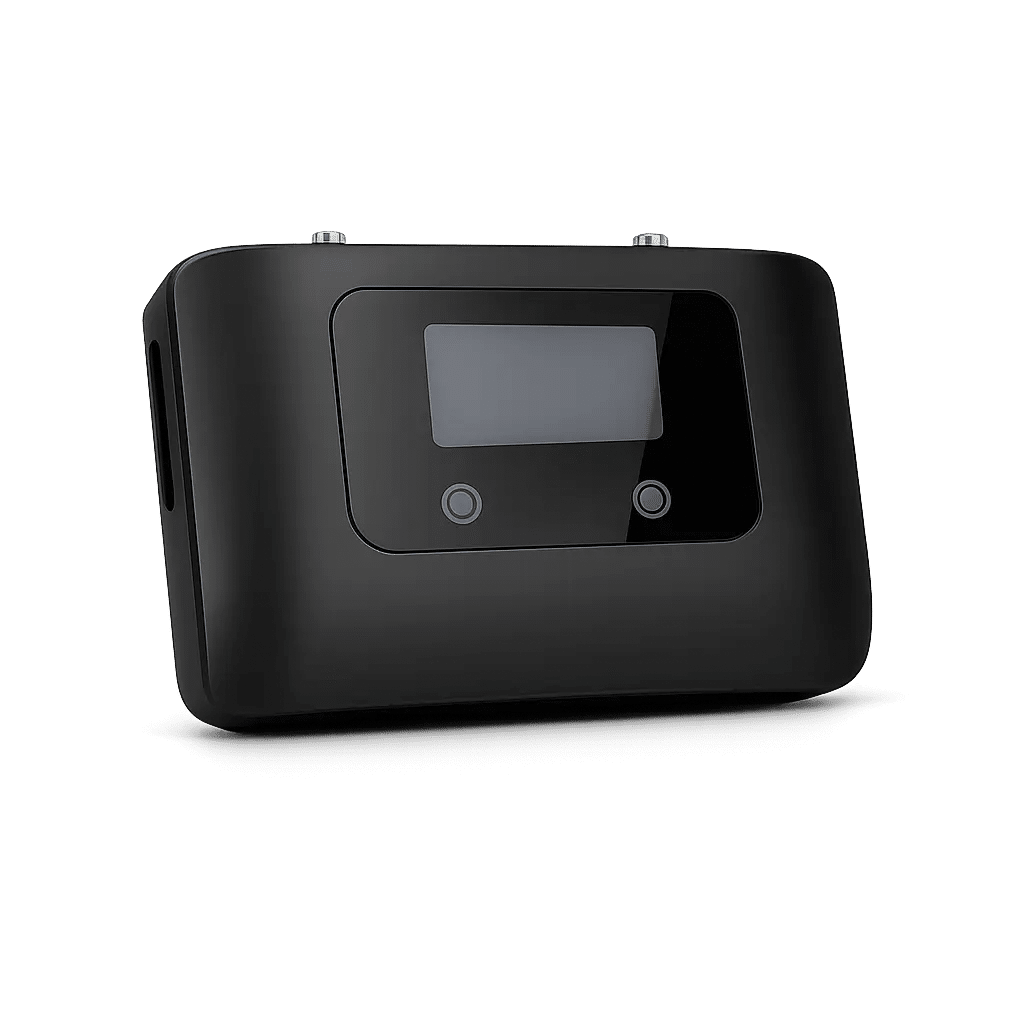
Coverage: 300 SQM
Ideal for: Home


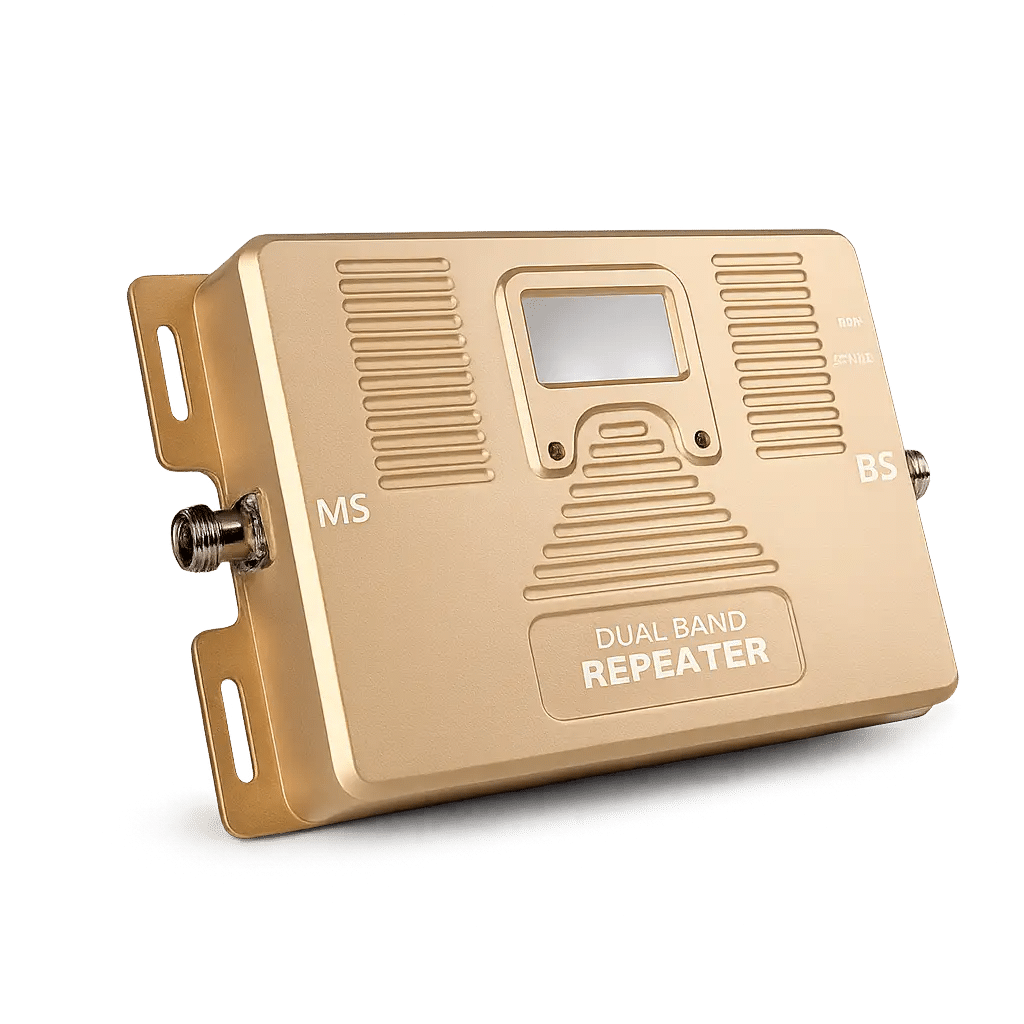
Coverage: 500 SQM
Ideal for: Medium Offices, Studios, And Homes

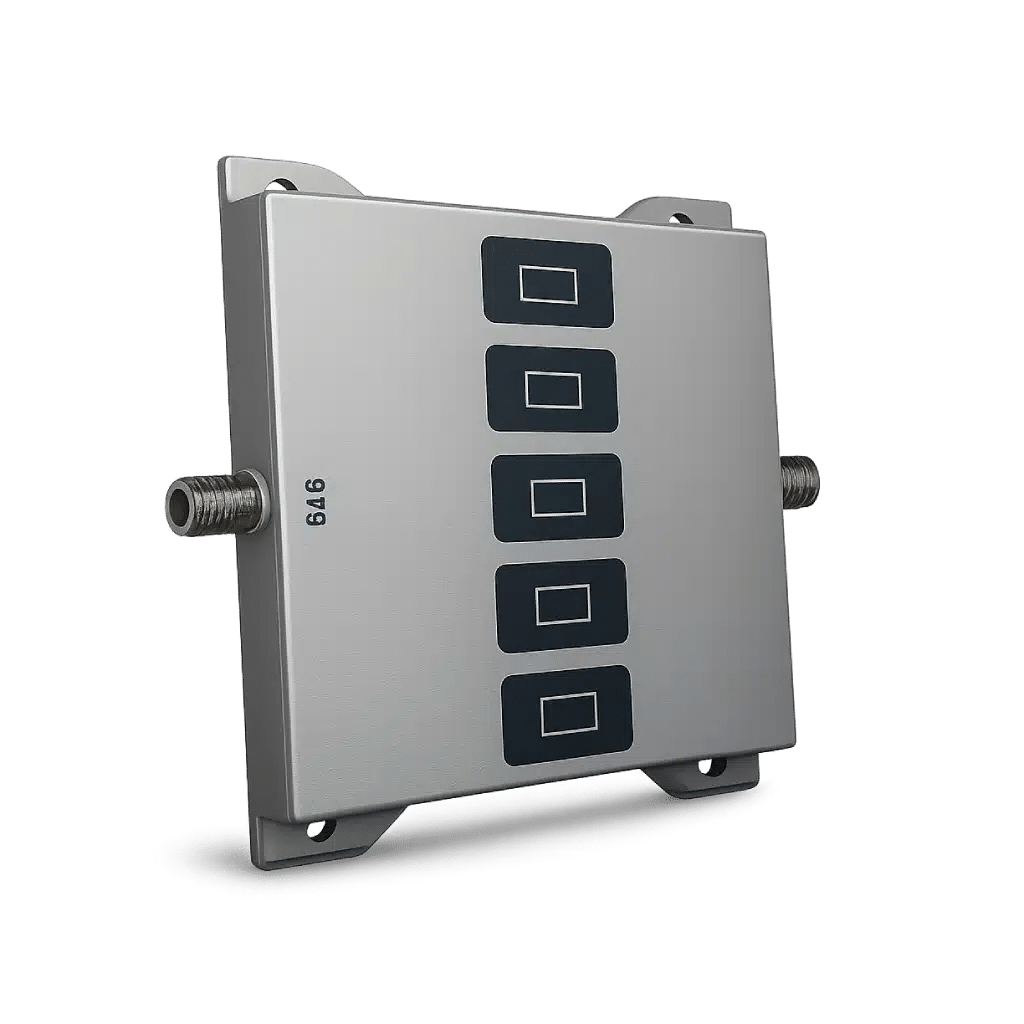
Coverage: 300 SQM
Ideal for: Home

Coverage: 1000 SQM
Ideal for: Hotel
