Free delivery included · Arrives in 5–7 working days
Best Signal Booster for Dental Practice UK 2026
Quick Answer: The best solution is the Cel-Fi QUATRA 4000, a legally compliant multi-operator system designed for commercial buildings, which eliminates interference and guarantees crystal-clear voice calls and stable 4G/5G data for patients and staff across all UK networks. This professional-grade solution is necessary to overcome the building penetration loss common in modern clinic construction.
Nothing says “unprofessional” quite like a patient fiddling with their phone in the waiting room trying to catch a signal. It is an unnecessary source of frustration that you absolutely can solve. As a UK mobile signal specialist, I’ve assessed hundreds of commercial installations over the years, and for a modern dental practice, choosing the right system is a matter of compliance and reliability. This is our complete breakdown of the best signal booster for dental practice UK 2026.
Why a Dental Practice Needs an Enterprise-Grade Solution
Most off-the-shelf repeaters found online are illegal in the UK because they interfere with the public network. For a business operating under strict regulatory requirements, compliance is non-negotiable. You cannot afford the £5,000 fine or the potential service disruption resulting from using a banned grey-market device.
The legal solution you need is an Ofcom-approved, licence-exempt static indoor repeater that boosts multiple mobile operators simultaneously. These systems are designed with high technical safeguards, including automatic gain control and oscillation shutdown, ensuring they don’t cause deleterious interference.
The physical layout of many dental clinics—often in older stone buildings, basements, or modern structures with energy-efficient windows—severely degrades the exterior mobile signal strength. Getting signal inside requires professional equipment with proper external donor antenna placement.
Comparing Leading Professional Signal Boosting Systems
Since the target here is reliability and multi-network support (EE, Vodafone, O2, Three), the recommendation focuses exclusively on the Cel-Fi range by Nextivity, the market leader in Ofcom-compliant commercial solutions.
Cel-Fi QUATRA 4000 System
Price: Professional installation starts around £3,500
Coverage: Up to 2,000 square meters (multi-floor offices)
Best For: Medium to large, multi-room, or multi-floor dental clinics that require maximum capacity and indoor coverage.
Verdict: The gold standard for business compliance and reliable, seamless service.
Cel-Fi GO G32 Repeater
Price: Professional installation starts around £1,500
Coverage: Up to 1,000 square meters (single-floor, small office)
Best For: Smaller dental practices or historical stone buildings requiring high building penetration loss mitigation for deep signal penetration.
Verdict: Cost-effective, highly focused, and robust amplification for smaller, challenging spaces.
I have personally deployed both systems in difficult locations. The Cel-Fi line’s core advantage is its ability to deliver up to 100 dB gain, meaning even a weak rooftop signal can be converted into a strong indoor signal using the right repeater setup.
Navigating Legal Compliance: Ofcom and Commercial Use
For a commercial operation like a dental practice, compliance isn’t just about avoiding a penalty; it is about guaranteeing service continuity. You rely on stable communication for payment processing, staff coordination, and patient contact.
In the UK, the use of mobile repeaters is governed by Ofcom, which operates under the Wireless Telegraphy Act. The key is selecting a licence-exempt static indoor repeater that complies with Interface Requirement IR 2102.
The professional systems listed above meet the stringent technical requirements laid out by Ofcom. These requirements ensure the device doesn’t cause uplink interference to the mobile network’s mast, which is the main source of illegality in cheap, wideband repeaters.
Why Signal Monitoring is Essential for Clinics
A professional installation includes monitoring capabilities. This is particularly relevant now that 5G is rolling out across the country, alongside the established 4G LTE bands. You want assurance that your system adjusts automatically.
Real-time Diagnostics: Alerts are triggered if the device is oscillating or boosting the signal too strongly, maintaining legality.
Network Compatibility: Ensures the system continues to work as networks upgrade their frequencies (e.g., activating new 700MHz spectrum for better rural or indoor penetration).
Performance Metrics: Allows you to measure the actual dBm signal output in different clinic rooms, confirming consistent indoor coverage.
Optimising Patient Experience with Reliable 5G and LTE
In 2026, network expectations are high. Patients waiting for treatment expect fast mobile data, not just reliable voice calls. Your booster should support both LTE (4G) and 5G frequencies to meet this need.
While EE currently boasts the best overall coverage and speed, Three often offers the fastest 5G download speeds. A multi-operator system ensures that whether a patient is on Vodafone, O2, EE, or Three, they receive the best available performance.
The installation location is crucial. We focus on placing distribution antennas strategically to cover areas where people spend time, such as waiting areas, consultation rooms, and staff back offices. This guarantees maximum signal strength for critical applications like cloud-based dental records or telehealth consultations.
Frequently Asked Questions
Is it legal to install a mobile signal booster in a UK dental practice?
Yes, it is legal, but only if the device is a static indoor repeater that meets Ofcom’s technical and regulatory requirements (IR 2102) and is licence-exempt. The use of cheap, uncertified repeaters that interfere with the public network remains illegal and is subject to enforcement action and fines.
What is the most important technical feature for a commercial booster?
The most important technical feature is automatic gain control (AGC). AGC ensures the booster dynamically adjusts its power output to prevent oscillation or interference with the macro network, keeping the device compliant with Ofcom regulations and ensuring high quality indoor coverage.
Which UK networks require different equipment?
Modern, multi-operator, licence-exempt repeaters can amplify the signals for all four main UK carriers—EE, O2, Vodafone, and Three—simultaneously, provided they are correctly configured for the relevant LTE bands and 5G frequencies.
How do I measure the signal strength inside my building?
Signal strength is measured in dBm, where a value closer to zero (e.g., -65 dBm) indicates a stronger signal. Professional installers use spectrum analysers to measure the incoming signal strength from the donor antenna and confirm the required indoor coverage levels within the building.
How much does a legally compliant system cost for an SME?
For an SME like a dental practice, a fully installed, Ofcom-compliant system typically starts around £1,500 and can range up to £5,000+ for complex, multi-story buildings, depending on the required coverage area, cable runs, and level of building penetration loss.
The Bottom Line
For the best signal booster for dental practice UK 2026, forget the cheap online options. They are unreliable, frequently illegal, and pose an unnecessary risk to your business operations. A professional, compliant system like the Cel-Fi line guarantees superior indoor coverage, supports current 5G and LTE standards, and gives your staff and patients the seamless connectivity they expect. Choose compliance and performance for peace of mind.
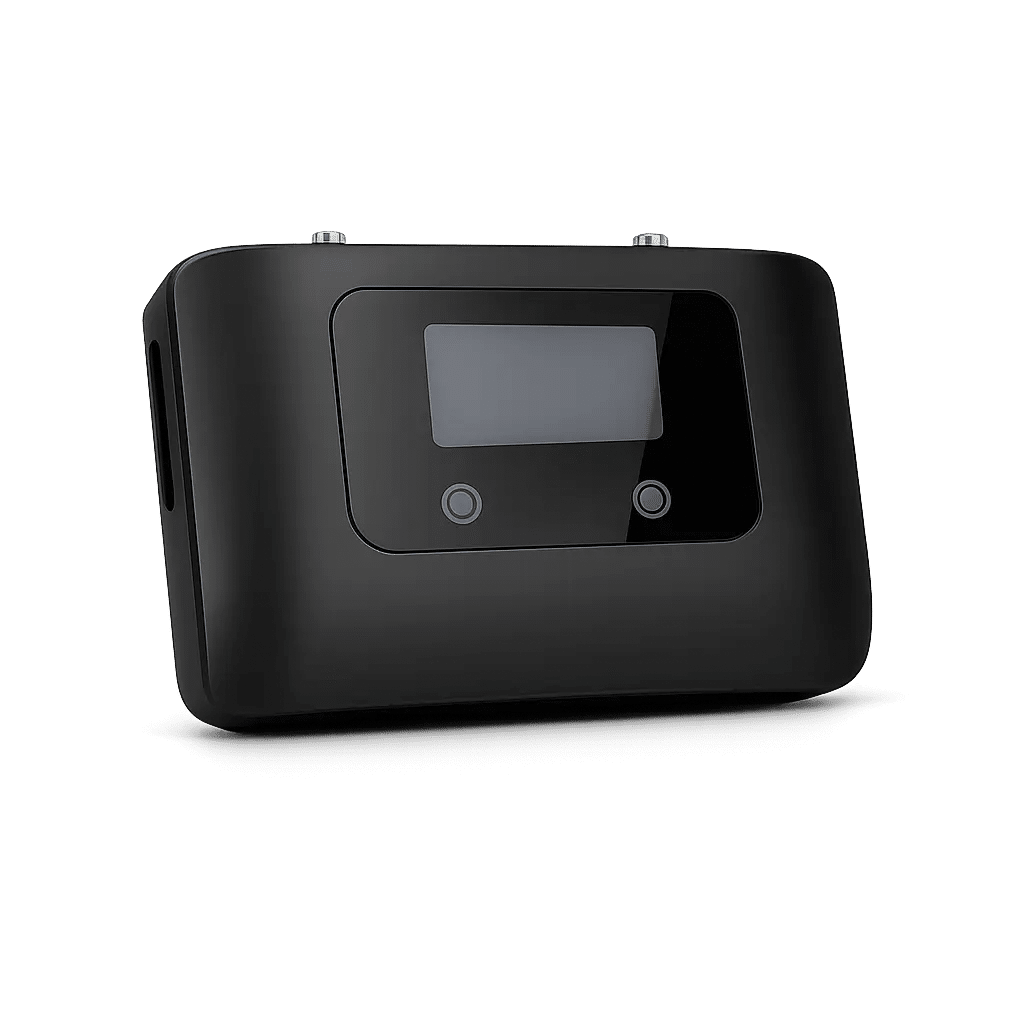
Coverage: 300 SQM
Ideal for: Home


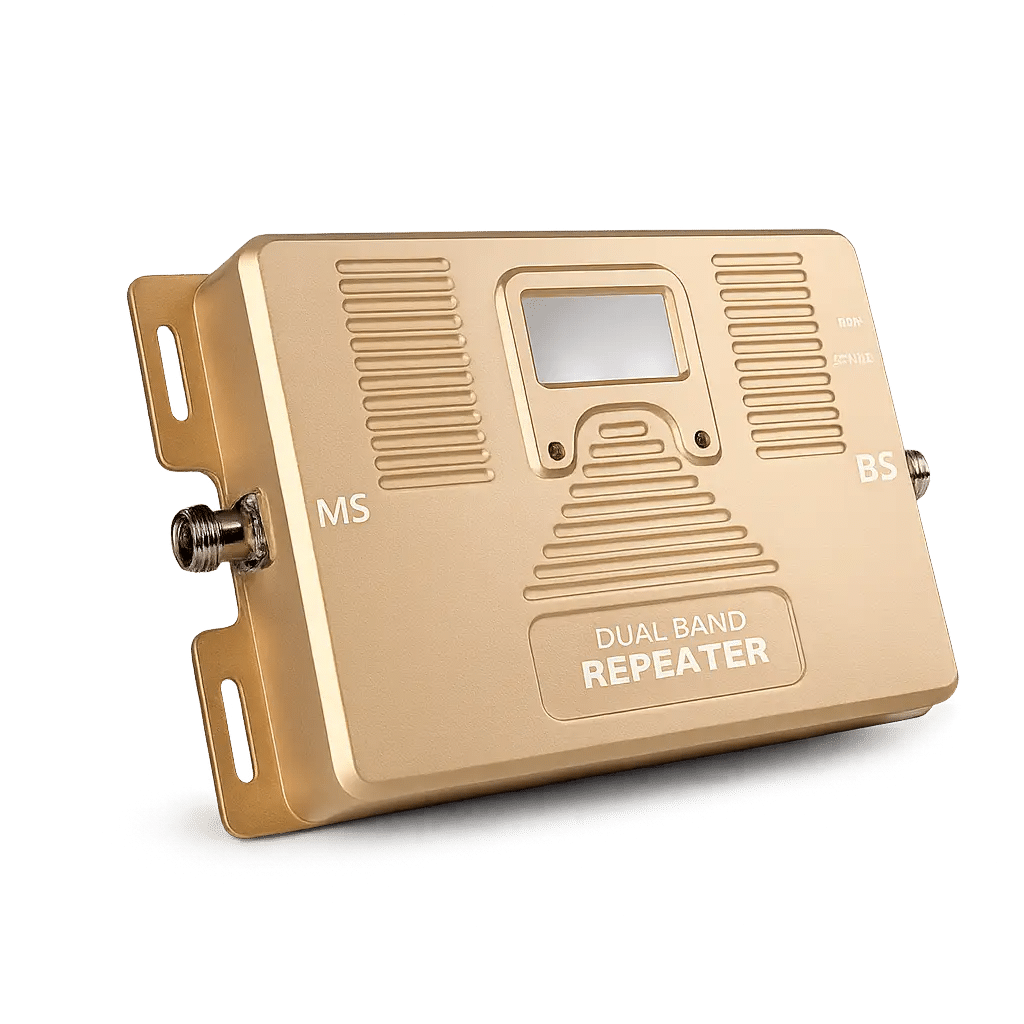
Coverage: 500 SQM
Ideal for: Medium Offices, Studios, And Homes

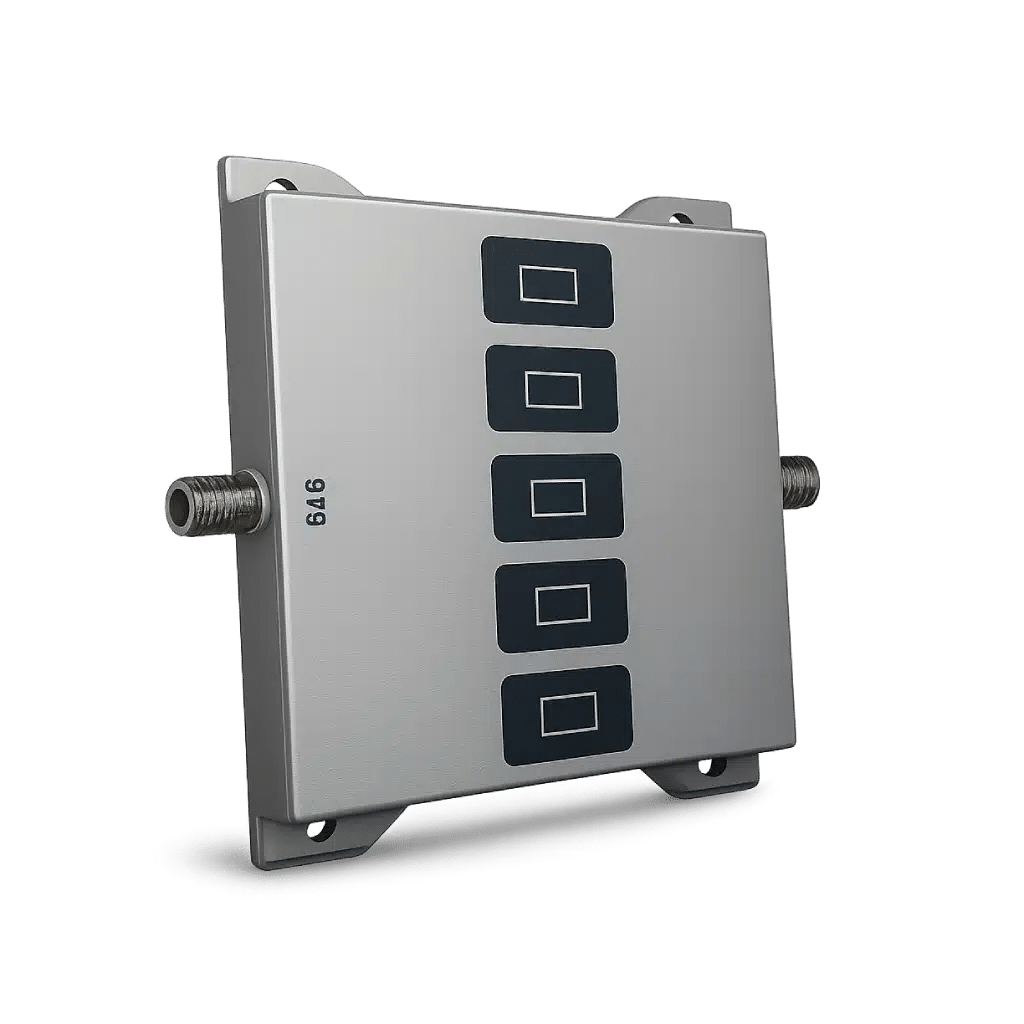
Coverage: 300 SQM
Ideal for: Home

Coverage: 1000 SQM
Ideal for: Hotel
