Free delivery included · Arrives in 5–7 working days

The Best Signal Booster for Historic Buildings UK 2026
Quick Answer: The only reliable way to fix signal in a historic building is using an Ofcom-compliant, license-exempt static indoor repeater that meets IR2102 technical standards. These systems must be paired with high-gain directional donor antennas to overcome extreme building penetration loss caused by dense stone walls.
You live in a beautiful property. It has character, history, and walls thick enough to withstand a siege. Unfortunately, those same walls are also exceptionally good at stopping radio waves dead in their tracks. In my 12 years as an RF engineer, I have seen far too many people try to fix this with cheap, illegal amplifiers from the internet. You end up with a device that does not work, risks a £5,000 fine, and might even be seized by Ofcom. It is time to treat your connectivity with the same respect you give the architecture.
Why Historic Buildings Are Signal Graveyards
Physics is stubborn. When you try to push a mobile signal through three feet of limestone or granite, you are fighting a losing battle. This is known as building penetration loss. The signal enters your home, hits a wall, and simply loses all its energy.
The most common mistake is assuming that “more power” fixes this. You cannot just blast the signal harder. You need to capture the signal from the outside, where it is still strong, and bring it inside through a dedicated system. Using a cheap, non-compliant booster will only cause interference for your neighbours. It will likely force your phone to hunt for a signal that is not there, which kills your battery faster than a winter storm.
Understanding the Legal Requirement: IR2102
Before you spend a penny, look for the letters “IR2102”. This refers to the UK Interface Requirement 2102 set by Ofcom. If a device does not state it is IR2102-compliant, do not touch it. These legal repeaters include technical safeguards like Automatic Gain Control (AGC). They are designed to prevent the feedback loops that cause those annoying network interruptions.
A legal repeater is a smart repeater. It communicates with the mobile network operator’s mast and adjusts its output automatically. If you buy from a reputable UK retailer, you are safe. If you buy from a global marketplace that ships from halfway around the world, you are rolling the dice with your bank account and the law.
Selecting the Right Equipment for Your Property
Your choice of hardware depends on the size of your property and the external signal strength. You should measure your signal strength in decibel-milliwatts (dBm) rather than relying on the bars on your screen. Bars are essentially a marketing suggestion, while dBm is the truth.
Entry-Level Systems
These are typically suitable for small, 1-2 room flats or cottage sections where the outdoor signal is already decent. You can expect to pay around £275 for a compliant kit. They are not powerful enough to punch through massive external stone walls.
Mid-Range Multi-Band Repeaters
This is the workhorse for standard semi-detached homes or smaller detached houses with thick walls. These typically retail around £450. They offer enough gain to cover several rooms, provided you have placed your external antenna correctly.
High-Gain 5G/MIMO Systems
If your building is truly massive, or your external signal is worse than -95 dBm, you need a high-gain directional system. These start at £600 and go up depending on the complexity of the installation. They support MIMO technology, which is essential if you have multiple people trying to stream data at the same time.
Professional Ultra-Max Systems
For very large historic estates or commercial venues like museums and hotels, you need a professional-grade system. Prices can range from £850 to over £1,650. These systems offer 100 dB gain and are designed to cover large square footage, penetrating deep into the centre of reinforced structures.
Installation: The Art of the Antenna
The secret to a successful installation is not just the booster box itself, but the donor antenna you place outside. For a historic building, you must treat this with precision.
You need a directional Yagi or Log-Periodic antenna. Mount this as high as possible on your roof or a chimney stack. Point it directly at the nearest mast. If you point it at the ground or a stone wall, it will not work. You are trying to bypass the building’s shell entirely by grabbing the signal in the clear air above your roofline.
Do not use omnidirectional antennas for this. Omnidirectional antennas are fine for open spaces, but in a challenging historic building, they just collect noise and interference. A directional antenna acts like a telescope for your mobile signal, focusing on the specific frequency bands you need.
Managing Expectations in 2026
The mobile landscape is changing. Networks are sunsetting older 2G and 3G services to make room for 5G. When buying your booster, ensure it is 5G-ready and supports a wide range of LTE bands. You do not want to buy a system today that becomes obsolete in two years.
Also, check your network operator’s coverage map before you commit. While a booster can improve your signal, it cannot create a signal out of thin air. If there is zero signal outside your house, you might need a different solution, such as a satellite-based system or a wired internet-based calling service. However, if you have even a faint hint of signal outside, a high-gain booster is usually the answer.
Frequently Asked Questions
Can I install a mobile signal booster in a listed building?
Yes, you can, provided it is a license-exempt static indoor repeater that meets IR2102 standards. However, you must ensure your external antenna installation complies with local planning regulations regarding aesthetic changes to the exterior of the property. Always check with your local authority if you are unsure about drilling or mounting equipment on the exterior walls.
How much should I expect to pay for a legal signal booster?
You should budget between £275 for entry-level kits and upwards of £850 to £1,650 for professional-grade systems for large properties. Avoid anything priced significantly lower, as cheap, “unbranded” boosters are almost certainly illegal and will likely cause network interference.
Do I need a professional to install the signal booster?
For smaller residential setups, you can often do it yourself if you are comfortable with basic tools and antenna aiming. However, for large, historic properties or complex layouts, professional installation is strongly recommended to prevent feedback loops and ensure optimal antenna alignment.
What is the most common cause of poor signal in old homes?
The primary cause is building penetration loss due to dense materials like stone, thick brick, and leaded glass, which act as a Faraday cage. These materials absorb the radio frequency energy before it can reach your device inside.
Which mobile networks are compatible with these boosters?
Most high-quality, Ofcom-compliant repeaters are multi-band devices that support all major UK mobile networks, including EE, O2, Three, and Vodafone, simultaneously. Since most MVNOs (like Smarty or Lebara) run on these major networks, they are also covered.
The Bottom Line
Fixing your mobile signal in a historic building is an engineering challenge, not a game of chance. You must bypass the physical barrier of your stone walls using a certified, IR2102-compliant repeater system and a precision-aimed directional antenna. Do not gamble with cheap, grey-market gadgets that can land you with a fine. Invest in the right hardware once, and you will have stable, reliable coverage for years to come. To browse our range of certified solutions, visit MySignalBoosters.com.
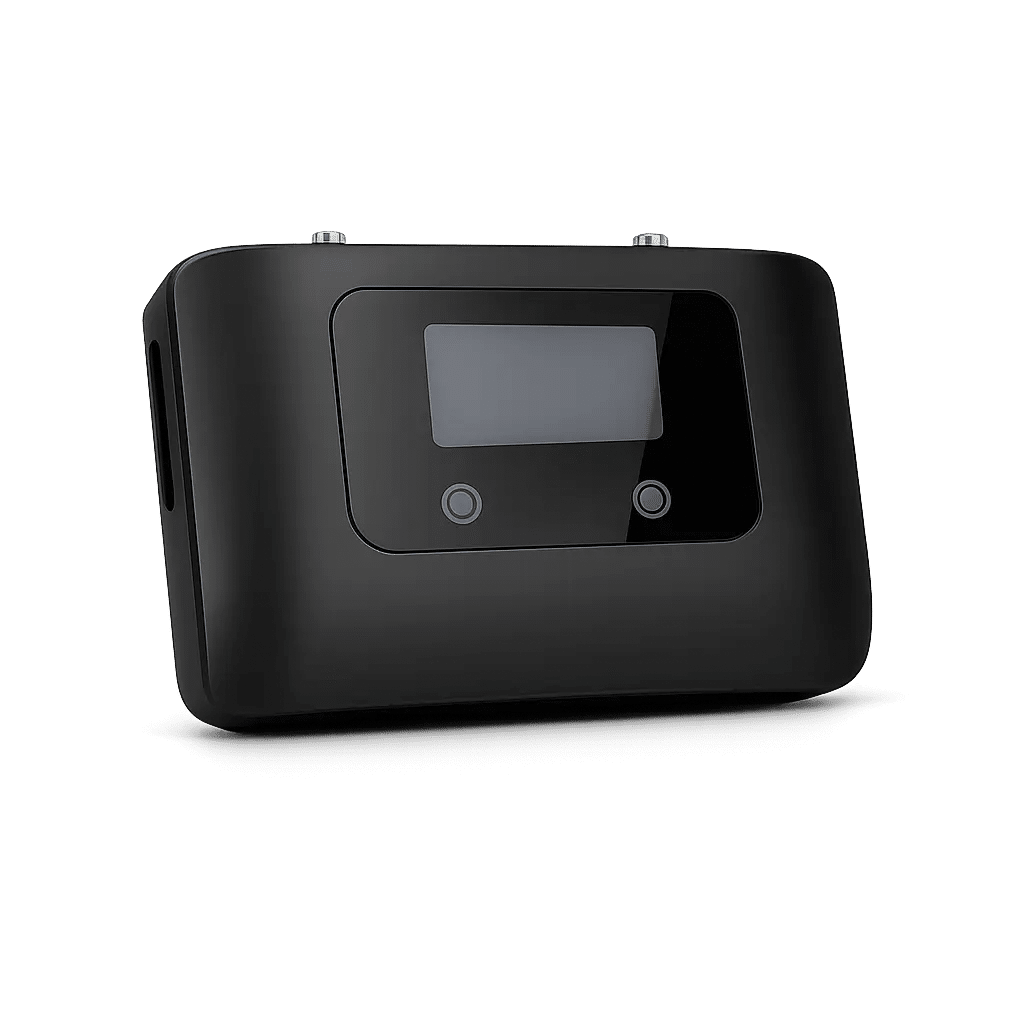
Coverage: 300 SQM
Ideal for: Home


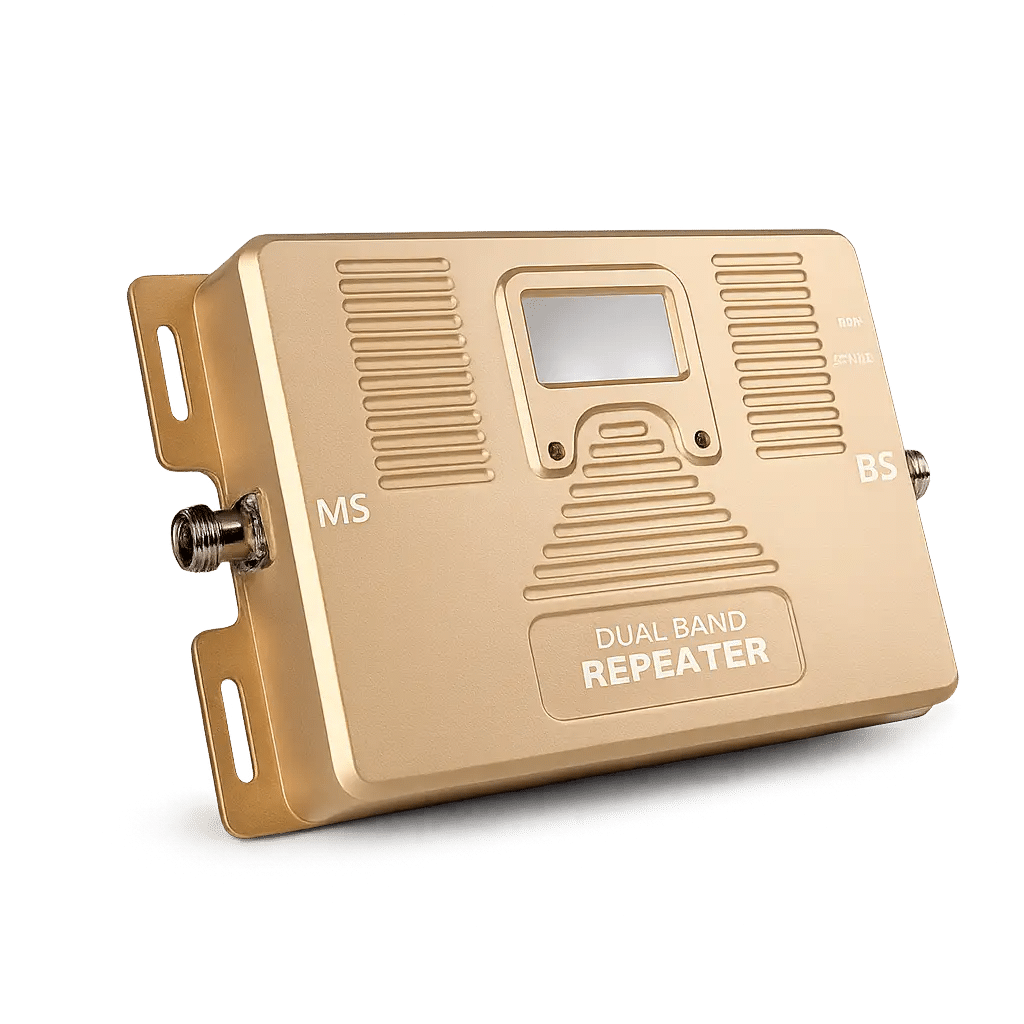
Coverage: 500 SQM
Ideal for: Medium Offices, Studios, And Homes

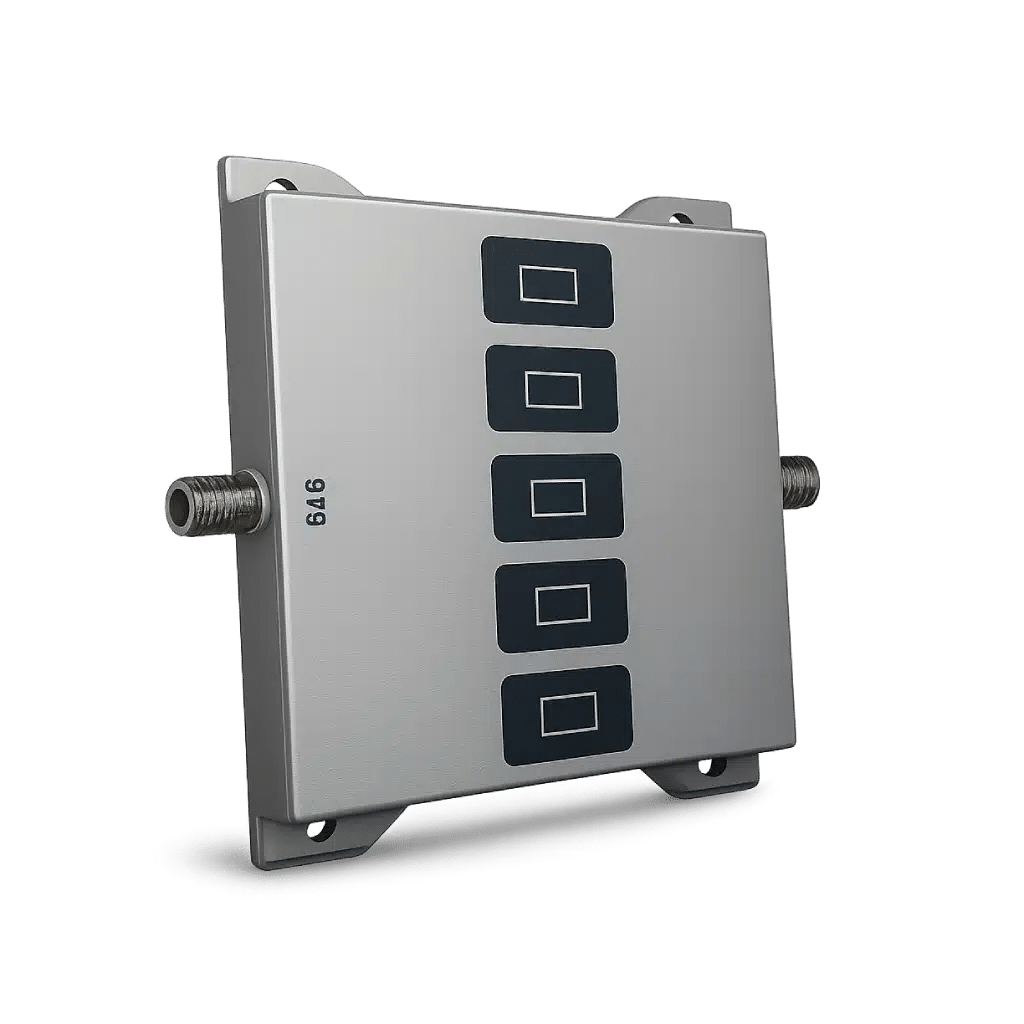
Coverage: 300 SQM
Ideal for: Home

Coverage: 1000 SQM
Ideal for: Hotel
