Specialists in Amplifying Voice & Data Signals for all UK Carriers
LIMITED TIME: 10% OFF ALL BOOSTERS.Ends Soon!

The Best Signal Booster for Hotel Receptions (UK 2026)
Quick Answer: The best signal booster for a hotel reception in the UK in 2026 is a professional-grade, Ofcom-compliant static indoor repeater, typically the Cel-Fi GO G41, due to its ability to boost all four UK mobile networks (EE, Vodafone, O2, Three) simultaneously and use high gain (up to 100 dB) to overcome severe building penetration loss. This system ensures reliable 4G and 5G connectivity for guests checking in and using common areas.
The hotel business thrives on minimal friction. When guests struggle to check email or use an eSIM at the front desk, that tiny technical snag sours the entire arrival experience. Forget the cheap repeaters you see advertised online. Most of them are illegal and useless in a commercial setting. Fixing signal for a large, multi-network environment like a hotel requires a serious, professional solution that complies with strict UK regulations.
Choosing an Ofcom-Compliant System
In the UK, using nearly all generic mobile signal boosters is illegal because they create harmful interference to licensed mobile networks. The only devices permitted for commercial use and self-installation must be “license-exempt static indoor repeaters” that strictly adhere to Ofcom Interface Requirement 2102 (IR 2102). These systems are Network-Safe, meaning they intelligently monitor and regulate their power output, protecting the stability of the EE, O2, Vodafone, and Three networks.
For a high-traffic area like a hotel reception, you need a multi-carrier system that can handle simultaneous voice and high-speed LTE and 5G data. The coverage area, measured in square meters, and the external signal strength (in dBm) will dictate the model and complexity of the required installation. You should plan for a system designed for over 1,000 square meters if the reception is a large, open-plan area or includes adjacent lounge space.
| Product | Price | Coverage | Best For | Verdict |
|---|---|---|---|---|
| Cel-Fi GO G41 | typically £1,300–£1,600 | Up to 3,000 sq m | Maximum performance, rural hotels, multi-floor | Unrivalled 100 dB gain for converting extremely weak external signals |
| Pro Tri-Band System | typically around £1,200 | Up to 1,000 sq m | Dedicated reception/lobby areas, urban buildings | Reliable, multi-band amplification for high-traffic zones |
| Cel-Fi SOLO | typically £600–£850 | Up to 1,500 sq m | Small boutique hotels, single network priority | Cost-effective choice if only one network requires boosting in the area |
2026 Network Requirements and 5G Support
By 2026, all four major UK mobile network operators—EE, Vodafone, O2, and Three—have achieved near 99% 4G population coverage. However, 5G deployment, which is crucial for modern high-speed data needs, remains a variable. Your chosen repeater system must be capable of boosting the new 5G bands to be future-proof.
The current 5G landscape shows EE leading the field in geographical rollout, covering over 100 towns and cities. Interestingly, Three holds the fastest average 5G speed at 210 Mbps due to its large mid-band spectrum holdings, despite having a smaller 5G footprint than EE. This means guests using Three might be slowed down by inadequate indoor coverage even in a fast 5G area.
A hotel solution needs to support the low-frequency bands (700–900 MHz). These frequencies travel further and penetrate thick hotel walls, concrete, and large reception windows most effectively, minimising building penetration loss. Ensure your system specifies multi-band or tri-band support for maximum compatibility.
The Importance of Professional Installation
Installing a commercial-grade signal booster is not a DIY task. In my 12 years as an RF engineer, Ive found that even compliant hardware can be rendered useless—or worse, illegal—by poor installation. The system relies on a clean signal being fed from an outdoor donor antenna to the indoor repeater.
This requires precision engineering, including:
Measuring the external signal accurately in dBm (decibel-milliwatts) to determine optimal antenna placement.
Calculating the required gain (power) to overcome the hotels structural materials.
Ensuring the donor antenna is isolated from the indoor broadcast antennas to prevent oscillation (feedback).
Many companies offer a professional site survey, typically costing around £295 plus VAT. This fee is almost always deducted from the final price if you proceed with the installation, making the initial assessment free in the long run. Getting this step right is the difference between a functional, legal system and an expensive paperweight.
Frequently Asked Questions
Is it legal to install a signal booster in a UK hotel?
Using most generic signal boosters is illegal in the UK because they cause network interference. It is legal, however, to install and operate a license-exempt static indoor repeater that complies with Ofcoms IR 2102 technical standards, such as those in the Cel-Fi series.
What is the most crucial technical specification for a commercial booster?
The most crucial technical specification is the maximum available gain, measured in dB. For large commercial spaces like hotels, you need a high-gain system, typically offering 100 dB, to overcome significant building penetration loss from concrete and steel.
How much should a commercial hotel signal booster system cost?
The price for a legal, reliable commercial signal booster system for a large area (up to 1,000 sq m) typically retails around £1,200 to £1,600, plus installation costs. Pricing varies based on the coverage area, number of floors, and whether you require multiple indoor broadcast antennas for better indoor coverage.
What happens if I use an illegal repeater and Ofcom finds out?
If you use a non-compliant or illegal repeater, Ofcom can require you to shut down the equipment, remove it, or face fines up to £5,000 and mandatory confiscation. Non-compliant devices risk enforcement action and can degrade service quality for surrounding properties.
Do I need to worry about 5G coverage when choosing a booster?
Yes, you should ensure your chosen booster supports the necessary 5G frequency bands to future-proof your installation. While 4G provides foundational signal, 5G is necessary for the high-speed data and capacity required for busy hotel receptions in 2026.
The Bottom Line
Don’t gamble your guest satisfaction scores on substandard mobile signal. For commercial environments like a hotel reception, legality is paramount, and the necessary solution is a high-gain, Ofcom-compliant static indoor repeater system. Stop relying on the whims of low-band LTE and invest in reliable indoor coverage.
Find the right Cel-Fi solution and book your required site survey today by visiting MySignalBoosters Commercial Solutions.
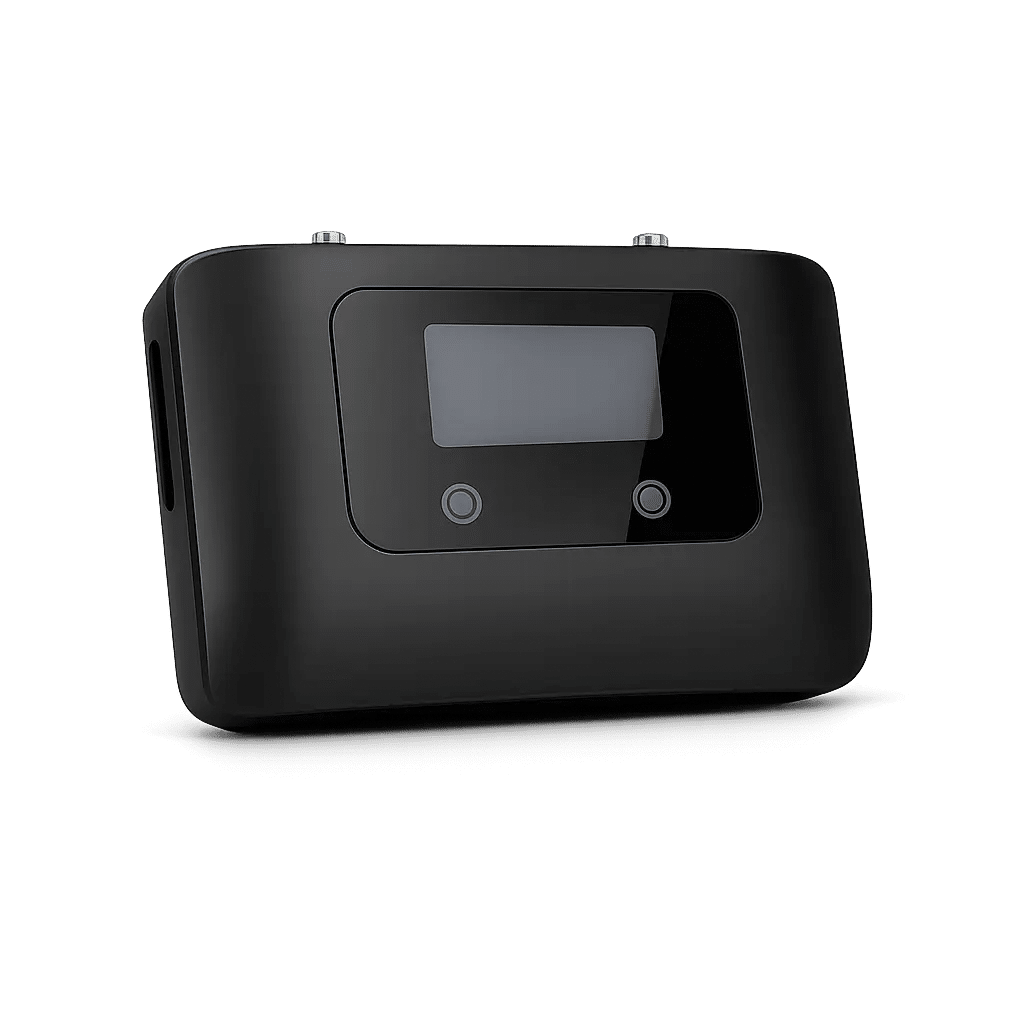
Coverage: 300 SQM
Ideal for: Home


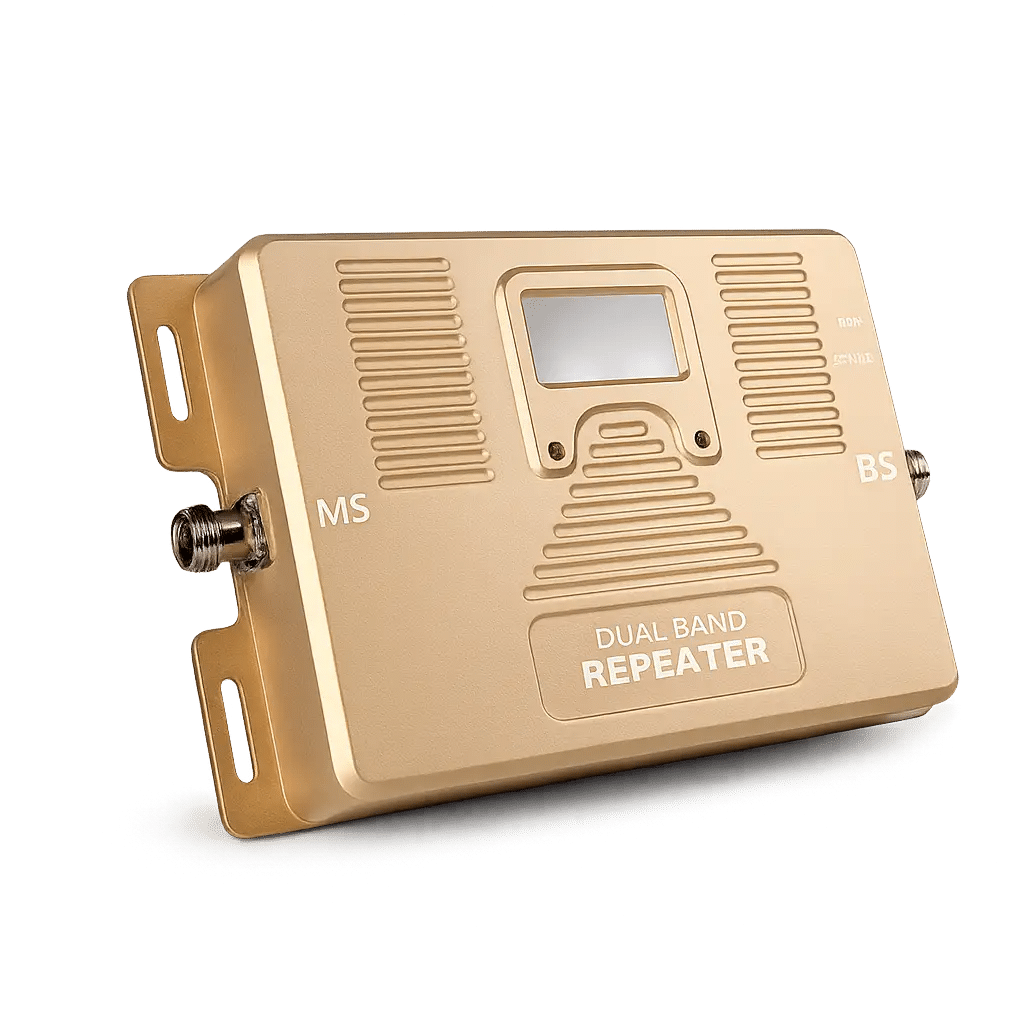
Coverage: 500 SQM
Ideal for: Medium Offices, Studios, And Homes

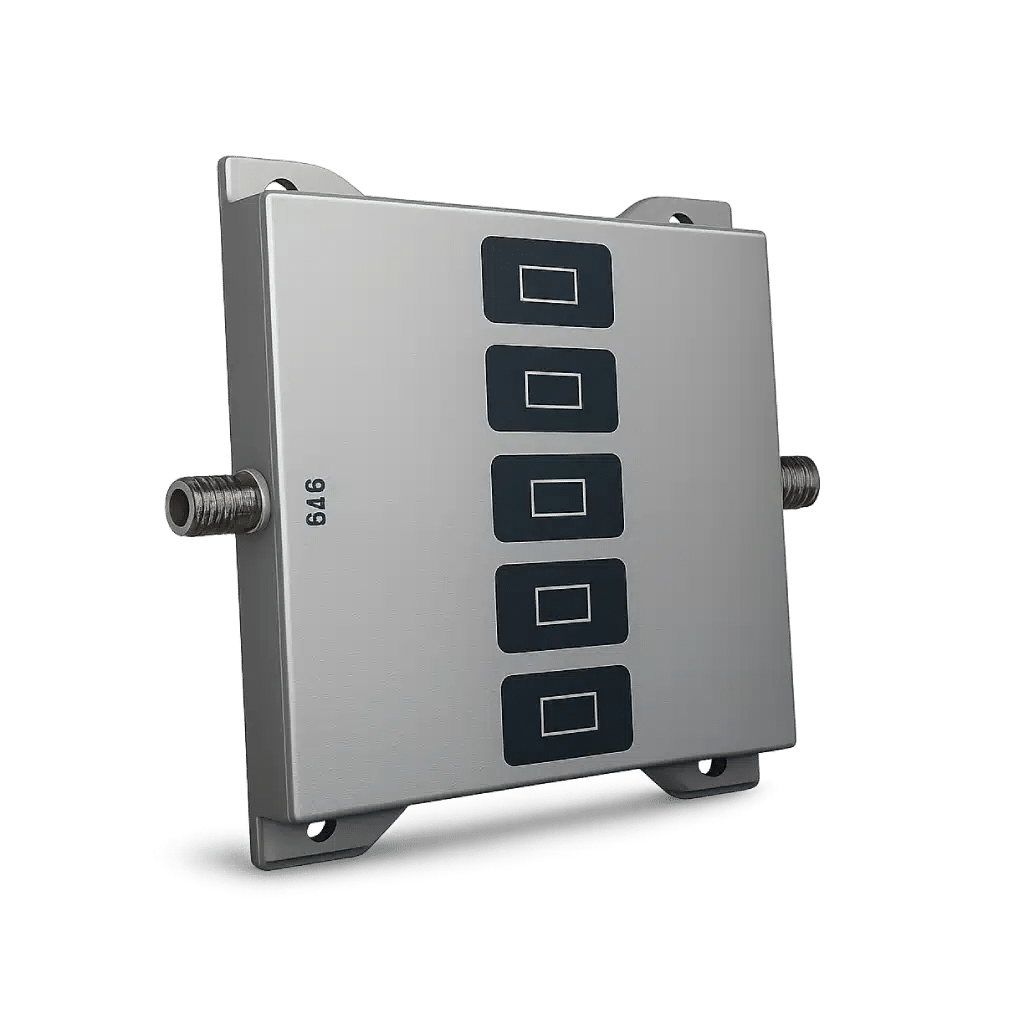
Coverage: 300 SQM
Ideal for: Home

Coverage: 1000 SQM
Ideal for: Hotel

©Copyright 2026 SignalBoosters. All Right Reserved
