Free delivery included · Arrives in 5–7 working days

Best Signal Booster for Vehicles in Urban Canyons UK 2026
Quick Answer: To legally boost mobile signal in a vehicle within UK urban environments, you must use a dedicated, Ofcom-compliant low-gain in-vehicle repeater. Avoid cheap, non-compliant wideband amplifiers found on marketplaces, as they cause network interference, trigger Ofcom fines up to £5,000, and are legally prohibited for use in moving vehicles.
Driving through a modern city centre is a masterclass in frustration. You are trapped in a metallic and glass-clad box, surrounded by concrete skyscrapers that effectively turn your route into an urban Faraday cage. Your phone desperately hunts for a signal, switching frantically between 4G and 5G, while your battery drains faster than your patience.
After 12 years of installing RF solutions, I have seen every variety of “dead zone” imaginable. Physics is non-negotiable; building materials like steel, concrete, and low-emissivity glass kill your signal dead. If you need to stay connected while navigating city streets, you need a system that plays by the rules and actually works.
Why Your Car Signal Dies Between Skyscrapers
Urban canyons are not just visually imposing; they are an RF nightmare. When you are flanked by massive structures, your phone’s line-of-sight to the nearest mobile mast is blocked or severely attenuated. You suffer from building penetration loss, but in reverse. The signal cannot bounce over the glass towers, so it drops.
Most people blame their mobile network. While some networks, such as EE, consistently rank higher for overall reliability in the UK, even the best network cannot bypass the laws of physics. Your phone is a low-power device. When it cannot “see” the mast, it screams for power to make a connection, fails, and leaves you staring at a “No Service” icon.
A compliant in-vehicle repeater acts as a bridge. It uses an external donor antenna to capture the weak signal outside the glass, amplifies it, and rebroadcasts it inside your vehicle cabin. This ensures your phone can maintain a stable handshake with the mast, even when you are boxed in by high-rises.
How to Choose a Compliant System
Do not be tempted by the “mini boosters” advertised on global marketplaces for under £150. These are frequently illegal, wideband amplifiers that create noise across the entire neighbourhood’s spectrum. Ofcom is very clear: using an illegal device can land you in serious trouble.
To stay on the right side of the law, ensure any system you purchase is Ofcom-compliant. Look for systems that are specifically marketed for vehicle use—these have different gain constraints compared to static home repeaters. You are looking for a unit that supports the correct frequency bands for your network (such as 800MHz, 1800MHz, or 2100MHz).
Recommended System Profiles:
Premium Multi-Band Repeater: Typically retails around £450 to £650. These are the gold standard for challenging urban terrain. They offer high-performance automatic gain control, which is essential when signal levels fluctuate rapidly as you turn corners between buildings.
Mid-Range In-Vehicle Kit: Typically retails around £300 to £400. A solid performer for standard commutes. It provides the amplification boost needed for clearer voice calls and stable 4G data, though it might struggle with the extreme signal degradation found in deep urban canyons.
Entry-Level Focused Kits: Typically retails around £200 to £300. Often limited to single-frequency usage. Only choose these if you are 100% certain of the specific frequency band your network uses in your area.
Installation Tactics for Urban Environments
If you think you can just throw the antenna on the dashboard and hope for the best, you are wrong. The installation is where real-world performance is won or lost.
The external donor antenna is the most critical component. It must be mounted at the highest possible point on the vehicle, ideally the roof. If you have a roof rack, use a mast extension to get above the metal bars. Metal is the enemy of radio frequency performance.
You must also maintain distance between your internal antenna and the external donor antenna to prevent a feedback loop, or oscillation. If they are too close, the system will effectively amplify its own noise and shut down to protect the network. A good installation keeps the internal antenna low, perhaps on the centre console or seat side, far removed from the roof-mounted antenna.
Frequently Asked Questions
Is it legal to use a signal booster while driving in the UK?
Yes, but only if the device is a dedicated, Ofcom-compliant in-vehicle repeater. Never use a static indoor booster in a car, as these are designed for different power profiles and are illegal to operate in motion.
How do I check if my booster is working?
Ignore the bars on your phone screen; they are notoriously unreliable UI suggestions. Instead, access your phone’s Field Test Mode to view the raw signal strength in dBm. A value of -85 dBm is excellent, while anything worse than -110 dBm suggests the booster is not successfully capturing a signal.
Do I need a specific booster for EE, Vodafone, O2, or Three?
Most modern, high-quality repeaters are multi-band devices that support all major UK mobile networks simultaneously. You do not need a brand-specific “EE booster” or “Three booster” if you buy a high-quality, compliant multi-band system.
Why does my signal drop when I enter a tunnel or thick urban canyon?
Your phone loses the line-of-sight to the cell tower. Boosters help mitigate this by pulling in the signal from the roof, but if there is absolutely no usable signal outside (e.g., in a deep underground tunnel), even the best booster cannot create a signal out of thin air.
Can I install these in my van or work truck?
Absolutely, and they are highly recommended for those using vehicles for work. Many vehicle boosters are built to withstand the rigours of the road, featuring durable mounts and weather-resistant external antennas, making them ideal for work vans that need to stay online in urban centres.
The Bottom Line
Fixing your mobile connectivity while driving through cities is about physics, not magic. If you are tired of losing calls or waiting for data in the middle of London or Manchester, stop blaming the network and look at your hardware. A high-gain, Ofcom-compliant in-vehicle repeater is the only way to effectively overcome the signal-blocking reality of modern architecture.
Measure your dBm, choose a system that meets your carrier’s frequency needs, and mount that antenna with care. For advice on the right kit for your vehicle, visit MySignalBoosters.com.
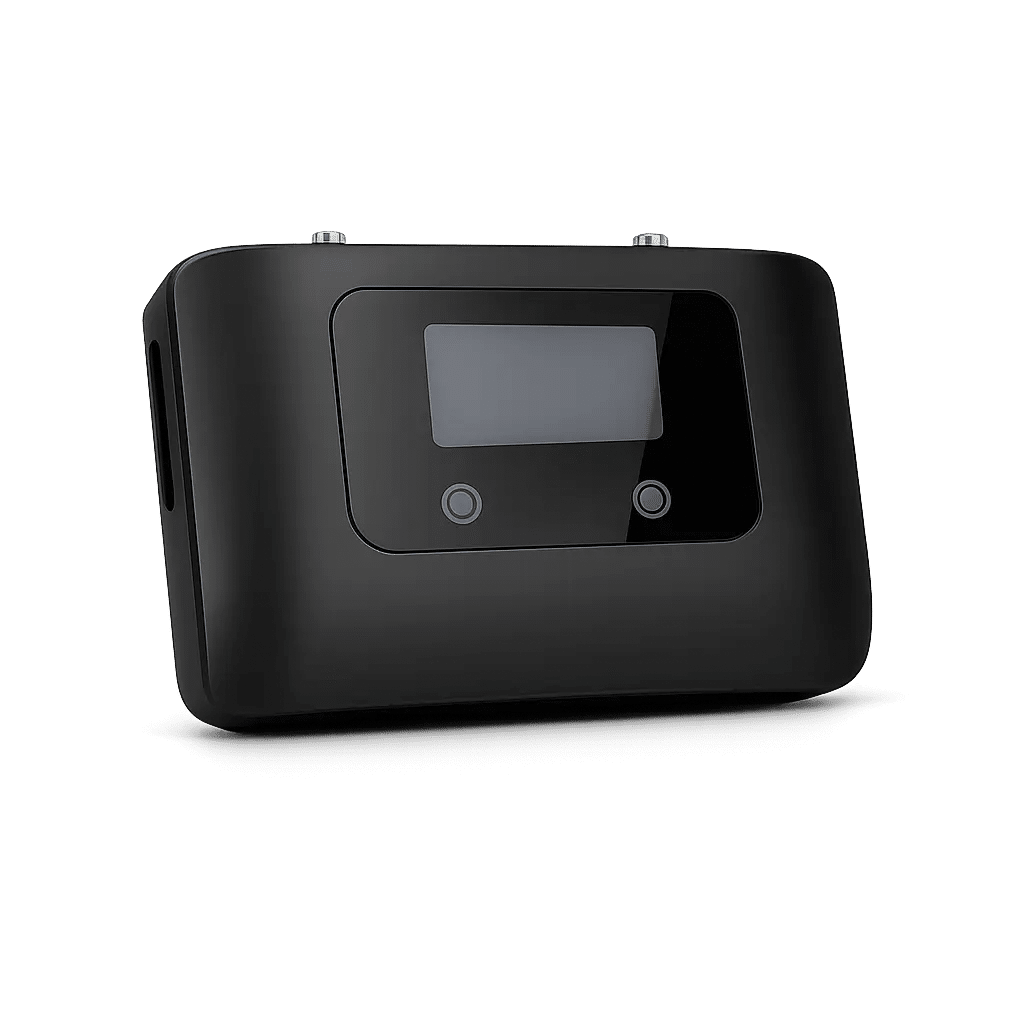
Coverage: 300 SQM
Ideal for: Home


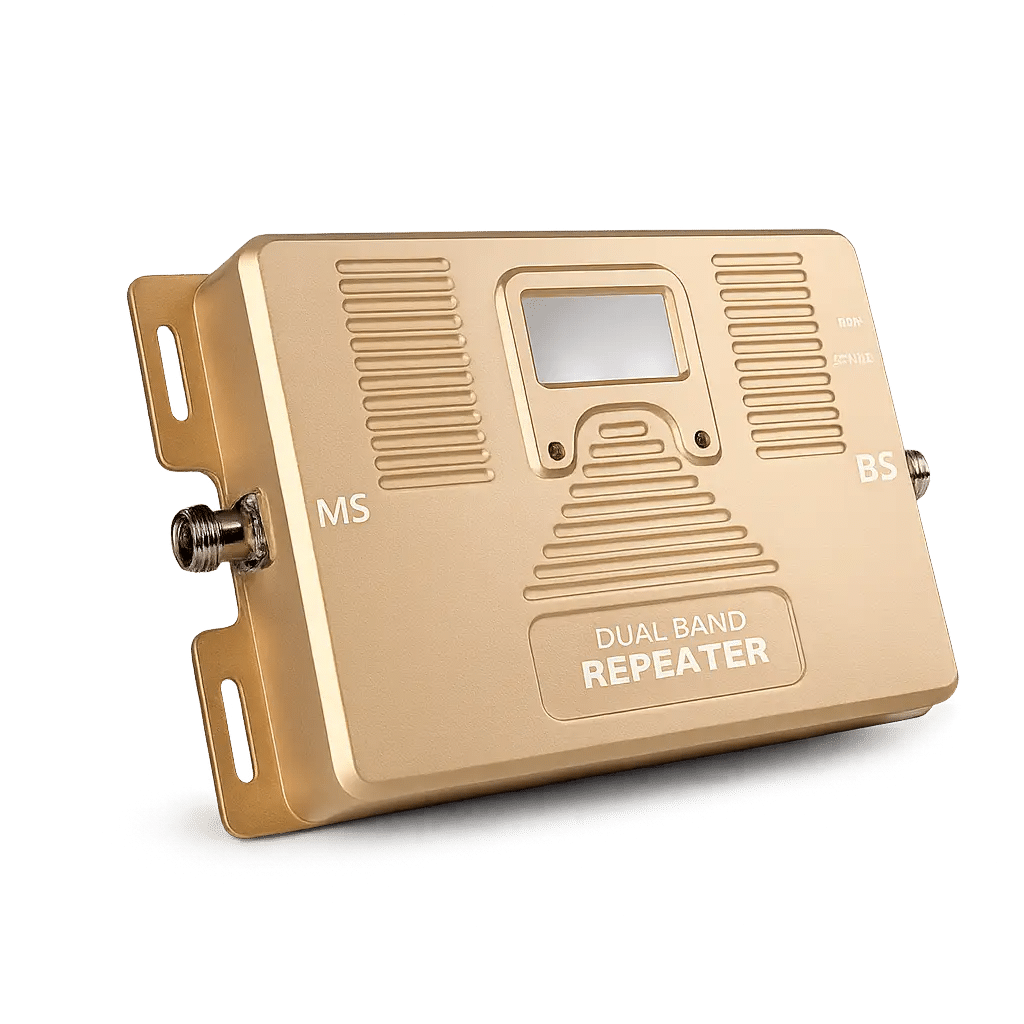
Coverage: 500 SQM
Ideal for: Medium Offices, Studios, And Homes

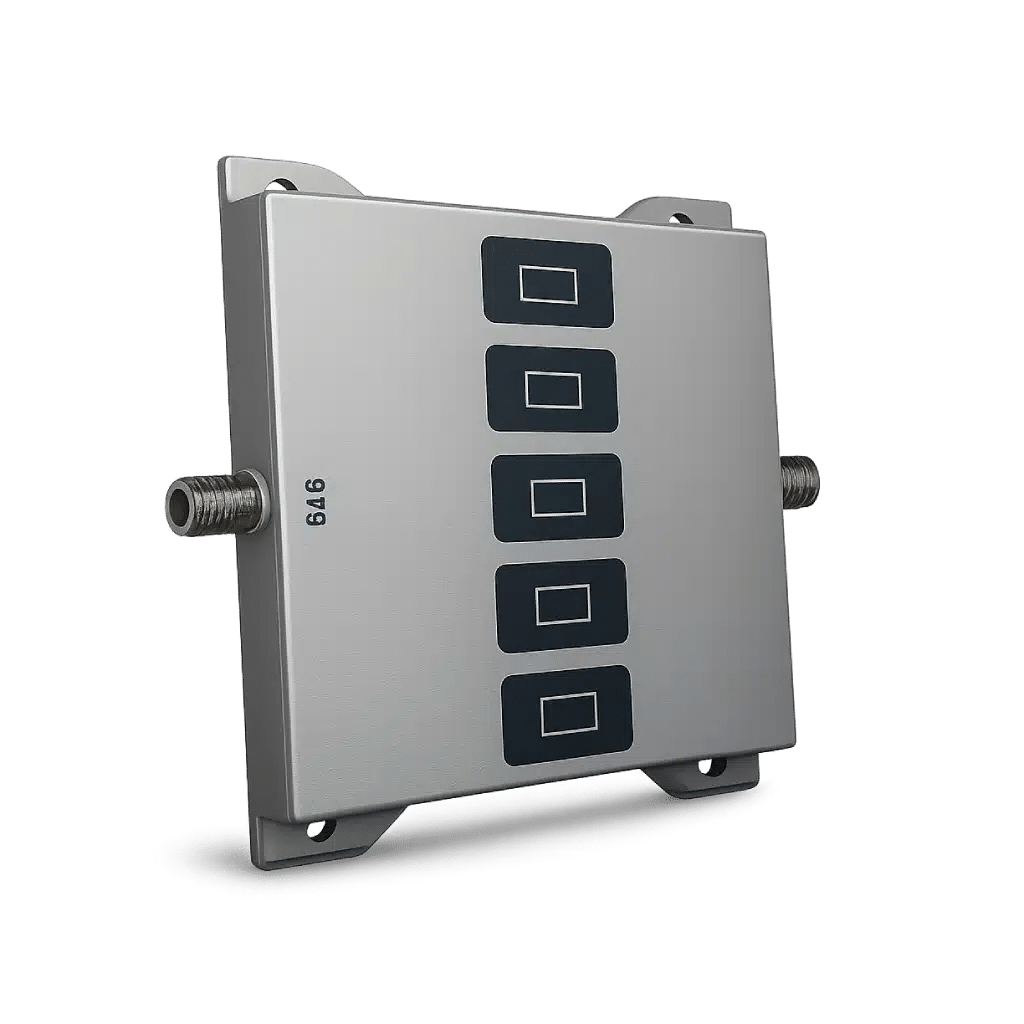
Coverage: 300 SQM
Ideal for: Home

Coverage: 1000 SQM
Ideal for: Hotel
