Free delivery included · Arrives in 5–7 working days
Shop Three signal boosters
Get a stronger Three signal at home or work. Delivery in 5-7 working days. 30-day returns.
The Best Three Network Signal Booster for 4G and 5G in the UK (2026)
Quick Answer: The most reliable and legal way to boost Three UK signal is with an Ofcom license-exempt static indoor repeater, such as the Cel-Fi GO or SOLO series. These devices are designed to amplify Three’s crucial low-frequency 700MHz and 800MHz bands, ensuring maximum wall penetration for stable 4G and 5G indoor coverage.
Three is building one of the UK’s fastest 5G networks, boasting a huge 140MHz spectrum block. So why does your phone signal constantly drop the moment you step inside? The culprit is almost always building penetration loss—your walls turn that powerful signal into dust. Finding the best Three network signal booster UK 2026 means choosing a device that is both legal and technically capable of tackling Three’s specific frequency stack.
In my 12 years as an RF engineer, I’ve seen countless people waste money on illegal, wideband boxes that cause more interference than they solve. The truth is simple: for reliable performance, you must use only network-specific, Ofcom-compliant hardware.
Choosing a Legal Three Network Repeater
Three relies on a broad mix of frequencies for its 4G and 5G services across the country. A generic booster simply won’t cut it, often failing to capture the low-band 700MHz or 800MHz signals essential for penetrating thick walls. If you invest in the wrong kit, you risk paying a fine up to £5,000.
The only systems sanctioned for use in the UK are “license-exempt static indoor repeaters,” primarily from the Cel-Fi line. These sophisticated devices are dynamically configured to boost only the target network (Three). This design prevents the harmful signal feedback known as oscillation that non-compliant devices cause.
Here is a comparison of the top legal Three network boosters available for UK installations:
| Product | Price | Coverage | Best For | Verdict |
|---|---|---|---|---|
| Cel-Fi GO G41 | typically £1,300–£1,600 | Up to 1,500 m² (UK) | Large commercial properties and severe signal black spots | The legal powerhouse for deep penetration, offering 100 dB gain. |
| Cel-Fi SOLO | typically £600–£850 | Up to 150 m² | Residential homes and small UK offices | The cost-effective single-network specialist for reliable home Three 4G/5G coverage. |
| Multi-Network 5G Repeater | typically £900–£1,200 | Up to 1,000 m² | Multi-user environments (Three, EE, O2, Vodafone) | Offers multi-carrier support without sacrificing Ofcom compliance. |
Decoding Three’s 4G and 5G Frequencies
Three uses a layered approach to spectrum, designed to balance geographic reach with lightning-fast speeds. If you are struggling with patchy indoor signal, you need a system that targets both signal layers simultaneously to provide consistent coverage throughout your property.
Understanding the Low-Frequency Coverage Layer
The most critical bands for fixing indoor dead zones are the low-frequency signals that penetrate walls effectively.
700MHz (Band 28): Recently rolled out for both 4G and 5G, this low-band frequency is key for Three’s rural signal and is essential for penetrating thick walls and concrete.
800MHz (Band 20): This low-frequency band is Three’s primary long-distance 4G LTE signal. It is essential for reliable voice calls and basic data stability in challenging environments.
If your problem is “no signal at all,” your booster’s donor antenna must successfully capture these low bands outside.
Capacity and Speed Frequencies
The mid- and high-frequency bands provide speed but struggle significantly with physical barriers. These signals are easily blocked by steel and thick Victorian walls.
Three utilises 1800MHz (Band 3) for 4G capacity and high-capacity 5G spectrum around 3.4GHz–3.6GHz (Band 78/77). Since the high-frequency 5G signals often struggle immensely to pass through solid walls, a powerful repeater is mandatory for achieving usable 5G throughput inside your home or office.
How to Diagnose Your Three Signal Strength using dBm
Stop relying on the wildly inaccurate signal bars on your phone. The only accurate way to assess if a booster will work is by measuring the outdoor signal strength using dBm (decibel-milliwatts).
The closer the number is to zero, the stronger the signal. A reading of -50 dBm is virtually perfect (full signal), while -120 dBm means no usable signal. Most professional-grade boosters require an existing external signal of at least -105 dBm outside to function reliably.
If your outdoor reading is weaker than -110 dBm, you require a specialized high-gain directional antenna (like a Yagi) and a maximum-gain booster (like the Cel-Fi GO G41) to make any meaningful improvement indoors.
Frequently Asked Questions
Is it illegal to use a mobile signal booster in the UK?
Yes, using most cheap, non-compliant mobile signal boosters is illegal in the UK because they cause harmful interference with licensed network frequencies. However, Ofcom has sanctioned a class of “license-exempt static indoor repeaters,” such as the Cel-Fi series, that are legal to install yourself without formal network approval.
Which Three frequency bands are most important for indoor signal boosting?
For indoor stability and deep building penetration, the low-frequency 700MHz (Band 28) and 800MHz (Band 20) LTE bands are the most crucial. Boosters must capture and amplify these long-wavelength signals to successfully pass through thick walls and earth, especially in rural areas or basements.
How much should I budget for a high-quality, legal Three mobile signal booster?
For a high-quality, Ofcom-compliant system capable of covering a large home or small office, you should budget between £600 and £1,400 for the hardware and external antenna. Pricing depends on the model’s power output and the required coverage area.
Can I improve my Three signal in a remote location or rural area?
Yes, boosting Three signal in rural areas is possible but requires a system designed to capture weak incoming signals. This means pairing a high-gain directional donor antenna with a booster that specifically supports the low-frequency 700MHz and 800MHz bands used by Three for geographic coverage.
Will a repeater help my Three 5G connection indoors in 2026?
Absolutely. Three’s 5G network uses high-frequency spectrum which is excellent for speed but suffers immensely from building penetration loss. If your existing 4G signal is poor indoors, you will certainly need an advanced, multi-band repeater to reliably access Three’s high-speed 5G network inside your property.
The Bottom Line
If you are suffering from dropped calls or unusable 4G/5G data on Three, the smart route is to skip the cheap, illegal foreign boxes. The only sensible option is investing in an Ofcom-compliant static indoor repeater that specifically targets Three’s diverse frequency bands. This is the only way to guarantee stable indoor coverage and avoid the regulator’s attention. Find the legal, high-performance system that solves your specific coverage problem now at MySignalBoosters.com.
Shop Three signal boosters
Get a stronger Three signal at home or work. Delivery in 5-7 working days. 30-day returns.
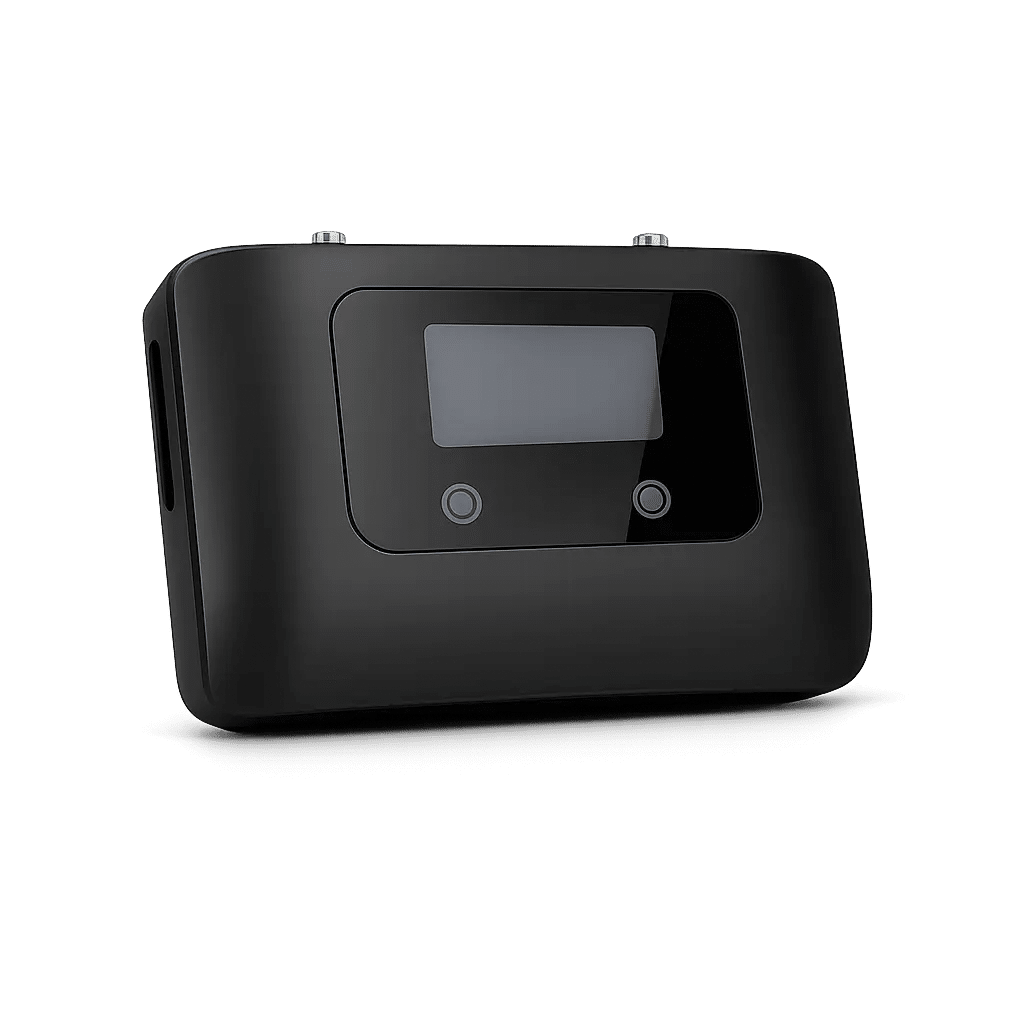
Coverage: 300 SQM
Ideal for: Home


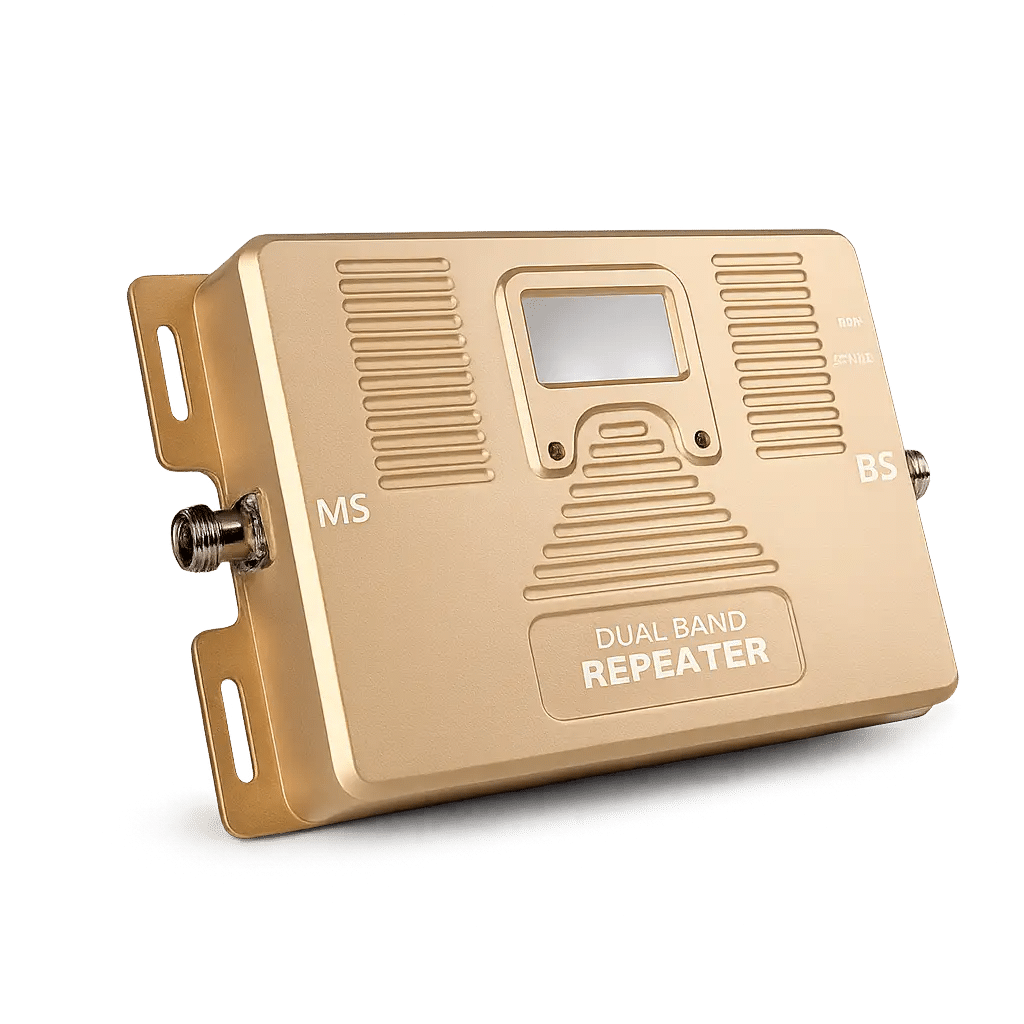
Coverage: 500 SQM
Ideal for: Medium Offices, Studios, And Homes

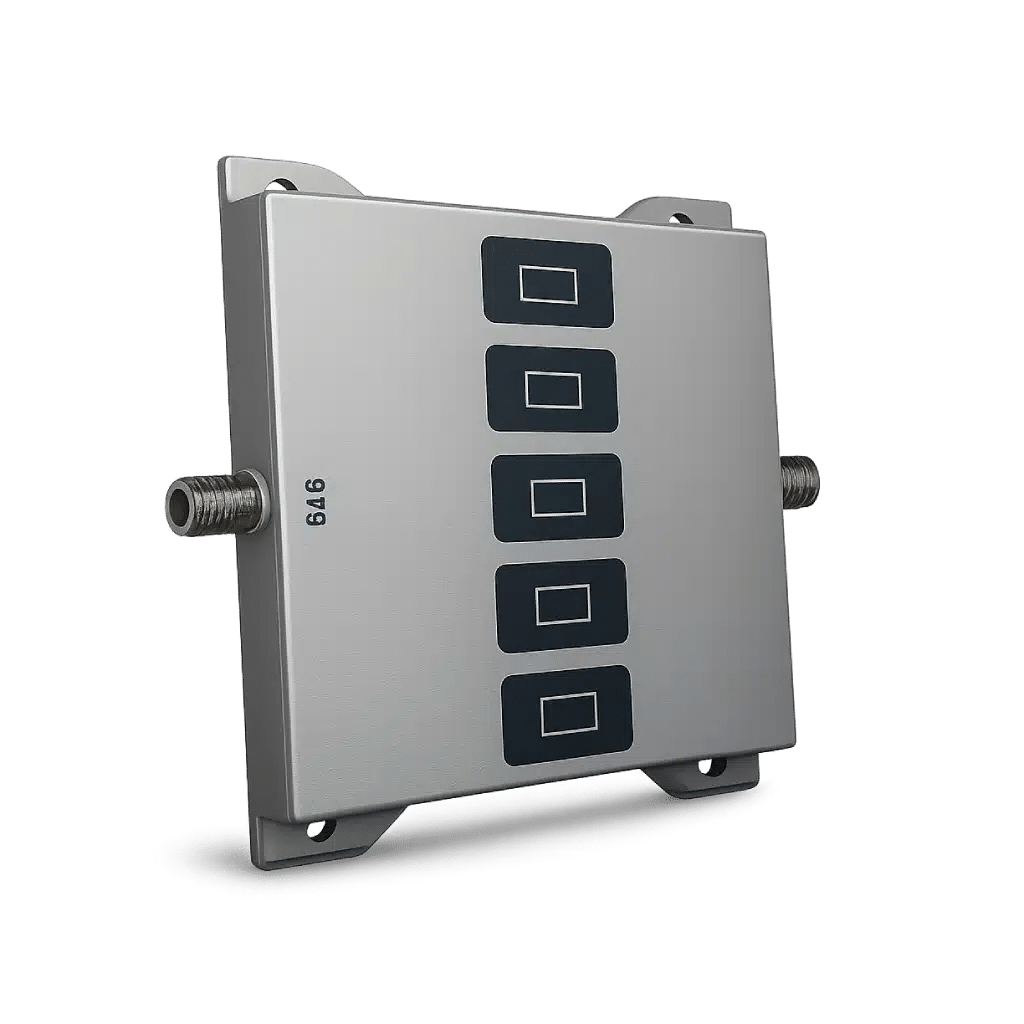
Coverage: 300 SQM
Ideal for: Home

Coverage: 1000 SQM
Ideal for: Hotel
