LIMITED TIME: 10% OFF ALL BOOSTERS.Ends Soon!

Cheapest BT Halo Mobile Signal Booster UK 2026: The Truth
Quick Answer: There is no such thing as a “BT Halo” mobile signal booster. BT Halo is a broadband and home phone service, not a mobile signal amplifier. To legally boost your mobile reception in the UK, you must purchase an Ofcom-compliant, IR2102-certified indoor repeater that supports the frequency bands used by your mobile network.
You are likely searching for a device to fix your patchy indoor reception, and you have heard the term “BT Halo” thrown around by customer service agents trying to sell you home broadband add-ons. It is a common point of confusion. After 12 years of crawling through dusty lofts and shimmying up masts as an RF signal engineer, I have seen this misunderstanding waste thousands of pounds of customer money. You are looking for a solution to your dead zones, not a broadband contract upgrade.
The signal landscape in 2026 is a brutal environment. Our homes are increasingly insulated for energy efficiency, effectively turning them into Faraday cages that kill radio waves dead. When you search for the cheapest booster online, you are often targeted by advertisements for cheap, wideband imports that are not only illegal to operate but will likely cause interference that brings Ofcom knocking on your door with a heavy fine.
Why You Cannot Buy a BT Halo Signal Booster
Let us be brutally clear about the terminology. BT Halo is a product suite for your home broadband connection. It has nothing to do with cellular radio frequencies. If you search for the “cheapest BT Halo mobile signal booster,” you are essentially looking for a unicorn.
When you struggle to make a call or load a map in your kitchen, the problem is not your broadband router. It is building penetration loss caused by thick stone walls, modern low-emissivity glass, or simply distance from the nearest base station. A real, legal signal booster works by capturing the external signal via a donor antenna, amplifying it through a certified repeater, and rebroadcasting it indoors via an internal antenna.
These devices do not care about the branding on your mobile contract. They care about physics. They operate on specific LTE and 5G frequency bands (such as 800MHz and 1800MHz) used by EE, O2, Vodafone, and Three. If you use a device that is not Ofcom-compliant, you risk disrupting the local mobile network, which can trigger automatic detection systems and lead to enforcement action.
Choosing a Certified Repeater for Your Home
Since you are looking for the most cost-effective solution, you need to understand the grades of equipment available. You should never prioritise price over compliance. A £50 device from an online marketplace is a fast track to a £5,000 fine.
Instead, look for a certified IR2102 system. Here is the breakdown of the hardware you should consider:
Entry-Level System: These units typically retail around £275. They are suitable for small flats or rooms where the outdoor signal is already decent but just needs a nudge to get through the wall. They are not intended for large houses or areas with very poor signal strength.
Mid-Range Multi-Band Repeater: You should expect to pay around £450 for these units. These are the workhorses for standard UK semi-detached homes. They provide better coverage and support multiple frequency bands, making them much more reliable than entry-level kits.
High-Gain 5G/MIMO System: These units cost £600 and up. If you live in an old stone cottage or a building made of reinforced concrete, do not settle for less. These systems offer the gain required to penetrate dense materials and support the capacity needed for modern 5G usage and multiple simultaneous users.
Technical Realities: Measuring Your Signal
Do not rely on the bars on your phone screen. They are a UI suggestion, not a measurement of reality. To see if a booster will actually work for you, you need to check your Field Test Mode.
You want to see a dBm reading. A reading of -85 dBm is excellent, meaning you have a strong signal to work with. Anything worse than -110 dBm means you are struggling to capture a usable signal, and a standard booster may struggle to function effectively.
If your signal is weaker than -100 dBm, you should look for a system that includes a high-gain directional donor antenna (often a Yagi or Log-Periodic design). This antenna must be mounted outside, as high as possible, and pointed with precision at the nearest cell mast. If you just toss an omnidirectional antenna in your loft, you are only amplifying the interference already present in your home.
The Role of 5G and LTE Bands in 2026
By 2026, the major UK networks (EE, Vodafone, O2, and Three) have largely sunsetted their 3G networks to free up spectrum for 4G and 5G. When buying a booster, you must ensure it is compatible with the bands your carrier uses for 4G and 5G.
EE, for instance, relies heavily on the 700MHz and 800MHz bands for rural coverage because these low frequencies penetrate buildings better than high-frequency bands. A cheap, wideband booster often fails to filter these frequencies correctly, causing oscillation or interference. A properly engineered, Ofcom-compliant repeater will specifically target the bands your network uses, providing a stable, high-speed connection for your data and voice calls without jeopardising your neighbours’ connectivity.
Frequently Asked Questions
Can I buy a cheap mobile signal booster on major global marketplaces?
You should avoid them entirely. Most boosters sold on generic global marketplaces for under £150 are wideband amplifiers that lack the necessary technical filtering to meet Ofcom IR2102 standards. Using them is illegal because they can interfere with mobile networks, and you may face a fine of up to £5,000 if Ofcom traces interference back to your property.
Is it legal to install a signal booster in my home?
It is perfectly legal, provided the device is an Ofcom-compliant, license-exempt static indoor repeater that meets the IR2102 technical requirements. These devices are engineered to be “network-safe” and will not cause the interference that makes cheap, grey-market boosters illegal. You do not need a license to install these devices yourself, though professional installation is recommended for large or complex properties.
Why does my phone say I have signal but my calls still drop?
Mobile phones often show a misleading number of bars, which only represent the signal strength at the phone’s antenna, not the quality of the connection. If your signal is weak or oscillating, your phone may switch constantly between bands or masts, causing dropped calls and failed data packets. A booster fixes this by providing a strong, clean, and stable signal inside your home, effectively eliminating the need for your phone to hunt for a better connection.
Do I need a professional to install a signal booster?
For small residential kits, you can usually handle the setup yourself if you are comfortable with basic tools, mounting an antenna, and following instructions to avoid a feedback loop. However, if your property is large, made of dense materials like concrete and steel, or if the outdoor signal is exceptionally weak, you should hire a professional. They have the equipment to properly aim your donor antenna at the mast, ensuring your system performs at its best without feedback.
Which network has the best indoor coverage in the UK in 2026?
EE generally holds the lead for overall indoor coverage and performance in the UK, thanks to its extensive use of the 700MHz spectrum, which is excellent at penetrating building materials. However, all four major networks (EE, Vodafone, O2, and Three) provide competitive coverage in most areas. You should check your specific postcode on the Ofcom coverage checker before buying any equipment to understand the signal baseline in your area.
The Bottom Line
Fixing your mobile signal in 2026 is an exercise in engineering, not a shopping trip for a budget gadget. Forget the idea of a “BT Halo” booster. Instead, focus on finding a reputable, Ofcom-compliant repeater that matches the frequency bands of your network provider. If you choose a certified system and take the time to correctly position your external donor antenna, you will solve your connectivity issues permanently.
If you are tired of pacing around your house to send a text or losing connection during important calls, stop guessing and start measuring your dBm. Invest in a reliable system that respects UK laws and your own sanity. For tailored advice on which Ofcom-compliant hardware suits your specific home layout, visit our range of certified solutions at MySignalBoosters.com.
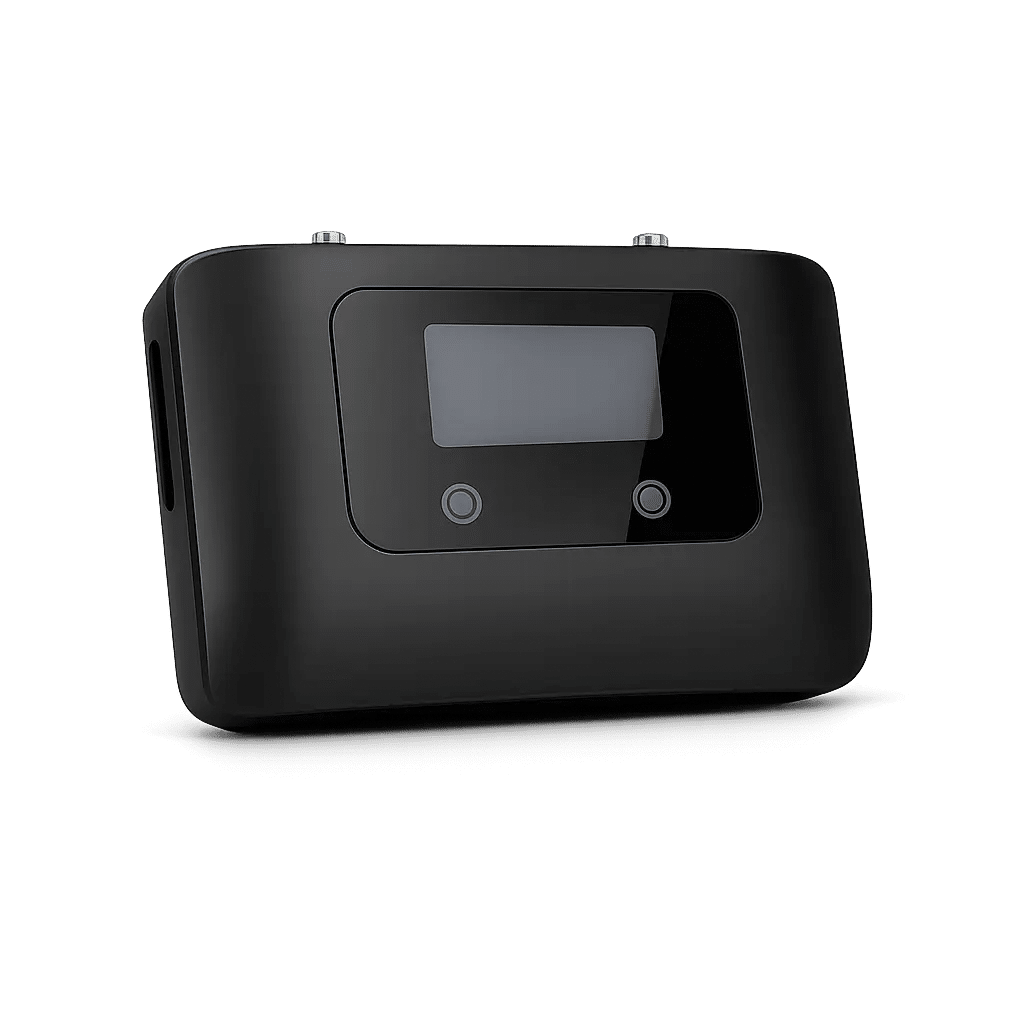
Coverage: 300 SQM
Ideal for: Home


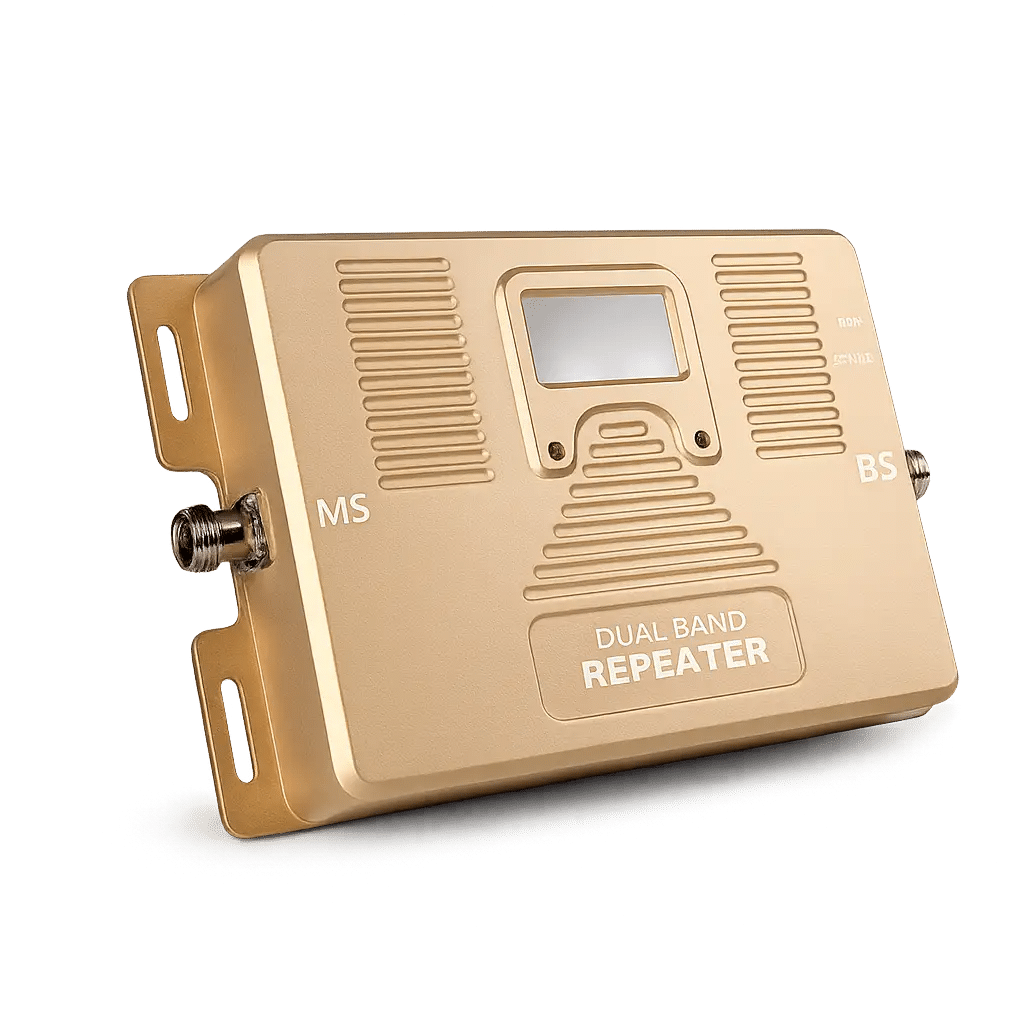
Coverage: 500 SQM
Ideal for: Medium Offices, Studios, And Homes

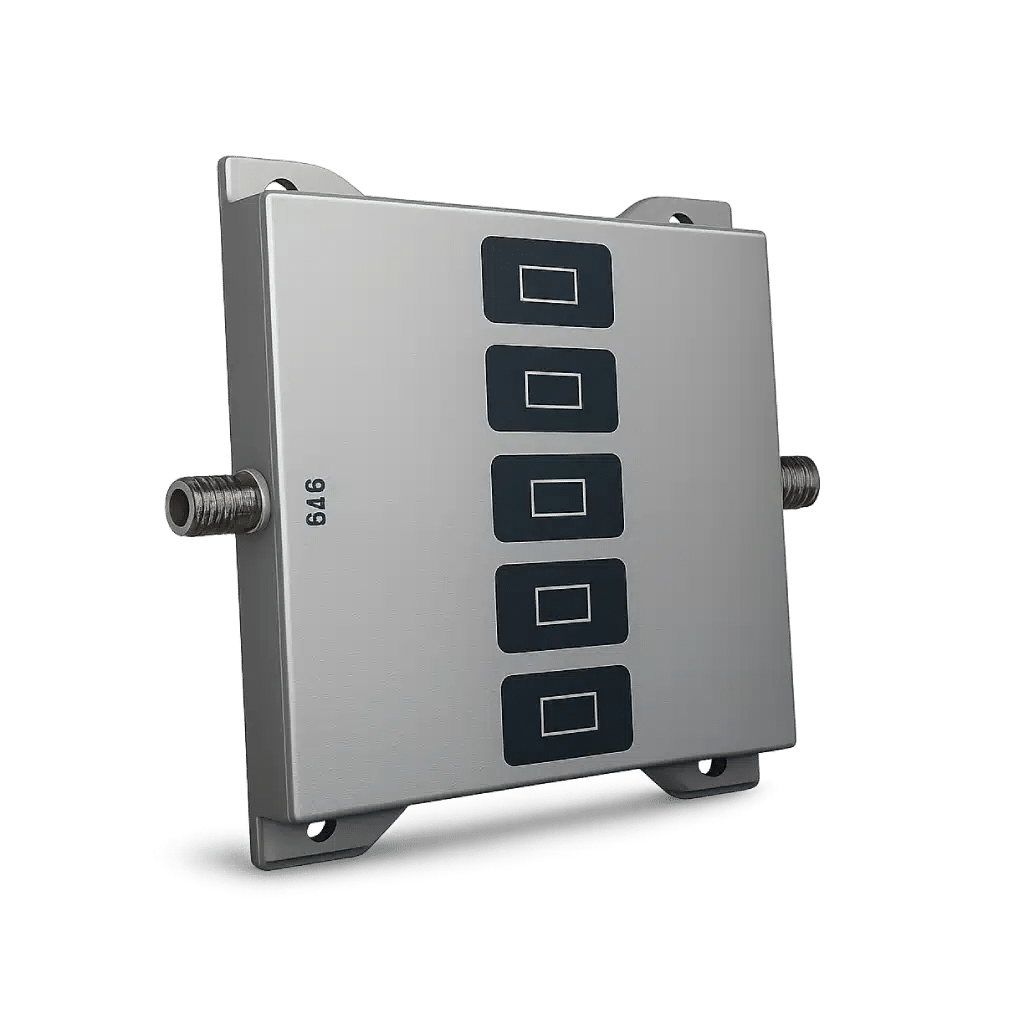
Coverage: 300 SQM
Ideal for: Home

Coverage: 1000 SQM
Ideal for: Hotel

©Copyright 2026 SignalBoosters. All Right Reserved
