Free delivery included · Arrives in 5–7 working days

Cheapest EE Signal Booster UK 2026: End the Signal Joke
Quick Answer: The cheapest legal EE signal booster is an Entry-Level IR2102 Repeater, typically retailing around £275, designed as a license-exempt static indoor repeater that complies with Ofcom’s UK Interface Requirement 2102 (IR2102). Since these devices are multi-band, they amplify the EE signal alongside all other UK carriers, provided your external signal strength (dBm) is already strong, ideally better than -85 dBm.
You are paying for a service you cannot use inside your own house. The search for the cheapest EE signal booster UK 2026 is often a cry for help from someone who has suffered enough dropped calls and buffering video. The market is flooded with cheap, generic junk that is both ineffective and highly illegal.
After 12 years as an RF engineer, I can tell you that the solution isn’t about finding a bargain-bin gadget. The only sensible investment is certified hardware that meets a non-negotiable legal standard. We break down the entry point for fixing your coverage problem without risking a £5,000 fine.
What is the Cheapest Legal EE Booster?
Because EE uses the same infrastructure as the other major UK networks (Vodafone, O2, and Three), you do not need a dedicated “EE” repeater. You need a multi-band static indoor repeater that is Ofcom-compliant.
The cheapest legal category is the Entry-Level IR2102 Repeater. This system provides a simple, localised boost, but only if your outdoor signal is already good. If you live in a deep rural blackspot, you will need to budget for the Mid-Range or High-Gain options.
Compliance is the Price Barrier: The cost difference between a £50 “eBay special” and a legal £275 unit is the presence of technology like Automatic Gain Control (AGC) and digital filtering. This ensures the device amplifies only the authorised network signal and does not overload the EE mast.
Here is a comparison of legal, high-quality static repeater options suitable for EE users:
| Product | Price | Coverage | Best For | Verdict |
|---|---|---|---|---|
| Entry-Level IR2102 Repeater | typically retails around £275 | 1–2 rooms | Single-floor flats or small homes with strong outdoor signal | Simple, localised boost focused on voice calls and low-use data. |
| Mid-Range Multi-Band Repeater | typically retails around £450 | Up to 4 rooms | Standard semi-detached houses needing multi-network 4G/LTE coverage | A solid, reliable solution addressing common architectural issues of UK housing stock. |
| High-Gain 5G/MIMO System | typically retails around £600 and up | Multiple floors or large internal footprints | Homes in genuine weak signal areas or needing maximum 5G data speeds | Powerful system for high-demand households and deep signal valleys. |
Why EE Signal Drops Indoors
The problem isn’t that EE coverage is absent outside your home. In fact, EE consistently performs well in rural signal and geographic coverage due to its use of the low-frequency 700MHz spectrum. The issue is the architectural hostility of your building, known as building penetration loss.
The physics are brutal: high-frequency radio waves (which 4G and 5G rely on) struggle immensely to pass through dense construction materials. Thick cavity brickwork, stone walls, and modern foil-backed insulation act as phenomenal blockers.
A strong outdoor signal of -85 dBm can easily plummet to an unusable -115 dBm indoors. The repeater’s simple job is to capture the clean signal outside using an external donor antenna and deliver it directly inside, bypassing your walls entirely.
Don’t Buy Until You Check Your dBm Reading
The single most critical piece of information you need before spending money is your raw signal strength, measured in dBm (decibel-milliwatts). The bars on your phone screen are famously unreliable and optimistic indicators of network quality.
A repeater can only amplify the signal it receives. If the outdoor signal is genuinely zero, even the cheapest legal booster is useless.
To find your true signal strength, you need to enter Field Test Mode:
iPhone users: Dial 3001#12345# and press call.
Android users: Look for the dBm value under “Settings,” “About Phone,” and then “Status” or “Network”.
Signal Strength Guide (dBm):
Strong Signal: -50 dBm to -85 dBm. (Ideal for any booster, including the entry-level option).
Fair Signal: -85 dBm to -100 dBm. (Requires a mid-to-high gain booster with careful antenna aiming).
Weak Signal: -105 dBm or worse. (You need a powerful system, and the cheapest option will likely fail).
Compliance is Non-Negotiable: The Ofcom Rule
You cannot discuss the “cheapest” booster without addressing legality. In the UK, the majority of cheap, generic signal boosters sold online are illegal to operate. This is not a bureaucratic headache; it’s a structural necessity to protect licensed network services.
Non-compliant devices cause harmful interference with the licensed Mobile Network Operator (MNO) masts belonging to EE, Vodafone, O2, and Three. This disruption can affect emergency services and communications for vast areas.
The law, set out in the Wireless Telegraphy Act 2006, states that installing or using non-compliant repeaters is a criminal offence. Using an illegal repeater risks serious penalties, including potential fines up to £5,000. The only system you can legally install is a static indoor repeater that strictly meets the technical standard known as the UK Interface Requirement 2102 (IR2102).
Maximising Performance for EE
Since EE often relies on lower frequency LTE bands (like 700MHz/800MHz) for wide-area and rural coverage, choosing a booster that explicitly supports these low bands is critical. Low frequencies penetrate structures far more effectively than high-frequency 5G signals.
This is why modern, legal repeaters are always multi-band. They are engineered to amplify the best available signal from any UK operator simultaneously, ensuring future-proofing and reliable service for everyone in the building. For deep rural sites, you should always combine the booster with a high-gain directional antenna, aimed precisely at the nearest mast.
Frequently Asked Questions
Is a mobile signal booster legal in the UK?
Yes, boosting mobile signal is legal, provided the device is a license-exempt static indoor repeater that strictly meets the technical specification set by Ofcom, known as the UK Interface Requirement 2102 (IR2102).
How much should I expect to pay for a legal EE signal repeater?
You should expect to budget at least £275 for an entry-level, legal, Ofcom-compliant repeater. Mid-range systems for standard homes typically retail around £450, while powerful high-gain 5G systems start at approximately £600.
Can I use one repeater for all UK networks, including EE?
Yes, modern, legally compliant static indoor repeaters are typically multi-band devices engineered to boost signals across the various LTE bands used by all major UK mobile networks: EE, Vodafone, O2, and Three.
How do thick walls cause poor indoor coverage?
Thick walls, particularly those using stone, concrete, or foiled insulation, physically absorb or reflect mobile radio frequencies in a phenomenon called building penetration loss. A repeater uses an external antenna to bypass this structural obstruction entirely.
What is a good signal strength (dBm) for reliable 4G data?
Signal strength is measured in negative decibel-milliwatts (dBm), meaning a value closer to zero is stronger. A reading of -85 dBm or better is considered excellent for both calls and fast data, while consistent readings worse than -110 dBm mean speeds will be unusable.
The Bottom Line
A search for the cheapest EE signal booster UK 2026 is usually a false economy if it leads you to illegal, non-compliant hardware. Stop wasting money on generic devices or risking a substantial fine. The only sensible choice is to invest in a professional-grade, Ofcom-compliant IR2102 static repeater system designed to defeat the crushing force of building penetration loss. Start by getting your honest dBm reading outside, then choose certified hardware with the gain required for your property size.
Find a compliant system designed for EE and all UK carriers today at MySignalBoosters.com.
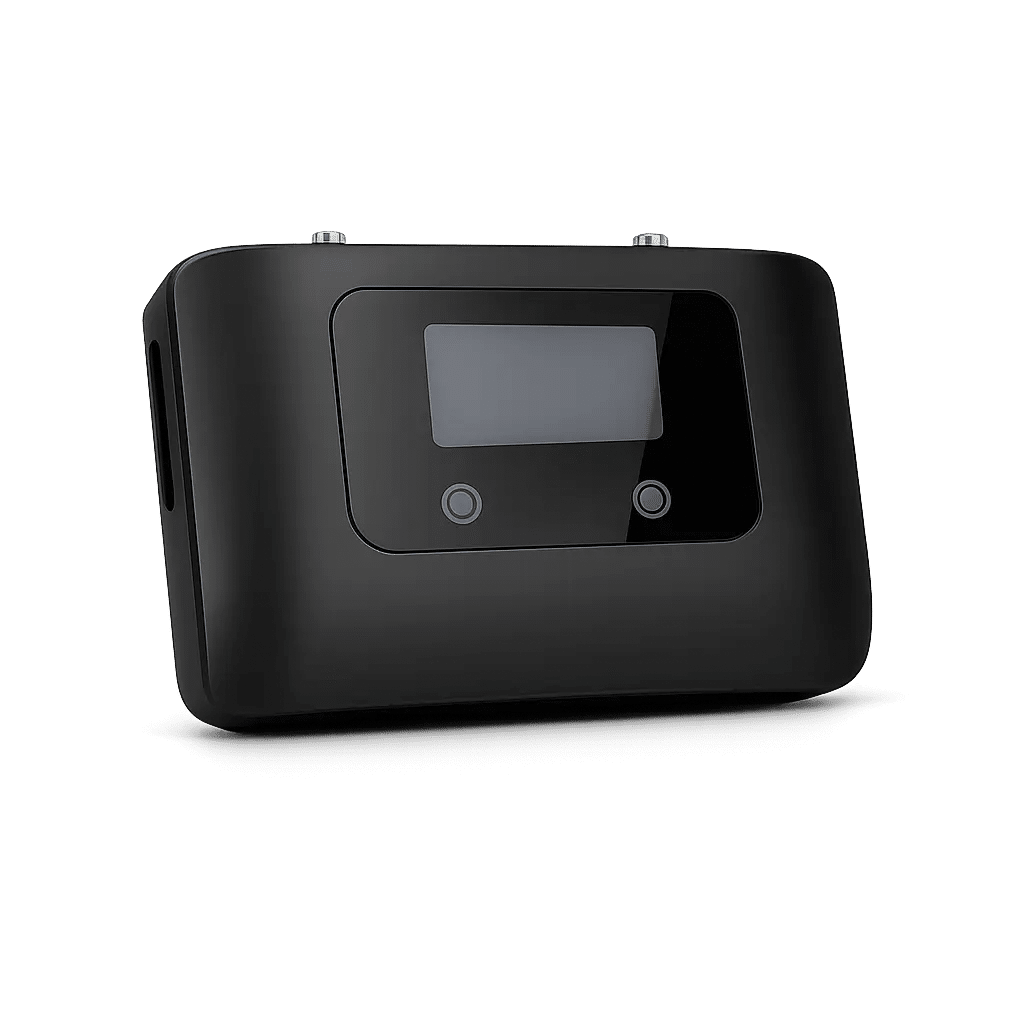
Coverage: 300 SQM
Ideal for: Home


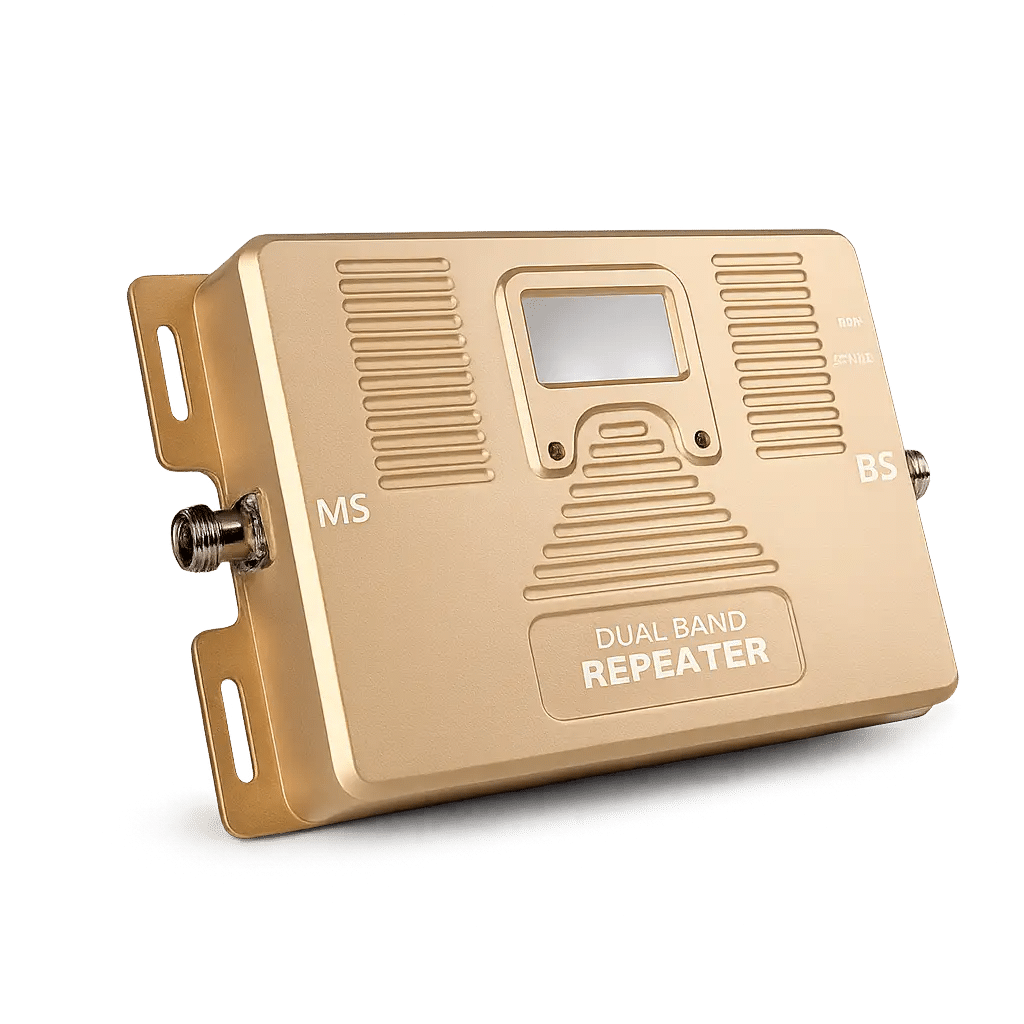
Coverage: 500 SQM
Ideal for: Medium Offices, Studios, And Homes

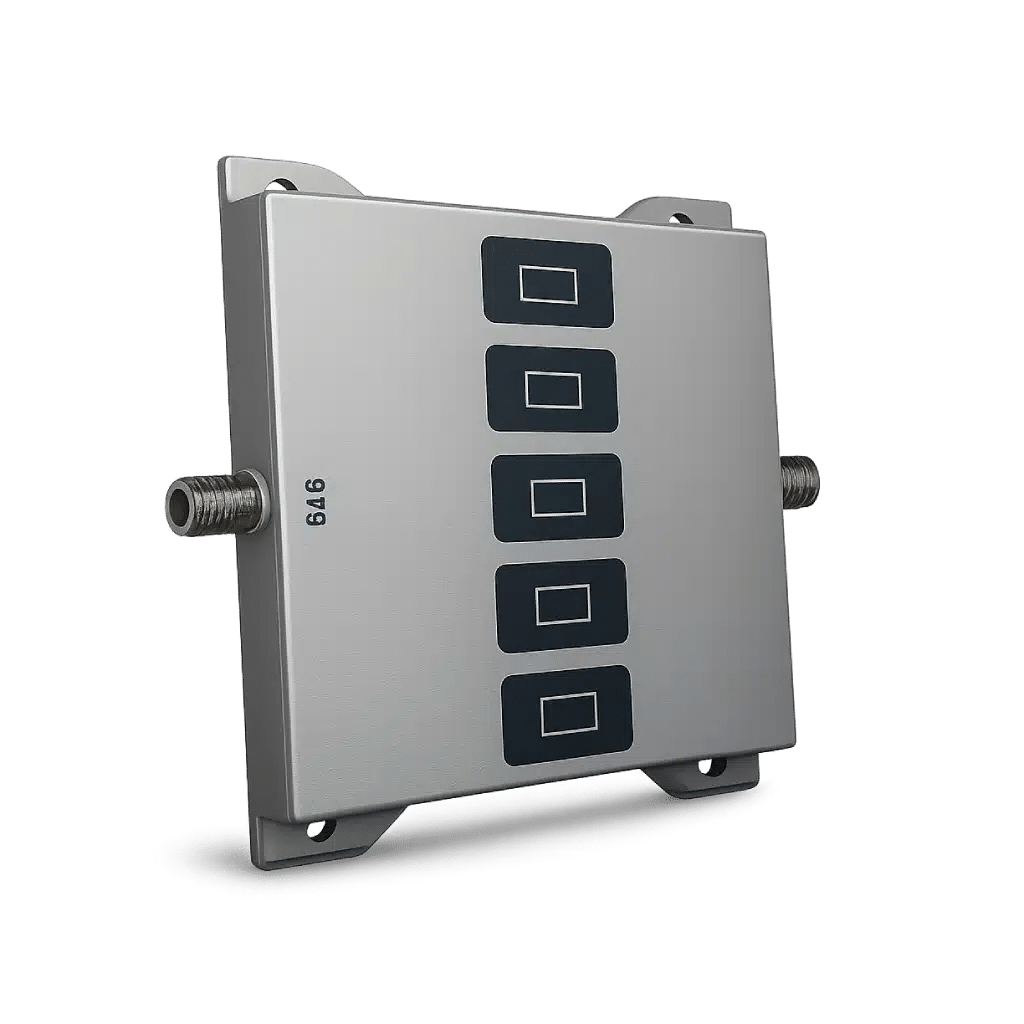
Coverage: 300 SQM
Ideal for: Home

Coverage: 1000 SQM
Ideal for: Hotel
