Free delivery included · Arrives in 5–7 working days

Shop mobile signal boosters
Get a stronger mobile signal at home or work. Delivery in 5-7 working days. 30-day returns.
Do I Need a Mobile Signal Booster for a Home Extension UK 2026?
Quick Answer: You likely need a booster if your extension uses modern insulation, which acts as a Faraday cage. Standard signal cannot penetrate thick, thermal-efficient walls or foil-backed membranes. A license-exempt, Ofcom-compliant repeater is the only legal, permanent solution to bring usable 4G and 5G connectivity into your new space.
After 12 years of wrestling with RF signals in damp UK stone cottages and concrete-clad office blocks, I have developed a healthy distrust of magic signal stickers. Physics, unfortunately, is stubborn. If your building extension features modern energy-efficient glazing or thick insulated partitions, you are fighting a losing battle against radio wave attenuation.
You have spent a fortune on your extension, only to find you must stand in the rain or the garden to answer a work call. It is a common, infuriating scenario. You do not have a problem with your phone; you have a problem with building physics.
Why Extensions Are Signal Black Holes
The modern home extension is built for thermal efficiency, not mobile connectivity. Architects prioritise heat retention, which usually involves high-performance foil-backed insulation boards. These materials effectively turn your new living room into a metal-lined box.
Radio waves struggle to pass through these dense layers. Once the signal hits the foil, it reflects, meaning it never reaches your device inside. The signal quality drops, and your phone starts frantically searching for a connection, which kills your battery in the process.
The root cause is building penetration loss. This is a measurable reduction in signal strength as waves pass through solid objects. Even if you have strong signal in your garden, the jump from the outside to the inside of your new room is often the difference between a clear call and a dropped one.
The Only Legal Way to Fix It
Before you buy anything, understand the law. UK mobile frequencies are licensed to network operators like EE, Vodafone, O2, and Three. Installing illegal, wideband “cheap” boosters can interfere with these networks and trigger Ofcom enforcement.
You must use a static indoor repeater that meets the UK Interface Requirement 2102 (IR2102). These devices are “smart.” They use Automatic Gain Control to ensure they only boost the frequencies they are authorised to use, protecting the network from interference.
Verification is non-negotiable. Only purchase equipment that explicitly states it is Ofcom-compliant and meets IR2102 technical requirements. If you see a device for £50 online that promises “10 bars of signal,” steer clear. It is a one-way ticket to an Ofcom fine.
Choosing the Right Hardware for Your Extension
When selecting a system, you are essentially choosing between capacity and power. Most extensions require a system that can handle the specific signal loss caused by your build materials.
Entry-Level IR2102 Repeater
Typical Price: Around £275
Coverage: 1–2 rooms
Best For: Small, single-room extensions with fair outdoor signal
Verdict: Too weak for thick walls or heavy insulation but works if the build is simple
Mid-Range Multi-Band Repeater
Typical Price: Around £450
Coverage: Up to 4 rooms
Best For: Larger extensions or standard family home layouts
Verdict: A solid choice if you have mild structural interference or need coverage in a larger open-plan extension
High-Gain 5G/MIMO System
Typical Price: £600 and up
Coverage: Multiple floors or up to 1,500 sq m
Best For: Extensions with poor outdoor signal (worse than -95 dBm) or thick, modern insulation
Verdict: Essential for high-demand data and reliable 5G connectivity
Understanding the Signal Truth (dBm)
Mobile phone bars are optimistic lies. They represent a simplified, often inaccurate UI suggestion of your connection quality.
To know if a booster will work, you need to check your actual signal strength in decibel-milliwatts (dBm). You can find this in your phone’s field test mode or by downloading a network utility app.
A reading of -85 dBm or better is excellent. If your signal is worse than -110 dBm, the signal is nearly unusable, and you will need a high-gain external antenna to pull in any usable feed from the mast.
The Role of the Outdoor Donor Antenna
No repeater works without a signal to boost. It cannot create connectivity out of thin air. You must place an external donor antenna where it has the clearest line-of-sight to your nearest mobile mast.
For extensions, this usually means mounting the antenna on the existing main building, not the extension itself, as the extension is often the problem area. Pointing this antenna with the precision of a sniper is required for the best performance.
If you are using coaxial cabling to connect the outdoor antenna to your repeater, keep it as short as possible. Every metre of cable introduces signal loss. If the run is over 30 metres, you need to consider fibre-based repeater systems to maintain signal integrity.
Frequently Asked Questions
Can I install an Ofcom-compliant signal booster myself?
Yes, for small to medium residential systems, you can typically perform the installation yourself. You simply need to mount the external antenna, run the cable to the amplifier, and connect the indoor unit. However, if your premises are large or involve complex structural materials, professional installation is recommended to prevent feedback loops.
Is it legal to buy a signal booster online?
Only if the device meets Ofcom’s IR2102 technical requirements. Many cheap boosters sold on global marketplaces are illegal to operate in the UK because they lack the necessary interference protection. Stick to reputable, UK-based retailers who guarantee compliance to avoid risking fines of up to £5,000.
How much should I budget for a legal, high-gain system?
For a professional-grade, IR2102-compliant system suitable for a challenging extension or large property, you should budget at least £600 to £850. This covers the high-gain hardware and the necessary directional antenna components to provide stable 4G and 5G indoor coverage.
Do I need a different booster for EE, O2, Vodafone, and Three?
No, most modern, legally compliant static indoor repeaters are multi-band devices. They are engineered to boost signals across all major UK networks simultaneously. Whether you or your guests use EE, Vodafone, O2, or Three, one properly installed system will serve everyone effectively.
What is a feedback loop, and how do I avoid it?
A feedback loop occurs when the indoor antenna is placed too close to the outdoor donor antenna. The system essentially amplifies its own signal, creating noise that can shut down the device or cause interference to the local network. Always maintain adequate separation or physical shielding between your indoor and outdoor antennas.
The Bottom Line
Fixing your mobile signal in an extension is rarely about luck; it is about overcoming physics. If you are struggling with dropped calls or glacial data speeds in your new space, stop pacing around looking for a signal. Identify the root cause—usually the insulation materials—and invest in a compliant, high-gain system that actually works. Avoid the budget, uncertified devices found on marketplaces, as they are a liability, not a solution. Browse our range of Ofcom-compliant signal solutions at MySignalBoosters.com to get back to full bars.
Shop mobile signal boosters
Get a stronger mobile signal at home or work. Delivery in 5-7 working days. 30-day returns.
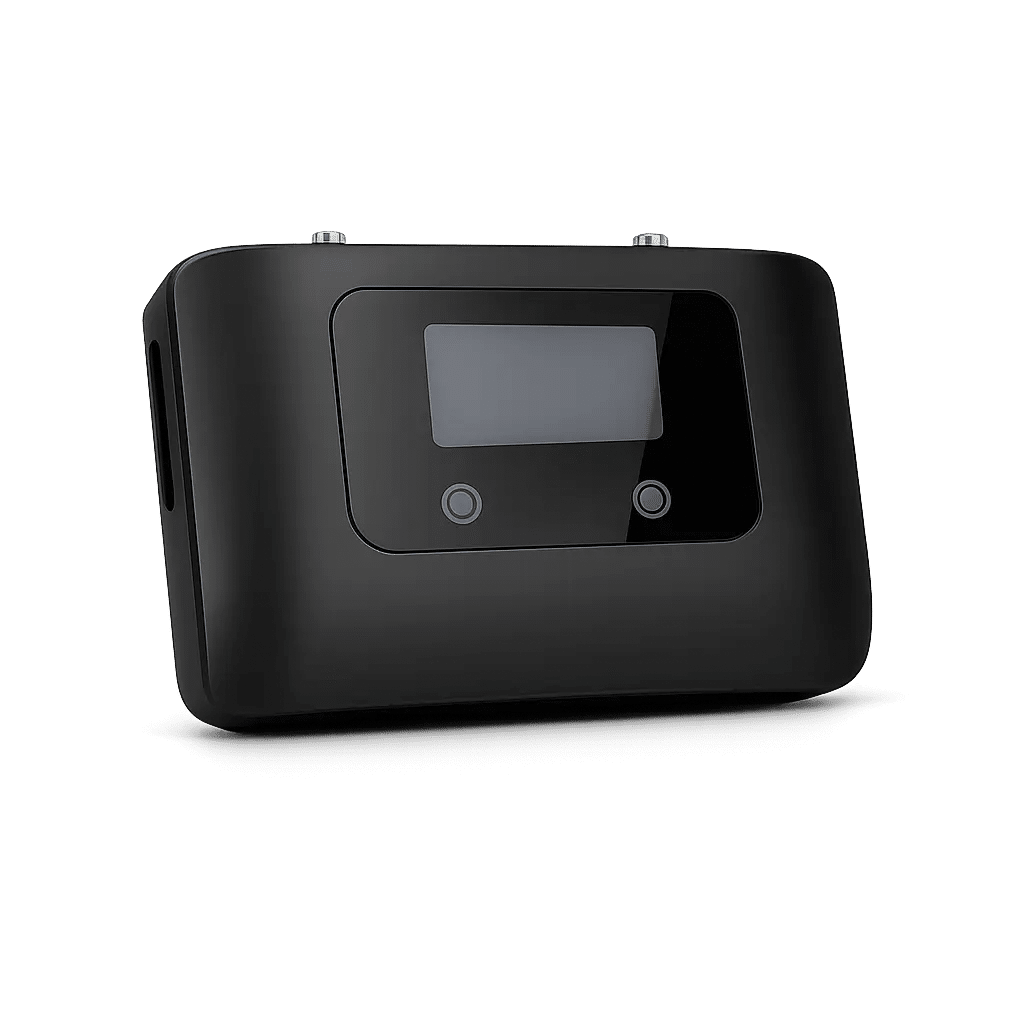
Coverage: 300 SQM
Ideal for: Home


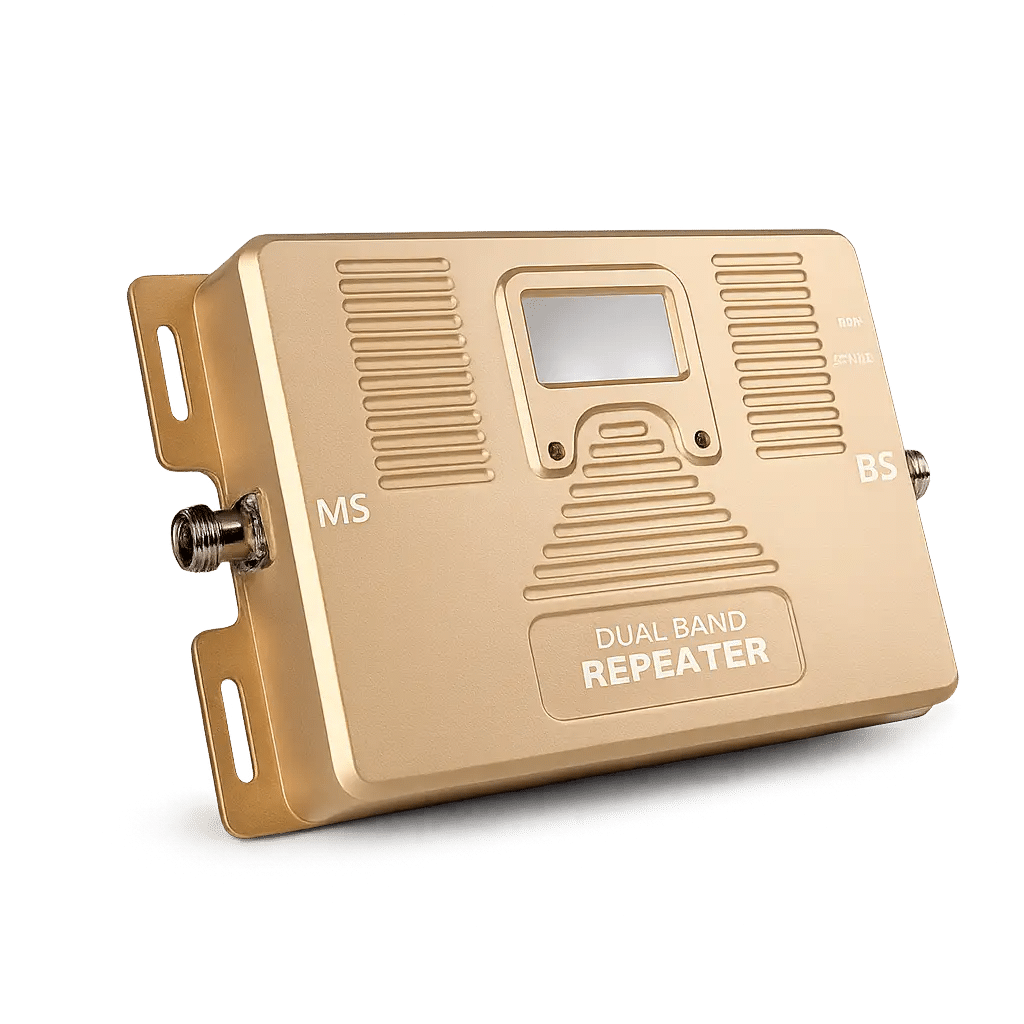
Coverage: 500 SQM
Ideal for: Medium Offices, Studios, And Homes

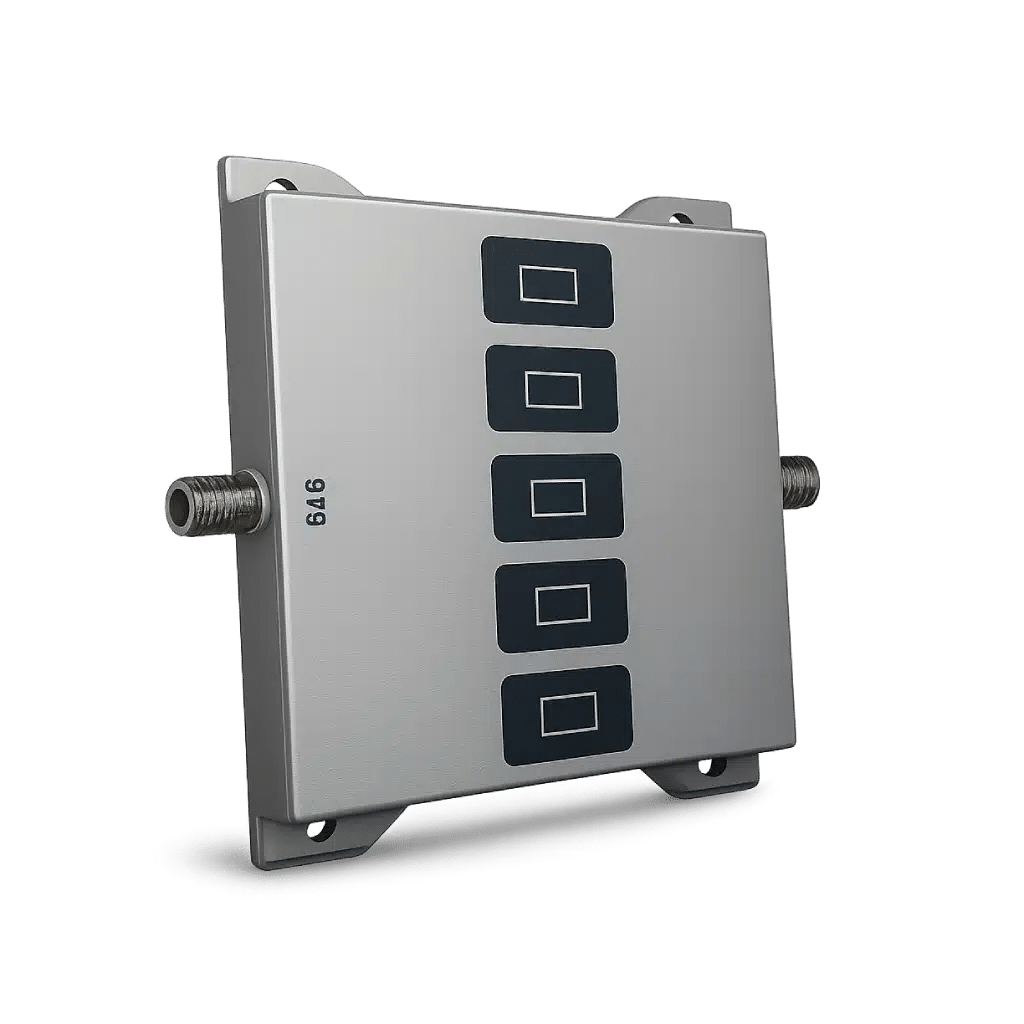
Coverage: 300 SQM
Ideal for: Home

Coverage: 1000 SQM
Ideal for: Hotel
