Free delivery included · Arrives in 5–7 working days

Shop mobile signal boosters
Get a stronger mobile signal at home or work. Delivery in 5-7 working days. 30-day returns.
The Best Energy-Efficient Mobile Signal Boosters UK 2026
Quick Answer: The most energy-efficient and legal way to boost mobile signal in the UK is using an Ofcom-compliant, smart repeater that supports IR2102 technical standards. These devices, such as the Nextivity CEL-FI range, use intelligent gain control to amplify only the required signal, preventing unnecessary power drain and harmful interference.
If you have spent your hard-earned cash on a house with walls thick enough to withstand a medieval siege, you have likely discovered the joy of total digital isolation. It is a modern tragedy. You stand in the centre of your lounge, phone held aloft like a holy relic, praying to the cell mast gods for just one bar of 4G. After testing dozens of signal-boosting solutions across various UK properties, from urban semi-detached homes to rural farmhouses, I can tell you that the frustration is universal.
The market is currently flooded with cheap gadgets that promise the world but deliver only fines and broken hardware. When searching for an energy-efficient signal booster review UK 2026, you will see many generic boxes that do not meet the legal requirements. These illegal devices often broadcast at maximum power constantly, wasting electricity and disrupting your neighbours’ connectivity. A truly efficient system is not just about your energy bill; it is about network hygiene and respecting the radio spectrum.
Why Efficiency Matters for Your Signal Booster
Many people assume a booster is just a simple amplifier. In reality, a high-quality repeater is a sophisticated piece of RF engineering. An inefficient, cheap booster essentially functions as a blunt instrument, amplifying everything, including background noise and interference. This forces the device to work harder, consume more electricity, and degrade your overall signal quality.
The best modern repeaters use intelligent, self-optimising technology. They monitor the signal strength in real-time and only apply the necessary gain to maintain a stable connection. This is the digital equivalent of a car with stop-start technology rather than a tractor engine running at full throttle while sitting in traffic. By investing in a unit that understands its environment, you ensure stable calls and data without the environmental impact or the risk of regulatory trouble.
Legal Compliance and Your Liability
Before you look at any technical specifications, you must address the legal reality. Using an illegal, non-compliant repeater can lead to an unlimited fine or even a prison sentence. Ofcom takes this seriously. They have the power to seize equipment that causes harmful interference.
An Ofcom-compliant device must adhere to strict technical standards, such as IR2102. If the price seems too good to be true, it almost certainly is. Authentic, safe units are often priced in the mid-to-high hundreds because of the proprietary software, filtering technology, and quality components required to keep them compliant. Never trust an unbranded “power boost” sticker found on a marketplace site for £20.
Top Energy-Efficient Picks for 2026
When evaluating options, we focus on units that offer multi-operator support, intelligent gain control, and low power consumption during idle times.
1. CEL-FI GO G51
This is arguably the gold standard for future-proofing your home or small business. It is fully 5G-ready and uses the 4th generation IntelliBoost chip, which is exceptionally efficient at isolating the carrier signal.
Price: Typically retails around £1,300 to £1,600.
Coverage: Ideal for large homes or offices.
Best For: Users who want 5G compatibility and deep, intelligent signal management.
Verdict: An investment piece that offers unmatched signal stability and energy efficiency through precise, AI-driven amplification.
2. HiBoost Hi10-4S
A strong contender for those needing a balance of performance and cost. It provides robust coverage for multiple networks and is designed to switch to low-power mode when not actively handling heavy data or voice traffic.
Price: Typically retails around £700 to £800.
Coverage: Suitable for standard-sized family homes.
Best For: Households with mixed mobile network providers looking for a compliant solution.
Verdict: A reliable, energy-conscious choice that keeps your home connected without excessive power usage.
Technical Concepts to Understand
To get the most out of your setup, you should have a basic grasp of the metrics involved. Signal strength is measured in dBm. A reading of -110 dBm or worse is practically unusable, meaning your phone is struggling to find a signal. A booster does not create signal; it amplifies what is already there.
If your outdoor signal is below a certain threshold, even the most efficient booster will struggle to provide a clean connection. Always check the official coverage maps for EE, Vodafone, O2, and Three at your specific postcode before purchasing. If you cannot get a signal outside at all, a booster will not help you.
Frequently Asked Questions
Can I install an energy-efficient signal booster myself?
Yes, most home-use repeaters are designed for plug-and-play installation. As long as you purchase an Ofcom-compliant device, you can set it up without a license. For larger, complex commercial spaces, professional installation is strongly recommended to ensure optimal placement and antenna isolation.
Is it legal to use a signal booster for my IoT devices?
Yes, using an Ofcom-compliant repeater to improve connectivity for IoT or machine-to-machine devices is entirely legal. Ensure the booster supports the specific frequency bands your IoT hardware requires, such as the 800MHz or 900MHz bands commonly used for remote monitoring.
How much should I expect to pay for a safe, legal booster?
Prices generally range from roughly £300 to over £1,500 depending on the technology and the coverage area. If you see an amplifier for under £600, exercise extreme caution, as it is unlikely to meet Ofcom technical requirements.
Why does my booster need 5G support in 2026?
Investing in 5G-ready hardware prevents you from needing a replacement in the next few years. As carriers continue to reallocate spectrum and retire older 3G and 4G infrastructure, a 5G-capable system ensures your setup remains functional for the foreseeable future.
Does my choice of mobile network affect the booster I need?
Yes, you need a booster that matches the frequency bands used by your operator. EE, Vodafone, O2, and Three all use different spectrum allocations across 700MHz, 800MHz, 900MHz, 1800MHz, and 2100MHz bands. Multi-network boosters are more versatile but often carry a higher price tag.
The Bottom Line
Improving your mobile signal should not involve gambling with illegal, cheap hardware that could result in a visit from Ofcom. If you want a setup that works reliably, respects the law, and keeps your energy usage sensible, look for certified repeaters with intelligent, adaptive amplification. These systems pay for themselves by ending the cycle of buying, breaking, and replacing subpar equipment. For a selection of fully compliant and thoroughly tested boosters, visit our store at [mysignalboosters.com]([link removed]).
Shop mobile signal boosters
Get a stronger mobile signal at home or work. Delivery in 5-7 working days. 30-day returns.
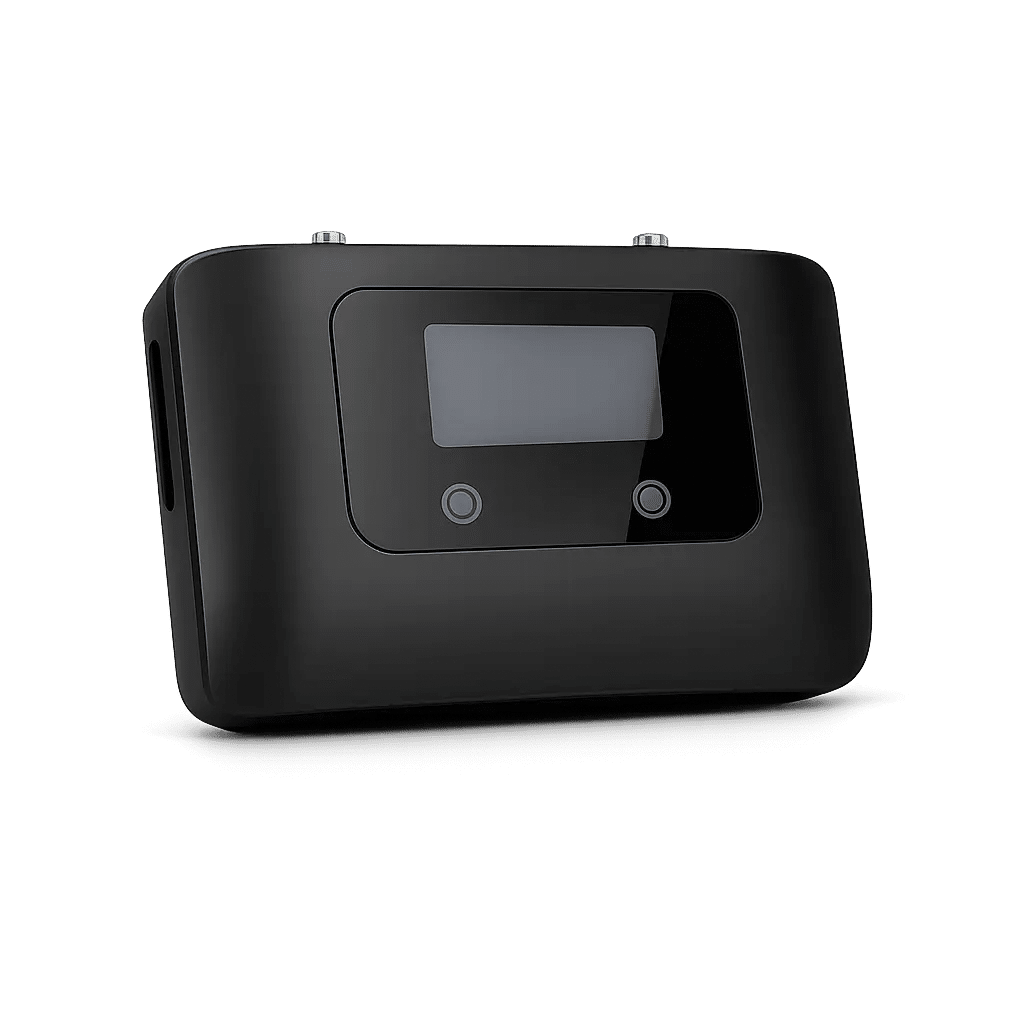
Coverage: 300 SQM
Ideal for: Home


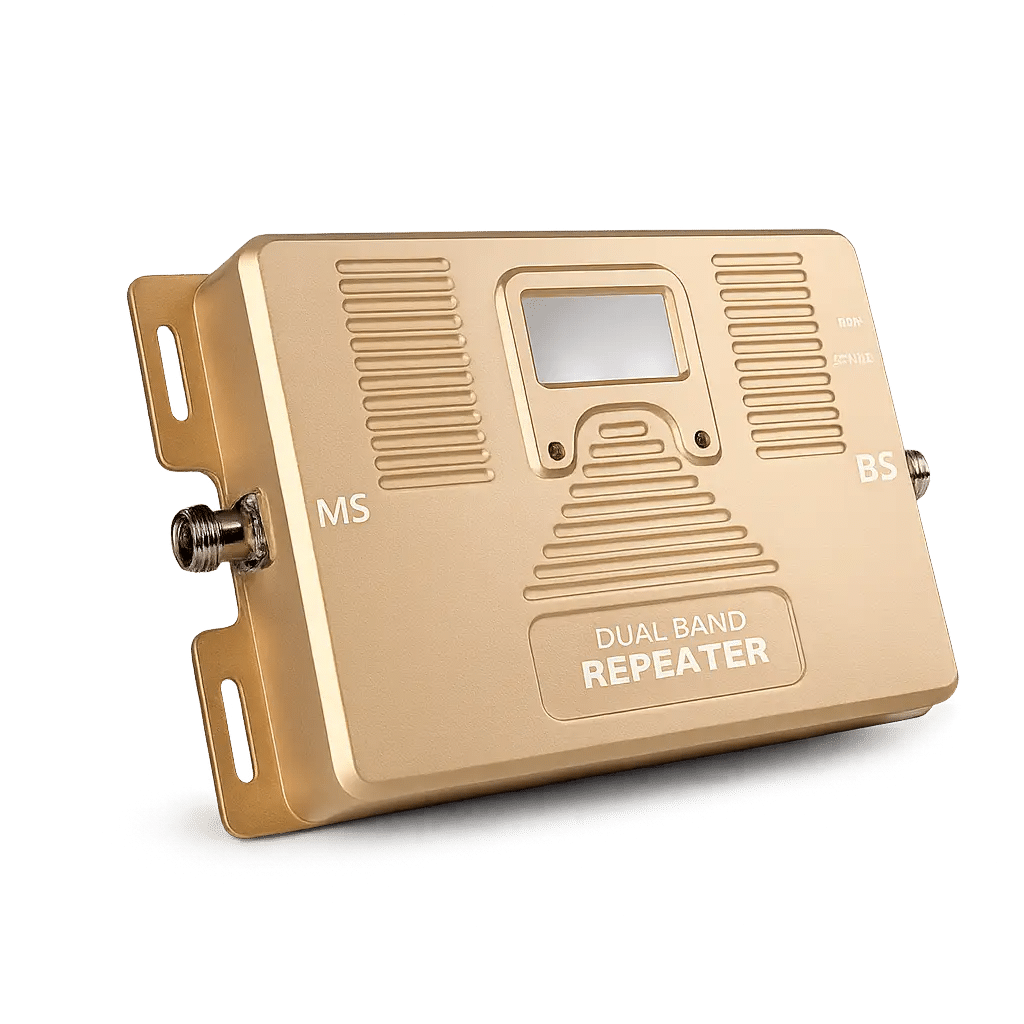
Coverage: 500 SQM
Ideal for: Medium Offices, Studios, And Homes

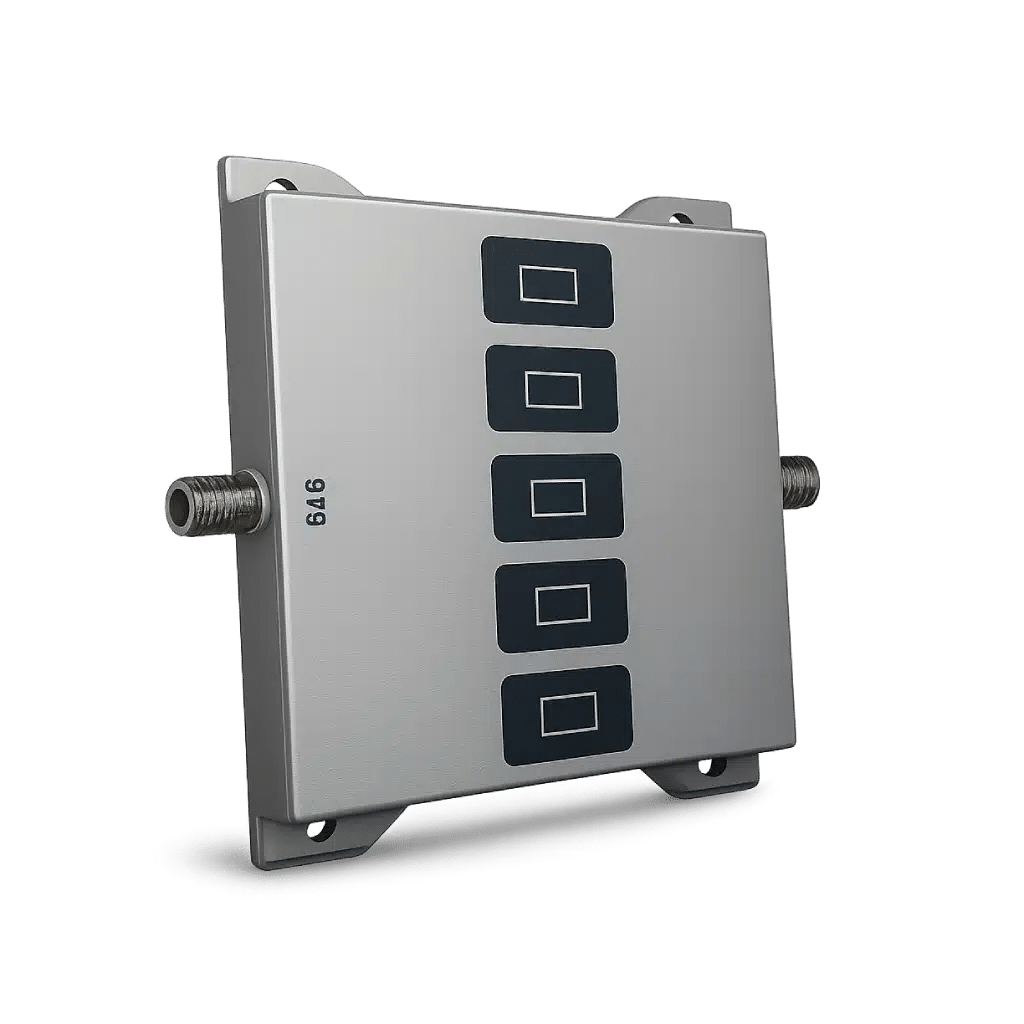
Coverage: 300 SQM
Ideal for: Home

Coverage: 1000 SQM
Ideal for: Hotel
