LIMITED TIME: 10% OFF ALL BOOSTERS.Ends Soon!

It may not be easy for most people to figure this out, but the whole femtocell vs signal booster thing still confuses loads of us. You hear both names thrown around when phone signals drop, and, honestly, they sound like the same fix. Except they’re not. One takes the signal from outside, while the other makes its own. That already makes things feel complicated. And if you’re in the UK, you’ve probably heard your mates discuss which one’s better.
So both of these technologies try to improve your phone signal indoors, right? Right. But they’re not the same at all. They have totally different ways of doing the job. You might think one is spot-on for your flat and the other is better for the office. But truth be told, it depends. Like, what’s your building made of? What network are you on? Even your street plays a part. Some setups will cost you more, while some will need a bit of effort. And a few will just work straight out of the box.
It’s not only about specs or bars. It’s more about what you actually need, day in, day out. Like, do you want something you can just whack in and forget? Or are you after a bit more control over the setup? Got thick walls, loads of brick, or proper dead spots where your phone is just useless? That kind of stuff matters way more. Once you’ve sussed that out, picking the right device is a lot easier.
We’re not comparing just yet, though. This is just the warm-up. This guide will give you a quick run-through of both options and what they do. The whole femtocell vs signal booster debate can get confusing, but once you understand how each system works, things will be much easier.

You should be asking yourself now, what is a femtocell and how does it work? Okay, a femtocell is a small device that works like a mini mobile phone mast right inside your home or office. It plugs into your internet router and sets up a tiny mobile network. So, when your phone’s signal from the main network is weak or miles away, the femtocell steps in to give your signal a proper boost.
Here’s how femtocells work, step by step:
And because it creates its own small mobile network, femtocells are ideal for coverage inside thick buildings. They work very well where outdoor signals do not penetrate inside. And they can support more than one user at a time. That makes them great if you’re wondering how to boost your mobile phone signal in your house or your small business with several phone users.

Before we get into the femtocell vs signal booster comparison, let’s just define what a signal booster is. Knowing these things makes it easier to compare your options.
Signal boosters grab weak mobile signals from outside your home or office and crank them up inside. That means clearer calls and faster data when you’re using your phone indoors.
Over here in the UK, you’ll find that the big names like Vodafone, EE, O2, and Three all back signal boosters. You’ll find a signal booster designed for all networks regardless of what you’re on. For instance, you can get a Vodafone signal booster that is set to work with Vodafone’s frequencies. The same goes for EE signal boosters, O2 signal boosters, and Three mobile boosters. That’s what helps you get the best out of your signal, no matter who you’re with.
Mobile signal boosters work by capturing existing 4G or 5G signals outside your property using an external antenna. They then amplify and redistribute the signal inside using an internal antenna. This way, you get improved, more reliable coverage inside.
Some boosters work best with 4G, while others are built for 5G. So, whether your phone runs on 4G or the newer 5G, there’s likely a booster that fits the bill. What’s better is that many 5G boosters cover a bunch of frequency bands, including those from 4G. That means you get a bit more flexibility and won’t have to worry about upgrading anytime soon.
Therefore, it’s already pretty clear that signal boosters give you an easy fix to improve the mobile phone signal at home.

Now it’s time for a proper side-by-side comparison of femtocell vs signal booster. This table breaks down everything you’d want to know in one go.
|
Feature |
Signal Booster |
Femtocell |
|
How it works |
Takes outdoor signal and amplifies it indoors | Creates new indoor signal using home broadband |
|
Main connection |
Connects to mobile towers through an outdoor antenna | Connects to your broadband and routes calls online |
|
Carrier support |
Some models support all major UK providers in one go | Often tied to one mobile provider’s core network |
|
Compatibility |
Supports any phone within the boosted area | Supports only registered devices in many cases |
|
Coverage area |
Can cover large homes or full offices | Usually covers a small zone |
|
Internet needed |
No, uses existing mobile signal | Yes, must stay connected to home internet |
|
Supports 4G and 5G |
Yes, there are 4G/5G signal boosters. | Most support 3G or 4G only |
|
Installation |
Only requires mounting antennas and running cables | Plug in, connect to broadband, and register with network |
|
Call and data quality |
Matches outdoor signal quality and strength | Depends on broadband speed and quality |
|
Number of users |
Can support up to 300 users depending on model | Often limited to 4 to 8 users |
|
Latency |
Low latency as it links to mobile network directly | Slight delay due to data being routed online |
|
Cost |
Ranges from £300–£1,300 depending on the model; no monthly fees | Ranges from £150–£250, sometimes with added monthly fees |
|
Running costs |
No extra costs after purchase | Uses your home internet bandwidth |
|
Best for homes |
Great for rural homes with weak outdoor signal | Good for homes with no signal but strong internet |
|
Best for businesses |
Ideal for large areas or shared offices | Suits small offices or work-from-home setups |
|
UK Regulations |
Must be Ofcom-approved and meet carrier rules | Managed and distributed directly by mobile networks |
As you’re trying to figure out the differences between a femtocell and a signal booster, it’s better to check out the pros and cons first:
Femtocell pros:
Femtocell cons:
Signal booster pros:
Signal booster cons:
At the end of the day, if you want something easy and guaranteed to extend your signal indoors, then signal boosters are the way to go. My Signal Boosters offers a wide range of mobile phone signal boosters to choose from for all major UK providers. So, shop for yours now!
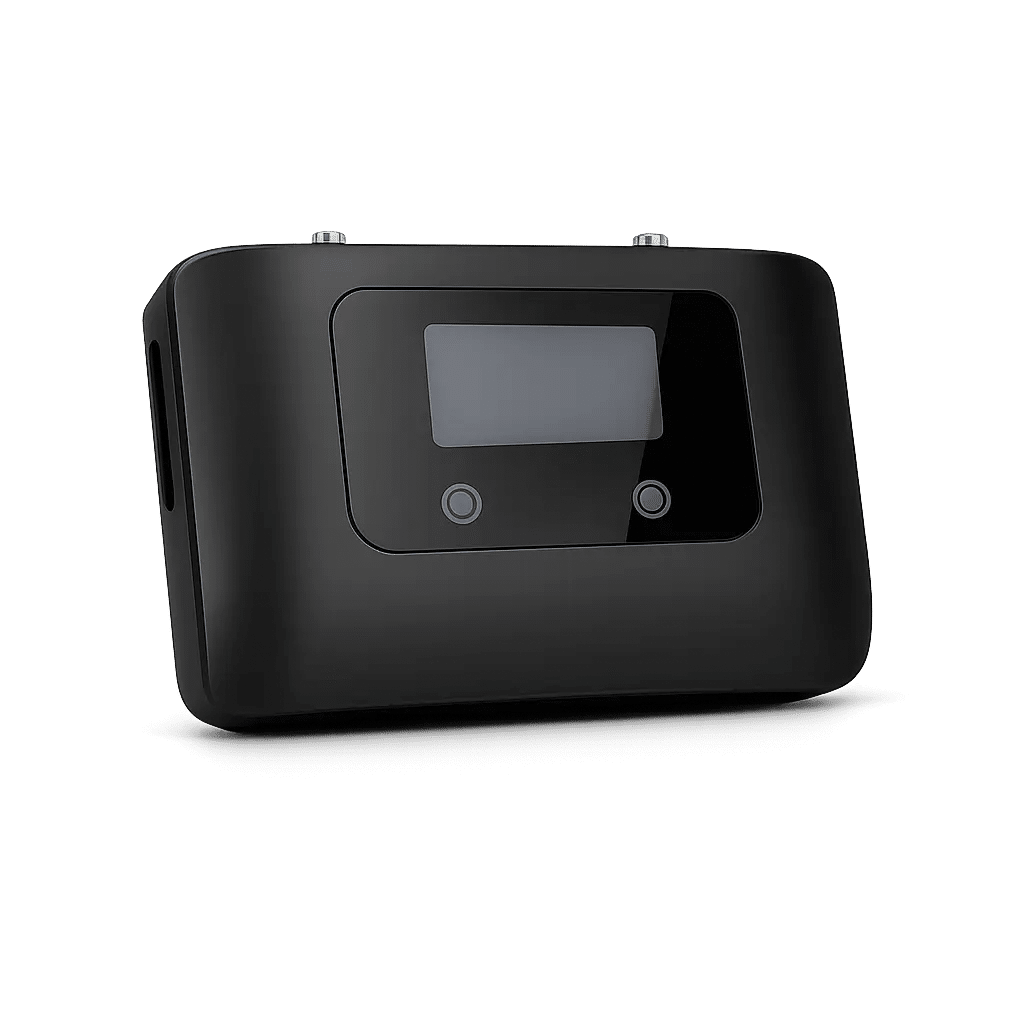
Coverage: 300 SQM
Ideal for: Home


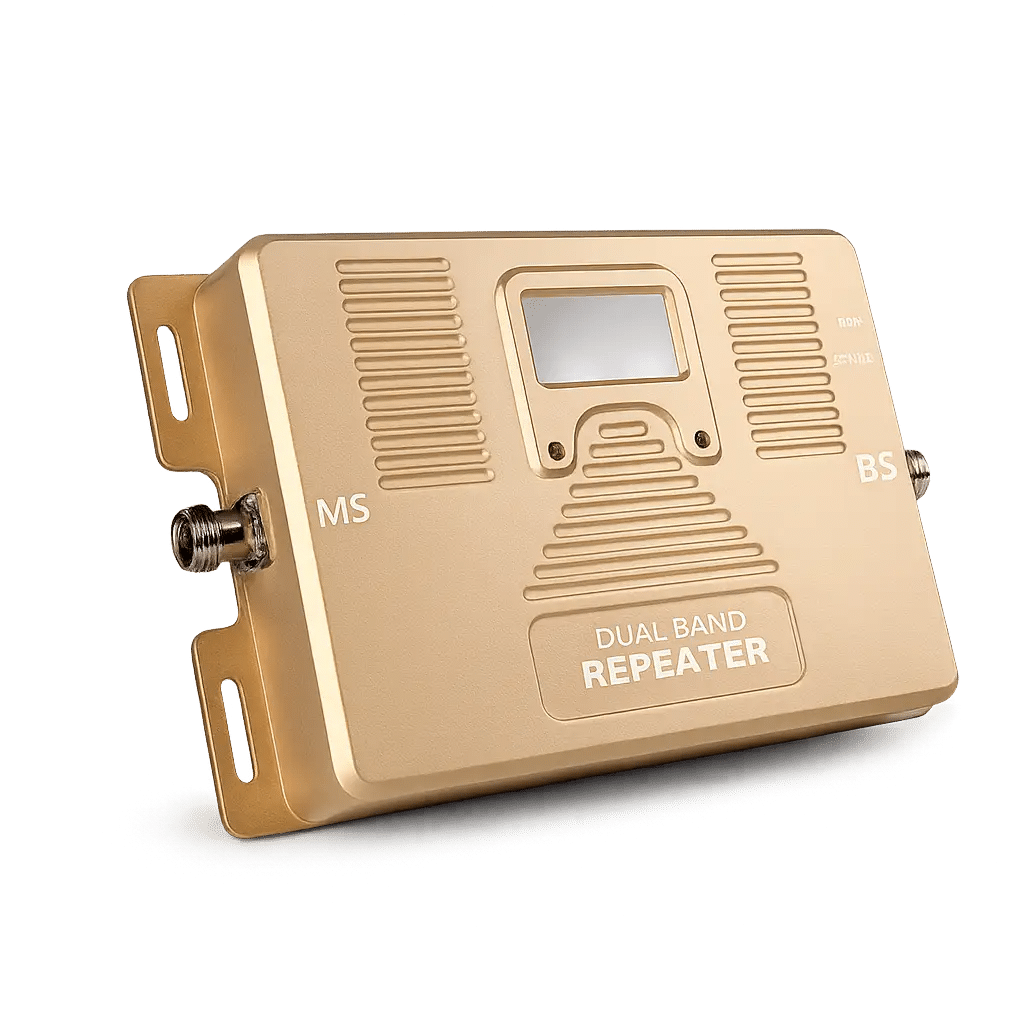
Coverage: 500 SQM
Ideal for: Medium Offices, Studios, And Homes

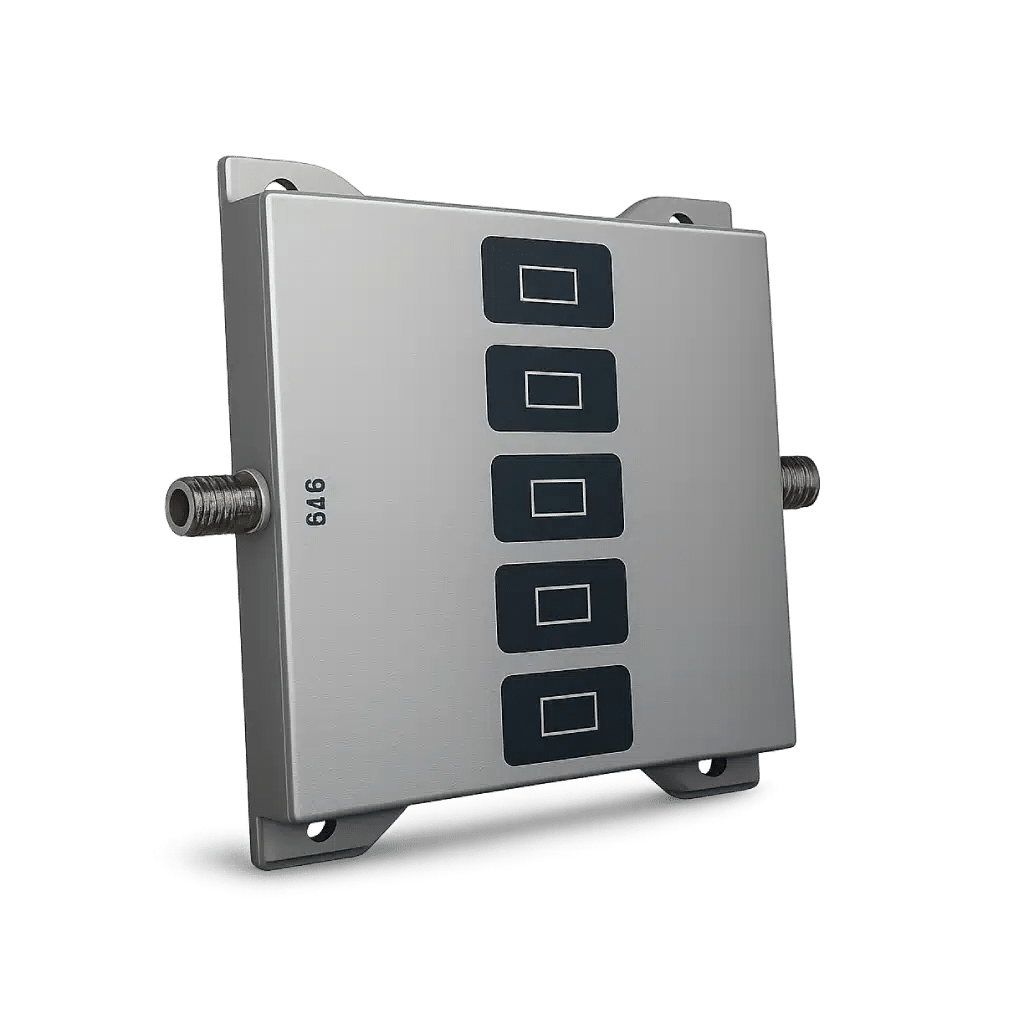
Coverage: 300 SQM
Ideal for: Home

Coverage: 1000 SQM
Ideal for: Hotel

©Copyright 2026 SignalBoosters. All Right Reserved
