Free delivery included · Arrives in 5–7 working days
How to Extend Your Signal Booster Antenna Cable in the UK
Quick Answer: To extend your antenna cable, use high-quality, low-loss coaxial cable like LMR-400. Avoid cheap, thin cables such as RG-58, which cause massive signal attenuation. Keep your total cable run as short as possible, ensuring all connections are N-type and properly weatherproofed to maintain your system’s performance and Ofcom compliance.
You have spent the afternoon crawling through the loft and clinging to a ladder, only to realise your external antenna cable is three metres short of the perfect spot. It is a classic amateur RF engineer’s mistake. You are now tempted to buy a cheap extension lead off a marketplace site and bridge the gap. Stop right there. After testing hundreds of booster setups across the UK, I have seen more systems ruined by bad cabling than by any other single factor.
The length of your antenna cable is not just a logistical detail. It is a fundamental part of the signal chain. If you extend it incorrectly, you will lose more signal in the wire than you gain from the antenna. In my 12 years as an RF engineer, I have learned that the quality of your copper is as vital as the quality of the device on the wall.
The Physics of Cable Loss
When you talk about radio frequency (RF) signals travelling down a wire, you are essentially asking electrons to perform an obstacle course. Every metre of cable introduces what we call attenuation. This is the progressive loss of signal strength as it travels. In the world of RF, this is measured in decibels (dB).
Every decibel of loss is a direct hit to your potential signal strength indoors. If your external donor antenna is pulling in a usable signal at -80 dBm, but you use a poor-quality cable that causes 6 dB of loss, your signal arrives at the repeater at -86 dBm. That might not sound like much on paper, but in the binary world of 4G and 5G connectivity, it can be the difference between a rock-solid link and a paperweight.
You cannot escape physics, but you can manage it. The goal is to minimise the dB loss per metre. This is why you must avoid the skinny, flexible cables that come bundled with entry-level kits. They are often made with cheap materials and poor shielding. They are fine for a 1-metre hop, but they are a death sentence for a 10-metre run.
Choosing the Right Coaxial Cable
If you are serious about fixing your connectivity, stop looking at generic extensions and start looking for LMR-400 or its equivalent. This is the industry-standard coaxial cable for signal booster installations in the UK. It is thick, stiff, and has a heavy copper inner conductor that allows signals to travel with minimal resistance.
The difference in performance between LMR-400 and standard cables is immense. While an RG-58 cable might lose 25 dB or more over a 20-metre run, a quality LMR-400 cable might lose less than 5 dB over the same distance. The math dictates your purchase. If you must extend your cable, choose the thickest, best-shielded low-loss cable you can afford.
Do not be tempted by daisy-chaining adapters. Every time you connect two pieces of cable, you introduce a junction. A junction is a point of resistance, a potential failure point, and another source of signal reflection. Always aim for a single, continuous run of high-quality cable from the antenna to the repeater unit. If you find a cable that is too long, you are better off keeping the excess (coiled loosely) than cutting and splicing it yourself without professional crimping tools.
Installation Best Practices
Mounting your extension requires the same precision as the initial installation. The most important fact you need to remember is that moisture is the enemy of radio signals. Water ingress into a coaxial cable will corrode the copper and destroy the shielding within weeks. If your extension cable runs outdoors, you must protect every connection point.
Use self-amalgamating tape to seal every outdoor connector. This tape bonds to itself to form a watertight, rubberised seal that keeps the elements out of your coax. If you do not seal the connections, the cable will act like a sponge, drawing water into the dielectric material and turning your shiny new extension into a giant dampener.
Additionally, pay attention to the cable route. Try to keep the cable away from power lines and electrical cables. Radio signals are susceptible to electromagnetic interference (EMI). Running your antenna cable alongside a mains power cable is an invitation for noise to seep into your signal path. Keep them at least 15 centimetres apart where possible. If you must cross a power cable, do it at a 90-degree angle to reduce potential interference.
Ofcom and Legal Compliance
There is a misconception that “legal” signal boosters have some magic aura that prevents interference, regardless of the antenna or cable setup. That is not the case. The legal status of your device under Ofcom’s IR2102 standard is predicated on the system operating within specific, safe parameters.
If you extend your cable and end up with a system that has too much gain, or if you create a feedback loop due to poor cable shielding, you are still responsible for the interference. A system that works perfectly with a 5-metre cable might become unstable if you attach a 30-metre length of unshielded, poor-quality junk wire. The booster will detect the signal loss, crank up the gain to compensate, and potentially start oscillating.
Oscillation is the state where the booster creates a feedback loop, effectively broadcasting a “scream” that jams the local mobile network mast. That is when the Ofcom enforcement officers show up. As long as you use high-quality, low-loss cables and keep your physical separation distances correct, you remain on the right side of the law.
Frequently Asked Questions
Can I just buy a generic cable extension from a hardware store?
You should avoid generic cable extensions unless they explicitly meet the low-loss specification required for your specific frequency bands (such as 800MHz or 1800MHz). Standard TV aerial cable is designed for different frequencies and impedances, and using it will result in significant signal attenuation or complete failure of your booster system.
How long can I make the antenna cable run?
There is no absolute limit, but in practical home or office installations, you should try to keep the total run under 20 metres. Beyond this distance, even with high-quality LMR-400 cable, the signal loss becomes significant enough to degrade your performance to the point where the repeater provides little benefit.
Do I need special tools to install a new cable?
You will need a decent pair of wire strippers and a crimping tool if you are fitting your own connectors, but I highly recommend buying cables that come pre-terminated with N-type connectors. Installing your own connectors is notoriously difficult to get right, and a bad connector is just as bad as a bad cable.
Will extending the cable make my signal stronger?
No, extending the cable will only ever make your signal weaker. The goal is to extend the cable to get the antenna into a better position, which gains you more signal than you lose in the transit down the wire. If the extra length does not put the antenna in a better spot, do not add it.
Is it legal to have a long antenna cable?
Yes, the physical length of the cable is not regulated, but the total performance of your system is. If your extension causes your booster to oscillate or leak interference because it has been poorly shielded or installed, you are liable for that interference regardless of the cable length.
The Bottom Line
Extending your signal booster antenna cable is a trade-off between the placement of your antenna and the inevitable loss of signal strength. If you need that extra distance to reach a clear line-of-sight for your outdoor donor antenna, use the best LMR-400 coaxial cable you can find. Seal the connections with self-amalgamating tape, avoid cheap adapters, and ensure your cable run is as direct as possible. For professional-grade antenna kits that work right out of the box, browse our range at MySignalBoosters.com.
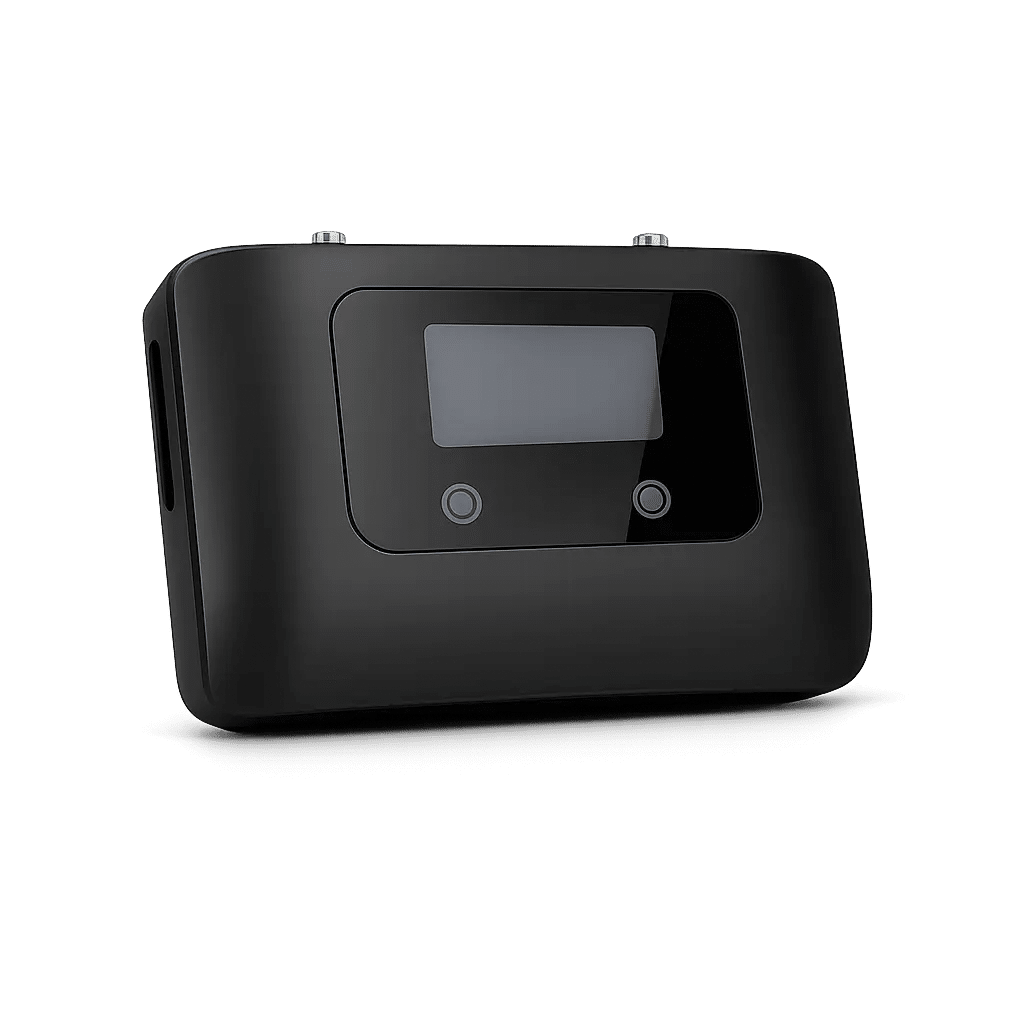
Coverage: 300 SQM
Ideal for: Home


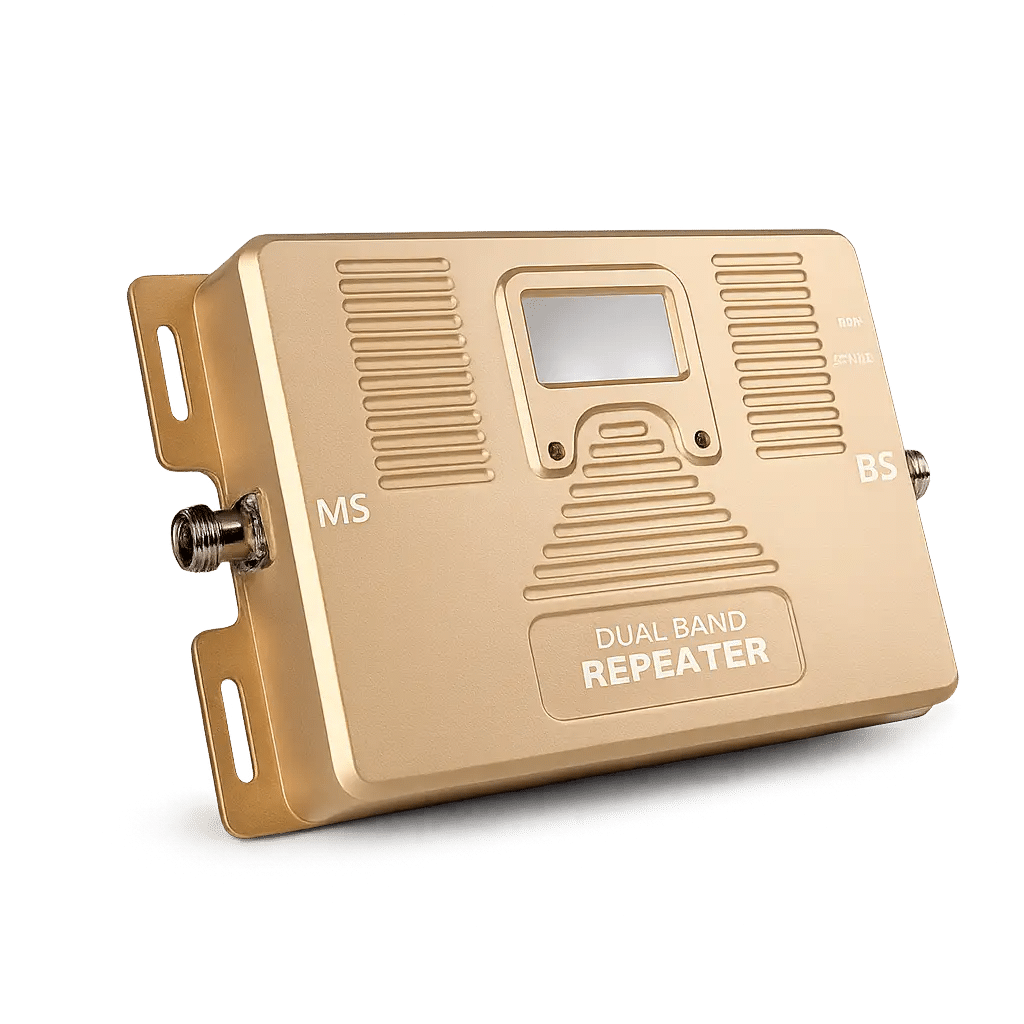
Coverage: 500 SQM
Ideal for: Medium Offices, Studios, And Homes

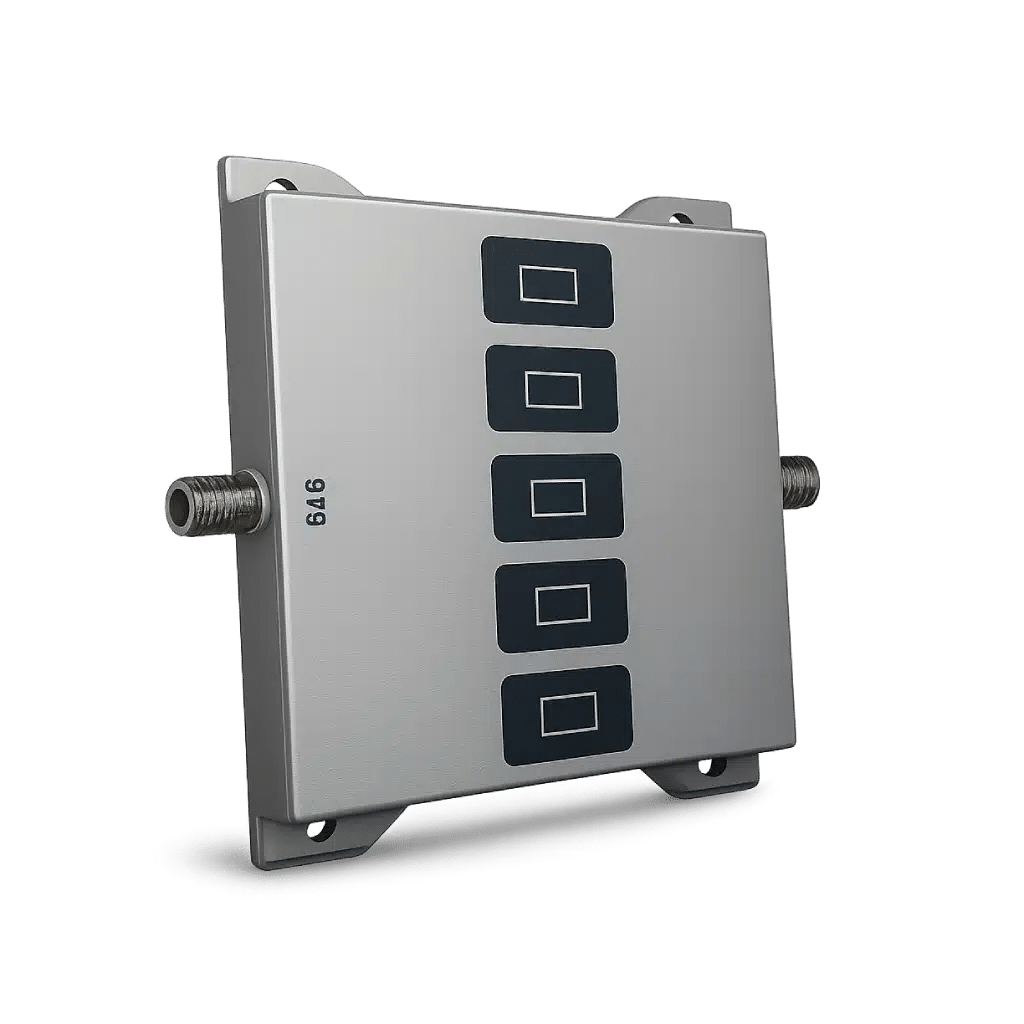
Coverage: 300 SQM
Ideal for: Home

Coverage: 1000 SQM
Ideal for: Hotel
