Free delivery included · Arrives in 5–7 working days

Shop mobile signal boosters
Get a stronger mobile signal at home or work. Delivery in 5-7 working days. 30-day returns.
How to Extend Signal Booster Coverage Indoors UK
Quick Answer: To effectively extend static mobile signal repeater coverage indoors, you must first maximize the incoming signal using a high-gain directional donor antenna, ensuring your outdoor measurement is better than -100 dBm. You then need to distribute this amplified signal using a multi-port repeater and specialized internal antennas (domes or panels) connected via low-loss cable to bypass severe internal building penetration loss.
The grim reality of poor indoor coverage isn’t usually the network’s fault; it’s the architectural hostility of your building. Thick stone walls, metal reinforcement, or foil-backed insulation act like a mobile phone sarcophagus, weakening the radio waves (4G/LTE and 5G) the moment they cross the threshold. In my 12 years as an RF engineer, I can confirm that extending coverage is a two-part solution: boosting the input and optimizing the output.
Step 1: Fix the Input Signal (dBm and Directional Antennas)
A repeater system can only amplify the signal it receives. If the source signal is weak, the coverage boost will be negligible. Maximizing indoor coverage starts on the outside of your property. This involves converting a weak signal into a highly boostable signal.
First, stop trusting the optimistic lies of signal bars. You need a numerical measurement in negative decibel-milliwatts (dBm), where a value closer to zero is stronger. An outdoor reading must be better than -105 dBm for a booster to be effective.
The physical placement of the external donor antenna is the number one cause of booster failure, or success. To ensure maximum signal capture and thus greater indoor range, follow these rules:
Go High: Mount the donor antenna on the highest possible point of your structure to minimise physical obstructions like hills and trees.
Go Clear: Ensure the antenna has a clear line-of-sight path to the nearest mobile mast.
Go Aimed (Directional Only): If you are in a rural location, use a high-gain directional antenna pointed precisely at the nearest mast for your network. This can drastically improve the incoming dBm reading.
If your starting signal is below -95 dBm, a High-Gain 5G/MIMO Directional System is necessary to achieve high-capacity data and maximum indoor coverage extension. These systems typically retail around £600 and up.
Step 2: Bypass Internal Penetration Loss with Multiple Antennas
Once the signal is boosted inside the main repeater unit, the next challenge is getting that signal to penetrate internal structural barriers like thick internal partition walls and reinforced concrete. This is where building penetration loss strikes again.
For standard homes or small flats, a single internal antenna provided with an Entry-Level or Mid-Range Repeater (typically up to 4 rooms) may suffice. However, for large internal footprints, multiple floors, or properties like converted warehouses where steel bulkheads are a factor, you need a distributed antenna system.
To successfully cover a large house (such as a 25m by 30m footprint over two floors), you may need to use a splitter to feed the signal to two or more internal antennas. You should confirm that the distance required between units is maintained to avoid interference issues. In my professional experience, attempting to cover multiple floors with steel reinforcement or thick stone requires strategic placement of internal antennas on each floor.
Key hardware needed to extend coverage through multi-floor distribution:
Multi-Port Repeater: A main unit with multiple outputs.
Signal Splitter/Coupler: Devices inserted into the coaxial cable line to divide the amplified signal path.
Low-Loss Coaxial Cable: High-quality cable, designed for minimal signal degradation over longer runs, as opposed to standard consumer-grade cable like RG6.
Internal Antennas (Dome or Panel): These antennas re-radiate the signal into the desired areas, such as the centre of a large floor plan.
The Non-Negotiable Requirement: IR2102 Compliance
Extending coverage using non-compliant grey-market boosters is a criminal offence under the Wireless Telegraphy Act 2006. Illegal repeaters can cause harmful interference to licensed Mobile Network Operator (MNO) masts, risking fines up to £5,000.
The only legal system you can install is a static indoor repeater that strictly meets the UK Interface Requirement 2102 (IR2102). These legally compliant ‘smart’ systems use crucial features like Automatic Gain Control (AGC) and digital filtering to ensure they never overload the network, even when boosting the signal to maximum coverage. Furthermore, professional-grade systems often require firmware updates to maintain network safety and compatibility.
Frequently Asked Questions
Is a mobile signal booster legal to use in a UK home or business?
Yes, boosting mobile signal is legal in the UK only if the device is a license-exempt static indoor repeater that strictly meets the technical specification set out by Ofcom, known as the UK Interface Requirement 2102 (IR2102). The use of non-compliant devices remains unlawful.
What is a good signal strength (dBm) for my phone?
Signal strength is measured in negative decibel-milliwatts (dBm), where a value closer to zero means a stronger signal. A reading of -85 dBm or better is considered excellent for calls and data, while readings worse than -110 dBm mean data speeds will be unusable and calls will drop.
How do I check my mobile signal strength (dBm) before buying a booster?
The only dependable metric is signal strength measured precisely in negative decibel-milliwatts (dBm). iPhone users typically dial 3001#12345# and press call to enter Field Test Mode to find this reading.
Can one signal booster cover all UK networks?
Yes, modern, legally compliant static indoor repeaters are typically multi-band devices engineered to boost signals across the various LTE bands used by all major UK mobile networks: EE, Vodafone, O2, and Three. One system is sufficient to cover multiple carriers simultaneously.
How much should I expect to pay for a reliable signal repeater?
You should expect to budget at least £275 for an entry-level, legal, Ofcom-compliant repeater. Mid-range systems for standard homes typically retail around £450, while high-gain 5G/MIMO systems for large or rural properties start at approximately £600.
The Bottom Line
Stop guessing with signal bars and invest in reliable hardware that defeats building penetration loss permanently. To effectively extend mobile signal booster coverage indoors, you must first ensure your outdoor signal is strong (ideally better than -100 dBm) and then use a legally compliant IR2102 static repeater that supports either multi-band or a distributed antenna system for large areas. The only sensible choice is a professional-grade, certified system designed to provide stable, network-safe indoor coverage across all UK networks.
Find your smart, legal repeater system and directional antenna kits today at MySignalBoosters.com.
Shop mobile signal boosters
Get a stronger mobile signal at home or work. Delivery in 5-7 working days. 30-day returns.
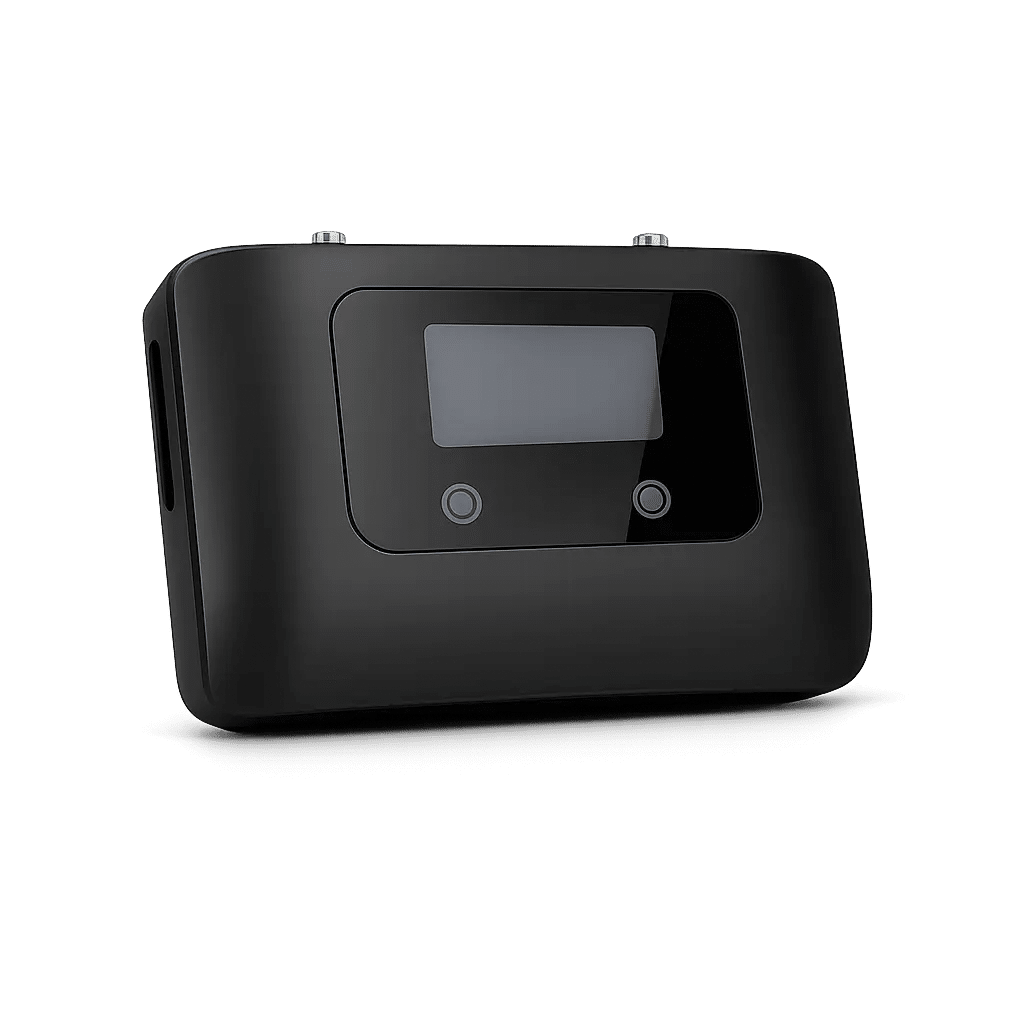
Coverage: 300 SQM
Ideal for: Home


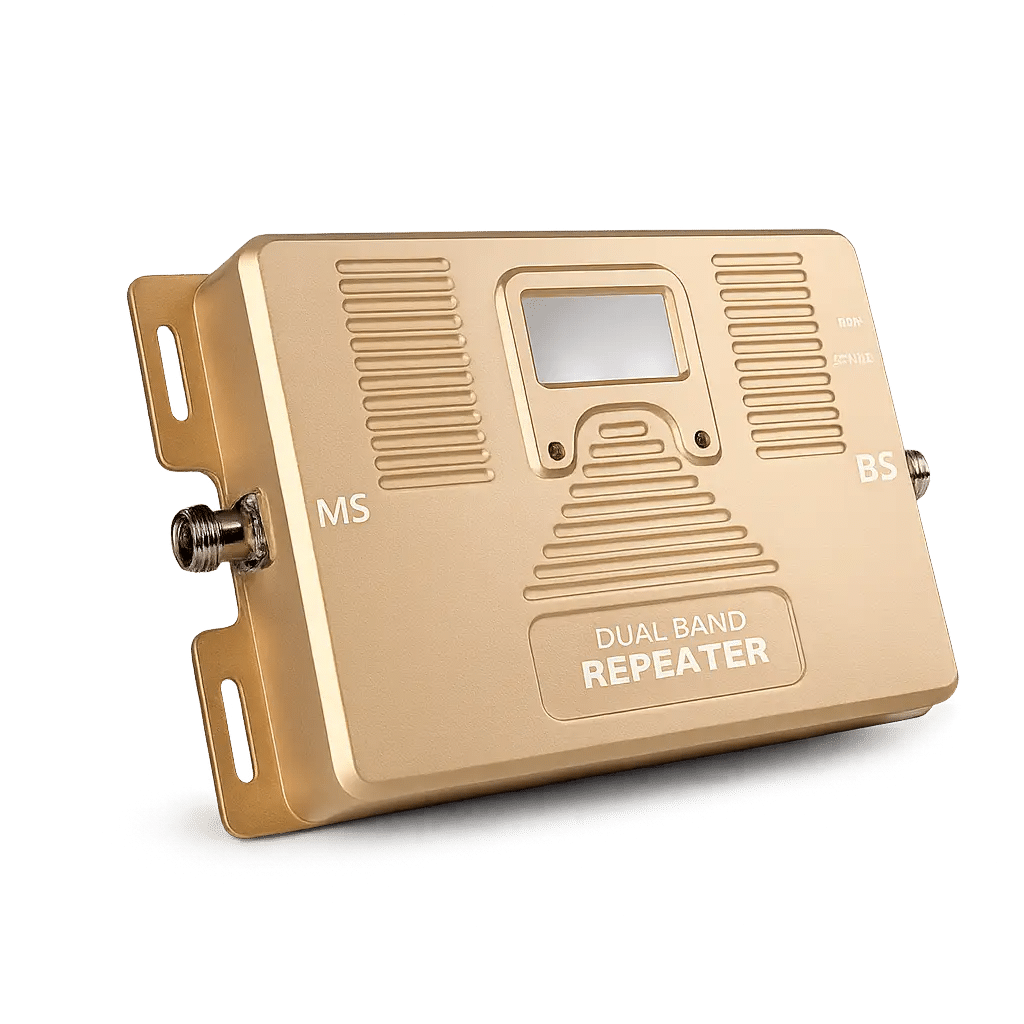
Coverage: 500 SQM
Ideal for: Medium Offices, Studios, And Homes

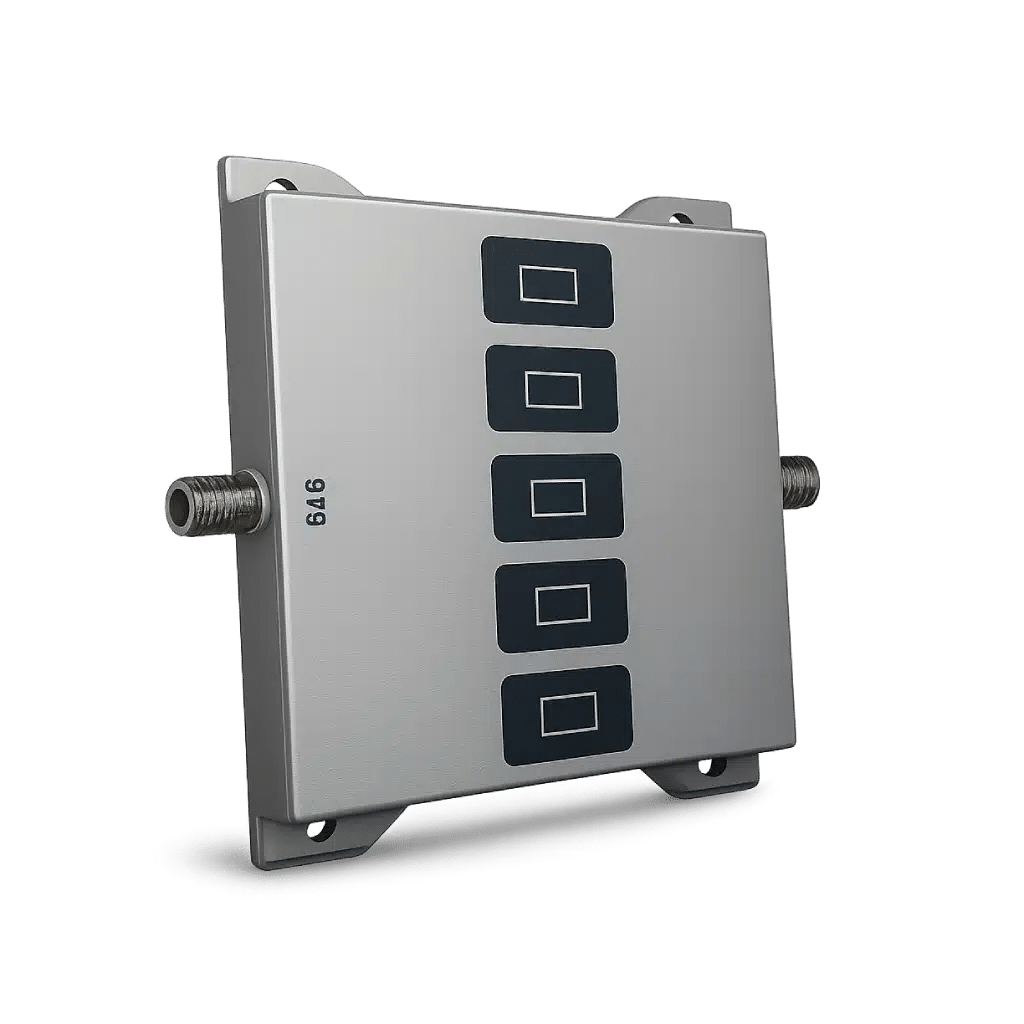
Coverage: 300 SQM
Ideal for: Home

Coverage: 1000 SQM
Ideal for: Hotel
