Free delivery included · Arrives in 5–7 working days

Shop mobile signal boosters
Get a stronger mobile signal at home or work. Delivery in 5-7 working days. 30-day returns.
How to Fix Mobile Signal Blackspots UK 2026
Quick Answer: To permanently fix mobile signal blackspots, you must install a license-exempt static indoor repeater that strictly meets the Ofcom IR2102 technical standard. This hardware bypasses structural hostility (building penetration loss) by capturing a strong signal outside and rebroadcasting it cleanly inside your home or office.
That flickering 4G bar is not a minor annoyance; it’s the physical manifestation of your connectivity failing due to physics. Whether you are fighting thick walls in your house or struggling for data in a remote croft, the solution demands certified hardware and a clear diagnosis. In my 12 years as an RF engineer, I’ve confirmed that the biggest barrier to reliable indoor mobile signal is always understanding the law and correctly diagnosing the raw external signal strength in dBm. This guide explains how to fix mobile signal blackspots UK 2026 legally and permanently.
Diagnosing the Problem: Understanding Signal Strength (dBm)
Before spending a single pound on hardware, you must stop trusting the unreliable visual signal bars on your phone. Mobile connectivity is measured in negative decibel-milliwatts (dBm), meaning a value closer to zero is stronger. The signal strength outside dictates everything.
A reading of -85 dBm or better is considered excellent for reliable calls and fast data indoors.
If your reading is consistently worse than -110 dBm, the signal is unusable noise.
You must access your phone’s Field Test Mode to measure your raw external signal.
The reason the signal often dies inside is due to building penetration loss. Dense materials like concrete, steel, heat-reflective glass, or thick stone walls severely weaken the high-frequency 4G and 5G radio waves. A repeater’s entire job is to bypass this loss.
The Only Legal Fix: The Ofcom IR2102 Repeater
The UK market is rife with cheap, generic boosters that claim to fix signal but are, in fact, unlawful. Using a non-compliant repeater risks substantial penalties, potentially including fines up to £5,000.
The law, set out in the Wireless Telegraphy Act 2006, mandates that only one type of equipment is legal for self-installation without an individual spectrum license: a static indoor repeater that strictly adheres to the Ofcom IR2102 technical standard.
These legal devices are “smart repeaters”. They incorporate technical safeguards like Automatic Gain Control (AGC) and digital filtering to ensure they only amplify signals belonging to authorised UK mobile networks (EE, Vodafone, O2, Three) without causing harmful interference.
It is critical to note that static IR2102 repeaters are unlawful for use while a vehicle is in motion. For moving vehicles like business travel cars, the only compliant option is a legal, low-gain in-vehicle repeater system, typically retailing around £300 to £450.
Choosing the Right System to Defeat Blackspots
The severity of your blackspot—the level of building penetration loss—dictates the required hardware class. For maximum penetration, ensure the system supports the long-range 700MHz and 800MHz LTE bands, which travel farther and penetrate walls better.
| Product | Price | Coverage | Best For | Verdict |
|---|---|---|---|---|
| Entry-Level IR2102 Repeater | typically retails around £275 | 1–2 rooms | Small flats with strong outdoor signal | Too weak for significant structural issues. |
| Mid-Range Multi-Band Repeater | typically retails around £450 | Up to 4 rooms | Standard semi-detached houses (multi-network) | Solid choice for coping with common internal structural issues. |
| High-Gain 5G/MIMO System | typically retails around £600 and up | Multiple floors (up to 1,500 sq m) | Large homes or weak external signal (below -95 dBm) | Necessary for thick walls, rural areas, or high-demand data. |
| Professional Ultra-Max System | typically retails from £850–£1,650+ | Up to 5,000 sq m | Basements, shopping centres, and sites with extreme concrete/steel. |
Targeting Specific Blackspots (Rural & Basement)
Some blackspots demand maximum legal power. In these cases, the solution always demands a High-Gain 5G/MIMO Directional System.
Defeating Rural Signal Blackspots
For remote locations, like crofts or off-grid properties, the issue is not just structural but geographical, involving distance attenuation and topographical masking. The external donor antenna must be mounted high up and aimed precisely at the nearest mobile mast to dramatically improve the incoming dBm reading before amplification. For example, EE is often cited as having the best overall network signal in 2026, making them a good mast target.
Overcoming Basement Blackspots
A basement living area or office faces the most extreme form of building penetration loss, caused by dense concrete and steel. For underground spaces, the Professional Ultra-Max System is often necessary, as it provides the maximum legal 100 dB gain required for deep concrete penetration.
Frequently Asked Questions
Is a 4G mobile signal booster legal to use in a UK home?
Yes, boosting mobile signal is legal in the UK only if the device is a license-exempt static indoor repeater that strictly meets the technical specification outlined by Ofcom in the UK Interface Requirement 2102 (IR2102). The use of non-compliant devices remains unlawful and risks substantial fines up to £5,000.
What is a good signal strength (dBm) for reliable 4G/5G data?
Signal strength is measured in negative decibel-milliwatts (dBm), meaning a value closer to zero is stronger. A reading of -85 dBm or better is considered excellent for reliable calls and fast 4G/5G data indoors.
How do I prevent signal booster overheating and feedback loops?
Overheating is primarily mitigated by ensuring the unit is installed in a well-ventilated area. A feedback loop (oscillation) is prevented by legal IR2102 repeaters using Automatic Gain Control (AGC) and by ensuring proper physical separation between the indoor and outdoor antennas.
Can one legal signal booster cover all UK networks, including MVNOs like Gamma Mobile?
Yes, all modern, legally compliant static indoor repeaters are typically multi-band devices engineered to boost signals across all major UK mobile networks simultaneously: EE, Vodafone, O2, and Three. This ensures one system covers multiple carriers and Mobile Virtual Network Operators (MVNOs) like Gamma Mobile or Talkmobile.
How much should I expect to pay for a high-gain legal repeater system?
For a professional-grade, legal, IR2102-compliant High-Gain system required for challenging structures like large houses, basements, or rural properties, you should budget at least £600 to £850 for the necessary hardware and directional antenna components.
The Bottom Line
A blackspot is not a mystery, it’s an engineering challenge caused by structural hostility or distance attenuation. Stop guessing with signal bars and find the truth in your outdoor dBm reading. The only sensible and legal way to fix mobile signal blackspots is to invest in a professional-grade, high-gain, Ofcom-compliant IR2102 static repeater system that is powerful enough to defeat the specific building penetration loss in your property.
Find your smart, legal repeater system and directional antenna kits today at MySignalBoosters.com.
Shop mobile signal boosters
Get a stronger mobile signal at home or work. Delivery in 5-7 working days. 30-day returns.
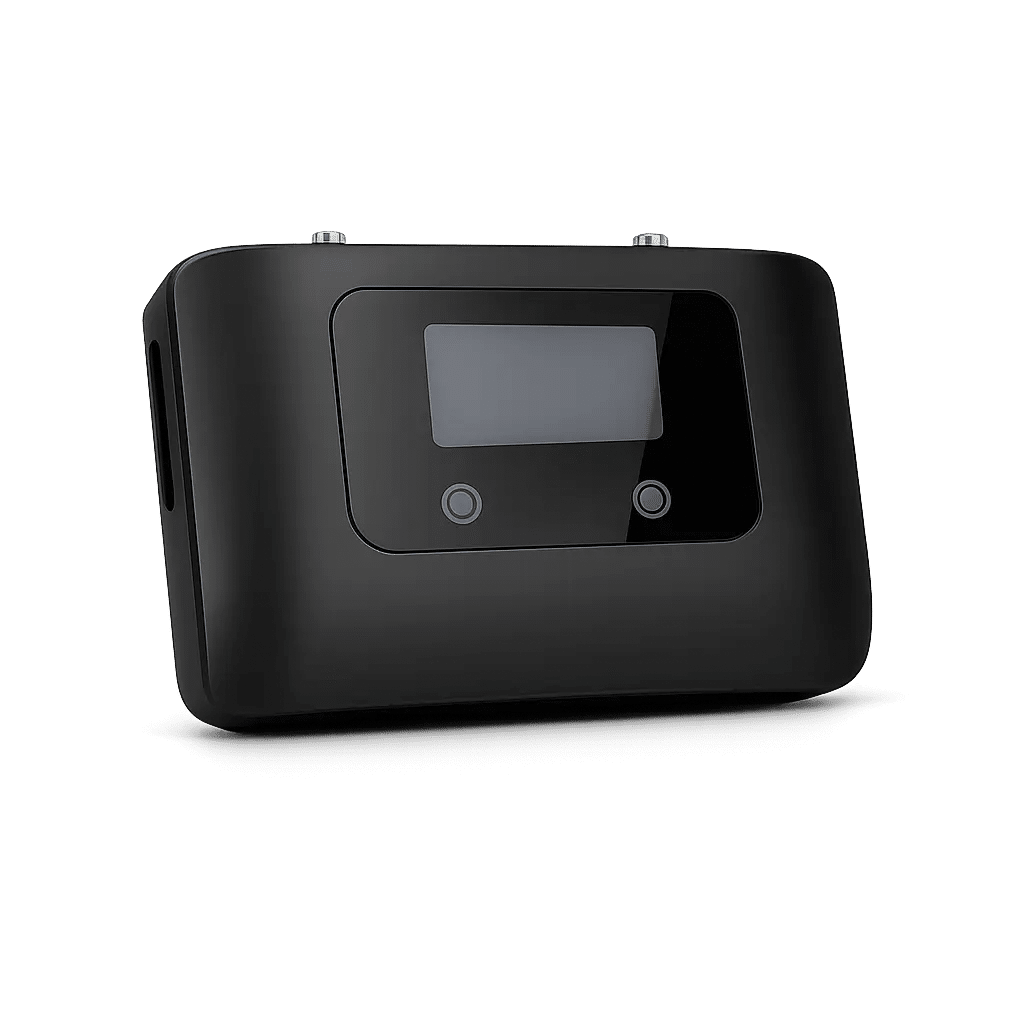
Coverage: 300 SQM
Ideal for: Home


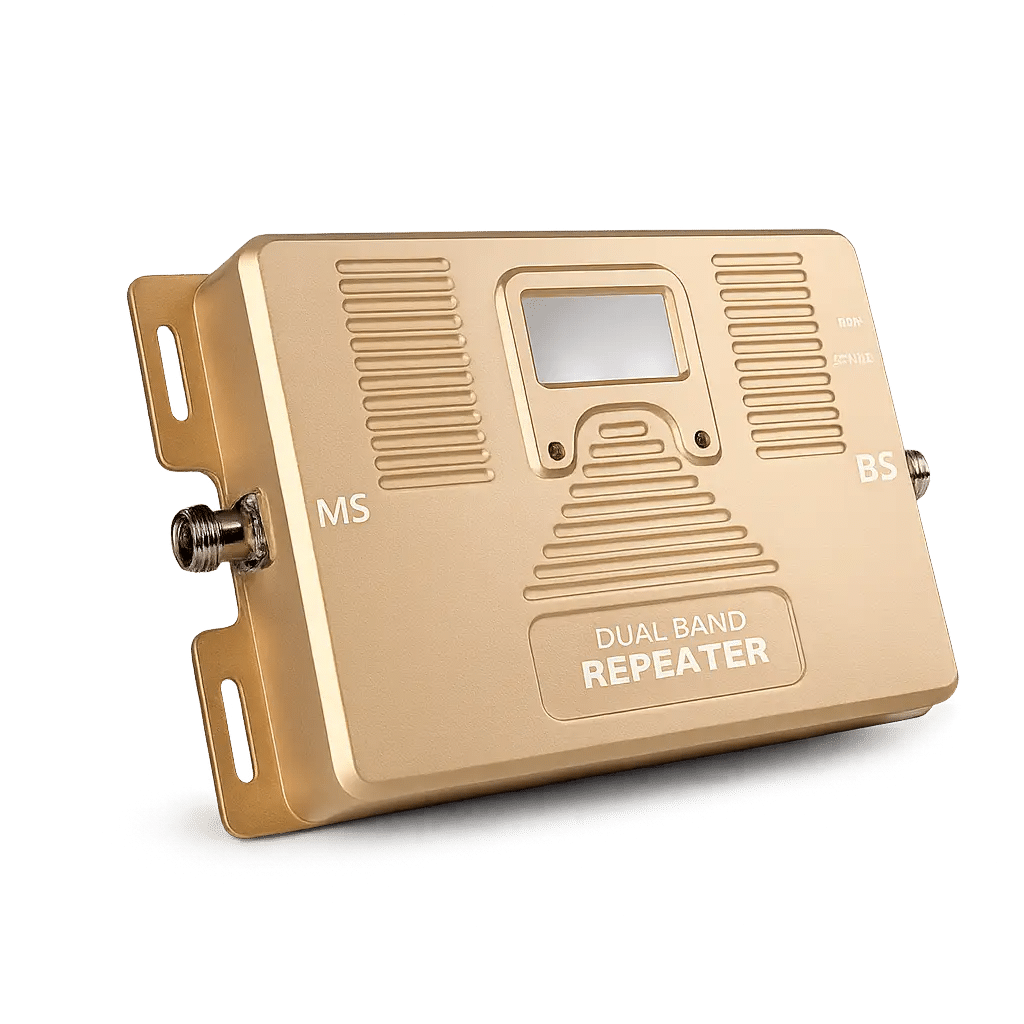
Coverage: 500 SQM
Ideal for: Medium Offices, Studios, And Homes

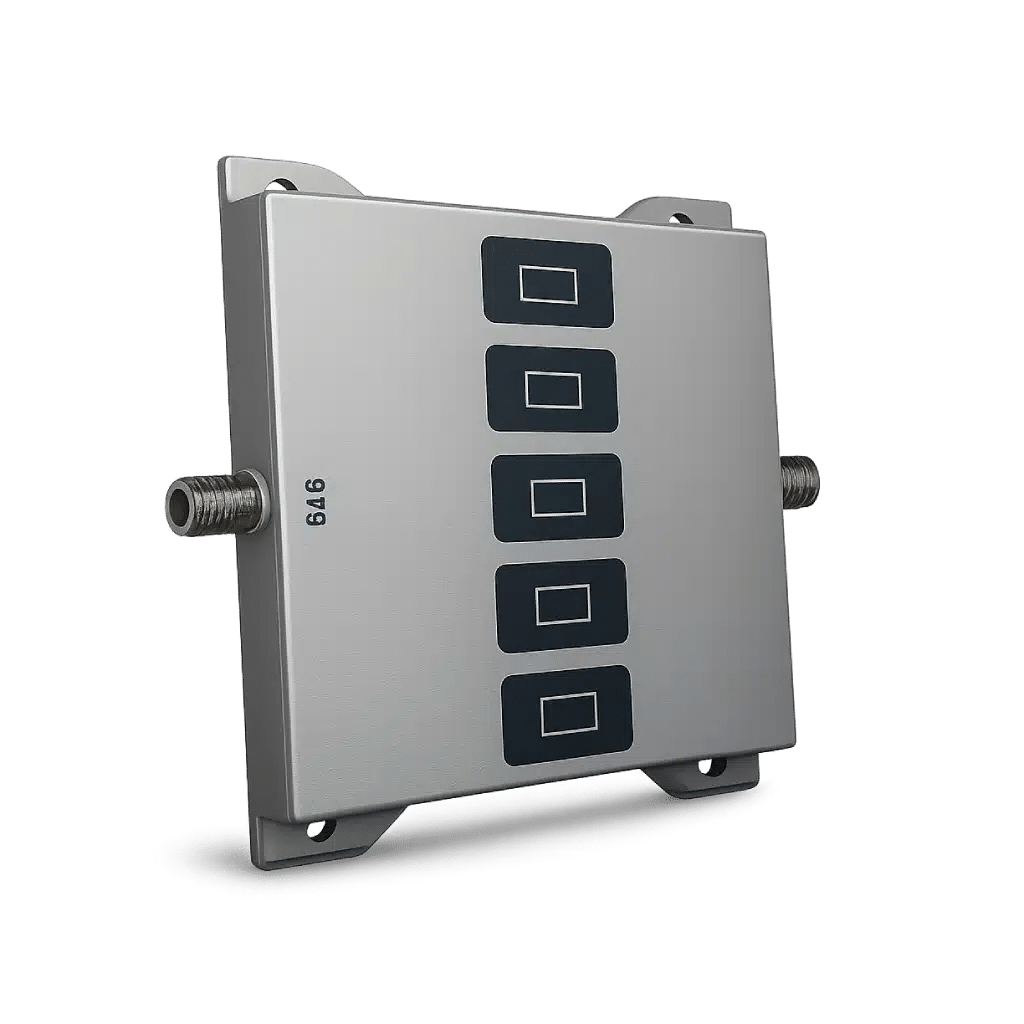
Coverage: 300 SQM
Ideal for: Home

Coverage: 1000 SQM
Ideal for: Hotel
