Free delivery included · Arrives in 5–7 working days

How to Fix Your Mobile Signal in Foggy UK Locations
Quick Answer: To improve mobile signal in areas prone to fog, you must install an Ofcom-compliant static indoor repeater with a high-gain directional donor antenna. Fog and heavy moisture attenuate high-frequency signals, but a high-gain setup allows your system to capture and boost the signal before it reaches your device.
Living in a coastal valley or a high moorland is charming until the visibility drops and your phone stops working. It is not just your imagination playing tricks on you. Dense fog and high atmospheric moisture contain water droplets that scatter and absorb radio waves, particularly at the higher frequencies used by 4G and 5G. If you are already struggling with poor reception, weather is the final nail in the coffin for your connectivity.
After 12 years working as an RF signal engineer, I have spent plenty of time on exposed hillsides trying to find a signal that the weather refuses to let through. You cannot control the British weather, but you can control the hardware you use to fight it. The solution is moving away from the internal antenna on your phone and using a system designed to punch through the interference.
Why Fog Attacks Your Mobile Signal
Radio waves are electromagnetic radiation, and they hate obstacles. Dense fog is essentially a thick soup of water droplets. When a signal travels through this, the droplets absorb a portion of the energy, reducing the signal strength by the time it reaches your home. This effect is magnified if you rely on high-frequency 5G, which naturally has a shorter range and struggles more with environmental attenuation than lower-frequency bands like 800MHz.
When you see your signal bars vanish during a heavy mist, you are witnessing this attenuation in real-time. If your baseline signal is already weak (for instance, -115 dBm), even a slight dip caused by the weather can push your phone into “no service” territory. You are not just fighting the building materials of your house; you are fighting the physics of the environment.
The Only Reliable Way to Boost Signal
There is no magical sticker or unbranded device from an online marketplace that will fix this. Those cheap boosters are often illegal, cause oscillation, and will get you into trouble with Ofcom. Instead, you need a legitimate, Ofcom-compliant static indoor repeater.
A professional system consists of three parts. First, an outdoor donor antenna sits high up to capture the signal. Second, a cable transfers this signal to an amplifier box inside. Third, an indoor antenna rebroadcasts the boosted signal throughout your rooms. By using a high-gain directional antenna (such as a Yagi), you can aim directly at the nearest mast, effectively ignoring the surrounding weather and atmospheric interference.
Choosing the Right Hardware
When selecting a system, consider your needs rather than the marketing fluff. Here are the common types of equipment:
Entry-Level IR2102 Repeater: Best for small flats or rooms where the outdoor signal is already decent but just needs a nudge indoors.
Mid-Range Multi-Band Repeater: Ideal for standard homes, managing multiple bands to keep your connection stable across different UK networks.
High-Gain 5G/MIMO Directional System: Essential for rural cottages or areas with heavy fog, providing the muscle to pull a usable signal from a distant, obscured mast.
Getting Your Antenna Placement Right
If you spend all your money on the best repeater but shove the external antenna under the eaves, you have wasted your time. In foggy or rural areas, placement is everything. You need to get that antenna as high as possible, ideally clear of the roofline and any nearby trees that hold moisture.
Use a compass or a map app to point your directional antenna precisely at the serving mast. If you have a friend help you, they can monitor your phone’s Field Test Mode (dBm) while you slowly rotate the antenna. Even a few degrees of adjustment can make the difference between a constant drop-out and a reliable 4G or 5G connection.
Frequently Asked Questions
Can I legally use a mobile signal booster in the UK?
Yes, you can, provided the device is an Ofcom-compliant, license-exempt static indoor repeater that meets the IR2102 technical standard. Using non-compliant, wideband repeaters remains illegal and can result in significant fines or equipment seizure by Ofcom.
How do I check my signal strength in dBm?
You should ignore the bars on your phone screen, as they are not accurate measurements. Instead, enter your phone’s Field Test Mode by dialing a specific code or checking your status settings to see your signal in decibel-milliwatts (dBm). A value of -70 dBm to -90 dBm is good, whereas anything below -110 dBm indicates poor reception that will struggle in bad weather.
Does fog actually make my mobile signal worse?
Yes, high levels of atmospheric moisture, like heavy fog, can attenuate or scatter radio signals. This is particularly noticeable with high-frequency 5G and 4G signals, which have less penetration capability than lower-frequency bands.
Which UK mobile network is best for rural areas?
EE is widely considered the strongest network for rural geographic coverage in the UK, often benefiting from the use of the 700MHz spectrum. However, you should always check the coverage maps for your specific postcode, as performance can vary significantly between local masts.
Will a repeater help if I have zero signal outside?
No, a booster cannot create a signal from thin air. You must have at least some usable signal outside your property (typically better than -110 dBm) for the external antenna to capture and the amplifier to process.
The Bottom Line
Foggy weather might be an annoyance, but it does not have to mean a complete loss of connectivity. By understanding that your signal is being physically absorbed by atmospheric moisture, you can take a technical approach to fix it. Measure your signal strength in dBm, choose a high-gain, Ofcom-compliant repeater system, and mount your donor antenna correctly to bypass the interference. For a professional assessment of the hardware you need for your specific building, browse our range of compliant systems at mysignalboosters.com.
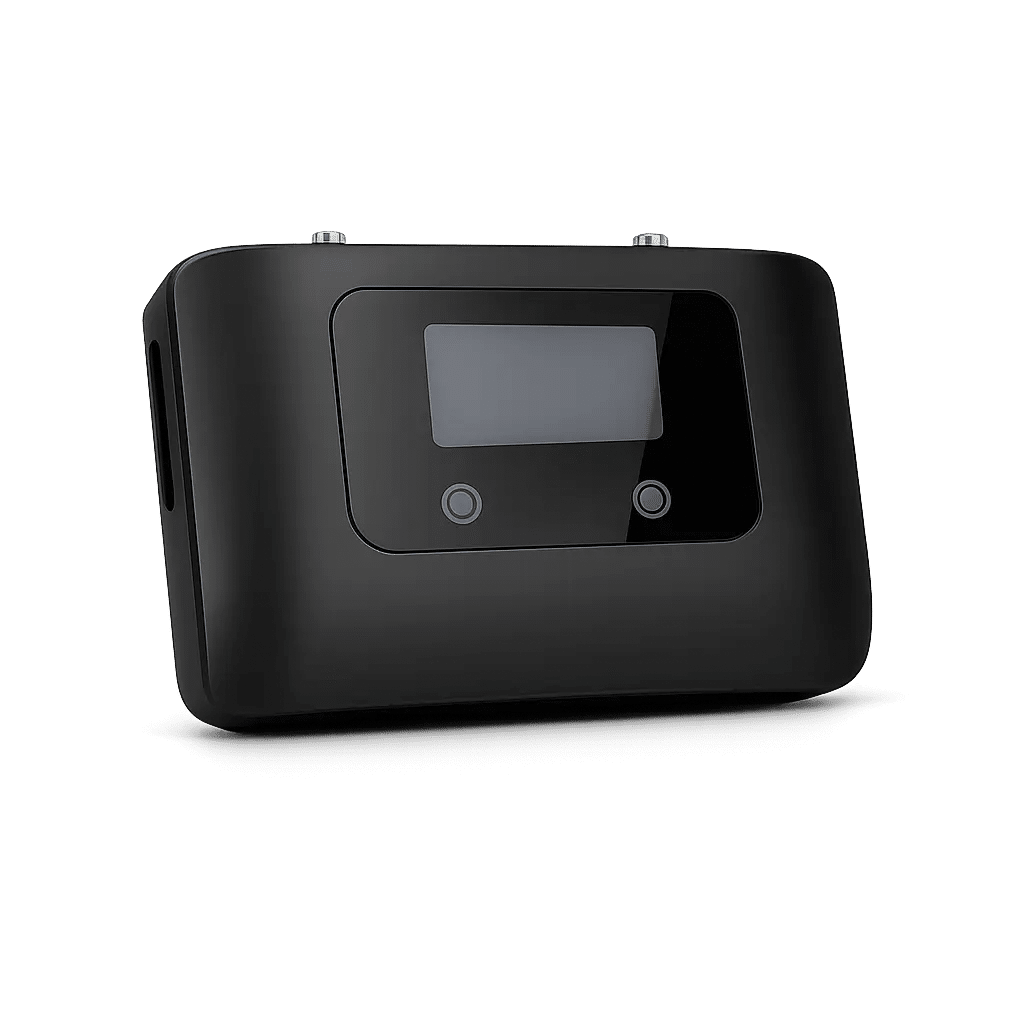
Coverage: 300 SQM
Ideal for: Home


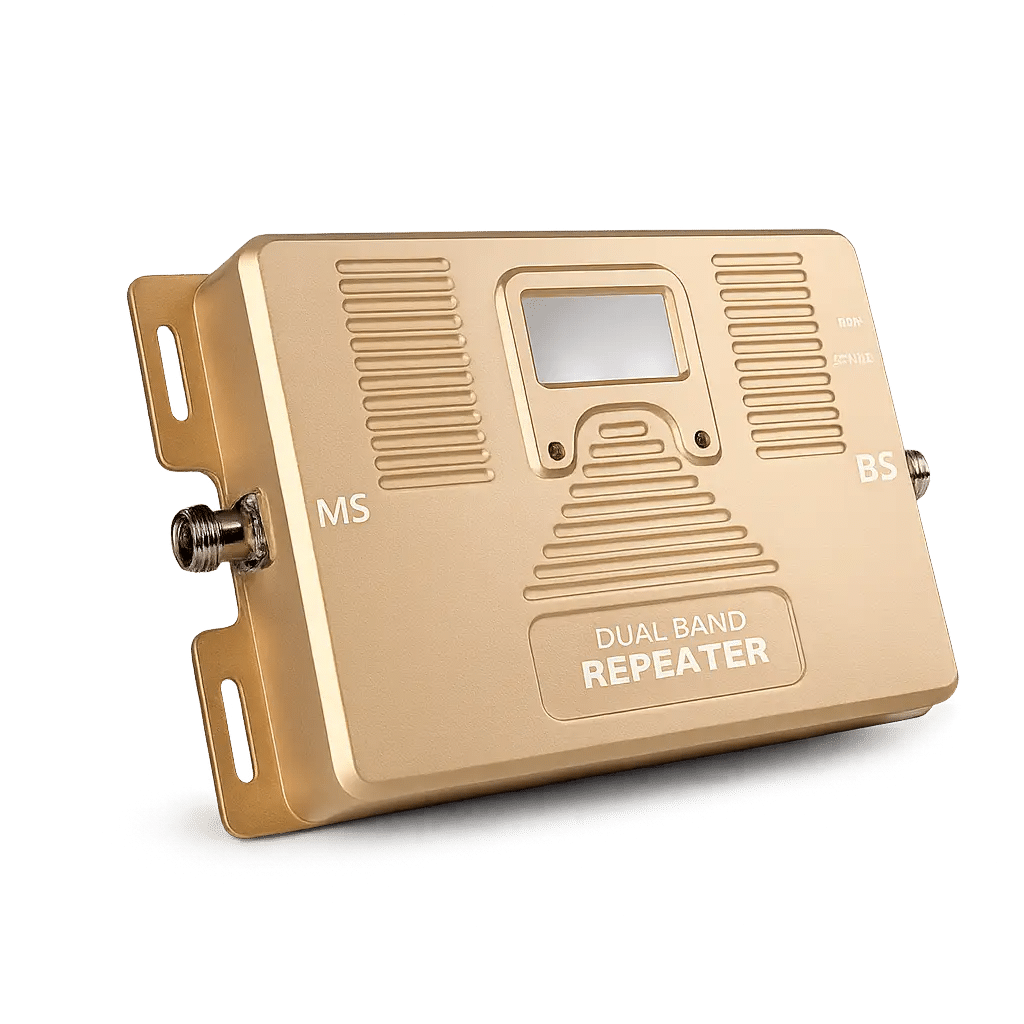
Coverage: 500 SQM
Ideal for: Medium Offices, Studios, And Homes

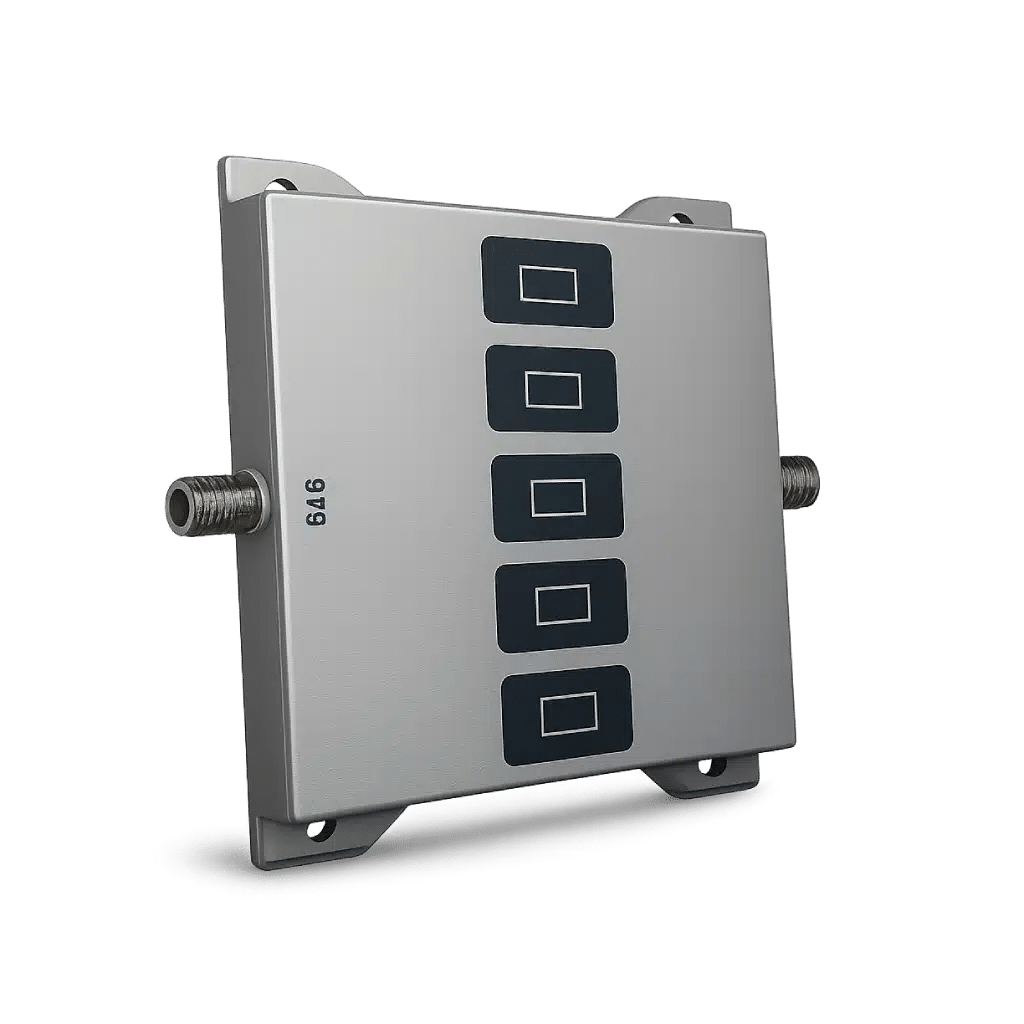
Coverage: 300 SQM
Ideal for: Home

Coverage: 1000 SQM
Ideal for: Hotel
