Free delivery included · Arrives in 5–7 working days

Shop mobile signal boosters
Get a stronger mobile signal at home or work. Delivery in 5-7 working days. 30-day returns.
How to Improve Mobile Signal in UK National Parks
Quick Answer: The most reliable way to improve mobile signal in UK National Parks (where service is often poor due to terrain and distance from masts) is installing a legally compliant mobile signal booster. These devices use a powerful donor antenna placed outdoors to capture weak LTE signals (down to -120 dBm) and amplify them indoors, providing robust coverage for all major UK networks, including EE, O2, Vodafone, and Three.
The views are stunning, the air is clean, and the mobile reception is usually utterly dreadful. Trying to run a remote holiday cottage, a farm, or simply trying to load a map is a frustrating British ritual when you are trying to figure out how to improve mobile signal in national parks UK.
National parks exist precisely because they are remote, rugged, and untouched. These are all conditions that conspire to murder your signal.
The Harsh Reality of Remote UK Signal
In low-coverage areas, you are battling two persistent technical enemies: distance and materials. Distance from the nearest cell mast means the incoming signal strength is already minimal (often below -110 dBm), leaving your phone struggling to maintain a connection.
Second, the buildings within national parks frequently use thick stone, slate, and heavy timber. This creates massive building penetration loss. Modern signals like LTE and 5G struggle to penetrate these barriers.
This often leads to the maddening phenomenon of having two bars of usable signal standing outside, but zero bars the second you walk inside. This indoor signal graveyard is precisely what a compliant booster is designed to fix. I vividly recall testing signal strength at a remote property in the Yorkshire Dales; the best outdoor reading we could pull was -118 dBm, which is barely usable even for emergency calls.
Trying to rely on Wi-Fi calling requires robust broadband infrastructure, which, ironically, is often just as unreliable as the mobile signal in these beauty spots. A repeater offers a self-contained solution.
Why Signal Boosters Work Where Phones Fail
A mobile signal booster, or repeater, operates on a very simple premise: pull in the weak outdoor signal and re-broadcast it strongly indoors. They do the job your phones internal antenna cannot manage.
The system relies on a high-gain donor antenna placed high on the roof, pointed directly towards the nearest mast. This antenna is drastically more powerful and sensitive than the tiny one inside your phone.
The captured signal is sent down a cable to the amplifier unit inside. The amplifier boosts the signal strength by a massive margin (measured in decibels, or dB), overcoming the building penetration loss. Finally, an indoor antenna re-radiates the improved signal inside your property, delivering reliable indoor coverage.
For those running businesses like B&Bs, campsites, or remote home offices, this shift from zero bars to full bars can be the difference between operating smoothly and having to apologise for poor service constantly.
A Note on Ofcom Compliance
It is critical to understand that most generic, wideband mobile repeaters sold online (especially older models) are technically illegal to operate in the UK under the Wireless Telegraphy Act 2006. These devices can interfere with mobile network operators (MNOs) frequencies and cause widespread disruption.
Any device you use must be licensed, or specifically authorised by the MNOs (EE, O2, Vodafone, Three). For personal and small business use, the only legal consumer-grade systems are those certified to prevent network interference, such as the Cel-Fi range. Ignore the cheap, uncertified junk found on auction sites; the fines from Ofcom are significant, and they do investigate.
Top Boosters for National Park Environments
Choosing the right equipment means focusing on two metrics: high gain to capture minimal rural signal, and legality. The following options are built to handle the challenging, fringe coverage often found in UK national parks.
| Product | Price | Coverage | Best For | Verdict |
|---|---|---|---|---|
| Cel-Fi GO X | around £750-£900 | Up to 1,500 sq m | Motorhomes/Single Premises | Unrivalled legality and gain; network switching needed. |
| SureCall Fusion5s | around £1,000-£1,200 | Up to 3,000 sq m | Large Detached Houses | High power, scalable repeater ideal for deep building penetration. |
| HiBoost F10-5S | around £450-£600 | Up to 500 sq m | Small Holiday Cottages | Cost-effective multi-user solution for smaller spaces. |
The most important feature for National Park coverage is the gain (amplification strength). When the signal strength is weak, typically reading below -100 dBm, you need a unit specifically designed for ultra-fringe environments. The Cel-Fi GO X is a perennial favourite in this niche because of its massive legal gain advantage over unlicensed kit.
Optimising Signal Capture: The Donor Antenna
The outdoor donor antenna is not an accessory; it is the cornerstone of your entire mobile signal solution. A mediocre amplifier paired with a superb antenna will outperform an expensive amplifier connected to a rubbish antenna every single time.
For deep rural locations and national parks, you should exclusively use a high-gain directional Yagi or Log Periodic antenna. These must be pointed accurately.
The Art of Antenna Aiming
Aiming the antenna requires technical precision beyond guesswork. We recommend using a field test app on your phone to find the maximum dBm reading. This identifies the direction of the strongest signal source.
Once you have located the strongest point (ideally reading better than -110 dBm), mount the directional antenna firmly outside the property, aimed exactly at that source. Due to the hilly topography of many national parks, this optimal direction may not be the closest mast. We strongly recommend testing multiple locations and heights before permanent installation.
For high-speed 4G (LTE) and 5G connectivity, advanced systems use MIMO (Multiple Input Multiple Output) technology, requiring two separate outdoor antennas. This setup is vital for maximizing data throughput, especially if you plan to use the boosted mobile signal for your primary rural internet connection.
Frequently Asked Questions
Can I use a regular repeater in the Lake District?
No, using an off-the-shelf, non-network-specific mobile repeater in the Lake District or anywhere else in the UK is illegal under the Wireless Telegraphy Act 2006, as these devices interfere with licensed LTE bands. You must use a solution specifically authorised by the UK networks (EE, Vodafone, O2, Three) or use devices like Cel-Fi, which are compliant.
Is it illegal to use a mobile signal booster in the UK?
Using an unauthorized booster is illegal; however, compliant devices like Cel-Fi repeaters are fully legal because they only amplify one mobile network’s signal at a time, ensuring they do not interfere with the wider UK radio spectrum.
How much signal strength (in dBm) do I need for a booster to work?
Ideally, you need a minimum stable outdoor signal of around -115 dBm for a high-gain booster to successfully lock onto and amplify the signal indoors. If your outdoor signal is consistently weaker than -120 dBm, the location may be considered an extreme “not spot,” requiring a specialized outdoor LPWA system.
Which network offers the best coverage in UK National Parks?
Coverage quality varies significantly depending on the specific location and terrain, but historically, EE and Vodafone tend to have the broadest and most robust coverage footprint in remote, rural signal areas compared to O2 and Three, although this is always changing as 5G rollouts continue.
What is the difference between a mobile signal booster and a femtocell?
A mobile signal booster (repeater) captures and amplifies an existing outdoor mobile signal via a donor antenna to provide indoor coverage. A femtocell (like Vodafone Sure Signal) uses a hardwired broadband connection to create a new localized cellular signal indoors, which requires a reliable internet connection.
The Bottom Line
Getting reliable signal in a national park is not a matter of luck; it is a matter of deploying the right equipment legally. Stop wasting time holding your phone out the window and invest in a compliant repeater system. By correctly installing a high-gain external antenna, you can convert that faint outdoor rural signal into robust indoor coverage for stable calls and quick data speeds, turning your remote property into a connected hub.
Find the perfect compliant mobile signal solution for your challenging environment today at MySignalBoosters.com.
Shop mobile signal boosters
Get a stronger mobile signal at home or work. Delivery in 5-7 working days. 30-day returns.
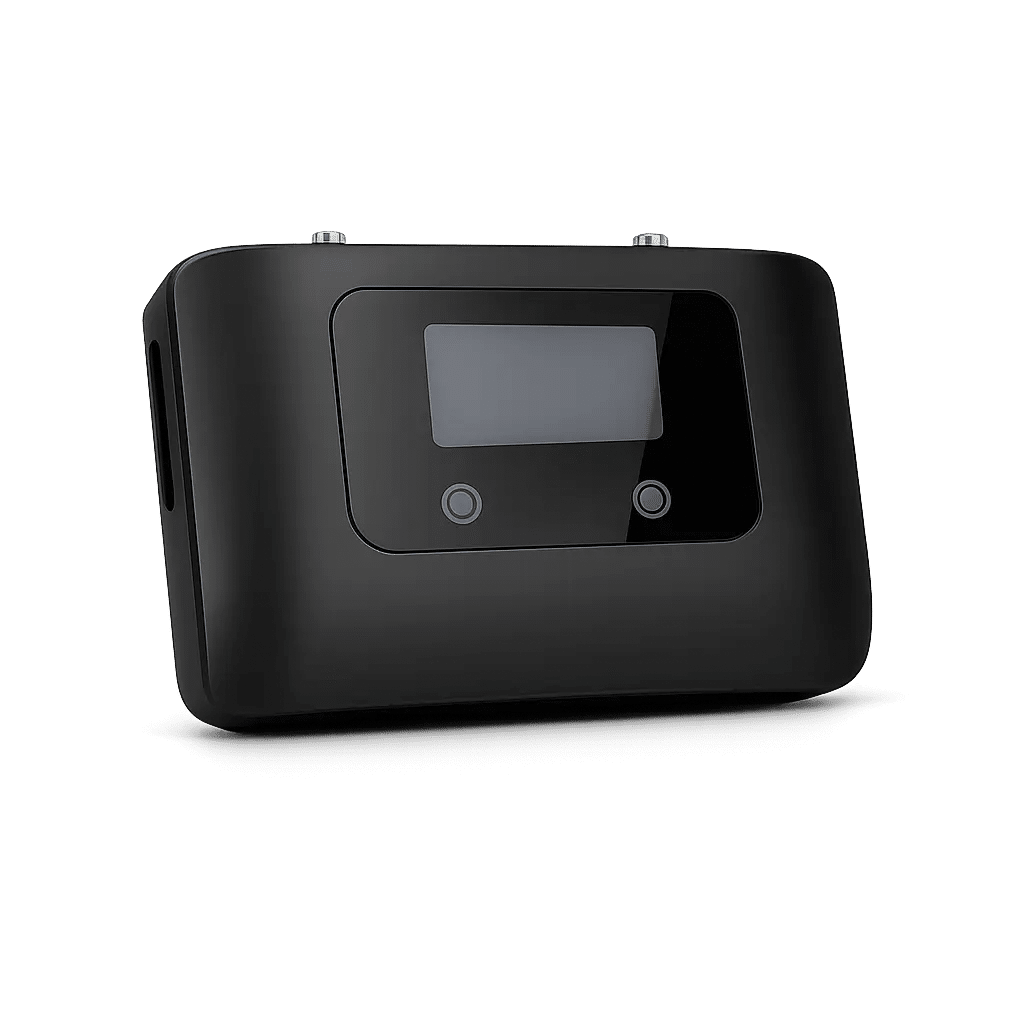
Coverage: 300 SQM
Ideal for: Home


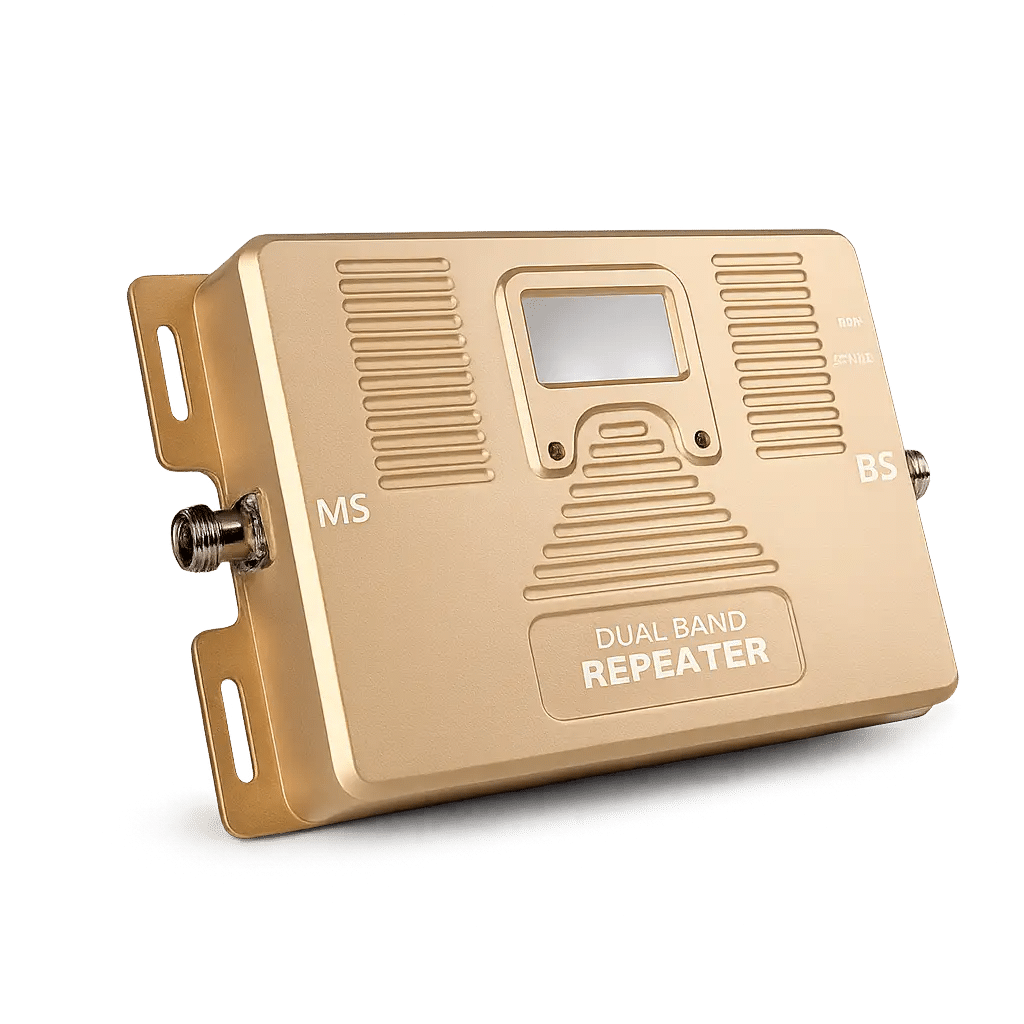
Coverage: 500 SQM
Ideal for: Medium Offices, Studios, And Homes

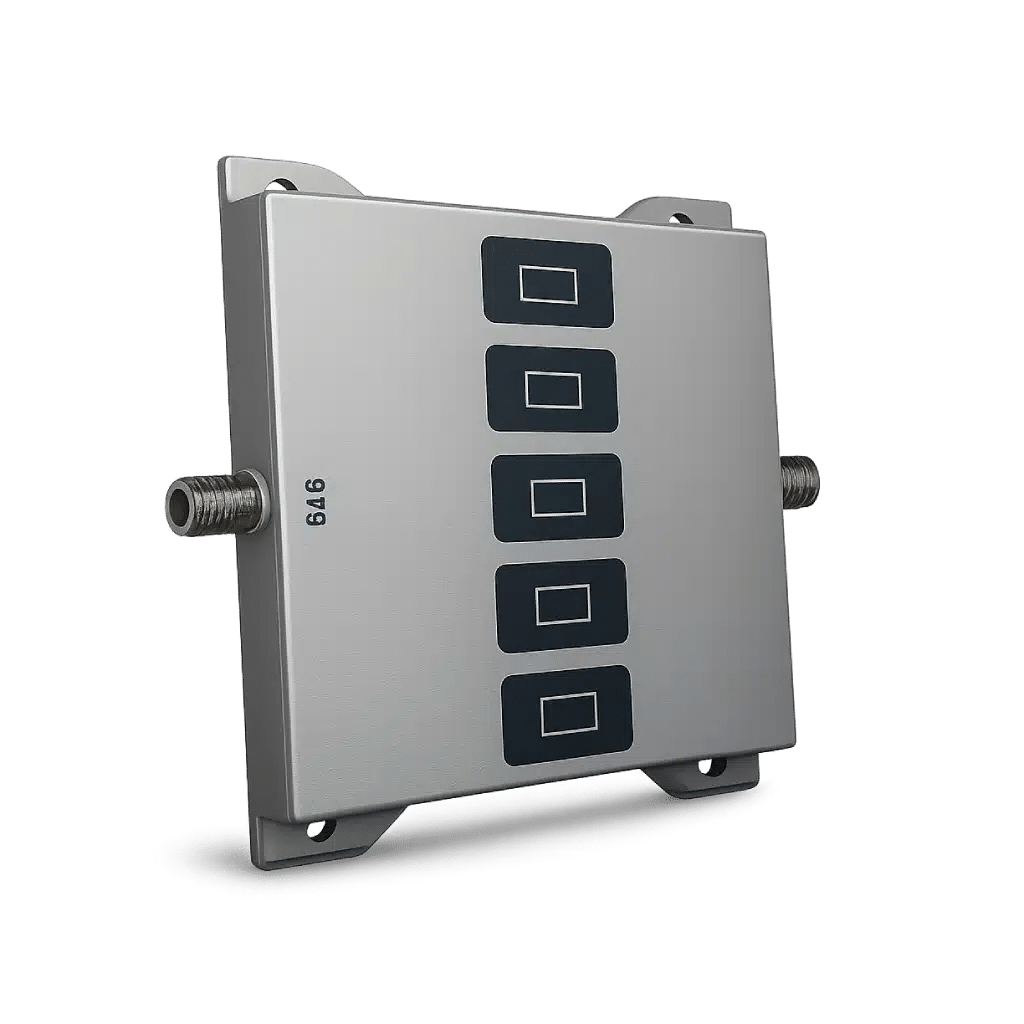
Coverage: 300 SQM
Ideal for: Home

Coverage: 1000 SQM
Ideal for: Hotel
