Free delivery included · Arrives in 5–7 working days

How to Fix Your Mobile Signal in Remote UK Chapels
Quick Answer: The most reliable way to improve mobile signal in remote chapels UK is by installing a legal, Ofcom-compliant high-gain static indoor repeater system with a directional donor antenna. This system must be powerful enough to capture weak outdoor signal (often worse than -95 dBm) and bypass the severe building penetration loss caused by thick stone walls.
The charm of a remote stone chapel or converted church comes with a secret, crippling flaw: absolutely zero mobile signal. That dense, historic stone, designed to last a millennium, is exceptionally good at blocking radio frequencies, effectively turning your phone into an expensive, tiny brick. After testing numerous boosters across challenging UK homes, the solution is never about the phone; it’s about getting outside signal inside, cleanly and legally.
In my 12 years as an RF engineer, I can confirm that tackling the problem of how to improve mobile signal in remote chapels UK requires the highest-grade, certified equipment available.
The Dual Curse: Distance and Thick Stone
A remote chapel suffers from a double threat to connectivity: distance attenuation and severe building penetration loss.
First, the rural location means you start with a weak signal because of the long distance from the nearest mobile mast (distance attenuation). Second, the thick external and internal stone walls are phenomenal at reflecting and absorbing 4G/LTE and 5G radio frequencies. These dense materials act like a natural Faraday cage.
If your phone works fine outside but dies the moment you step indoors, your signal has plunged from a fair outdoor reading (e.g., -90 dBm) to an unusable indoor reading (e.g., -115 dBm). This dramatic drop demands a dedicated hardware fix.
Why dBm is the Only Metric That Matters
Forget the optimistic lies of signal bars; they are meaningless for serious diagnosis. The only reliable way to know if a booster will work—and which one to buy—is by measuring the signal strength in negative decibel-milliwatts (dBm). A value closer to zero means a stronger signal.
Excellent Signal: -50 dBm to -85 dBm.
Unusable Signal: Worse than -110 dBm.
You need an external reading generally stronger than -105 dBm for a standard repeater to be effective. If your outdoor reading is consistently worse than -95 dBm, a high-gain directional system is essential.
Choosing Your Legal Hardware (IR2102 is Non-Negotiable)
In the UK, the legality of signal boosting equipment is the single most critical factor. Most generic boosters sold online are illegal because they cause harmful interference to licensed network operations. Using non-compliant hardware risks serious penalties, including fines up to £5,000.
The only way to legally boost your mobile signal is by installing a license-exempt static indoor repeater that strictly meets the technical specification outlined in the UK Interface Requirement 2102 (IR2102). These are smart devices that use Automatic Gain Control (AGC) and digital filtering to ensure they are network-safe.
For a challenging property like a remote chapel, you need maximum legal power to defeat the signal loss. We recommend focusing on High-Gain or Professional systems:
Entry-Level IR2102 Repeater: Typically retails around £275. Coverage limited to 1–2 rooms. Too weak to overcome thick stone walls or low outdoor signal.
Mid-Range Multi-Band Repeater: Typically retails around £450. Covers up to 4 rooms. Likely insufficient gain to fix deep signal holes caused by dense stonework.
High-Gain 5G/MIMO Directional System: Typically retails around £600 and up. Covers multiple floors (up to 8 rooms or 1,500 sq m). This is the best choice for overcoming massive stone or timber wall interference and weak outdoor signal (below -95 dBm).
Maximising Signal Capture: Antenna Placement and Low-Band LTE
A well-chosen, legal booster will fail if the external antenna placement is wrong. In remote areas like deep ravines or moorlands (similar to chapels), installation finesse is often more crucial than the unit’s price tag. The entire strategy rests on capturing the faint usable signal high above any obstructions.
Antenna Aiming for Focused Reception
The external antenna must physically find the clearest path back to the mobile mast, bypassing the surrounding topography and thick walls entirely. This installation must follow three rules:
Go High: Mount the donor antenna on the highest possible point of your structure, such as the roofline or chimney. This minimises ground-level obstructions like hills and trees.
Go Clear: The antenna must have a clear line-of-sight path to the nearest mobile mast.
Go Aimed (Directional Only): If using a high-gain directional antenna (Yagi or Log-Periodic designs), you must point it precisely at the desired cell tower using a compass or online tools. Small adjustments of just a few degrees can convert unusable noise (-125 dBm) into a respectable, boostable signal (e.g., -95 dBm).
I recall one client in Cornwall whose rural signal dramatically improved simply by moving the external antenna from the wall to the roofline and angling it correctly towards a mast five miles away. Correct placement often matters more than the unit’s price tag.
Low-Band LTE: Your Rural Lifeline
When fighting distance attenuation and the signal-blocking properties of thick stone, frequency matters greatly. High-frequency signals struggle to pass through solid materials. Rural areas rely on lower frequency bands (specifically 700MHz and 800MHz LTE bands, often called Band 20/Band 28) because these waves travel farther and penetrate structures better.
A quality, multi-band IR2102 repeater will detect and amplify these low bands from all major carriers—EE, Vodafone, O2, and Three—ensuring reliable voice and data coverage inside even the most structurally hostile chapel.
Frequently Asked Questions
Is it illegal to use a mobile signal booster in the UK?
Unregulated or low-quality mobile phone repeaters are illegal for consumers to install and use in the UK, as they can interfere with licensed network operations. However, the use of a license-exempt static indoor repeater that strictly meets the technical specification outlined in the UK Interface Requirement 2102 (IR2102) is pre-approved and legal for consumers.
What kind of signal booster is needed for a thick-walled chapel?
A chapel, like converted church homes and stone cottages, requires a high-gain, multi-band 4G/5G repeater system. This powerful hardware is necessary to compensate for the significant building penetration loss caused by exceptionally thick stone walls and the weak outdoor rural signal (distance attenuation).
How do I check my current mobile signal strength in dBm?
You can check your current signal strength precisely in negative decibel-milliwatts (dBm) by accessing the field test mode on your smartphone. For iPhone users, dial 3001#12345# and press call, while Android users typically find the reading under Settings, About Phone, and then Status or Network.
Can one signal booster cover all UK networks like Vodafone and EE?
Yes, modern, legally compliant static indoor repeaters are typically multi-band devices engineered to boost signals across the various LTE bands used by all major UK mobile networks (EE, Vodafone, O2, and Three) simultaneously. This ensures one system provides coverage for multiple carriers and multiple users.
How much should I expect to pay for a high-gain legal repeater system?
For a professional-grade, legal, IR2102-compliant system required for a large house or challenging structure like a stone chapel, you should budget at least £600 to £850 for the necessary hardware and directional antenna components.
The Bottom Line
A remote chapel with zero signal is an engineering challenge, not a connectivity curse. Stop relying on optimistic signal bars or gambling on cheap, illegal gadgets that risk a £5,000 fine. The only sensible choice is to find the truth in your outdoor dBm reading and invest in a professional-grade, Ofcom-compliant IR2102 static repeater system designed specifically to permanently bypass thick stone walls and defeat rural distance attenuation. Find your smart, legal repeater system and directional antenna kits today at MySignalBoosters.com.
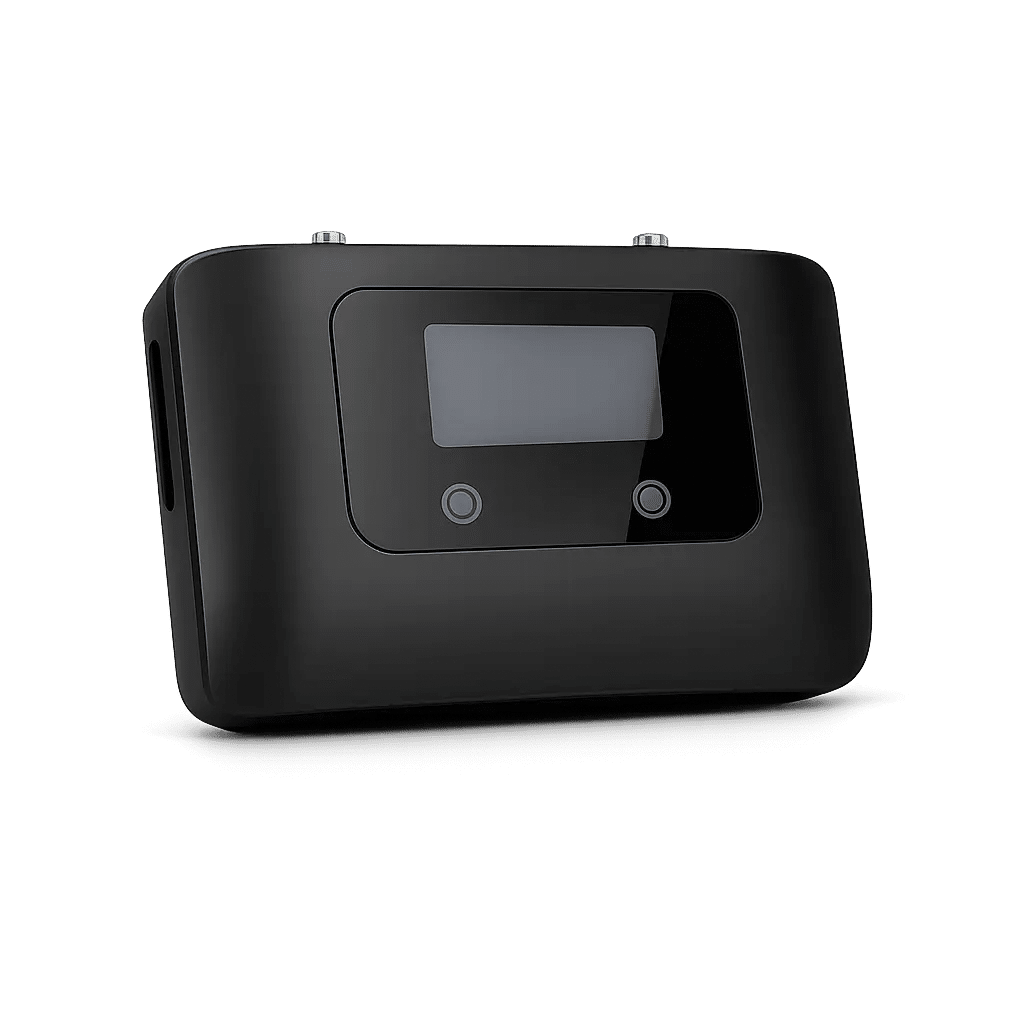
Coverage: 300 SQM
Ideal for: Home


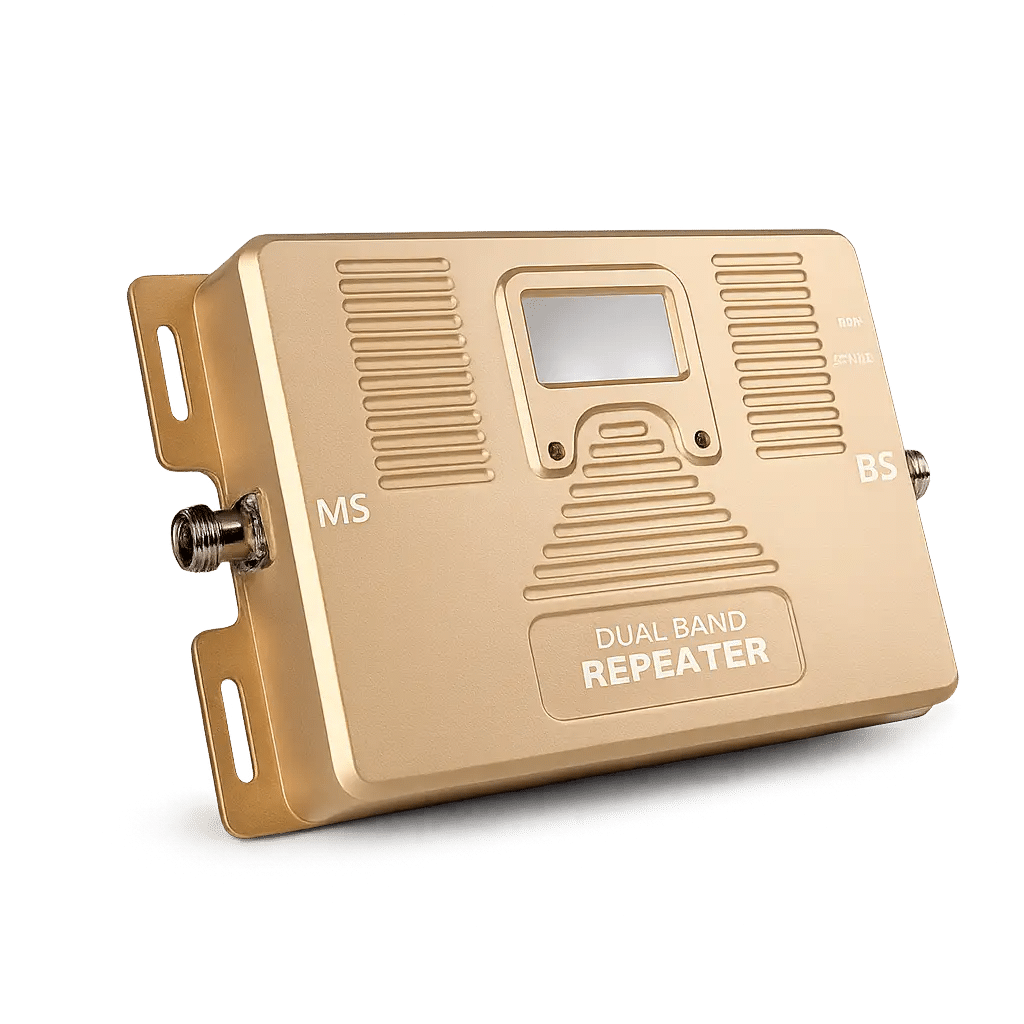
Coverage: 500 SQM
Ideal for: Medium Offices, Studios, And Homes

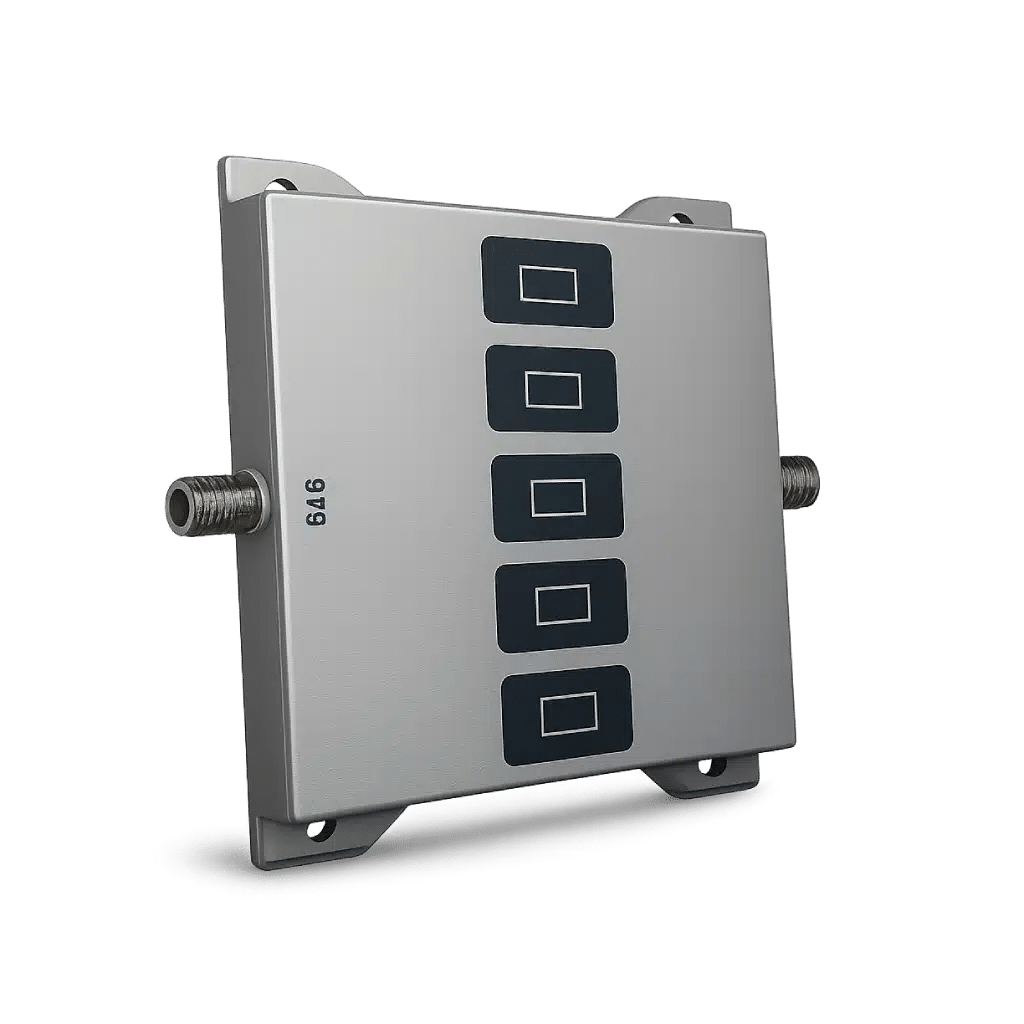
Coverage: 300 SQM
Ideal for: Home

Coverage: 1000 SQM
Ideal for: Hotel
