Free delivery included · Arrives in 5–7 working days

Shop mobile signal boosters
Get a stronger mobile signal at home or work. Delivery in 5-7 working days. 30-day returns.
How to Improve Mobile Signal in Remote Fishing Villages UK 2026
Quick Answer: To improve mobile signal in a remote fishing village, you must measure your outdoor signal in dBm and install an Ofcom-compliant static repeater that meets the IR2102 standard. Because coastal geography and distance attenuation often weaken signal, you will likely require a high-gain directional antenna, mounted high, to secure a usable connection.
Living in a remote fishing village is picturesque until you try to make a phone call. The geography that keeps your village charming—the steep cliffs, the harbour walls, and the distance from the nearest town—is exactly what makes your mobile reception look like a wasteland on your phone.
In my 12 years as an RF engineer, I have spent a lot of time in coastal spots where the only thing reliable is the tide. You do not have a “network problem” in the conventional sense. You have a physics problem. You are fighting distance attenuation and topographical masking, and your phone’s tiny internal antenna simply is not built for the battle.
The Myth of the “Bar”
If you are still judging your connectivity by the little white bars on your phone screen, you are essentially trying to navigate a ship using a painting of a compass. Those bars are an optimistic guess by your phone, not a measurement of reality. They tell you nothing about your data speeds or the likelihood of your call dropping mid-sentence.
You need to switch to dBm, or decibel-milliwatts. This is a negative number. The closer the number is to zero, the stronger your signal.
-70 dBm to -85 dBm is excellent.
-90 dBm to -100 dBm is workable.
-110 dBm or worse is effectively a dead zone.
Before you spend a penny on hardware, walk around the exterior of your property with your phone in Field Test Mode. You are looking for the spot with the best (closest to zero) dBm reading. If you cannot find a spot better than -115 dBm anywhere outside, a booster will not help you. You are simply too far from the mast for anything short of a miracle.
Compliance is the Only Law
The UK market is awash with cheap, “magic” antenna stickers and £50 plastic boxes imported from overseas. These are not just useless; they are illegal. Under the Wireless Telegraphy Act 2006, Ofcom has the authority to seize this equipment and fine you up to £5,000.
These cheap devices are wideband repeaters. They do not filter correctly, they oscillate, and they scream noise back at the mast, disrupting the service for your neighbours and the local emergency services.
The only legal system you can install is a license-exempt static indoor repeater that strictly meets the Ofcom UK Interface Requirement 2102 (IR2102). These devices are “smart.” They feature Automatic Gain Control (AGC) that adjusts the power levels in real-time, ensuring they only amplify the specific frequencies they are allowed to and shut down if they cause network interference.
Choosing the Right Hardware
Most fishing villages and coastal properties face severe building penetration loss. This is the fancy term for your thick stone walls or modern insulation stopping radio waves from getting inside.
| Product | Price | Coverage | Best For | Verdict |
|---|---|---|---|---|
| Entry-Level IR2102 Repeater | typically retails around £275 | 1–2 rooms | Small cottages with fair outdoor signal | Simple, localised boost for mild issues. |
| Mid-Range Multi-Band Repeater | typically retails around £450 | Up to 4 rooms | Standard homes with average internal walls | Solid choice for typical village properties. |
| High-Gain 5G/MIMO Directional System | typically retails around £600 and up | Multiple floors | Remote sites with very weak signal (below -95 dBm) | Essential for high-demand rural needs. |
| Professional Ultra-Max System | typically retails from £850–£1,650+ | Up to 5,000 sq m | Commercial harbour sites or large estates | Maximum legal gain for extreme hostility. |
Why Your Coastal Location Changes the Rules
Coastal villages present a unique challenge known as topographical masking. If your village is nestled at the bottom of a cliff or behind a harbour headland, your line-of-sight to the mobile mast is blocked.
This is why you cannot use a simple omnidirectional antenna. You need a high-gain directional antenna, such as a Yagi or log-periodic model. Think of this antenna as a telescope for radio waves. By mounting it as high as possible on your chimney or an exterior wall and pointing it precisely at the network mast, you focus the signal capture on that one source, ignoring the background noise from the sea or other directions.
Frequently Asked Questions
Is it legal to install a signal booster in a remote village?
Yes, but only if the device is a license-exempt static indoor repeater that strictly adheres to Ofcom’s IR2102 standard. Any device that does not explicitly state it is IR2102 compliant is likely illegal, and you should avoid it to prevent a £5,000 fine.
Which network is best for remote coastal areas?
EE currently leads for rural coverage in the UK, often utilising the 700MHz frequency band which travels further and penetrates obstacles better than higher frequencies. However, you should check the Ofcom coverage checker for your specific postcode, as signal can vary wildly from one end of a village to the other.
Can one booster cover multiple UK networks?
Yes, modern, legally compliant repeaters are multi-band devices. They are engineered to amplify signals across the various LTE bands used by all major UK mobile networks (EE, Vodafone, O2, and Three) simultaneously, so you do not need separate systems for different household members.
How much should I budget for a high-gain system?
For a professional-grade, legal, IR2102-compliant high-gain system designed for the structural challenges of a remote cottage or harbour property, you should budget at least £600 to £850. This covers the necessary high-quality hardware and directional antenna components required to overcome distance attenuation.
How do I troubleshoot if my signal is still poor after installation?
The most common issue is oscillation, which happens when the signal from the internal antenna leaks back into the external donor antenna. Ensure maximum physical separation (vertical and horizontal distance) between the two antennas, and verify your dBm readings to ensure the donor antenna is capturing a strong enough feed.
The Bottom Line
Improving your signal in a remote village is not a matter of luck or buying a cheap gadget online. It is an engineering task. You must find the physical truth of your signal strength in dBm, verify that your hardware is IR2102 compliant, and invest in a directional antenna setup that can actually reach the mast. Stop relying on the optimistic lies of your phone’s signal bars and start treating your connection like the essential utility it is.
Find your smart, legal repeater system and directional antenna kits today at MySignalBoosters.com.
Shop mobile signal boosters
Get a stronger mobile signal at home or work. Delivery in 5-7 working days. 30-day returns.
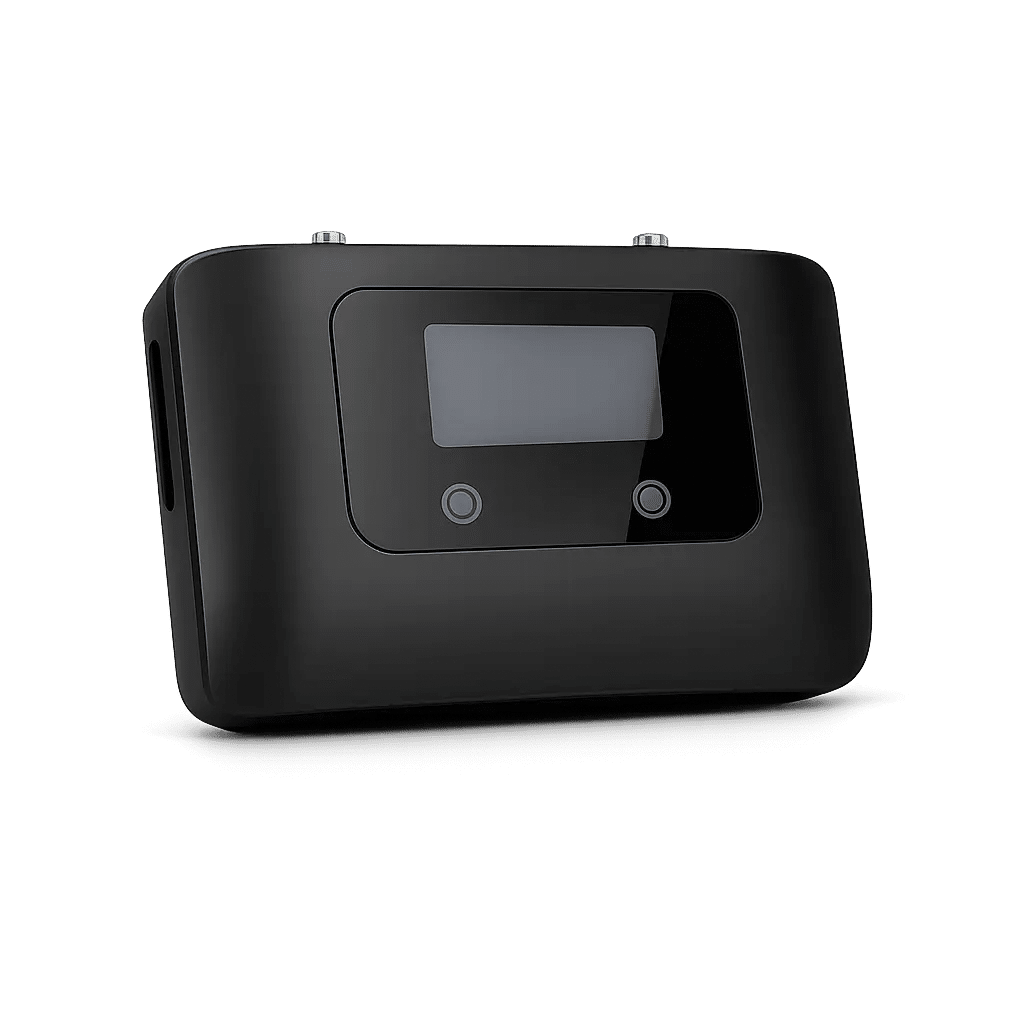
Coverage: 300 SQM
Ideal for: Home


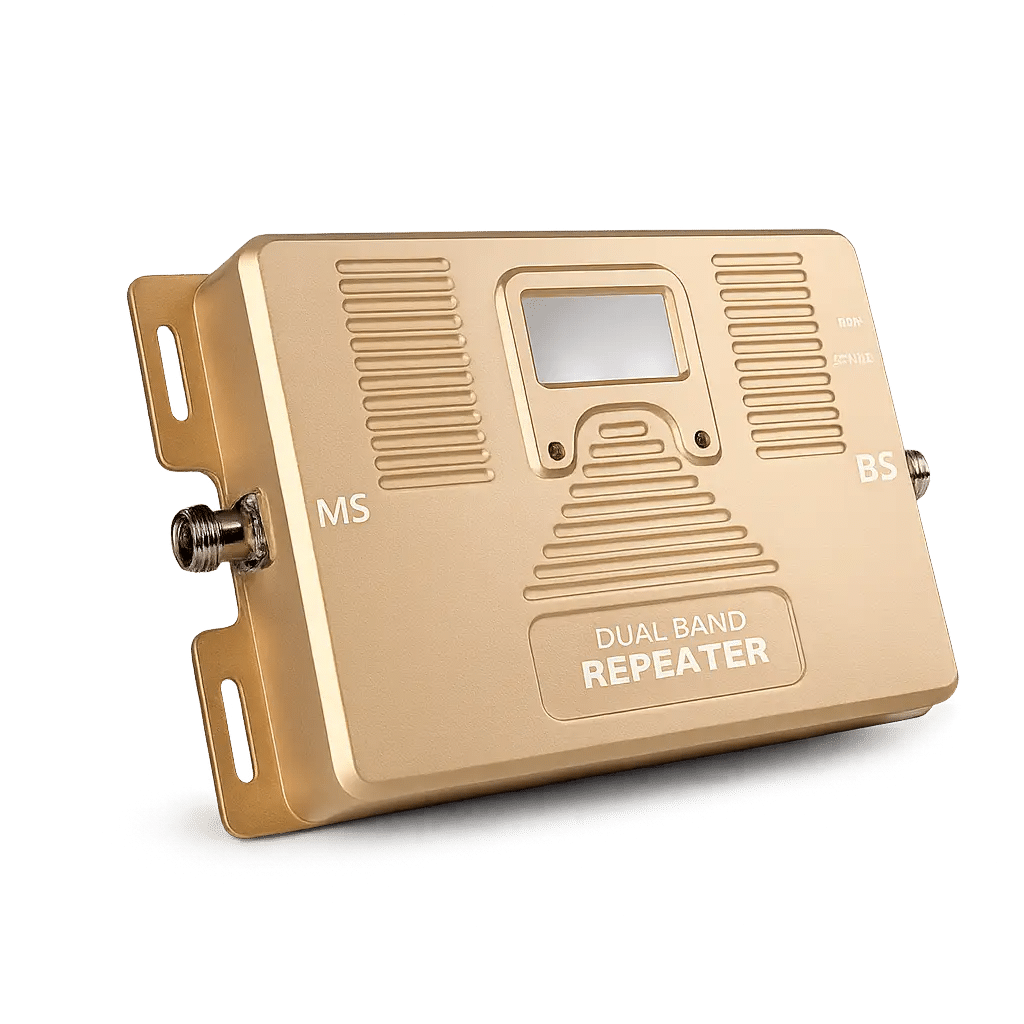
Coverage: 500 SQM
Ideal for: Medium Offices, Studios, And Homes

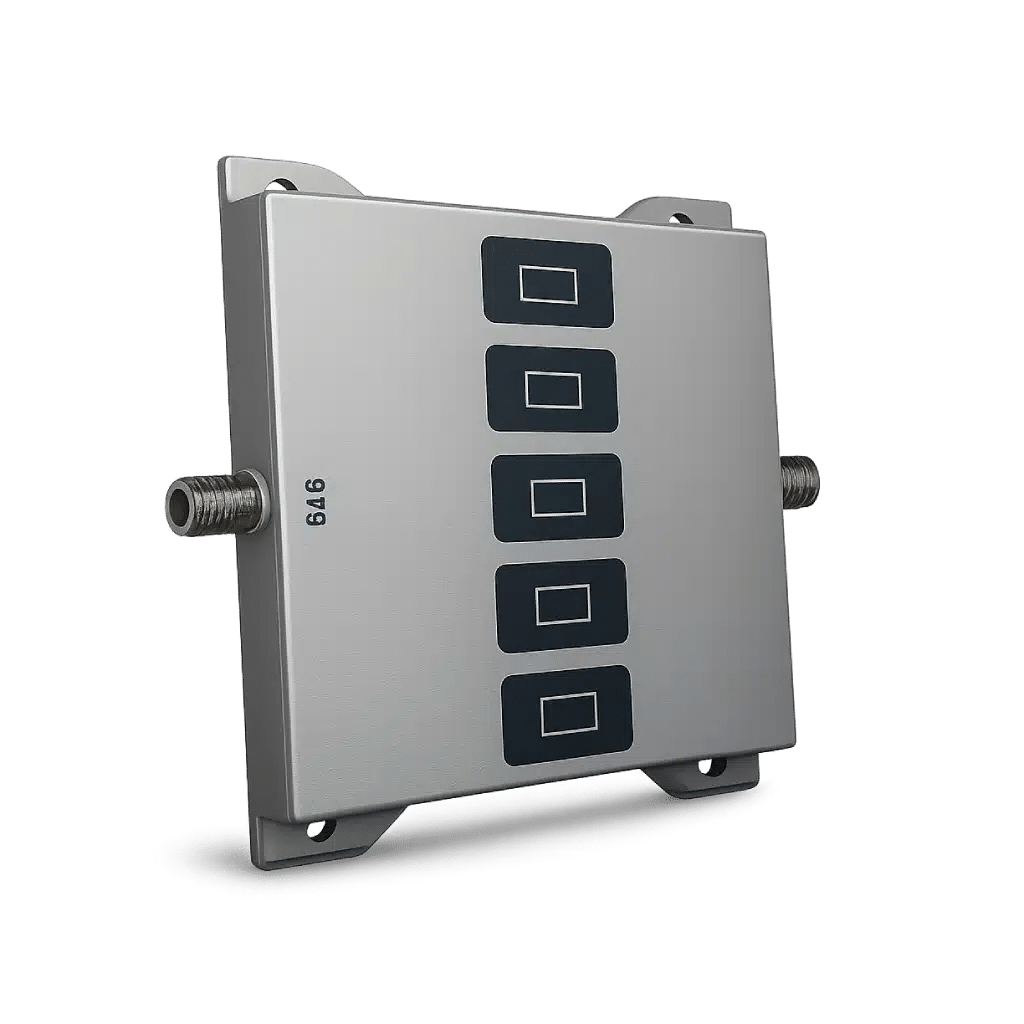
Coverage: 300 SQM
Ideal for: Home

Coverage: 1000 SQM
Ideal for: Hotel
