Free delivery included · Arrives in 5–7 working days

Shop mobile signal boosters
Get a stronger mobile signal at home or work. Delivery in 5-7 working days. 30-day returns.
How to Improve Mobile Signal Near Large Viaducts UK
Quick Answer: To fix persistent mobile signal issues near large viaducts, install a high-gain, Ofcom-compliant directional repeater system. Large structures cause significant signal reflection and shadowing, so you must mount an external antenna high and aim it precisely at your nearest mast to capture a usable signal for your home or office.
Living in the shadow of a massive concrete or brick viaduct is an architectural marvel until you try to make a phone call. The sheer mass of these structures acts as both a physical barrier and a giant mirror for radio waves. This is not a failure of your phone. It is a fundamental physics problem known as multipath propagation and signal shadowing. After testing numerous boosters across challenging UK landscapes, I can confirm that standard hardware will struggle here. You need a focused, legal solution to defeat the interference caused by your surroundings.
Why Your Signal Fails Near Viaducts
A viaduct is a radio-frequency nightmare. When mobile signal travels from a distant mast, it hits the viaduct and bounces off in random directions. This causes the signals to arrive at your device out of sync, creating noise that your phone cannot filter.
Furthermore, these structures cast a massive shadow where mobile signals simply cannot penetrate. If you are on the wrong side of the viaduct, you are essentially standing in a dead zone created by the structure itself. Your phone tries to boost its own signal to compensate, which drains your battery and typically results in a dropped call. The goal here is to intercept the clean signal before it hits the viaduct or capture it from a clear, high-altitude angle.
Measuring Success: Why Bars Are Lies
Do not trust the signal bars on your phone. They are an optimistic guess, not a measurement. You need to know the raw signal strength in decibel-milliwatts, or dBm.
A reading closer to zero is better.
-85 dBm is excellent for data and calls.
-100 dBm is functional but likely to struggle with data.
-110 dBm or worse is effectively useless.
You can find this by accessing your phone’s Field Test Mode. On an iPhone, dial 3001#12345#. On Android, check the About Phone status settings. Find a spot outside where your signal is consistently better than -105 dBm to determine where your donor antenna should live.
Choosing the Right Hardware
You cannot simply plug in a cheap amplifier from a dubious online marketplace. You need a system that complies with Ofcom’s IR2102 technical requirements to ensure it does not cause harmful interference.
Entry-Level Repeater
This is suitable for small flats or single-room home offices with mild signal issues. It typically retails around £275 to £350. It offers a simple, localised boost.
Mid-Range Multi-Band Repeater
Designed for standard semi-detached houses or medium-sized offices. It typically retails around £450 to £600. These systems are robust enough to handle common structural issues and provide reliable voice and data coverage.
High-Gain 5G/MIMO Directional System
Essential for large properties or locations near difficult structures like viaducts. These typically retail around £600 and up. They use high-gain directional antennas to capture weak signals, handling multiple networks and data streams simultaneously.
Mastering Antenna Placement
The most expensive repeater in the world will fail if the donor antenna is poorly placed. Near a viaduct, placement is everything.
Mount your donor antenna at the highest point of your building, ideally on the chimney or roofline. You must achieve a clear line-of-sight to the mobile mast, steering clear of the viaduct’s bulk. If you are using a directional antenna, use a compass to point it exactly at the tower. A shift of just a few degrees can make the difference between a constant connection and no connection at all.
Frequently Asked Questions
Is it legal to use a mobile signal booster in the UK?
Yes, but only if the device is a static indoor repeater that meets Ofcom’s IR2102 technical standards. Unregulated boosters can interfere with mobile networks and lead to fines up to £5,000.
Why do I need a directional antenna near a viaduct?
Viaducts cause signal reflection and create dead zones in their shadow. A directional antenna acts like a sniper rifle, focusing strictly on the mobile mast signal and ignoring the reflective noise bouncing off the structure.
Can one booster cover all UK networks?
Yes. Modern, Ofcom-compliant repeaters are typically multi-band devices that boost signals across the various LTE bands used by EE, Vodafone, O2, and Three. You do not need a separate system for every carrier.
How much should I budget for a high-gain system?
For a professional-grade, IR2102-compliant system suitable for a challenging environment like a site near a viaduct, you should expect to spend between £600 and £850. Larger properties may require higher-tier, enterprise-grade equipment.
What is the difference between 4G and 5G boosting?
Both require similar principles of antenna placement and dBm measurement. However, 5G-capable boosters need to support specific high-frequency bands and often require MIMO technology to manage higher data throughput.
The Bottom Line
You do not have to endure dropped calls just because you live near a large viaduct. This is a technical challenge that requires specific hardware. Stop relying on your phone’s signal bars and focus on the dBm truth. Invest in an Ofcom-compliant IR2102 system with a high-gain directional antenna to defeat signal reflection and build a reliable connection indoors. Find your smart, legal repeater system today at MySignalBoosters.com.
Shop mobile signal boosters
Get a stronger mobile signal at home or work. Delivery in 5-7 working days. 30-day returns.
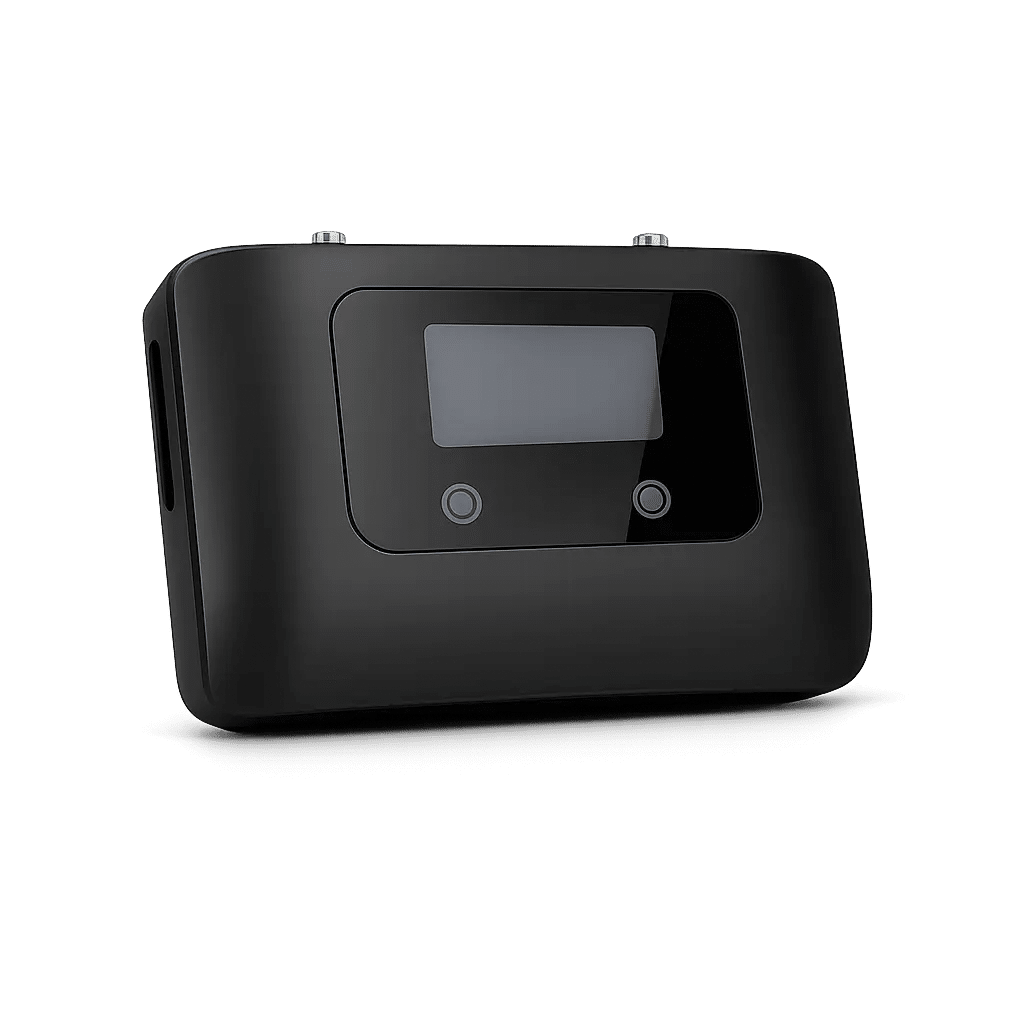
Coverage: 300 SQM
Ideal for: Home


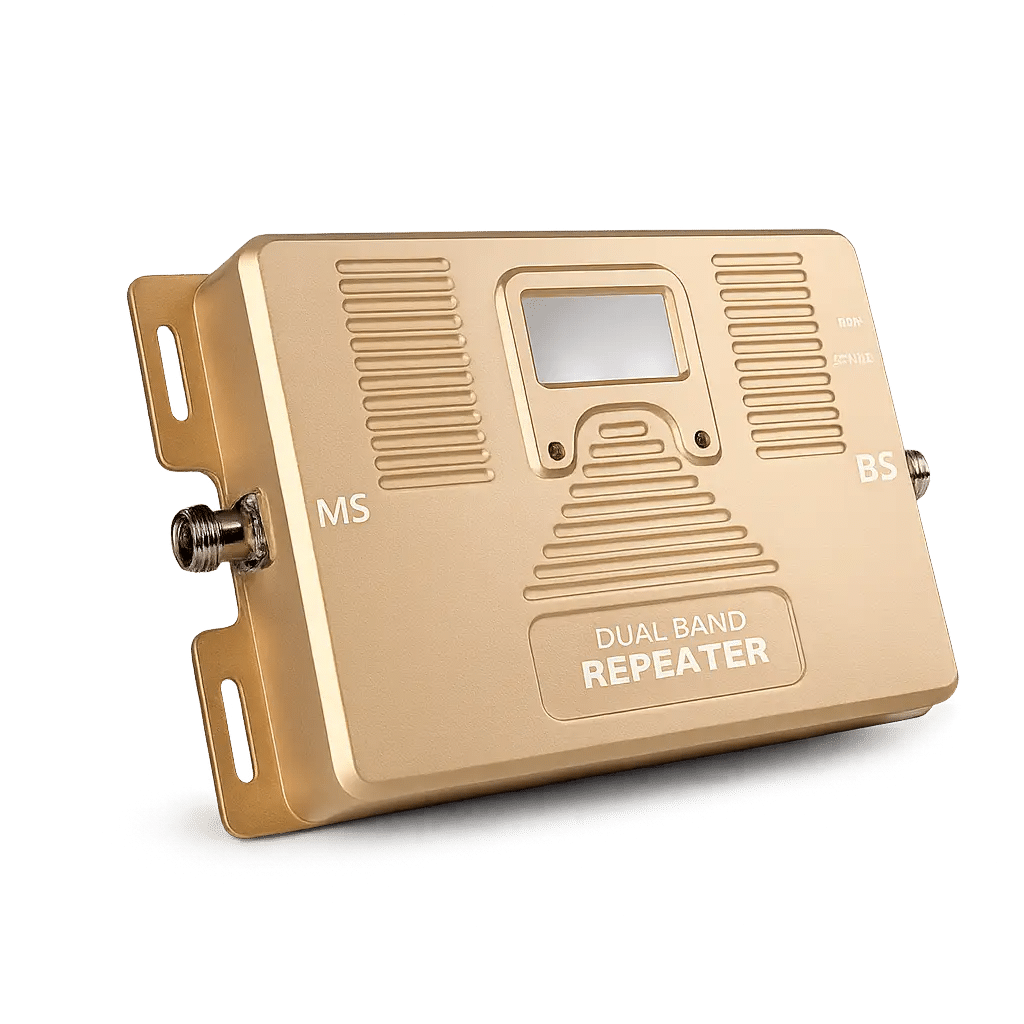
Coverage: 500 SQM
Ideal for: Medium Offices, Studios, And Homes

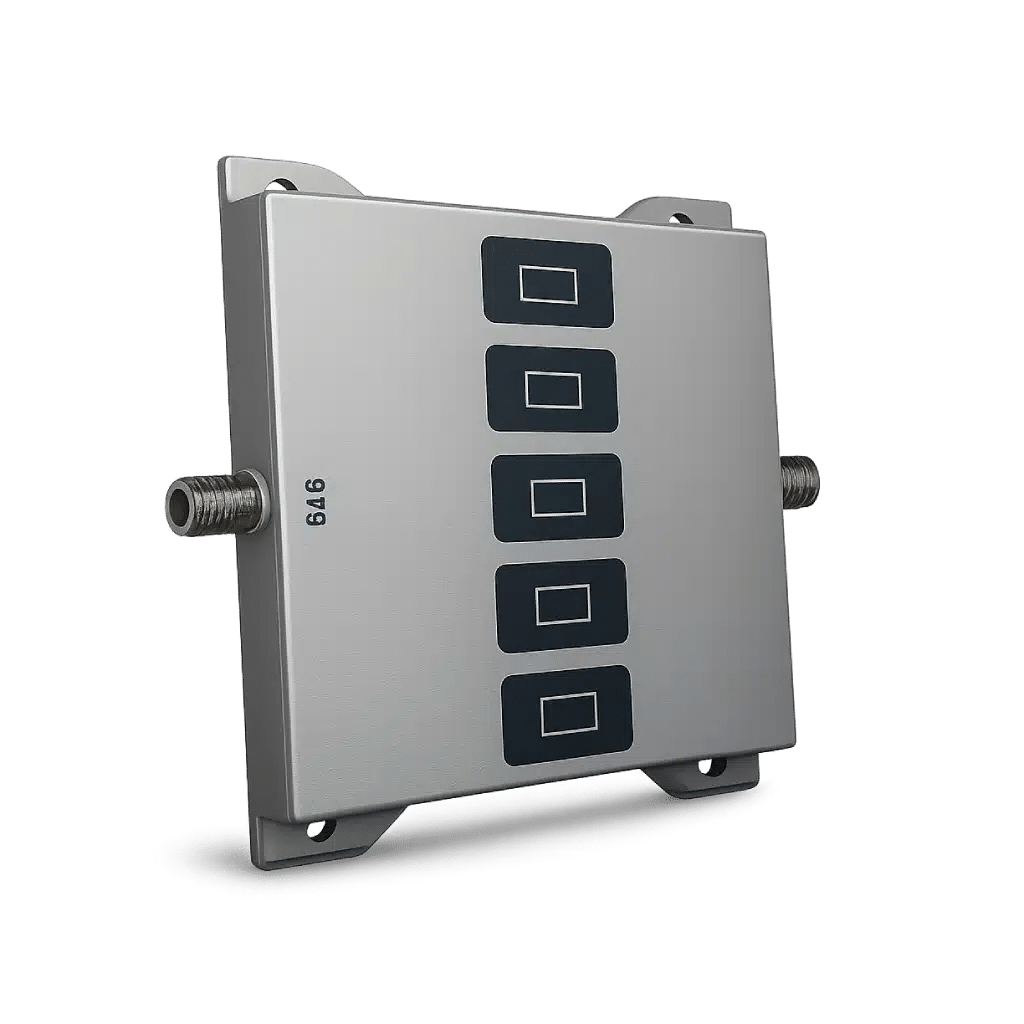
Coverage: 300 SQM
Ideal for: Home

Coverage: 1000 SQM
Ideal for: Hotel
