Free delivery included · Arrives in 5–7 working days

Best Mobile Signal Booster for Converted Barn Homes UK 2026
Quick Answer: The best mobile signal booster for converted barn homes in the UK is a high-gain static indoor repeater that is license-exempt and compliant with Ofcom’s technical standard, UK Interface Requirement 2102 (IR2102). This required system uses an external directional donor antenna to capture weak rural signal and completely bypass the significant building penetration loss caused by thick stone or timber walls.
The rustic aesthetic of a barn conversion—all thick walls, vast spaces, and remote location—comes with one crippling side effect: absolutely zero mobile signal. That dense stone, concrete, or heavy cladding designed to keep the weather out is also exceptionally good at turning your phone into an expensive, tiny brick. The constant struggle to get a single usable bar of 4G or 5G isn’t a glitch; it’s physics at work. After 12 years as an RF engineer, I can confirm the only reliable, permanent fix is a legal, high-gain mobile signal repeater.
Why Converted Barn Homes are Mobile Signal Black Holes
The primary issue affecting barn conversions, old stone cottages, and remote coastal properties is simple: building penetration loss. Radio frequencies (4G/LTE and 5G) struggle or fail entirely to pass through thick external and internal stone or solid brick walls.
Often, the problem isn’t the network (EE, Vodafone, O2, or Three) but the architectural hostility of the property itself. These dense, historic materials reflect or absorb the signal, causing a decent outdoor reading (e.g., -80 dBm) to plummet to an unusable indoor reading (e.g., -115 dBm). Furthermore, many barn conversions are situated in remote rural locations, meaning the signal entering the property is already weak due to distance attenuation. A standard, low-cost booster designed for mild internal interference will fail in these environments.
Choosing a High-Gain Repeater for Tough Structures
Forget the signal bars, which are notoriously unreliable and optimistic lies. The only way to know what kind of booster you need is to measure the signal strength outside your property in negative decibel-milliwatts (dBm). If your outdoor signal is genuinely weaker than -110 dBm, a booster is likely useless.
For environments like converted barns, which face severe signal degradation and often weak rural signal, you must select a high-gain system. This type of system focuses on maximum amplification and distance attenuation, often requiring 90 dB or 100 dB gain to pull a weak signal back into usability.
| Product | Price | Coverage | Best For | Verdict |
|---|---|---|---|---|
| Entry-Level IR2102 Repeater | typically retails around £275 | 1–2 rooms | Small flats with strong outdoor signal | Too weak to overcome thick stone walls or rural signal loss. |
| Mid-Range Multi-Band Repeater | typically retails around £450 | Up to 4 rooms | Standard brick semi-detached homes | Likely insufficient gain for the deep signal holes caused by dense stonework. |
| High-Gain 5G/MIMO Directional System | typically retails around £600 and up | Multiple floors (up to 8 rooms) | Barn conversions, remote coastal homes, or construction sites | Uses a directional antenna to maximise weak external signal, providing consistent 4G/5G data. |
Legality is Non-Negotiable: The Ofcom IR2102 Rule
Before spending hundreds of pounds on hardware, you must ensure the device is legal in the UK. Most generic boosters sold online are illegal. The law, set out in the Wireless Telegraphy Act 2006, states that installing or using non-compliant repeaters is a criminal offence. These devices cause harmful interference to licensed Mobile Network Operator (MNO) masts.
The legal requirement is strict: you must only install a static indoor repeater that strictly meets the technical specification outlined by Ofcom in the UK Interface Requirement 2102 (IR2102). Using an illegal repeater risks serious penalties, including potential fines up to £5,000 and the forced removal of equipment.
The Critical Role of dBm Measurement
The most important diagnostic step you can take before buying any equipment is measuring your outdoor signal strength accurately in negative decibel-milliwatts (dBm). A value closer to zero is stronger.
| dBm Reading | Outdoor Signal Quality | Booster Effectiveness |
|---|---|---|
| -50 dBm to -85 dBm | Excellent to Good | A compliant repeater will work perfectly. |
| -85 dBm to -100 dBm | Fair | Requires a mid-to-high gain booster with a directional antenna. |
| -105 dBm to -115 dBm | Weak or Worse | A high-gain repeater may not be effective. You need specialized external systems. |
If your outdoor reading is in the ‘Fair’ or ‘Good’ range, your barn conversion is an ideal candidate for a compliant repeater system. The external donor antenna bypasses the thick walls entirely, routing the clean signal directly inside.
Maximising Performance with Directional Antennas
For rural sites with deep signal problems, installation finesse is often as crucial as the quality of the hardware. Since distance attenuation is often coupled with building penetration loss, the primary goal is signal capture.
The high-gain system requires a powerful directional antenna (like a Yagi or log-periodic) mounted high up outside your property. This antenna must be aimed accurately at the nearest confirmed mobile mast, maximizing the incoming dBm reading before it reaches the repeater. This specialized equipment enables the system to amplify weak rural signals effectively. Furthermore, low-frequency LTE bands, particularly the 700MHz spectrum, are essential because these longer wavelengths travel farther and penetrate solid objects better.
Frequently Asked Questions
Is a mobile signal booster legal in the UK?
Yes, boosting mobile signal is legal, provided the device is a static indoor repeater that strictly meets the technical specification set by Ofcom, known as the UK Interface Requirement 2102 (IR2102). The use of all other mobile signal boosters remains illegal and carries a risk of substantial penalties.
How much does a signal booster for a large barn home cost?
A high-gain, legal, IR2102-compliant system required for a converted barn home typically retails around £600 to £850 for the hardware, reflecting the necessary power and directional antenna components. Entry-level compliant repeaters for smaller properties start around £275.
What is building penetration loss?
Building penetration loss occurs when dense building materials, such as thick stone, brick, or foil-backed insulation, physically absorb or reflect mobile radio frequencies (4G/LTE and 5G), causing a significant drop in signal strength inside the property. A repeater system overcomes this by placing a donor antenna outside to bypass the structure entirely.
Can I use one repeater for all UK mobile networks?
Yes, modern, legally compliant static indoor repeaters are typically multi-band devices engineered to boost signals across the various LTE bands used by all major UK mobile networks: EE, Vodafone, O2, and Three. This means one system covers all carriers simultaneously.
Which technical signal metric matters most when buying a booster?
The metric that matters most is dBm (negative decibel-milliwatts), which is the reliable numerical measurement of received signal power outside your building. A reading of -85 dBm or better is considered excellent for both calls and fast data.
The Bottom Line
A converted barn home is a challenging structure, demanding a powerful, targeted signal solution, not a cheap gadget. If you have any usable signal outside (ideally better than -105 dBm), the only sensible choice is to invest in a professionally specified, high-gain, IR2102-compliant static repeater system. This hardware bypasses your thick walls and defeats the crushing force of building penetration loss. Find a compliant system designed for the UK’s toughest environments today at MySignalBoosters.com.
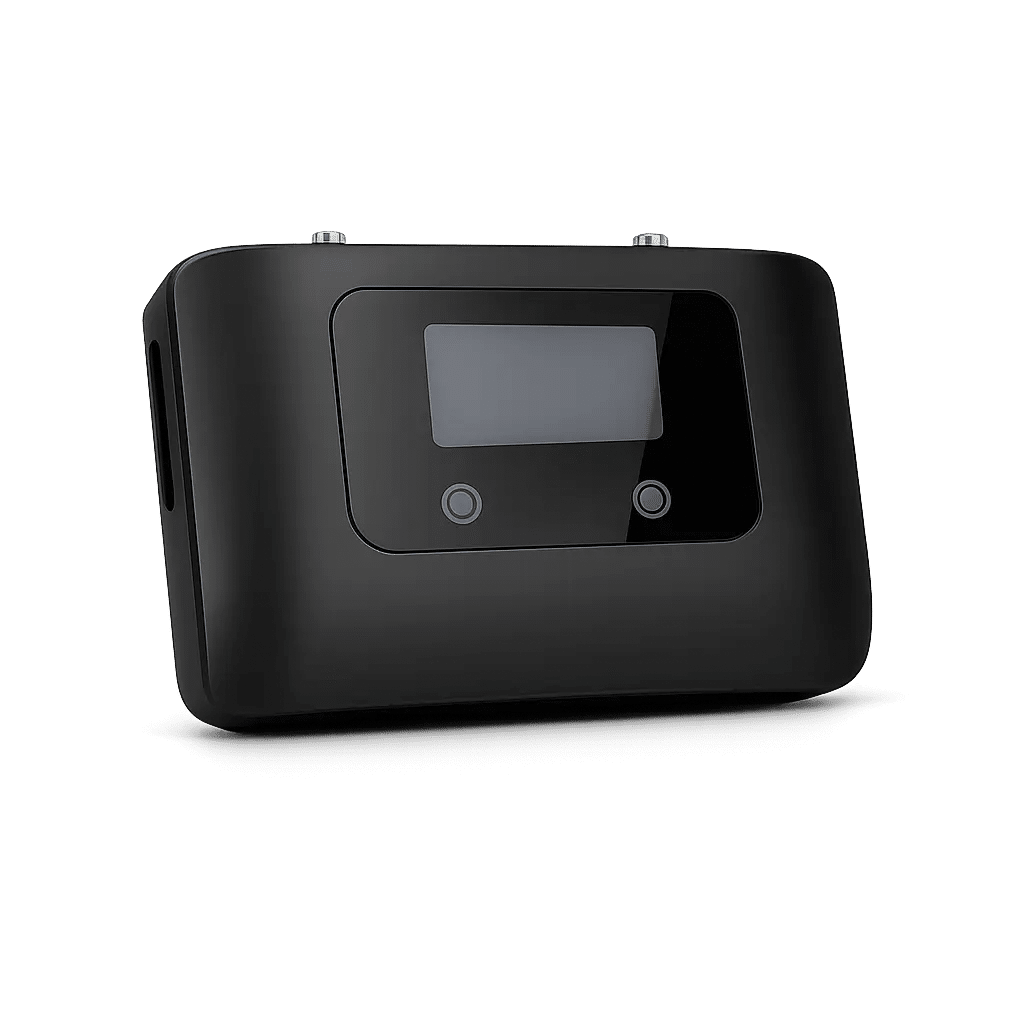
Coverage: 300 SQM
Ideal for: Home


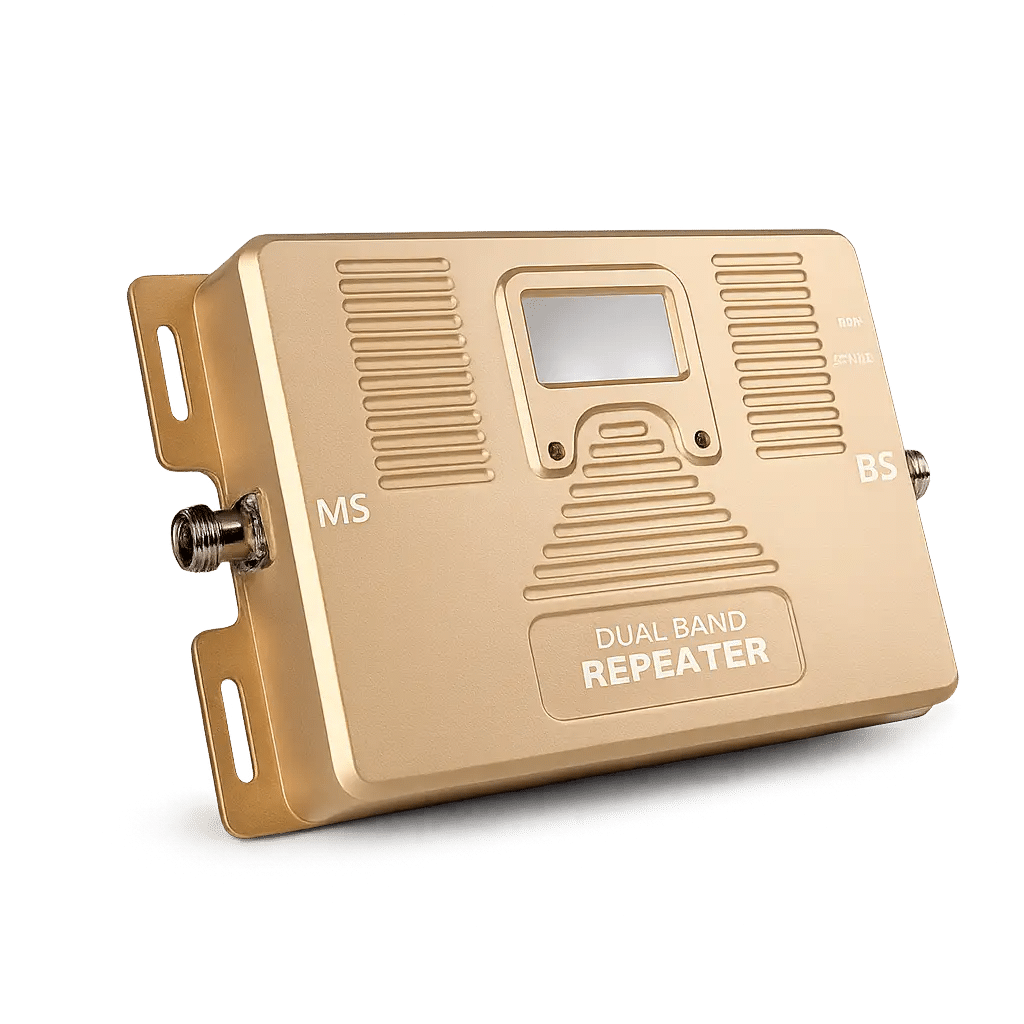
Coverage: 500 SQM
Ideal for: Medium Offices, Studios, And Homes

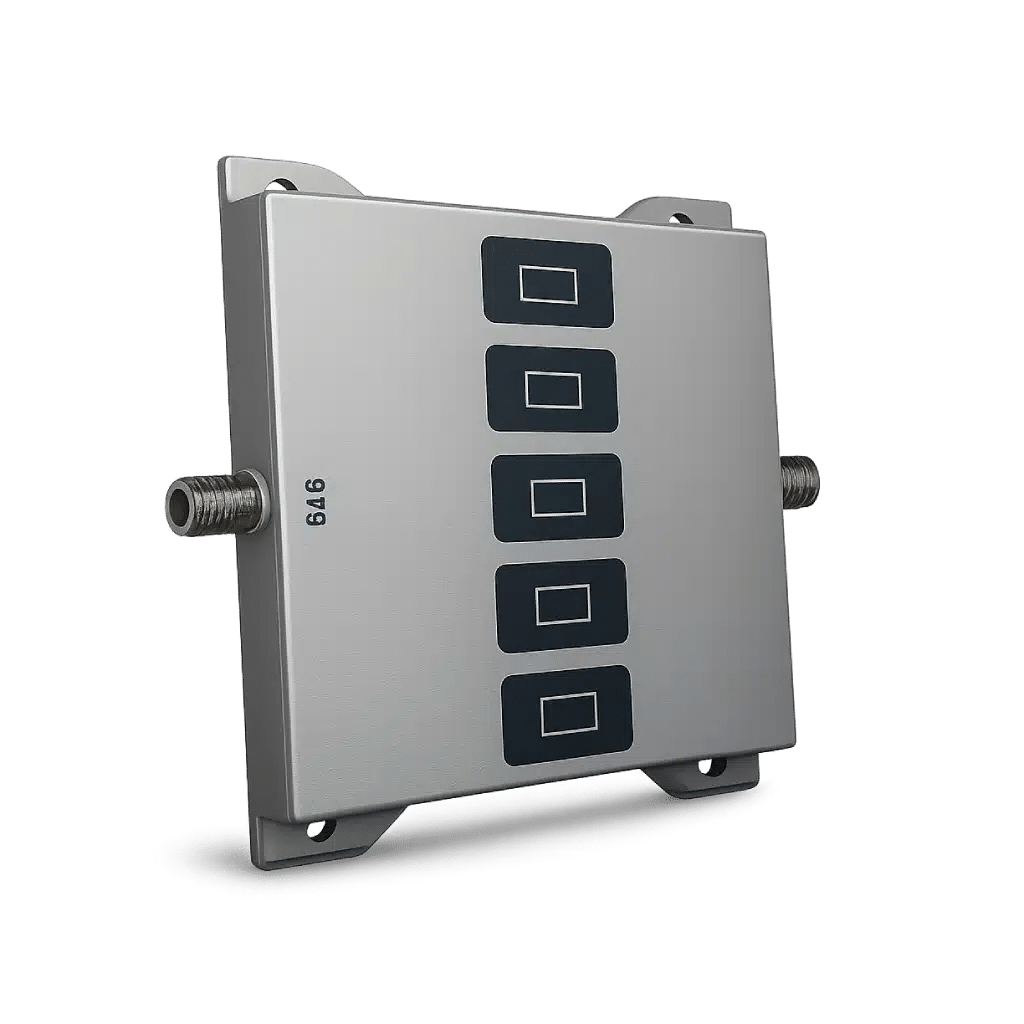
Coverage: 300 SQM
Ideal for: Home

Coverage: 1000 SQM
Ideal for: Hotel
