Free delivery included · Arrives in 5–7 working days

How to Master High-Capacity Mobile Signal for Multiple Users UK
Quick Answer: To properly optimise a mobile signal booster for multiple users in the UK, you must install an Ofcom-compliant, high-gain, multi-band static indoor repeater system that supports MIMO (Multiple Input, Multiple Output) technology for high data throughput. This hardware must be paired with an external directional antenna to defeat building penetration loss.
When the whole family or office gets online, your signal doesn’t just get slower; it dies. The problem isn’t your network; it’s a capacity bottleneck caused by too many devices sharing weak signals. This struggle is common in large townhouses or remote workers’ home offices. After testing numerous boosters across challenging UK homes, the solution is always about ensuring the right hardware is feeding a clean, high-capacity signal indoors, legally.
The Capacity Bottleneck: Why Standard Boosters Fail
A single device struggling for signal drains your battery and slows down your data. Multiply that struggle across five users, streaming 4G or 5G video, and the system collapses. This high-density demand requires a different class of hardware.
Standard boosters are designed for one to two rooms and cannot handle the concurrent data streams multiple users require. The most reliable fix involves hardware engineered for high-data throughput and maximum legal coverage. The core challenge is addressing building penetration loss, especially in multi-floor townhouses or commercial sites. Steel, concrete, and thick walls weaken the signal exponentially before it even reaches your phone.
This is why we must focus on multi-band support and high-capacity data handling.
Why MIMO Technology Matters for Families and Offices
For multiple users, merely amplifying the signal isn’t enough; you must also manage the data flow. High-end static indoor repeaters use MIMO (Multiple Input, Multiple Output) technology.
MIMO allows your booster to handle multiple data streams simultaneously. This prevents a single user streaming video from throttling the connection for everyone else making a voice call. Look for systems explicitly rated for high-capacity use. This feature is essential when optimizing a signal booster for multiple users UK.
Choosing the Right Legal Hardware for Multi-User Sites
In the UK, the legality of a signal booster is non-negotiable. You must choose a license-exempt static indoor repeater that strictly meets the technical specification outlined in the UK Interface Requirement 2102 (IR2102). Illegal imports risk penalties, including fines up to £5,000.
Selecting the correct model depends entirely on the size and complexity of your multi-user environment.
| Product | Price | Coverage | Best For | Verdict |
|---|---|---|---|---|
| Mid-Range Multi-Band Repeater | typically retails around £450 | Up to 4 rooms | Standard semi-detached house or small office | Solid for common structural issues but lacks capacity for high density |
| High-Gain 5G/MIMO Directional System | typically around £600–£850 | Multiple floors (up to 8 rooms) | Large townhouses or remote workers’ home offices | Essential for overcoming severe structural loss and weak outdoor signal |
| Professional Ultra-Max System | typically retails around £850–£1,650+ | Up to 5,000 sq m | Gyms, multi-story school buildings, or high-density commercial sites | Maximum legal gain (100 dB) required for concrete and steel structures |
The High-Gain and Ultra-Max systems provide the necessary gain performance to ensure every user receives a robust, fast connection.
Optimisation: Defeating Physics with Precise Antenna Placement
The biggest variable in performance isn’t the internal unit; it’s the quality of the signal piped into it. If the outside signal reading, measured in negative dBm, is weak, every user suffers.
A reading of -85 dBm or better outside is considered excellent. If your outdoor signal is worse than -95 dBm, you must focus aggressively on optimization. This is where the external antenna earns its keep. The correct placement often matters more than the unit’s price tag.
The solution requires a high-gain directional antenna (like a Yagi or log-periodic type). A directional antenna focuses its power in a narrow beam, making it dramatically more effective at capturing a weak, distant signal.
You must follow three critical rules for maximizing signal capture:
Go High: Mount the donor antenna on the highest possible point of your structure, minimising obstructions like hills and trees.
Go Clear: The antenna needs a clear line-of-sight path to the nearest mobile mast to bypass the internal structural blockage entirely.
Go Aimed: Point the directional antenna precisely at the nearest mast for your network (or the network with the best dBm reading). Small adjustments can convert a fair signal into a highly boostable signal.
I recall one client whose rural signal jumped from unusable (-125 dBm) to respectable (-95 dBm) simply by adjusting the external directional antenna toward a distant mast. Don’t guess; measure your dBm reading to find the optimal spot.
Frequently Asked Questions
Is a mobile signal booster legal to use in a UK office or large home?
Yes, boosting mobile signal is legal in the UK only if the device is a license-exempt static indoor repeater that strictly meets the technical specification set by Ofcom. This standard is known as the UK Interface Requirement 2102 (IR2102).
Can one signal booster cover all UK networks for multiple users?
Yes, modern, legally compliant static indoor repeaters are typically multi-band devices engineered to boost signals across the various LTE bands used by all major UK mobile networks simultaneously. This ensures one system covers multiple users on EE, Vodafone, O2, and Three.
How much should I expect to pay for a high-capacity legal repeater system?
For a professional-grade, legal, IR2102-compliant system required for a multi-user site like a large house or commercial property, you should budget at least £600 to £850 for the hardware and directional antenna components. Ultra-Max systems for huge areas start higher.
What is a good signal strength (dBm) for reliable 4G/5G data coverage?
Signal strength is measured in negative decibel-milliwatts (dBm), where a value closer to zero is stronger. A reading of -85 dBm or better is considered excellent for reliable calls and fast data for all users.
What is the advantage of a directional antenna over an omni-directional one?
For locations with weak outdoor signal (worse than -95 dBm), a directional antenna focuses its gain in one specific direction, making it dramatically more effective at capturing a weak, distant signal compared to an omni-directional antenna.
The Bottom Line
Solving the problem of high-capacity signal for multiple users is an engineering challenge, not a network failure. Stop trying to make a small home booster do a commercial job. The solution demands a powerful, legal, IR2102-compliant system with MIMO capability for handling multiple data streams. Prioritise correctly measuring your dBm and ensuring the directional donor antenna is mounted high and aimed precisely.
Find your high-capacity, legal repeater system and directional antenna kits today at MySignalBoosters.com.
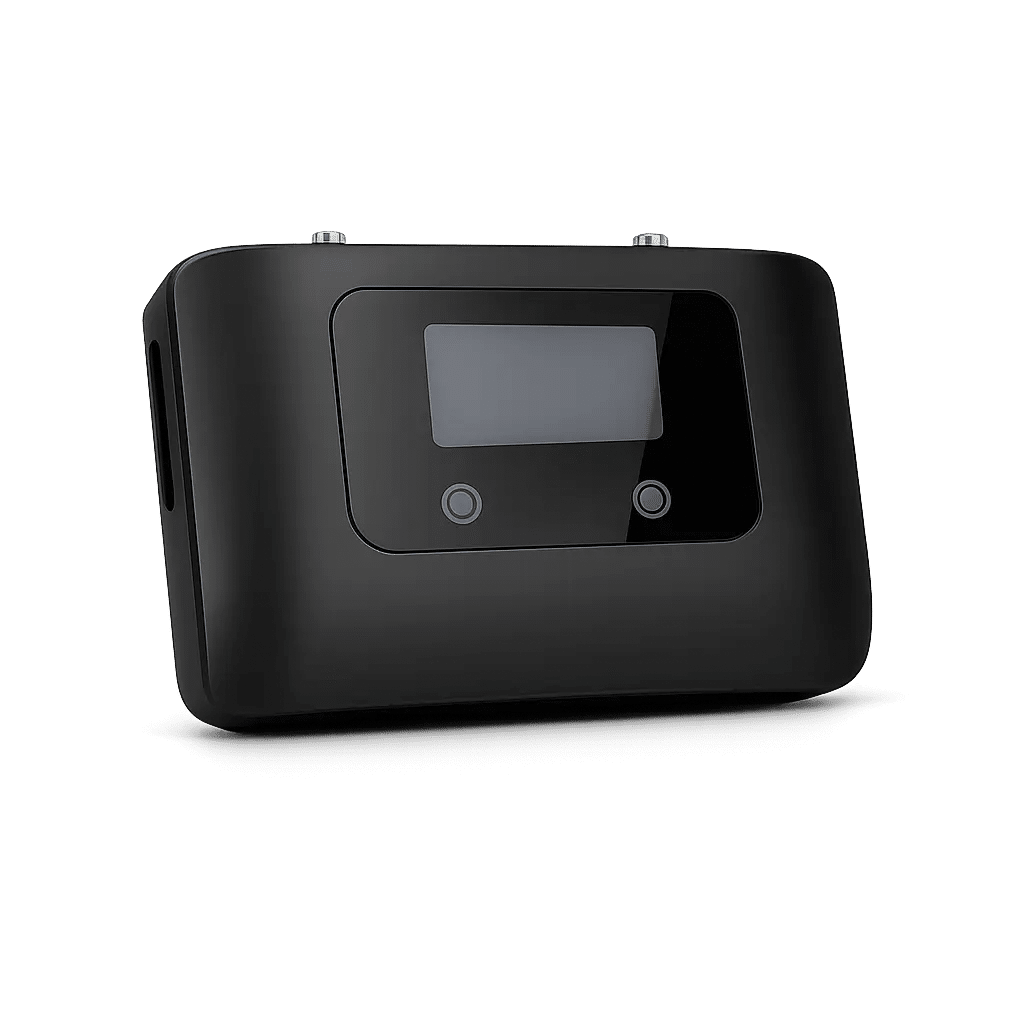
Coverage: 300 SQM
Ideal for: Home


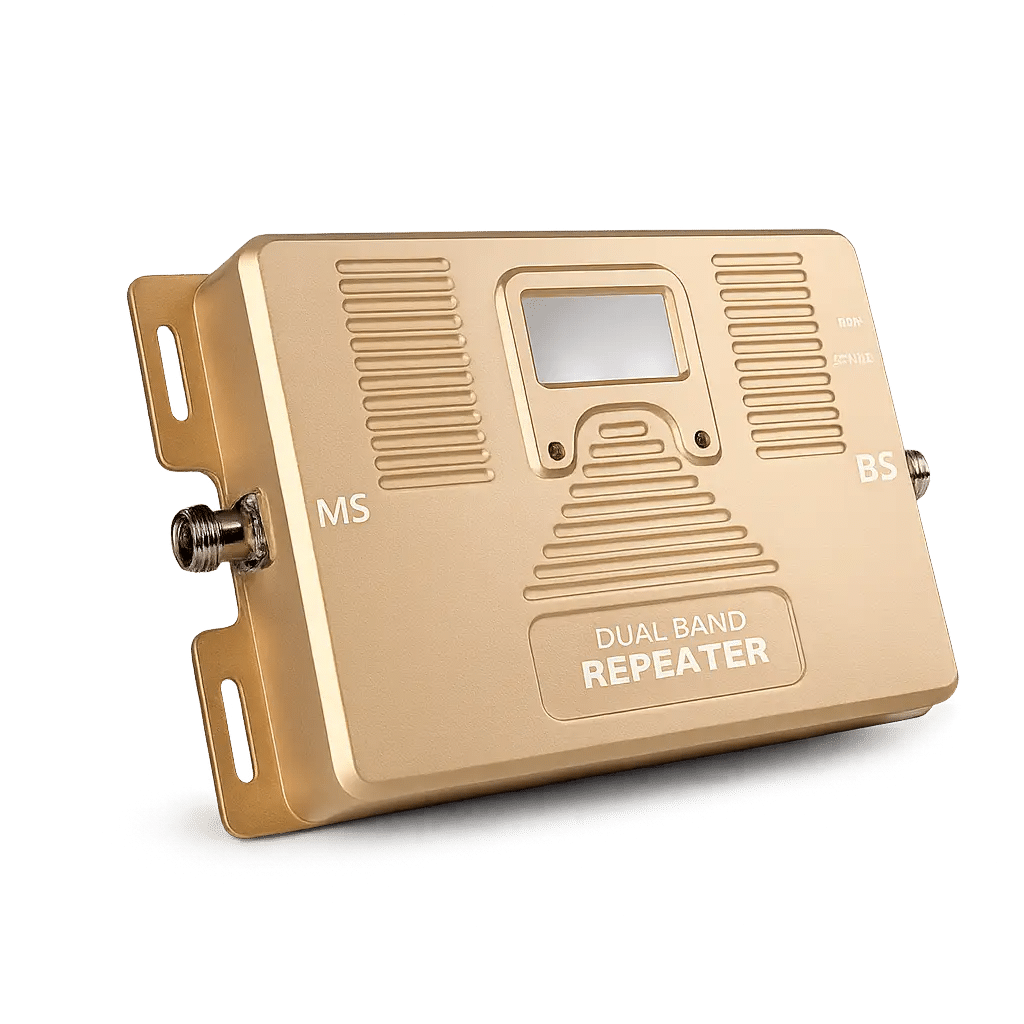
Coverage: 500 SQM
Ideal for: Medium Offices, Studios, And Homes

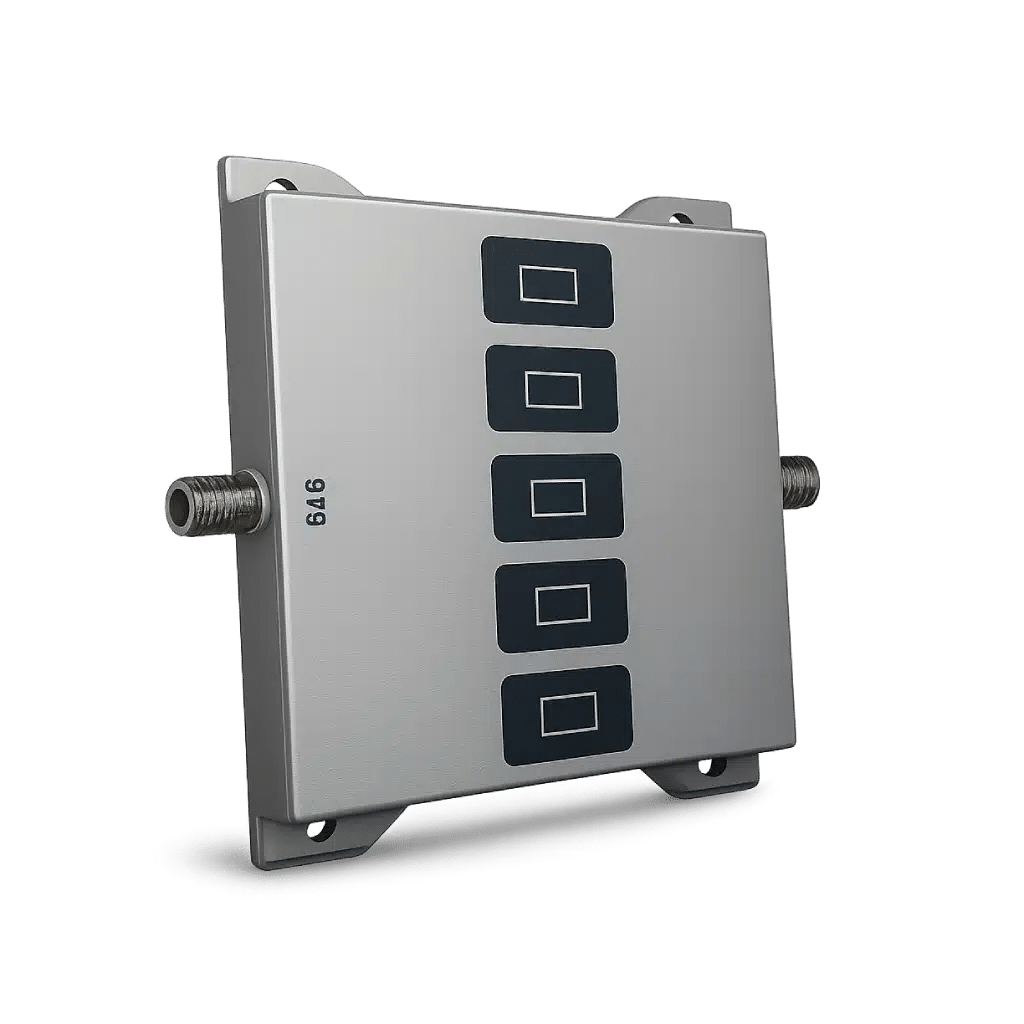
Coverage: 300 SQM
Ideal for: Home

Coverage: 1000 SQM
Ideal for: Hotel
