Free delivery included · Arrives in 5–7 working days

How to Prevent Signal Booster Overheating: The Engineering Fix
Quick Answer: A signal booster overheats when component stress or a feedback loop (oscillation) forces the device to run at maximum power without proper network control. To prevent this, only use an Ofcom IR2102-compliant static indoor repeater featuring Automatic Gain Control (AGC) and ensure maximum physical separation between the indoor and outdoor antennas.
The cheap repeater you bought online running hot enough to fry an egg is not suffering from a temporary glitch; it’s physics losing the battle against regulatory compliance. These devices aren’t faulty, they are just cheap, often illegal, and fundamentally incapable of managing the network environment they are dropped into. The question of how to prevent signal booster overheating UK is usually a question of avoiding the hardware that lacks the essential technical safeguards.
In my 12 years as an RF engineer, I can confirm that heat is just a symptom. The real issue is the operational failure of the amplifier, which is often running in an uncontrolled loop and damaging itself, and potentially disrupting nearby networks.
Why Mobile Signal Boosters Overheat (It’s Not Always Faulty Hardware)
All electronic amplifiers generate some heat when operating, but a legally compliant, static indoor repeater should only run warm. Excessive, concerning heat is a sign of extreme component stress, typically caused by one of two core problems: amplifier overload or signal oscillation.
Amplifier Overload and Unregulated Power
An amplifier overload happens when the incoming mobile signal is too strong for the booster’s gain setting, or when the booster attempts to compensate for a weak network connection by running its internal components at maximum power for extended periods.
Non-compliant grey-market repeaters often lack the sophisticated circuitry to manage input power automatically. They amplify indiscriminately, which leads to network interference, excessive power draw, and consequently, overheating and component failure. A legal system, regulated by Ofcom, is engineered to prevent this from the start.
Step 1: Start with Compliance (Automatic Gain Control is Key)
The first and most effective step in preventing any mobile signal booster from overheating is to invest in a device that is legally obliged to protect itself and the network. In the UK, this means purchasing a static indoor repeater that strictly meets the UK Interface Requirement 2102 (IR2102).
The IR2102 standard mandates technical features that directly address the root causes of heat and operational failure:
Automatic Gain Control (AGC): This is the core safeguard. AGC constantly monitors the network conditions and automatically adjusts the repeater’s power (gain) in real-time. This ensures the device never overloads the cell mast or runs its amplifier beyond safe operating limits.
Digital Filtering and Oscillation Shutdown: Legal repeaters use digital filtering to ensure the amplified signal is clean and stable. If oscillation (a feedback loop) is detected, the booster will automatically reduce its power or shut down within seconds to prevent harmful interference and hardware damage.
The legal safety features are what prevent component meltdown. If you buy a booster that lacks AGC, you are essentially buying a device that is designed to fail and risk a substantial fine up to £5,000.
| Product | Price | Coverage | Best For | Verdict |
|---|---|---|---|---|
| Entry-Level IR2102 Repeater | typically retails around £275 | 1–2 rooms | City flats with strong outdoor signal | Simple, localised boost. |
| Mid-Range Multi-Band Repeater | typically retails around £450 | Up to 4 rooms | Standard semi-detached houses | Solid solution for common structural issues. |
| High-Gain 5G/MIMO System | typically retails around £600 and up | Multiple floors and large footprints | Rural stone cottages or commercial sites | Necessary for starting outdoor signal below -95 dBm. |
Step 2: Fix the Oscillation Loop
The single most common cause of high heat and poor performance in any repeater, even a compliant one, is oscillation, also known as a feedback loop. Oscillation occurs when the amplified signal transmitted by the internal antenna leaks back into the external donor antenna and is re-amplified in a continuous, deafening loop. This forces the amplifier to work harder than necessary and generate excess heat.
The solution is not complex, but it requires meticulous placement, following the rule of isolation.
Maximising Antenna Isolation
The primary method for eliminating oscillation is ensuring maximum physical separation between the two antennas. The greater the distance, the more signal loss occurs in the space between them, preventing the feedback loop.
Vertical Separation is Superior: Aim for the largest possible vertical distance between the indoor service antenna and the external donor antenna. For example, place the external antenna on a chimney stack and the indoor antenna in the basement.
Go Clear and High: Mount the donor antenna on the highest possible point of your structure. This minimises obstructions and increases the signal-to-noise ratio (SNR), which improves the booster’s efficiency and reduces the need for maximum gain.
Directional Aiming: If using a high-gain directional antenna, ensure it is pointed away from your building and directly at the nearest Mobile Network Operator (MNO) mast. This placement is the fundamental technique for bypassing building penetration loss and ensuring the outdoor signal (measured in dBm) is strong enough to boost efficiently.
Check Cable Integrity: Over time, physical degradation, moisture ingress, or corrosion on connectors can increase system loss. This loss compromises performance and forces the repeater to run harder, potentially causing heat. Periodically check all cable jackets and connector tightness.
A well-chosen, legal booster will fail if the antenna placement is wrong. In my experience, neglecting proper separation is the number one cause of both low performance and excessive heat.
Frequently Asked Questions
Is a mobile signal booster legal in the UK?
Yes, boosting mobile signal is legal only if the device is a static indoor repeater that strictly meets the technical specification outlined by Ofcom in the UK Interface Requirement 2102 (IR2102). The use of all other non-compliant mobile signal boosters remains unlawful and carries a risk of substantial penalties.
Can one signal booster cover all UK networks?
Yes, modern, legally compliant static indoor repeaters are typically multi-band devices engineered to boost signals across the various LTE bands used by all major UK mobile networks. This includes EE, Vodafone, O2, and Three, meaning you should not need a separate system for different carriers.
How much should I expect to pay for a legal signal repeater?
You should expect to budget at least £275 for an entry-level, legal, Ofcom-compliant repeater. Mid-range systems for standard homes typically retail around £450, while high-gain 5G/MIMO systems for large or rural properties start at approximately £600.
What is signal booster oscillation?
Signal booster oscillation is a feedback loop that occurs when the amplified signal from the indoor service antenna leaks back into the external donor antenna, causing re-amplification. This harmful feedback generates interference, forces the repeater to reduce its gain automatically, and can lead to excessive heat and component stress if the device is non-compliant.
Which UK network has the best coverage in 2026?
EE is generally considered the best overall network in the UK for 2026, leading in average download speeds and having the widest 4G population coverage at 99.8%. For rural properties, EE often performs best due to their use of lower frequency 700MHz spectrum, making them the most reliable choice for coverage and speed.
The Bottom Line
A hot repeater is a stressed repeater. Stop wasting time with cheap hardware that lacks the intelligence to manage network conditions and causes issues like overheating. The definitive answer to how to prevent signal booster overheating UK is simple: only install a professional-grade, Ofcom-compliant IR2102 static repeater system that features Automatic Gain Control and ensure its antennas have adequate physical separation to defeat oscillation. This is the only legal, reliable way to guarantee stable indoor coverage without the fire risk.
Find your smart, legal repeater system and directional antenna kits today at MySignalBoosters.com.
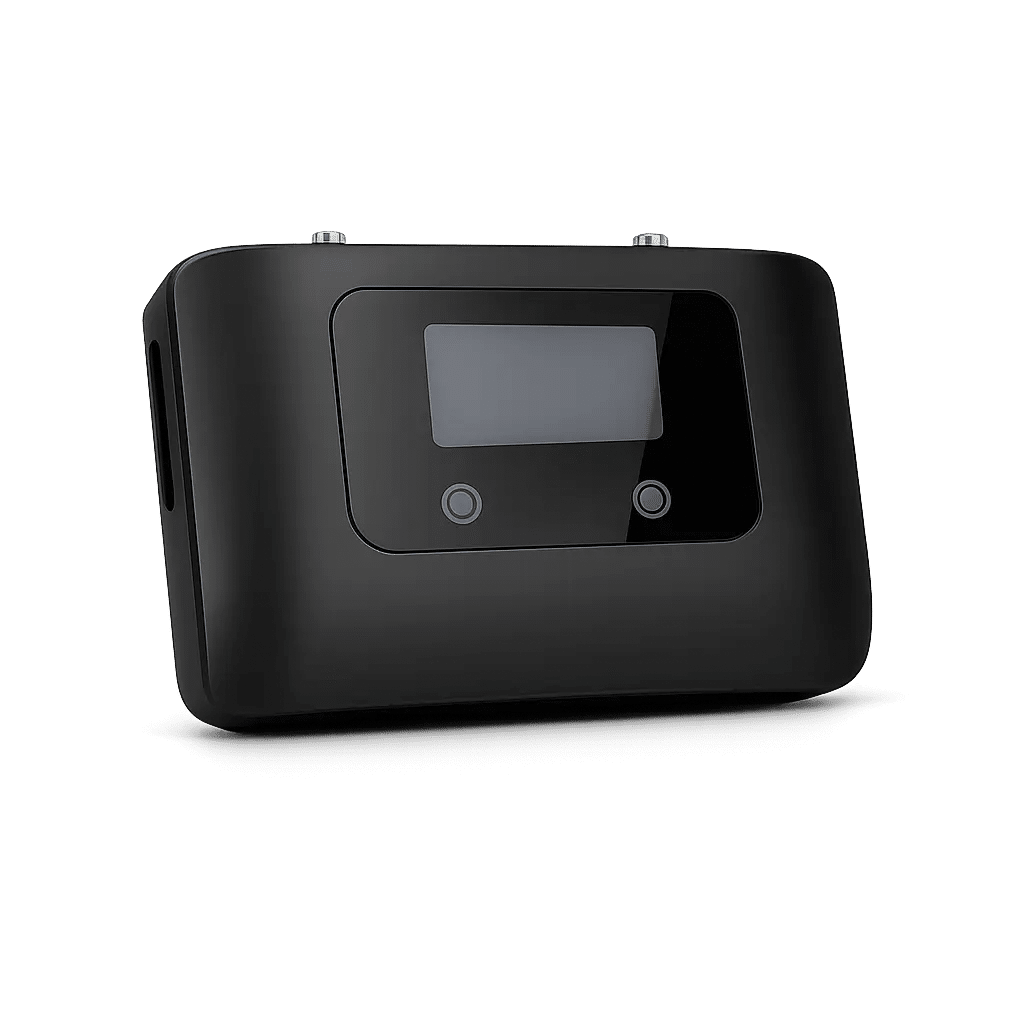
Coverage: 300 SQM
Ideal for: Home


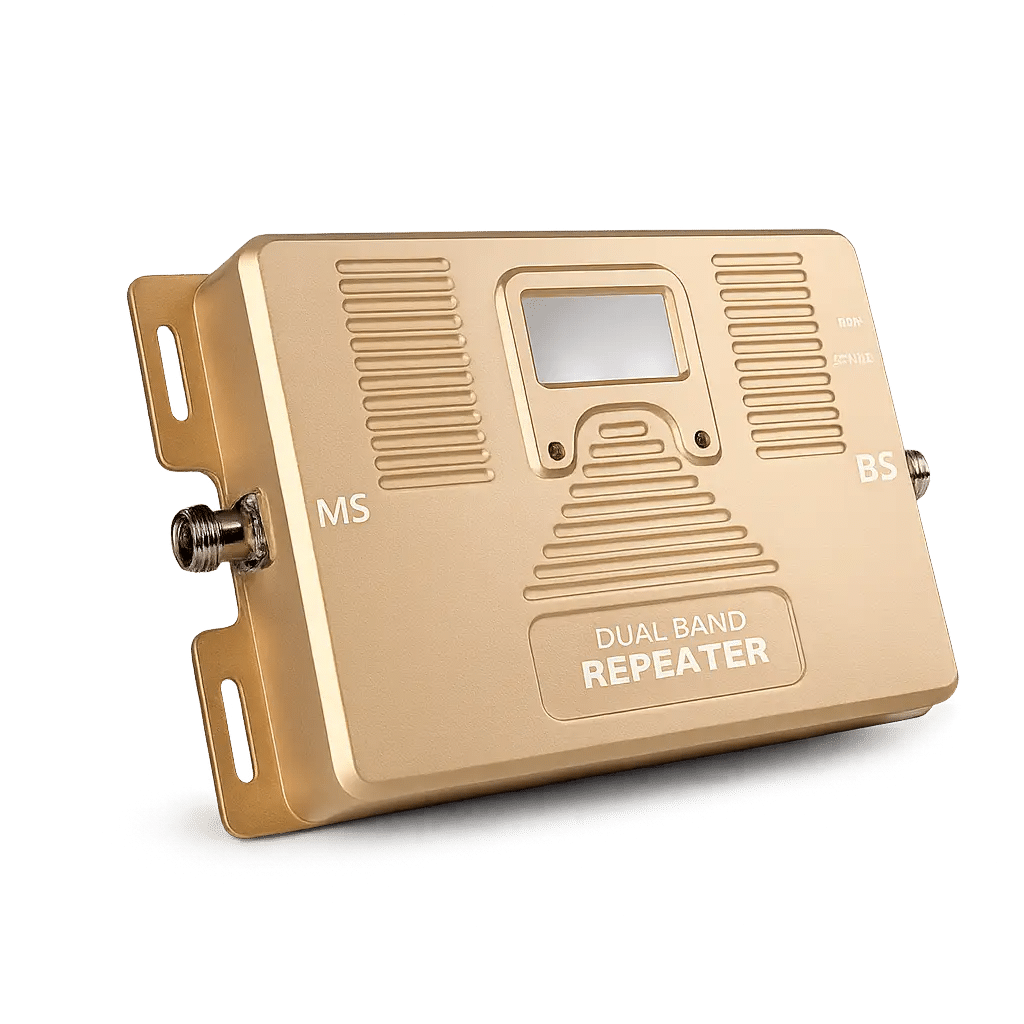
Coverage: 500 SQM
Ideal for: Medium Offices, Studios, And Homes

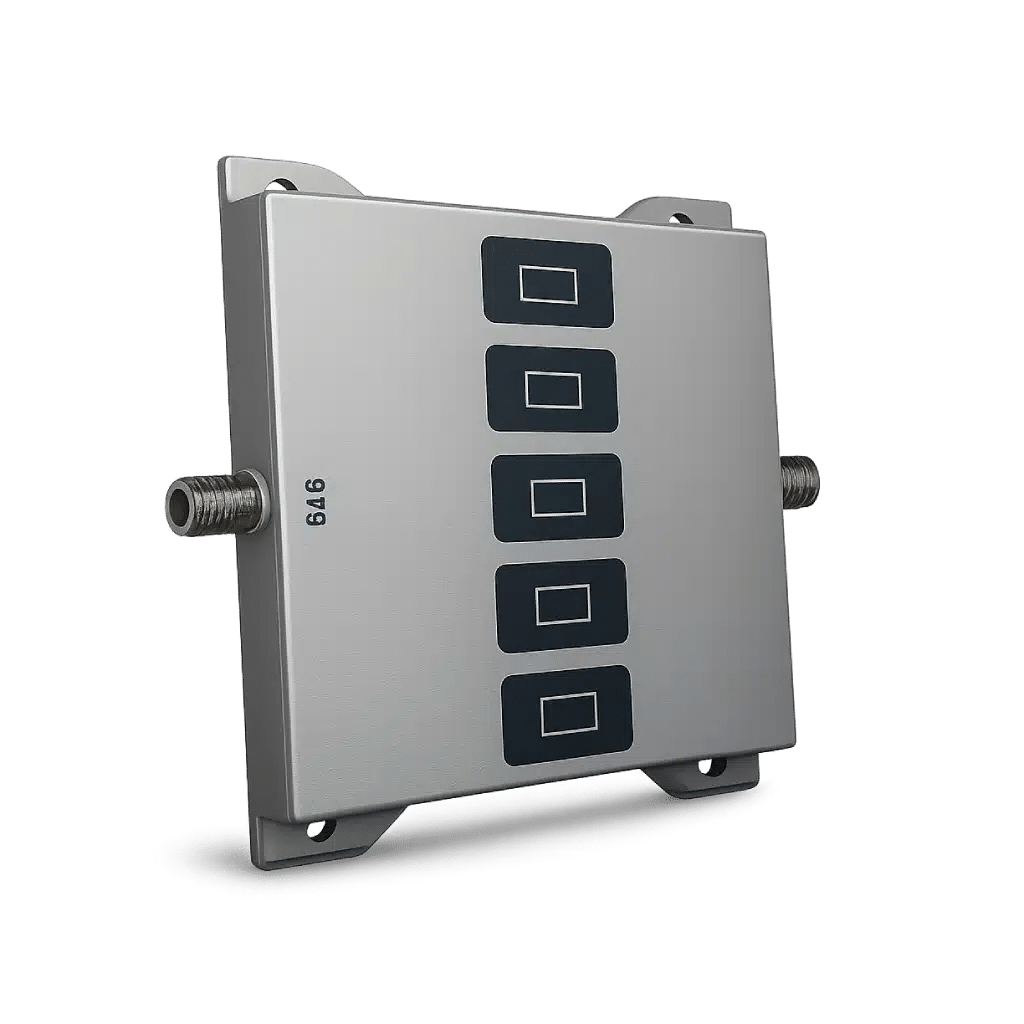
Coverage: 300 SQM
Ideal for: Home

Coverage: 1000 SQM
Ideal for: Hotel
