Free delivery included · Arrives in 5–7 working days

How to Reduce Signal Booster Power Consumption in 2026
Quick Answer: Most Ofcom-compliant signal boosters are exceptionally energy-efficient and use significantly less electricity than standard household appliances like washing machines or electric ovens. You can minimise your consumption by choosing models with an intelligent “Sleep mode,” ensuring proper antenna separation to prevent power-wasting feedback loops, and using Automatic Gain Control (AGC).
The current state of modern mobile signal boosters is a far cry from the power-hungry, noisy electronics of yesteryear. I have spent 12 years as an RF engineer, crawling through loft spaces and commercial ceilings across the UK, and I can confirm that the panic surrounding the energy usage of these devices is largely misplaced. If you are worried about an extra drain on your energy bill, let us look at the facts. Your booster is not a heater, nor is it a high-powered server rack. It is a precision piece of telecommunications equipment that, when installed correctly, sips power rather than guzzling it.
The Efficiency Myth and Reality
People often assume that because a device is “boosting” a signal, it must be cranking up its internal amplifier to maximum power at all times. This is simply not the case. Legally compliant, Ofcom-approved repeaters are designed with efficiency in mind.
Unlike the cheap, illegal wideband amplifiers you might find on suspicious websites, a proper IR2102-compliant repeater is a smart device. It does not blast radiation into every corner of your home indiscriminately. It uses sophisticated internal logic to monitor the signal environment.
For comparison, a typical electric oven might draw 3 to 5 kW, and a washing machine will pull 1 to 1.5 kW. A mobile signal booster is measured in watts, and in its idle state, it often uses almost nothing. The most effective way to reduce your power consumption is to purchase the correct, high-quality, Ofcom-compliant equipment in the first place, rather than buying a generic unit that lacks power-saving protocols.
Understanding Gain and Preventing Energy Waste
The primary reason a signal booster consumes more power than necessary is not because the manufacturer made it that way, but because of an installation error that leads to a feedback loop.
In RF engineering, we call this oscillation. When your indoor service antenna is too close to your outdoor donor antenna, the system begins to amplify its own signal, creating a feedback loop similar to the screeching sound of a microphone held too close to a speaker.
When this happens, the repeater has to work overtime to manage the interference. This forces the device into a state of high activity, which consumes more power and creates unnecessary stress on the internal components. To stop this, the repeater will often attempt to throttle its own gain to protect the network.
The Role of Antenna Placement
You can effectively lower your power footprint by fixing the root cause of high-activity cycles: poor antenna separation.
Maximise Physical Separation: Aim for at least 10 to 15 metres of vertical or horizontal separation between your outdoor donor antenna and the indoor service antenna.
Use Physical Barriers: Concrete walls or steel partitions can act as shielding, which helps isolate the two antennas and prevents the system from entering an unstable, power-draining feedback loop.
Avoid Over-Amplification: Do not simply buy the most powerful system available if you do not need it. If your home is small, a high-gain, 5,000 sq m capacity system is overkill and a waste of electricity compared to a mid-range unit.
Intelligent Features for Low-Energy Usage
Modern, professional-grade signal boosters come with integrated technology designed to save you money and protect the local mobile network.
Automatic Gain Control (AGC)
Every legal, IR2102-compliant repeater must include Automatic Gain Control. This feature acts like a thermostat for your signal strength. It constantly monitors the signal quality from the cell tower and adjusts the repeater’s power output in real-time. If the signal is strong, the device does not need to amplify it as much, so it lowers its power usage accordingly.
The Power of Sleep Mode
Many high-quality repeaters include a “Sleep mode”. When there are no mobile devices actively using the signal in your home or office, the booster reduces its power consumption to a near-zero state. It effectively waits in the background until a call is initiated or data is requested, meaning it is not drawing significant current for the 20 hours a day you might not be actively using your phone.
Avoiding Illegal “Broadband” Amplifiers
The worst thing you can do for your electricity bill—and your legal standing—is to buy a cheap, unverified repeater from an online marketplace. These devices are often referred to as “broadband” or wideband amplifiers, and they lack the intelligent filtering and power management circuitry found in Ofcom-compliant systems. They are essentially crude devices that run at maximum gain regardless of whether the signal is weak or strong, which is both inefficient and likely to earn you a visit from the regulator.
Frequently Asked Questions
Do signal boosters use a lot of electricity?
No, a modern, Ofcom-compliant signal booster uses a negligible amount of electricity compared to typical household appliances. They are designed to operate efficiently and only amplify the signal when necessary, often consuming less power than a single low-wattage lightbulb.
Is it legal to turn down the gain on my booster?
You should not need to manually adjust the gain if your system is correctly installed. Legal IR2102-compliant repeaters use Automatic Gain Control to manage power levels safely, and any manual attenuation should only be performed by a professional if the device is causing specific interference issues.
What is Sleep mode on a signal booster?
Sleep mode is an energy-saving feature found in many high-quality repeaters that automatically drops the device into a low-power state when no mobile devices are actively using the boosted signal. This ensures the unit is not drawing power when it is not needed, which helps reduce long-term energy costs.
How can I tell if my booster is wasting energy?
If your booster feels excessively hot, displays constant error codes, or if you notice your phone is struggling to maintain a connection despite the booster being powered on, it may be operating in a feedback loop. This creates inefficiency, and you should check the physical separation between your indoor and outdoor antennas immediately.
Does a higher gain setting mean more power usage?
Yes, a higher gain setting requires more power to drive the amplifier, but you should only choose the gain level that suits your specific coverage needs. Buying a “Professional Ultra-Max” system for a small apartment is not just poor planning; it forces the device to operate at a capacity that is entirely unnecessary for the space.
The Bottom Line
Reducing your booster’s power consumption is less about finding a secret setting and more about doing the job right the first time. Start by purchasing an Ofcom-compliant, IR2102-certified repeater that includes Automatic Gain Control and Sleep mode. Ensure your antenna placement is perfect to prevent the feedback loops that cause power-sapping oscillation. Stop gambling on cheap, illegal hardware that runs flat-out and risks a £5,000 fine. Invest in a professional-grade system designed for the UK market and enjoy reliable connectivity without the guilt.
Find your smart, legal, and energy-efficient repeater system and directional antenna kits today at MySignalBoosters.com.
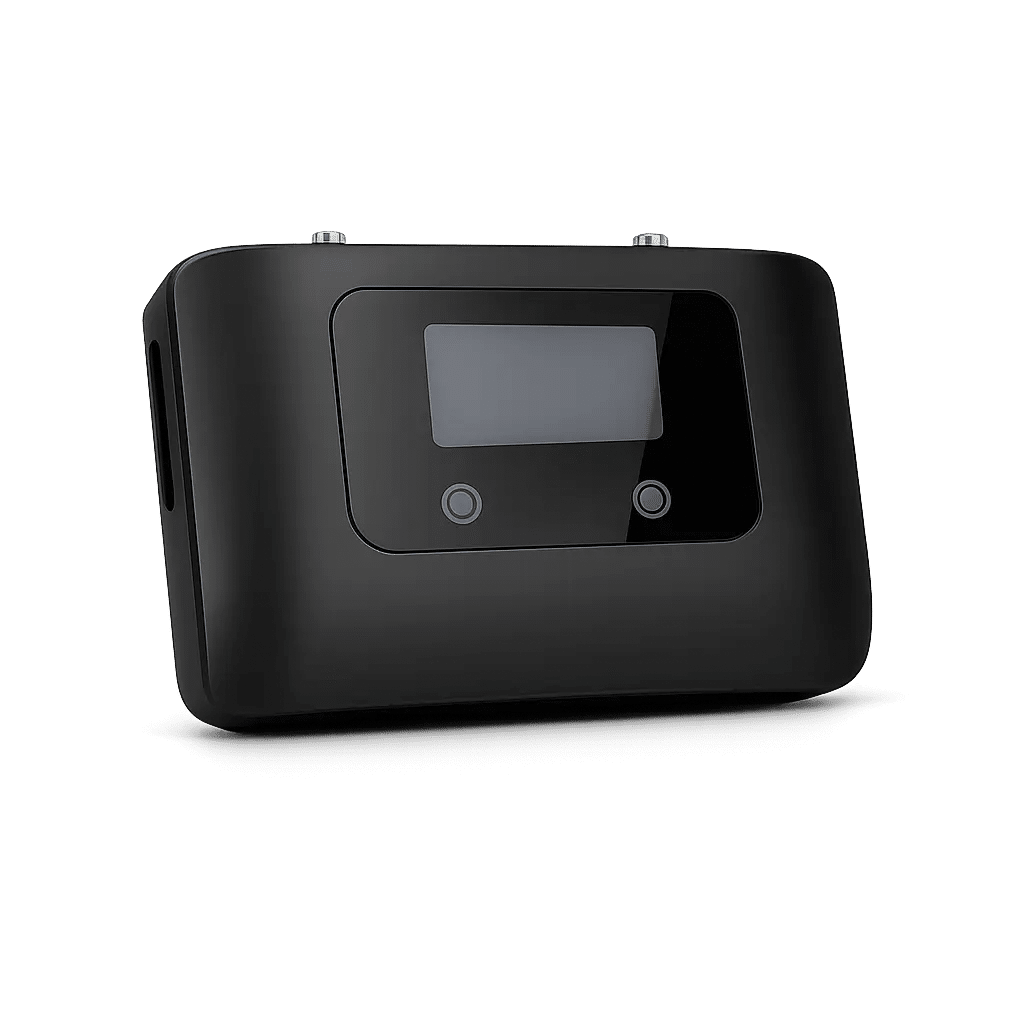
Coverage: 300 SQM
Ideal for: Home


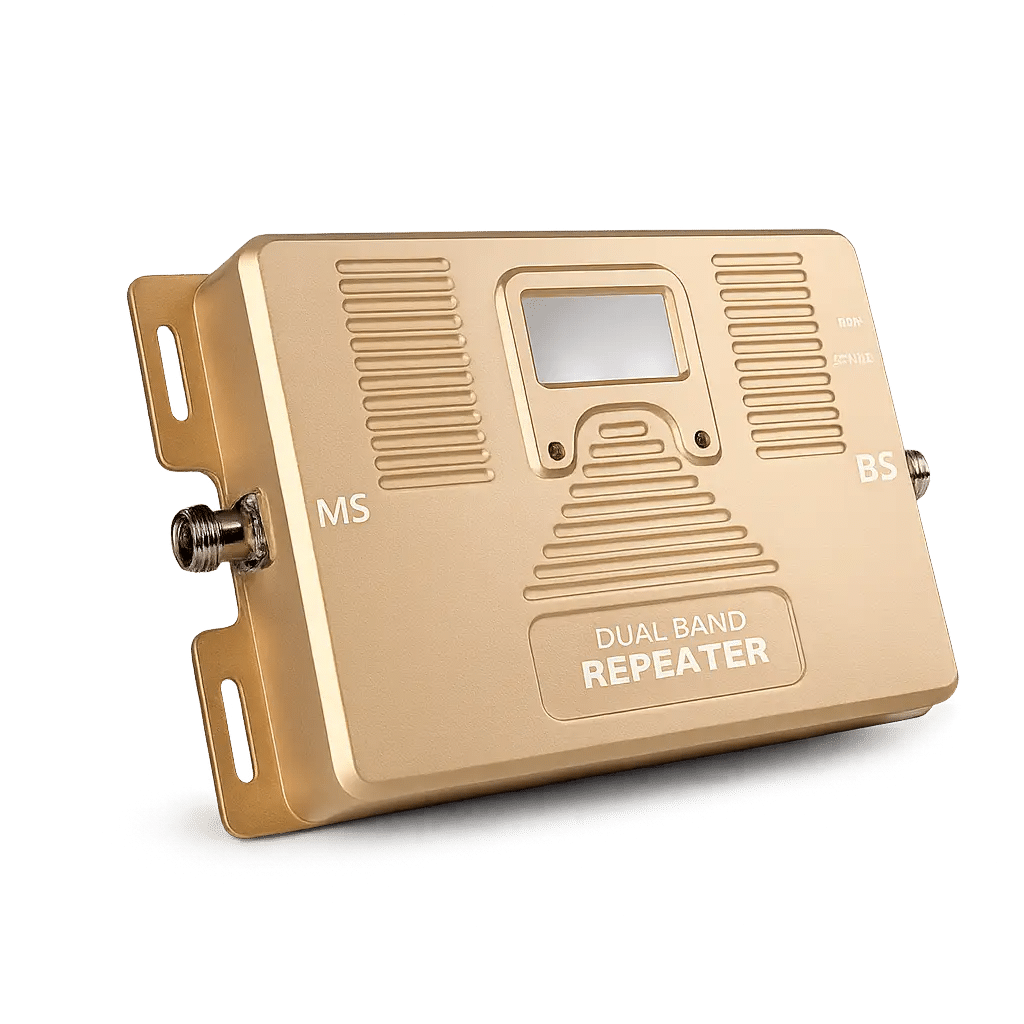
Coverage: 500 SQM
Ideal for: Medium Offices, Studios, And Homes

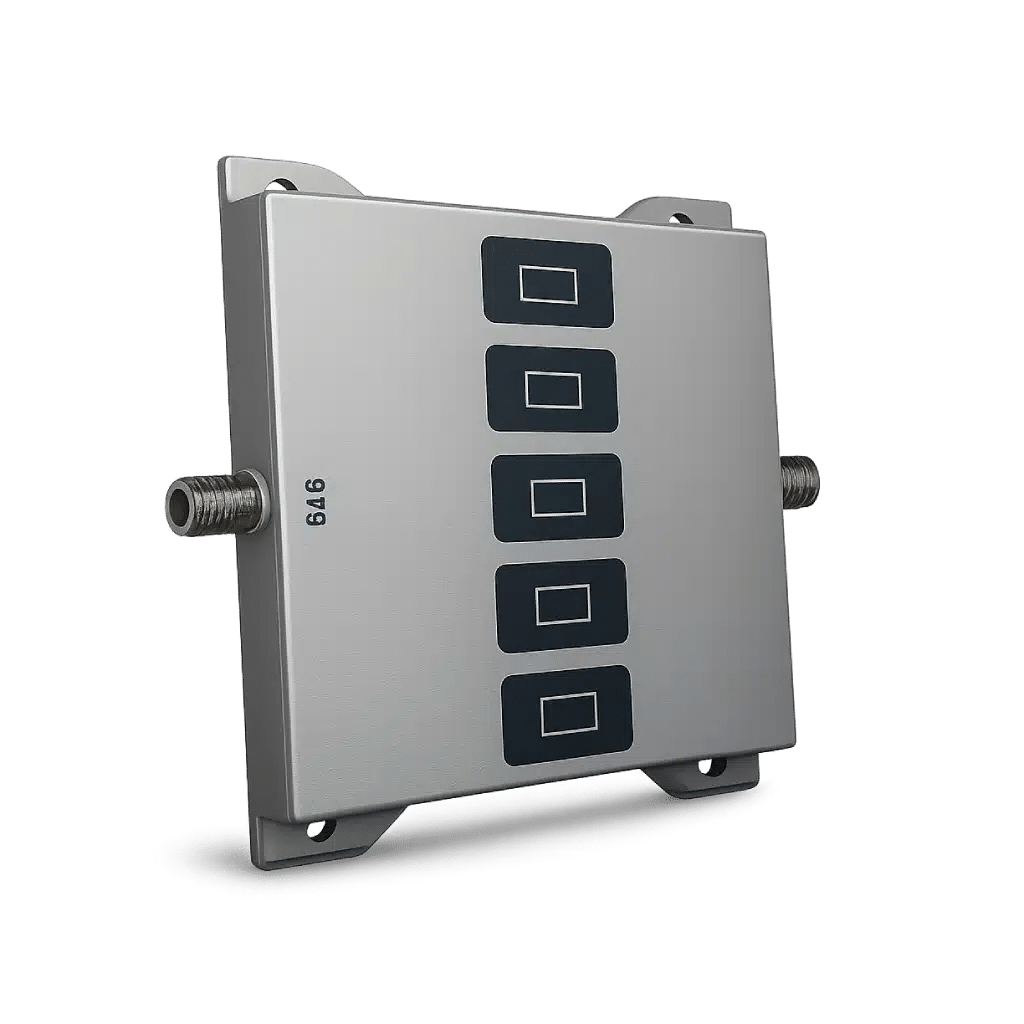
Coverage: 300 SQM
Ideal for: Home

Coverage: 1000 SQM
Ideal for: Hotel
