Free delivery included · Arrives in 5–7 working days

Shop mobile signal boosters
Get a stronger mobile signal at home or work. Delivery in 5-7 working days. 30-day returns.
How to Legally Relocate a Mobile Signal Booster in the UK
Quick Answer: To legally relocate a mobile signal booster in the UK, you must ensure the device is a license-exempt static indoor repeater compliant with Ofcom’s IR2102 standard. Relocation requires three critical steps: completely dismantling the old system, measuring the outdoor dBm signal strength at the new location, and strictly following the installation guidelines to prevent interference.
So, you’ve moved house, or perhaps expanded your business into a new office, and that signal booster you relied on is now sitting awkwardly in a box. You cannot simply plug it in and expect it to work without causing network interference. Your compliant repeater is designed to be “static,” meaning it must be properly re-installed and configured for its new physical environment. In my 12 years as an RF engineer, I can confirm that the difference between success and a mandatory shutdown notice from Ofcom comes down to following the right relocation protocol.
Step 1: Confirming Compliance and Dismantling the Old System
The biggest mistake people make when moving a booster is confusing a temporary move with permanent relocation, or attempting to use a static unit in a vehicle. Your core concern must always be legality, which overrides all performance concerns.
In the UK, the only legal device for improving signal inside a fixed building is a static indoor repeater that strictly meets the UK Interface Requirement 2102 (IR2102).
The “static” term is non-negotiable. It means the device must be fixed in one location and cannot be used while in transit. Attempting to use a static IR2102 repeater in a moving car, motorhome, or mobile caterers van is unlawful. For vehicles in motion, you require a legal, low-gain in-vehicle repeater system.
The dismantling process must be comprehensive. You need to remove the external donor antenna, the main repeater unit, and all internal service antennas. Ensure all cabling is properly disconnected, and save the original instruction manual and compliance documentation for the re-installation process.
Step 2: Measuring the New Signal Strength in dBm
A signal booster can only amplify a usable signal; it cannot conjure one from unusable noise. Before you drill any holes or run new cables at the new location, you must find the true, raw signal strength.
Forget the notorious and optimistic lies of phone signal bars. You need the precise numerical reading measured in negative decibel-milliwatts (dBm). A value closer to zero means a stronger signal.
If your outdoor reading is consistently worse than -110 dBm, the booster is amplifying unusable noise and will be ineffective. If your reading is better than -100 dBm, your new location is an ideal candidate for an Ofcom-compliant repeater system.
How to Find Your dBm Reading
Accessing this numerical reading is the only reliable way to plan your new antenna placement.
iPhone users: Dial 3001#12345# and press call to enter Field Test Mode.
Android users: Navigate to Settings, About Phone, and then Status or Network to find the dBm value.
This measurement must be taken outside, at the highest and clearest possible point, typically where your new external donor antenna will eventually be mounted.
Step 3: Re-installing to Defeat Building Penetration Loss
The primary reason you need a repeater is building penetration loss—the severe weakening of 4G and 5G radio waves as they pass through thick materials like concrete, stone, or foil-backed insulation. Your new building will have a different level of signal loss, and the re-installation must compensate for this.
A successful relocation means meticulously following the three critical antenna placement rules for the external donor antenna.
The Three Critical Rules for New Antenna Placement
Go High: Mount the external donor antenna on the highest possible point of your new structure. This minimizes obstructions like new hills, trees, or surrounding buildings.
Go Clear: Ensure the antenna has a clear line-of-sight path to the nearest mobile mast for EE, Vodafone, O2, or Three. This is the fundamental technique for bypassing the new walls entirely.
Go Aimed (Directional Only): If your system uses a high-gain directional antenna, you must use a compass or online tool to point it precisely at the nearest mast for maximum signal capture.
Proper separation between the newly positioned external antenna and the internal service antenna is essential. If the internal and external signals bleed together, the repeater will cause oscillation and automatically shut down, or worse, cause harmful interference to the network.
Re-Registering and Maintaining Smart Systems
Professional-grade IR2102 compliant systems, such as the Cel-Fi units typically retailing around £1,300–£1,600, often feature “smart” technology. These devices require software registration and sometimes firmware updates to maintain network safety and compatibility, especially during ongoing 5G rollout.
If you relocate such a system, you may need to connect it to its companion app (via Bluetooth or Wi-Fi) to update the firmware. This technical maintenance ensures the device’s Automatic Gain Control (AGC) is correctly calibrated for the new tower location, which is critical for compliance.
Frequently Asked Questions
Is it legal to move a static mobile signal booster to a new location in the UK?
Yes, moving a license-exempt static indoor repeater to a new fixed location is legally permitted, but it must be properly installed and fixed again as a new static unit. The system must remain powered down and disconnected while in transit and must never be used in a moving vehicle.
Why is the outdoor dBm reading so important when I relocate my repeater?
The outdoor dBm reading tells you the precise raw signal strength available for the donor antenna to capture, which dictates the level of gain your repeater needs to use. Without a reading better than -105 dBm at the new location, the repeater may amplify only noise, rendering the entire re-installation ineffective.
Can one legal repeater cover all UK networks at my new home?
Yes, modern, legally compliant static indoor repeaters are typically multi-band devices engineered to boost signals across the various LTE bands used by all major UK mobile networks simultaneously. This covers EE, Vodafone, O2, Three, and all Mobile Virtual Network Operators (MVNOs) like Voxi or Talkmobile.
How much should I budget for the professional re-installation of a high-gain system?
If you are confident in the technical protocol, you can self-install, but a new high-gain system required for a large or rural property typically retails between £600 and £850 for the core hardware components alone. Professional installation costs vary based on the complexity of the new structure, such as thick stone walls or a large internal footprint.
Is there a risk of being fined for incorrectly relocating my mobile signal booster?
Yes, the use of any mobile signal repeater that does not strictly adhere to the technical specifications of Ofcom’s IR2102 standard is unlawful and risks substantial penalties. Fines for using illegal or improperly set-up non-compliant devices can reach £5,000.
The Bottom Line
Relocating your mobile signal booster is not an act of simple plug-and-play convenience; it is a complex re-installation project governed by the physics of radio waves and UK law. By treating your existing hardware as if it were brand new, you force yourself to follow the critical technical protocol: measure the new dBm, verify compliance, and rigorously follow the antenna placement rules. Do not risk a fine by gambling on improper installation. Find certified advice and the right re-installation kits today at MySignalBoosters.com.
Shop mobile signal boosters
Get a stronger mobile signal at home or work. Delivery in 5-7 working days. 30-day returns.
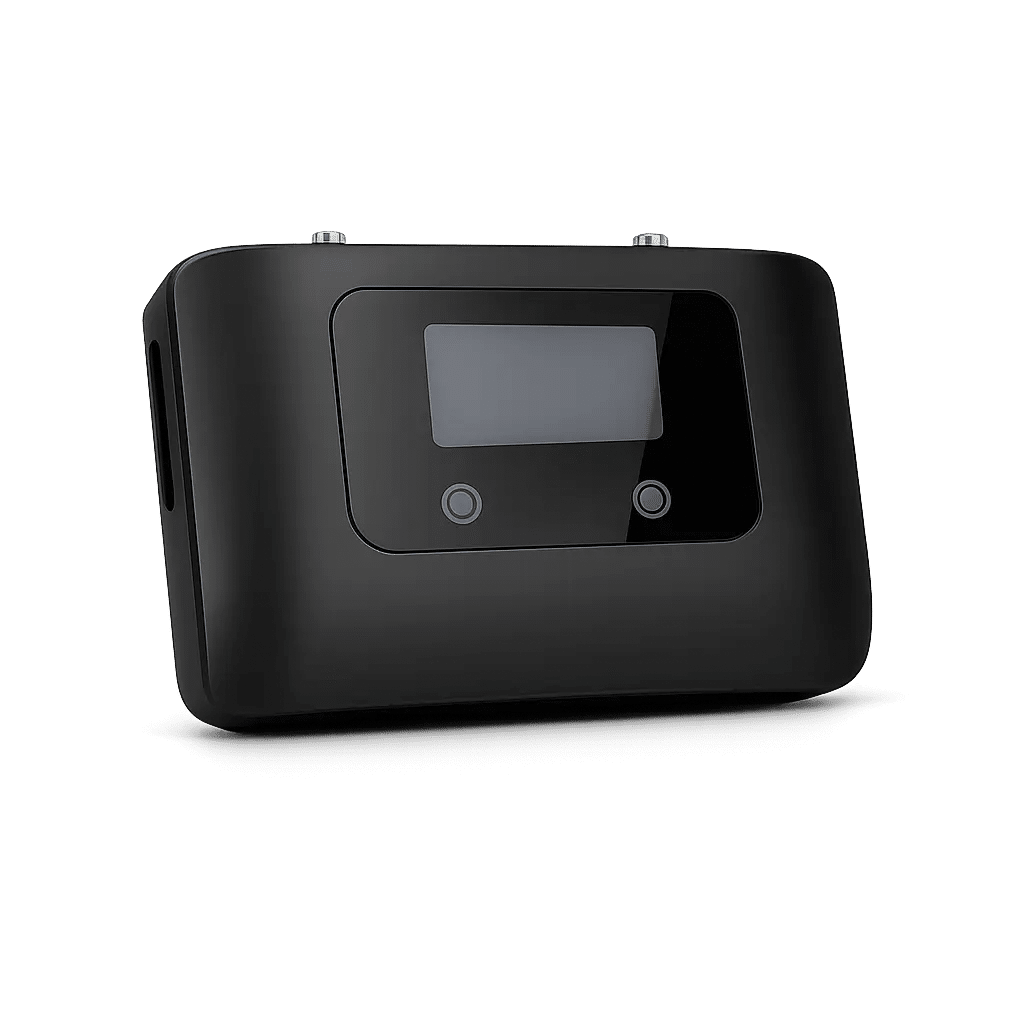
Coverage: 300 SQM
Ideal for: Home


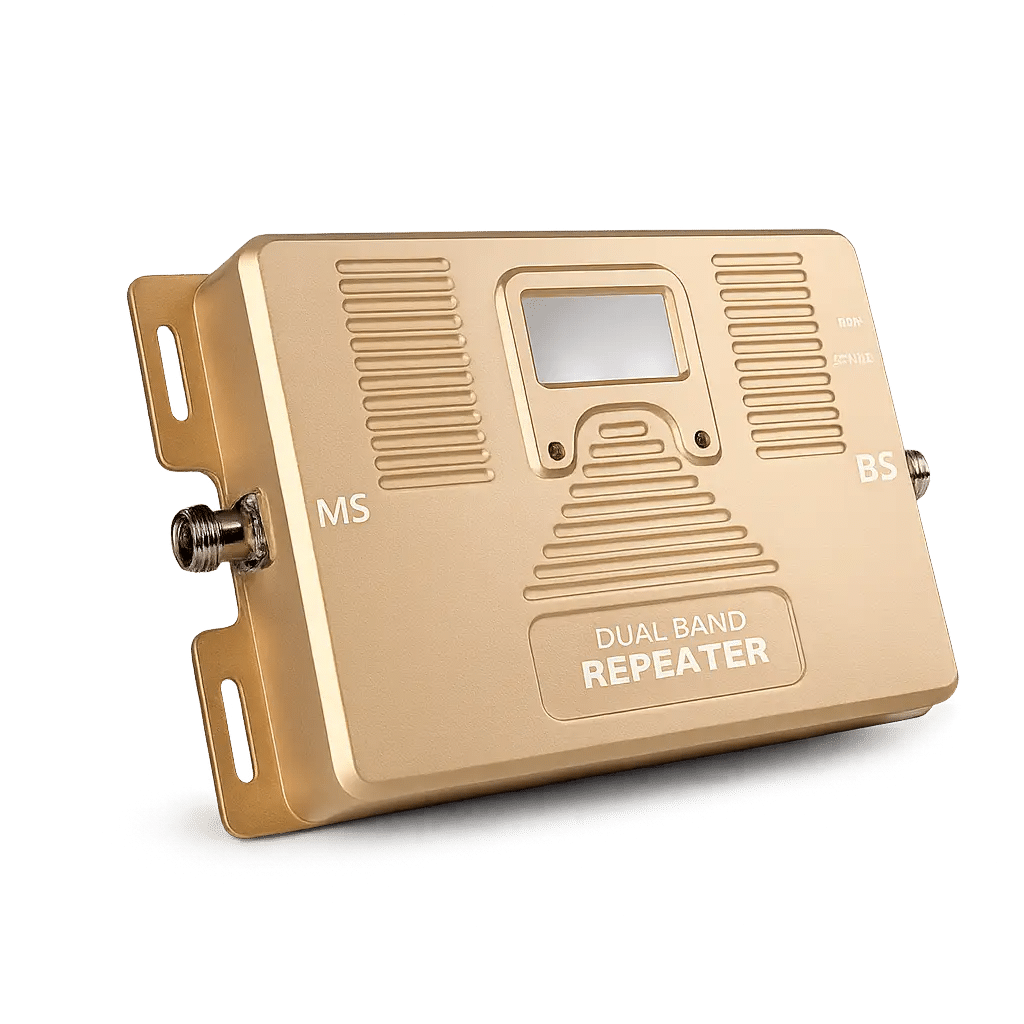
Coverage: 500 SQM
Ideal for: Medium Offices, Studios, And Homes

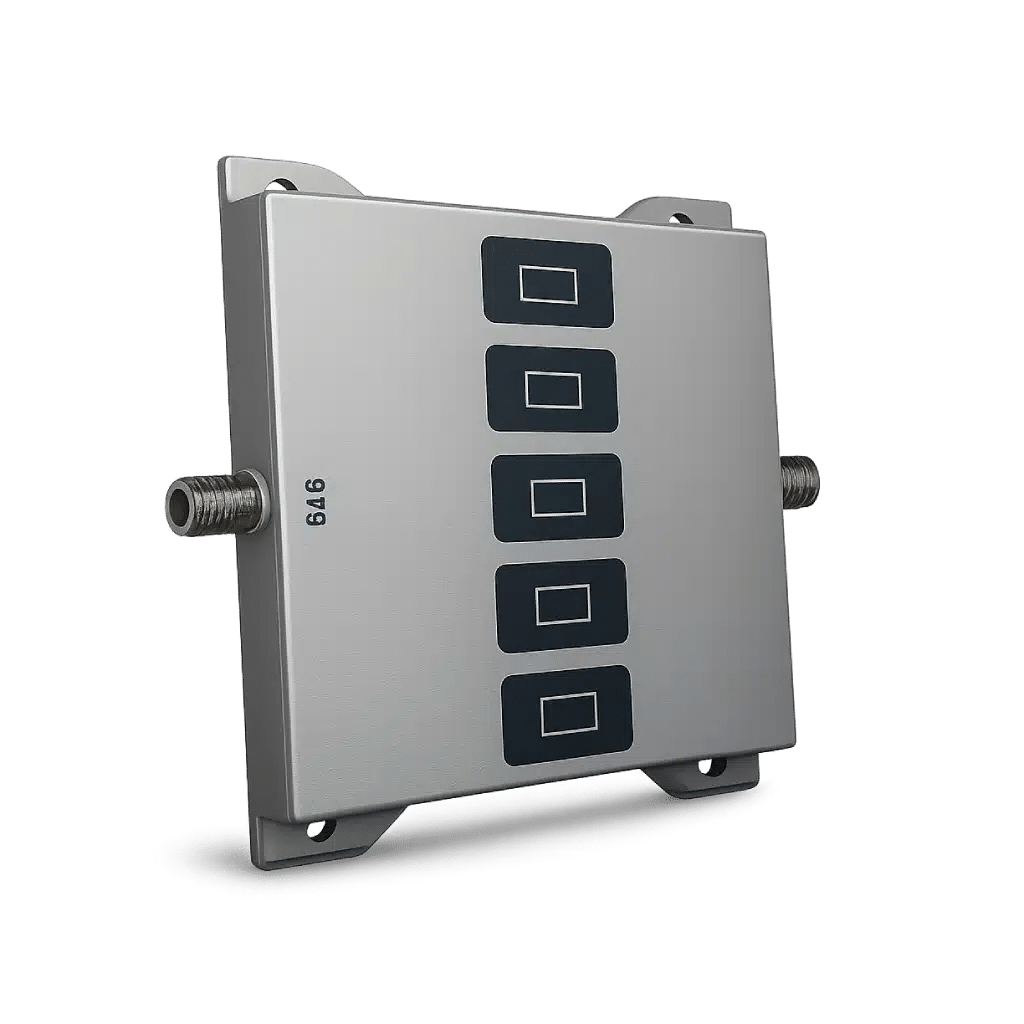
Coverage: 300 SQM
Ideal for: Home

Coverage: 1000 SQM
Ideal for: Hotel
