Free delivery included · Arrives in 5–7 working days

How to Replace a Signal Booster Antenna in the UK
Quick Answer: To replace your signal booster antenna, purchase a high-gain directional Yagi antenna if you are in a weak-signal area, or an omnidirectional antenna for strong urban areas. Ensure the antenna impedance matches your current repeater (typically 50-ohm), use high-quality LMR-400 coaxial cabling to reduce signal loss, and secure all connections tightly to maintain Ofcom-compliant performance.
If your signal booster is currently performing with all the enthusiasm of a wet weekend in Bognor Regis, the culprit is rarely the amplifier itself. Usually, it is the donor antenna on your roof, which has likely suffered from weather damage, poor alignment, or simple, cheap construction. After 12 years of wrestling with RF signals in damp UK stone cottages and concrete-clad office blocks, I can confirm that replacing the external donor antenna is the most effective way to fix a flaky connection.
Do not be fooled by cheap plastic sticks or magical signal stickers sold on marketplaces. Physics is stubborn, and your building materials are currently acting as a Faraday cage, blocking every electron that tries to get through. Replacing your antenna is a precise mechanical job, but it is one that will actually make your phone work indoors.
Why Your Current Antenna Is Likely Failing
If you are reading this, you probably already have a repeater system that is either oscillating or outputting signal strength lower than a whisper in a thunderstorm. A donor antenna sits on the front lines, exposed to the notorious British weather. Over time, cable seals degrade, water ingress ruins the internal circuitry, or high winds simply knock it out of alignment.
If your signal outside is weaker than -95 dBm, your current antenna might not have the gain necessary to bridge the gap. Replacing a generic, low-gain whip antenna with a professional-grade directional Yagi can provide the extra sensitivity required to grab a signal from a mast miles away.
Choosing Your Replacement: Yagi or Omni?
You cannot just throw any antenna on the roof and hope for the best. You need to pick the right tool for your environment.
1. The High-Gain Yagi Antenna
These are the heavy hitters. If you live in a rural area or a deep valley where the signal is poor (worse than -95 dBm), a Yagi or log-periodic antenna is your only real choice. They focus their reception into a narrow beam, like a sniper rifle for radio waves. The trade-off is that they must be pointed precisely at the nearest cell tower, but the performance boost in challenging environments is non-negotiable.
2. The Omni-Directional Antenna
These capture signal from 360 degrees. If you are in a city centre where masts are abundant and your outdoor signal is already strong (better than -85 dBm), an omnidirectional antenna is perfectly fine. They are less sensitive to alignment errors, but they offer less “punch” than a directional unit.
Step-by-Step: Replacing the Antenna
Replacing the hardware is straightforward, but the devil is in the details. Follow these steps to ensure you do not just swap one broken piece of kit for another.
Safety First: If you are working on a roof, use proper scaffolding or a ladder, and ensure someone is holding it. Do not attempt to be a hero on a slippery surface.
Access and Disconnect: Power down your indoor repeater unit before doing anything. Disconnect the old coax cable, noting how the original connector was attached.
Mounting the New Unit: Remove the old antenna. When mounting the new one, ensure it is at the highest point possible with clear line-of-sight to the mast, avoiding obstructions like trees or metal fascia boards.
Cabling and Waterproofing: Use high-quality, double-shielded LMR-400 coaxial cable. Wrap all external junctions with self-amalgamating waterproof tape to prevent water ingress.
Precision Alignment: If you used a directional antenna, use small, 5-degree increments to turn the antenna until you see the highest dBm reading on your phone. You are looking for a value as close to zero as possible, such as -60 dBm being excellent and -110 dBm being near-useless.
The Legal Reality: Ofcom Compliance
In the UK, you are playing with fire if you do not pay attention to the law. Any signal booster you use must be Ofcom-compliant and meet the UK Interface Requirement 2102 (IR2102) standards.
Using an illegal, non-compliant device is a criminal offence that can result in fines of up to £5,000. When replacing your antenna, do not try to use “wideband” amps that amplify noise rather than signal. Stick to equipment from reputable UK suppliers. If the device costs the same as a takeaway meal, it is likely illegal and will cause network interference, which is the fastest way to get a visit from the regulator.
Common Installation Nightmares
Even with the best hardware, you can still fail. Here are the three most common mistakes I see in the field.
Oscillation Loops: If the indoor and outdoor antennas are too close together, the system creates a feedback loop, much like a microphone too close to a speaker. You need 10 to 15 metres of separation or a thick physical barrier like a stone gable wall between the two.
Kinking Cables: Do not fold, crush, or tie your coax cable into knots. Every sharp bend introduces signal loss (attenuation), which defeats the purpose of buying a high-gain antenna.
Ignoring the Mast Location: Use a resource like Cellmapper to find the actual location of the base stations for EE, O2, Vodafone, or Three. Pointing your antenna in a random direction is a waste of time.
Frequently Asked Questions
Can I replace the antenna on my mobile signal booster with a better one?
Yes, provided the replacement antenna matches the impedance of your system (usually 50 ohms) and covers the required frequency bands. Ensure the connector type is compatible, such as N-type or SMA, before you buy.
Is it legal to replace the antenna of an Ofcom-compliant booster?
Yes, you are legally permitted to replace the antenna of an Ofcom-compliant static indoor repeater. However, you must ensure the new antenna does not cause the system to exceed the power and interference limits set by the IR2102 technical specification.
How do I check if my new antenna is actually working?
Do not rely on the signal bars on your phone, as they are notoriously inaccurate marketing tools. Use your phone’s Field Test Mode to measure the RSRP in dBm. If your dBm value improves—meaning it becomes a smaller negative number—your new antenna is doing its job.
Why does my signal still drop even with a new antenna?
If you have a clear line-of-sight and a good dBm reading outside but still have issues inside, the problem is your building materials. Thick internal partitions, metal window frames, and modern energy-efficient glazing all block RF signals. You may need to add an indoor antenna or use an active Distributed Antenna System (DAS) for larger, more complex properties.
How much should I spend on a high-quality replacement antenna?
A professional-grade, high-gain directional antenna typically retails around £70 to £150. If you see antennas for under £10, be extremely suspicious. They are likely built with poor shielding and will not provide the signal gain you need, essentially throwing your money away.
The Bottom Line
Fixing a dropped call in the UK is an engineering challenge, not a game of chance. Stop relying on “booster stickers” or cheap imports that violate the Wireless Telegraphy Act. If your signal is poor, upgrade to a professional, Ofcom-compliant high-gain antenna, mount it high, align it precisely, and keep your cable runs short. If you are ready to stop dropping calls, browse our range of Ofcom-compliant signal solutions at MySignalBoosters.com.
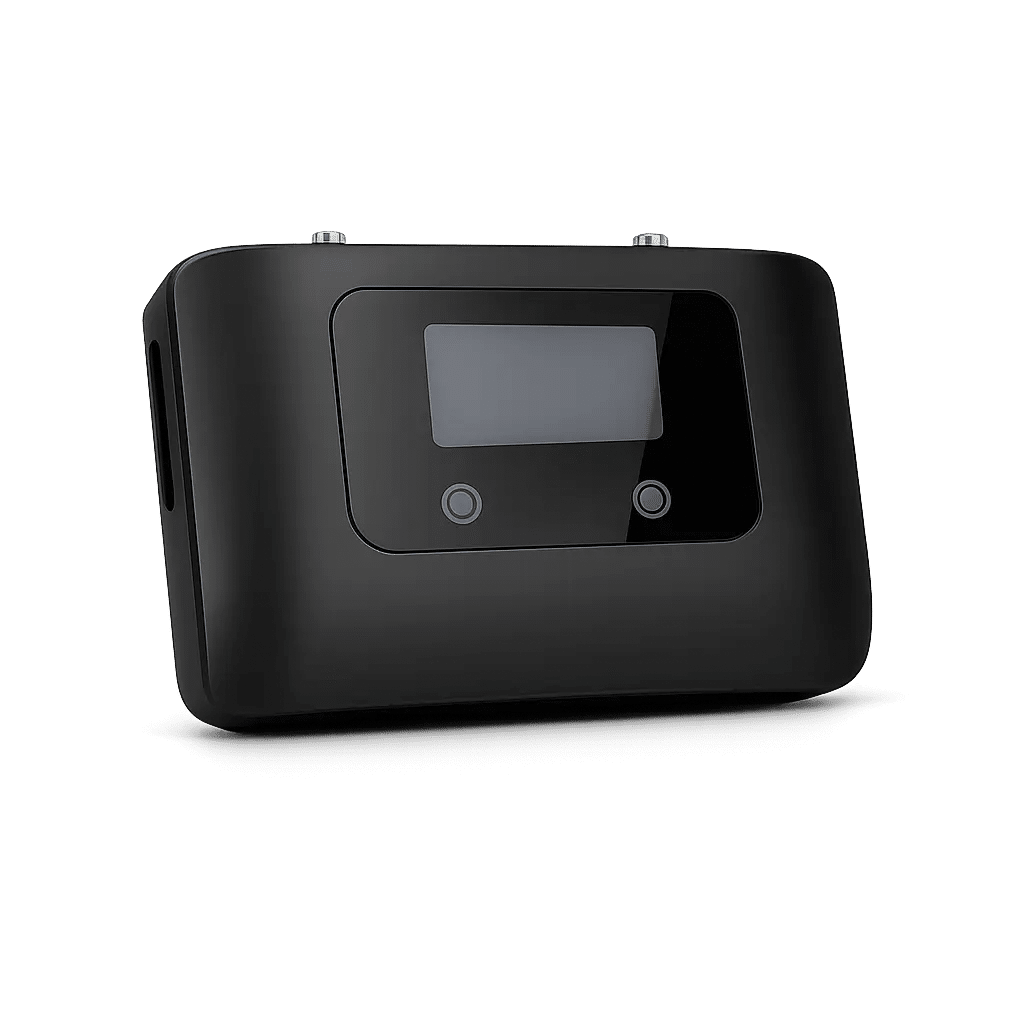
Coverage: 300 SQM
Ideal for: Home


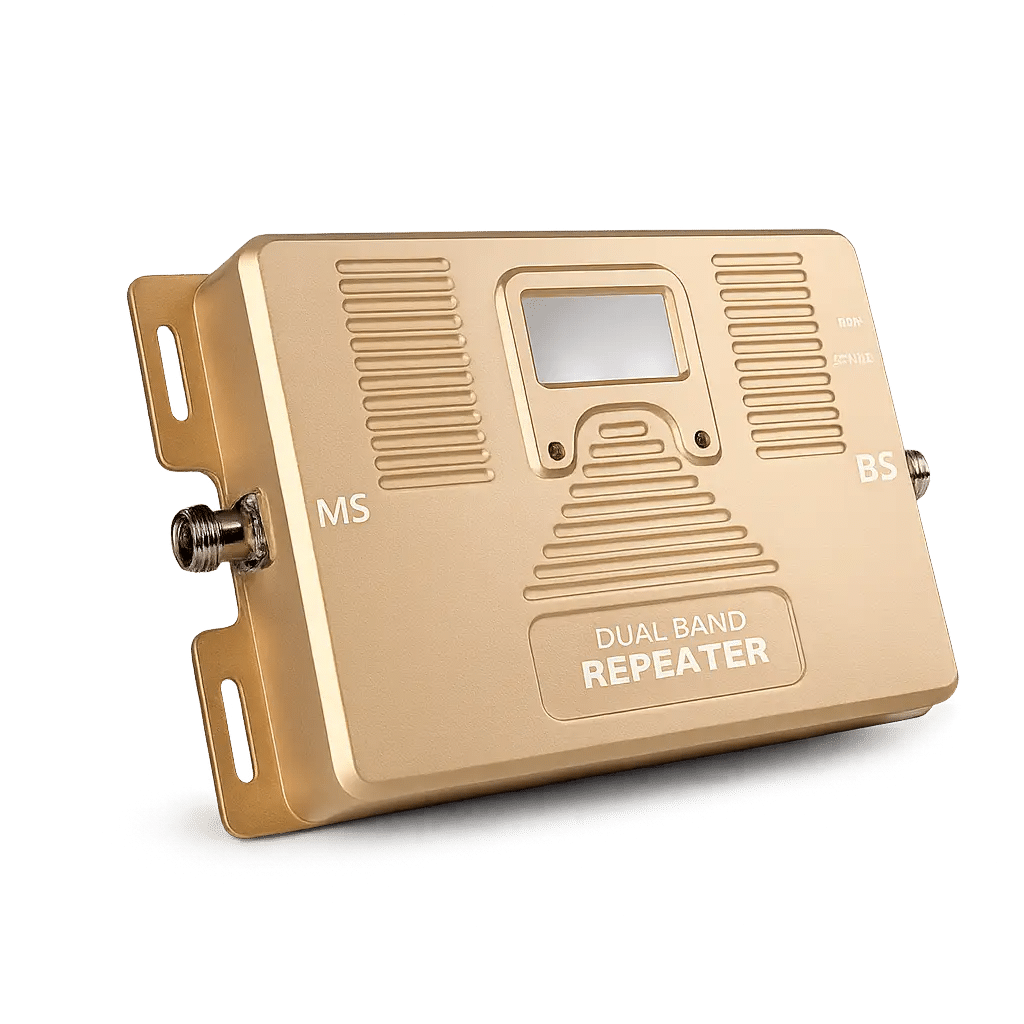
Coverage: 500 SQM
Ideal for: Medium Offices, Studios, And Homes

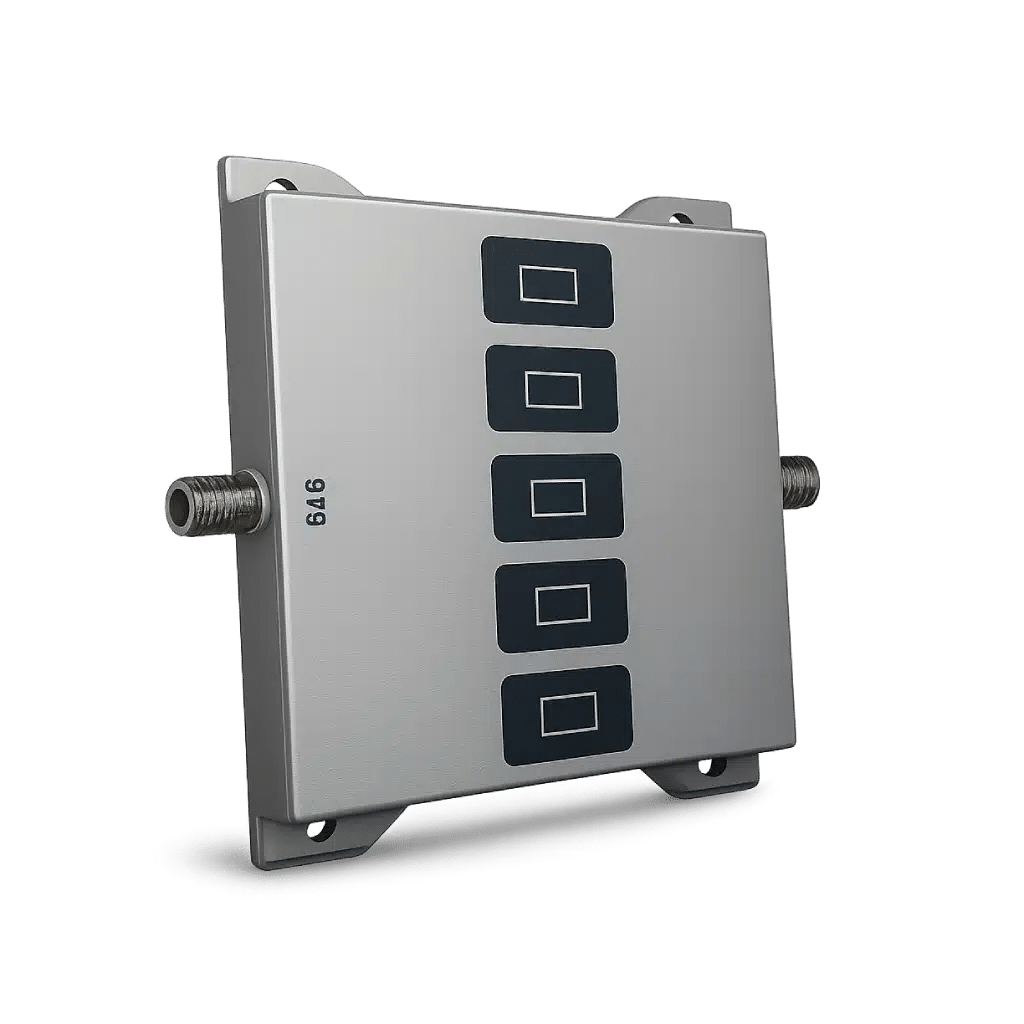
Coverage: 300 SQM
Ideal for: Home

Coverage: 1000 SQM
Ideal for: Hotel
