Free delivery included · Arrives in 5–7 working days

How to Set Up a Temporary Mobile Signal Booster UK
Quick Answer: To legally achieve a temporary signal boost in the UK, you must use a license-exempt vehicle signal booster for mobile use (vans, motorhomes) or an easily deployable, high-gain static indoor repeater (IR2102 compliant) for temporary fixed structures like construction site offices. Installation involves mounting a high-gain external donor antenna to capture the strongest signal (measured in dBm) and routing it indoors.
The term “temporary” usually means you’re operating outside of typical four-brick walls—perhaps you’re in a remote working hub, a construction site cabin, or stuck in a static caravan. The frustration is universal: you have a signal outside, but the moment you enter your metal box or thick-walled temporary office, your connection dies. After 12 years as an RF engineer, I can confirm that the solution isn’t magic, but choosing the right legal hardware designed for portability and quick deployment.
The Cruel Reality: Most Mobile Boosters Must Be Static
Before diving into setup, you must understand the UK law. For home use, mobile signal boosters must be static indoor repeaters that comply strictly with the UK Interface Requirement 2102 (IR2102). The word “static” means fixed in one location.
If you install a powerful, high-gain repeater in a way that allows it to move—like casually wiring a home booster into a van—you risk causing harmful interference to licensed mobile networks. Using a non-compliant device is unlawful under the Wireless Telegraphy Act 2006 and can lead to penalties, including fines up to £5,000.
Therefore, your “temporary” setup depends entirely on the use case:
Temporary Fixed Location (e.g., Site Office): Use a deployable but technically static IR2102-compliant commercial repeater.
True Mobile Use (e.g., Van/Car): Use a dedicated Ofcom compliant vehicle booster. These are designed with lower gain and strict safety features to prevent network interference while moving.
Setting Up an IR2102 Booster in a Temporary Office
For temporary structures like construction site cabins, pop-up medical facilities, or remote workshops that will be in one place for months, a commercial-grade static repeater is your best bet.
The setup process focuses entirely on maximizing the incoming signal capture via the external donor antenna.
Step 1: Find the Optimal dBm Reading
Forget the unreliable signal bars; they are an optimistic lie. You need the numerical signal strength measured in negative decibel-milliwatts (dBm).
Enter Field Test Mode: Dial 3001#12345# and press call on an iPhone, or find the dBm value under Settings > About Phone > Status on Android.
Walk the Perimeter: Move around the exterior of the property to find the location that yields the number closer to zero (e.g., -65 dBm is far better than -100 dBm).
If your outside reading is genuinely worse than -105 dBm, you require a powerful, high-gain directional system to make the effort worthwhile.
Step 2: External Antenna Placement
This is the number one cause of booster failure, temporary or otherwise.
Go High: Mount the antenna on the highest possible point of the structure, minimizing obstructions. For a site cabin, this might mean a temporary mast extension or roof mount.
Go Aimed: If using a high-gain directional antenna (recommended for weak rural signal), point it directly at the nearest cell mast for your network (EE, Vodafone, O2, or Three).
Low-Loss Cable: Use a high-quality, low-loss coaxial cable to connect the external donor antenna to the internal repeater unit. Low-loss is crucial because it preserves the faint, captured signal.
The repeater must then route this usable signal directly inside, bypassing the steel or concrete walls entirely—defeating building penetration loss.
| Product | Price | Coverage | Best For | Verdict |
|---|---|---|---|---|
| Mid-Range Multi-Band Repeater | typically retails around £450 | Up to 4 rooms | Standard temporary office or small site cabin with decent outdoor signal. | Reliable boost addressing common structural interference. |
| High-Gain 5G/MIMO System | typically retails around £600 | Large internal footprints | Site office in a weak rural area (below -95 dBm) or requiring high data capacity. | Powerful and necessary for genuinely weak signal environments. |
| Professional IR 2102 Repeater | typically retails around £850–£990 | Up to 1,500 sq m | Medium-to-large construction sites or deep blackspots. | Maximum legal gain (100 dB) to cut through severe signal blockage. |
Is a Vehicle Booster Legal for Temporary Use?
Yes, but only compliant vehicle boosters are legal for true mobile use. These are distinct from the static repeaters used in buildings.
Ofcom-compliant in-vehicle boosters use a low-gain external antenna and have built-in features like Automatic Gain Control (AGC) and oscillation shutdown to prevent network interference while the vehicle is moving. They are perfectly fine for personal vans, HGVs, or motorhomes. They are not sanctioned for communal transport like trains or buses.
A crucial benefit of modern, legal multi-band repeaters is their support for low-frequency LTE bands, such as the 700MHz and 800MHz spectrums. These lower frequencies travel farther and penetrate materials like steel and concrete much more effectively, which is vital for both rural locations and vehicle bodies.
Frequently Asked Questions
Can I legally use a non-static mobile signal booster in the UK?
No, the majority of consumer mobile signal boosters must be fixed, license-exempt static indoor repeaters compliant with Ofcom’s IR2102 technical standard. The exception is an Ofcom-compliant low-gain vehicle booster designed for personal cars and vans.
What signal strength (dBm) do I need for a repeater to work effectively?
You need an external reading better than -105 dBm for a booster to be effective, though a signal better than -100 dBm is considered ideal for an IR2102-compliant system. You must aim for an indoor reading of -85 dBm or better for reliable calls and fast data.
Which UK network is most reliable for remote temporary working locations?
EE consistently offers superior geographic 4G and 5G coverage, often due to its use of lower frequency 700MHz spectrum, which penetrates walls and travels farther in rural areas. However, a compliant multi-band repeater will amplify the best available signal from any major UK network (EE, Vodafone, O2, or Three) simultaneously.
How much should I budget for a legal temporary booster system?
For an entry-level, legal IR2102-compliant repeater suitable for a small temporary space, expect to budget around £275. Commercial-grade high-gain systems, necessary for overcoming severe building penetration loss in temporary offices, typically start at £600 or more.
Why is using a powerful mobile repeater in a moving vehicle illegal?
Non-compliant, high-power repeaters used in moving vehicles risk creating harmful uplink interference, disrupting the wider licensed mobile network used by EE, Vodafone, O2, and Three. This can carry serious penalties, including potential fines and imprisonment.
The Bottom Line
A temporary mobile signal setup isn’t about compromise; it’s about compliance and physics. Stop frantically moving your phone; the metal and thick walls are winning. Whether setting up a fixed, temporary commercial office or equipping a moving vehicle, invest only in hardware that is certified as Ofcom IR2102 compliant. Prioritize a high-gain donor antenna and accurate dBm testing to ensure your system defeats building penetration loss legally and permanently.
Find your legal, smart repeater system and directional antenna kits today at MySignalBoosters.com.
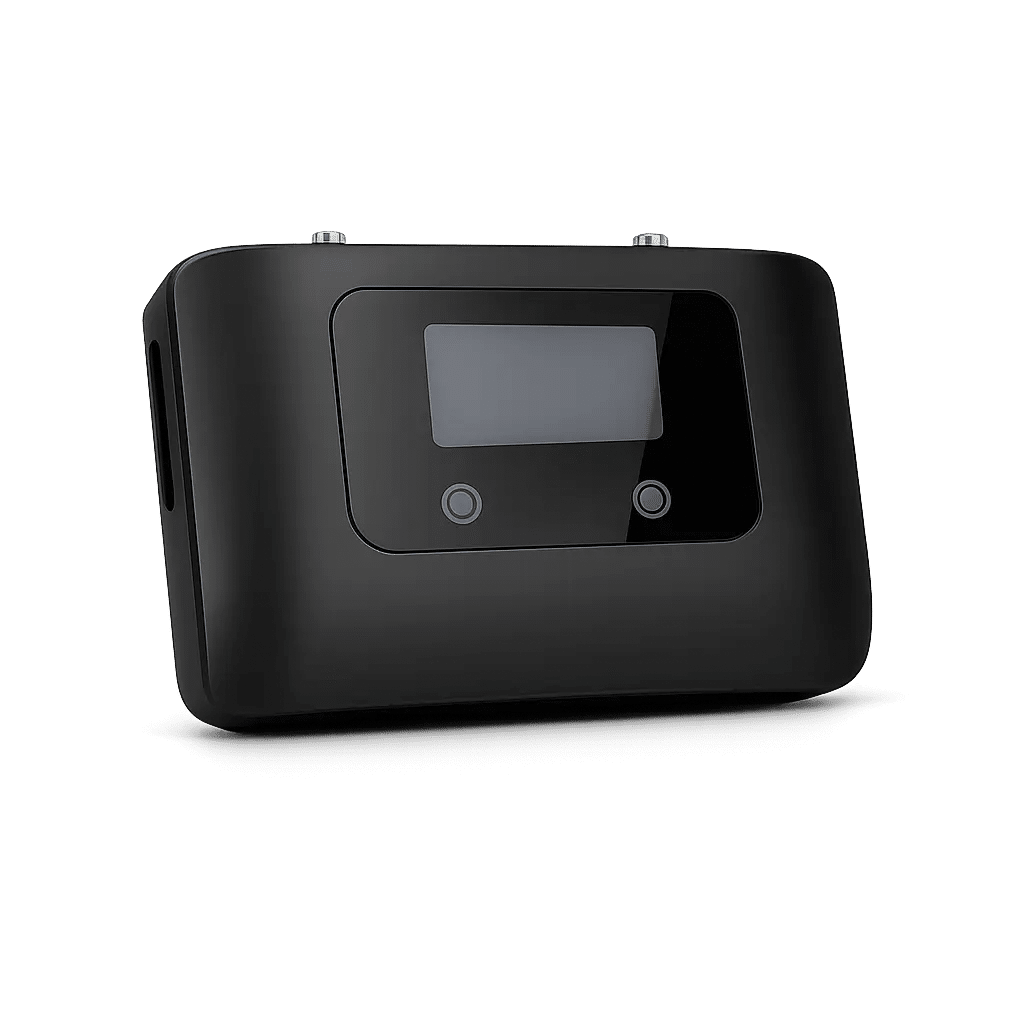
Coverage: 300 SQM
Ideal for: Home


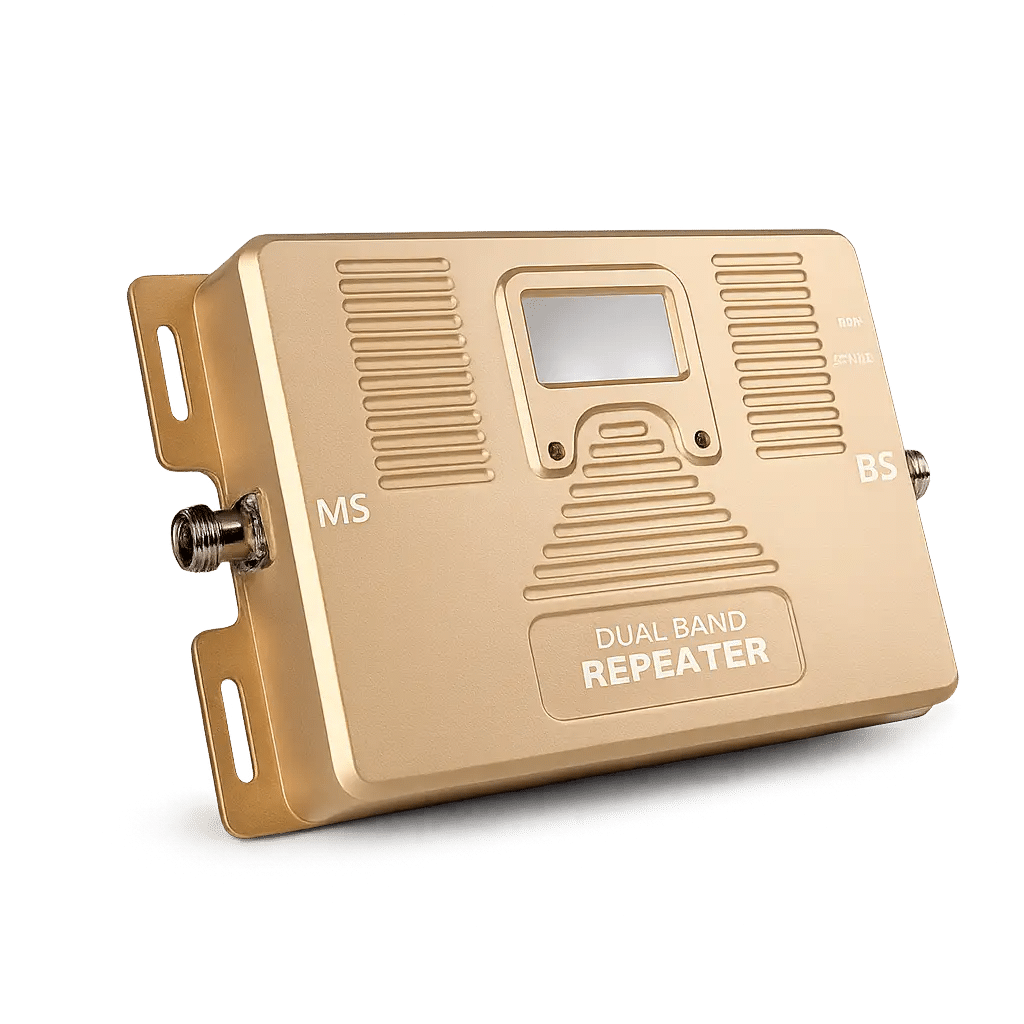
Coverage: 500 SQM
Ideal for: Medium Offices, Studios, And Homes

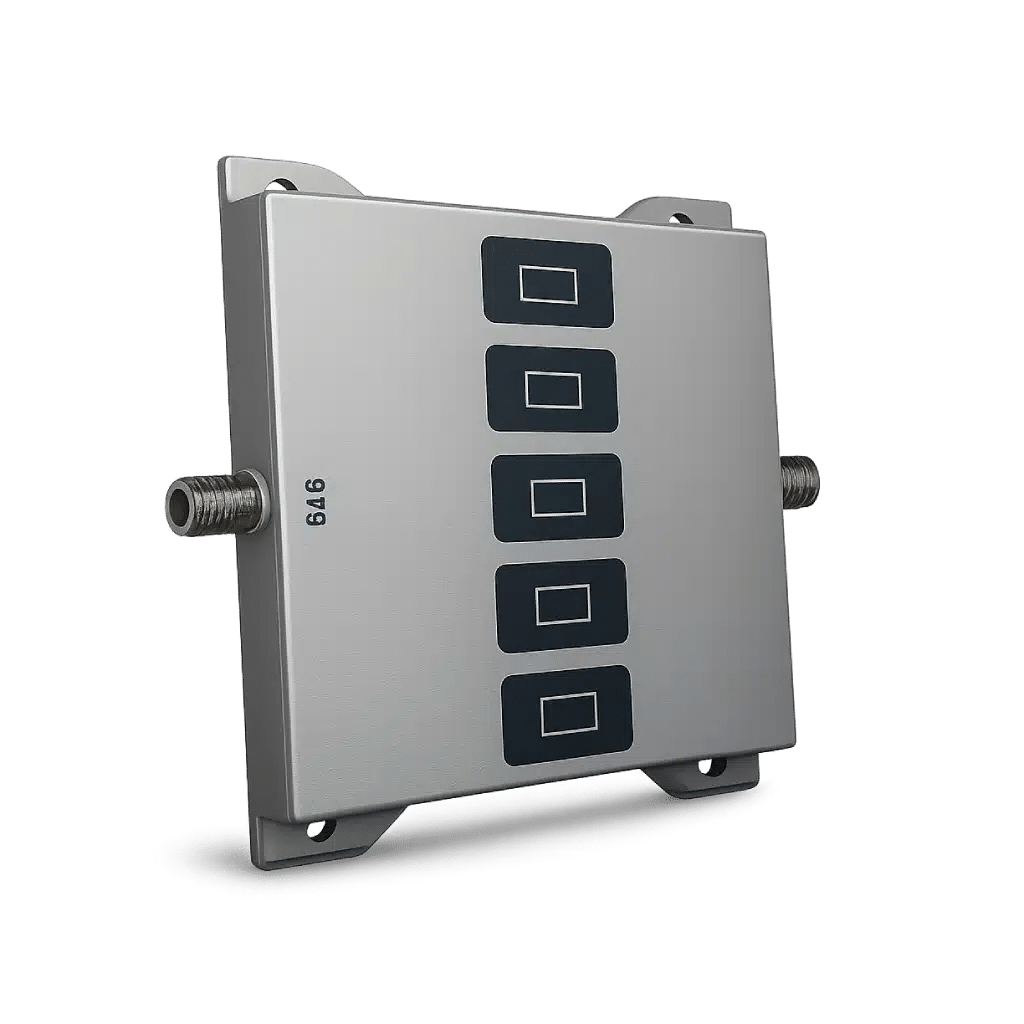
Coverage: 300 SQM
Ideal for: Home

Coverage: 1000 SQM
Ideal for: Hotel
