Free delivery included · Arrives in 5–7 working days

Shop mobile signal boosters
Get a stronger mobile signal at home or work. Delivery in 5-7 working days. 30-day returns.
How to Waterproof a Signal Booster Antenna UK (Grounding & Sealing)
Quick Answer: The primary method for protecting an external donor antenna system from the elements is robust coaxial cable sealing and proper electrical grounding to divert destructive moisture, corrosion, and lightning strikes. You must use UV-resistant, low-loss coaxial cable and install a coaxial lightning surge protector between the antenna and the indoor repeater unit.
The external antenna that captures your mobile signal is, by necessity, exposed to the full wrath of the British weather. Heavy rain, freezing temperatures, and high winds quickly degrade cheap components, allowing moisture into the connections and killing your signal. Your job is not just to install the antenna high up, but to ensure it is weatherproofed for a decade of flawless service. After 12 years as an RF engineer, I can confirm that neglecting the quality of the external components is a failure point just as critical as poor placement.
Sealing the Vulnerabilities of the Donor Antenna
The “waterproofing” challenge is primarily about protecting two things: the coaxial cable itself and the connection points between the cable and the antenna. If water ingress occurs, it rapidly corrodes the internal copper wiring, dramatically increasing the signal loss (measured in dBm).
You must always select low-loss coaxial cable rated for external, UV-exposed use. This cable jacket is designed to prevent cracking and moisture absorption over time. For the connection points, professional installers use weatherproofing tape, heat-shrink tubing, or silicone sealant applied directly over the exposed connector. This sealing process ensures that wind-driven rain cannot penetrate the sensitive electrical junction where the donor antenna meets the cable.
Defending Against Lightning Strikes: Grounding is Non-Negotiable
A far greater threat than simple moisture is lightning, as your high-mounted external antenna is essentially a brilliant lightning rod built onto your roof. A lightning strike surge will travel directly down the coaxial cable and instantly destroy your repeater and potentially any connected electronics. The only reliable defence against this catastrophic failure is installing a coaxial lightning surge protector (LSP).
This small, passive device must be installed in-line with the outdoor coaxial cable just before it enters the building. It works by absorbing the immense voltage of a lightning strike and diverting the electrical charge harmlessly to the ground. A critical component like the MRE103 Lightning and Surge Protector typically retails around £35.00 when sold as an accessory.
The Two Rules of Proper Earthing
A surge protector is useless if the massive electrical surge has nowhere safe to go. You must ensure the external system is correctly grounded according to UK electrical safety standards.
The two rules for proper earthing are straightforward:
Connect the lightning surge protector securely to a stable, electrically conductive earth point.
This point is usually a dedicated earthing rod driven into the soil outside the property, or the building’s existing electrical ground.
If the antenna mast itself is metal, it must also be safely grounded to the earth. Failing to install proper grounding is an act of spectacular self-sabotage that invalidates any attempt at safety.
Why Compliance and Quality Matter More Than Ever
Choosing legal, high-quality equipment drastically reduces weather-related failure. A cheap, illegal booster often lacks the robust internal shielding found in professional, certified units. This quality difference impacts durability against both physical moisture ingress and electrical noise interference.
Any system installed must be a license-exempt static indoor repeater compliant with Ofcom’s UK Interface Requirement 2102 (IR2102). These legal units are “smart repeaters” that utilize Automatic Gain Control (AGC) and digital filtering to ensure they do not disrupt licensed UK networks (EE, Vodafone, O2, and Three). For properties dealing with severe building penetration loss, such as stone cottages, a high-gain system designed for durability is essential. This level of robust hardware starts at approximately £600 and up and includes better quality external components.
Frequently Asked Questions
Is waterproofing the antenna required for a legal signal booster in the UK?
The external donor antenna must be robustly sealed and grounded for electrical safety and long-term performance, although a specific “waterproofing” regulation does not exist. The legal requirement is that the internal repeater unit must be a static indoor repeater compliant with the Ofcom IR2102 standard.
Can rain or snow affect my mobile signal strength (dBm) once installed?
Heavy rain and snow can cause temporary signal degradation, known as “rain fade,” which briefly lowers your measured signal strength (dBm). However, the most severe, long-term impact comes from water penetrating and corroding the coaxial cable connections, leading to permanent signal loss.
Is a coaxial lightning surge protector automatically included in a booster kit?
No, a coaxial lightning surge protector is typically sold as an essential add-on accessory and must be purchased separately if you are using an external donor antenna. A reliable protector designed for this purpose typically retails for around £35.00.
How do I check if my antenna has suffered water damage or corrosion?
If your indoor signal strength (dBm) suddenly plummets or becomes unstable for no clear reason, inspect the external antenna and cable entry point for visible signs of moisture, cracking, or rust on the connections. If the signal is chronically poor (worse than -110 dBm after installation), it is often a placement issue, not corrosion.
Is lightning damage covered under the repeater warranty?
Warranties typically cover manufacturing defects in materials and workmanship, not acts of nature like lightning strikes. This is precisely why the installation of a proper surge protector and grounding system is the necessary preventative measure.
The Bottom Line
Ignoring external protection is foolishly risking a £600-plus investment for the sake of a £35 accessory and a bit of sealant. If your high-gain donor antenna is mounted high and aimed precisely to defeat building penetration loss, you must ensure it can survive the UK climate. Safeguard your system: install a coaxial surge protector, ensure it’s grounded, and thoroughly seal all exterior connections. Stop gambling with luck. Find your compliant repeater system and necessary safety accessories today at MySignalBoosters.com.
Shop mobile signal boosters
Get a stronger mobile signal at home or work. Delivery in 5-7 working days. 30-day returns.
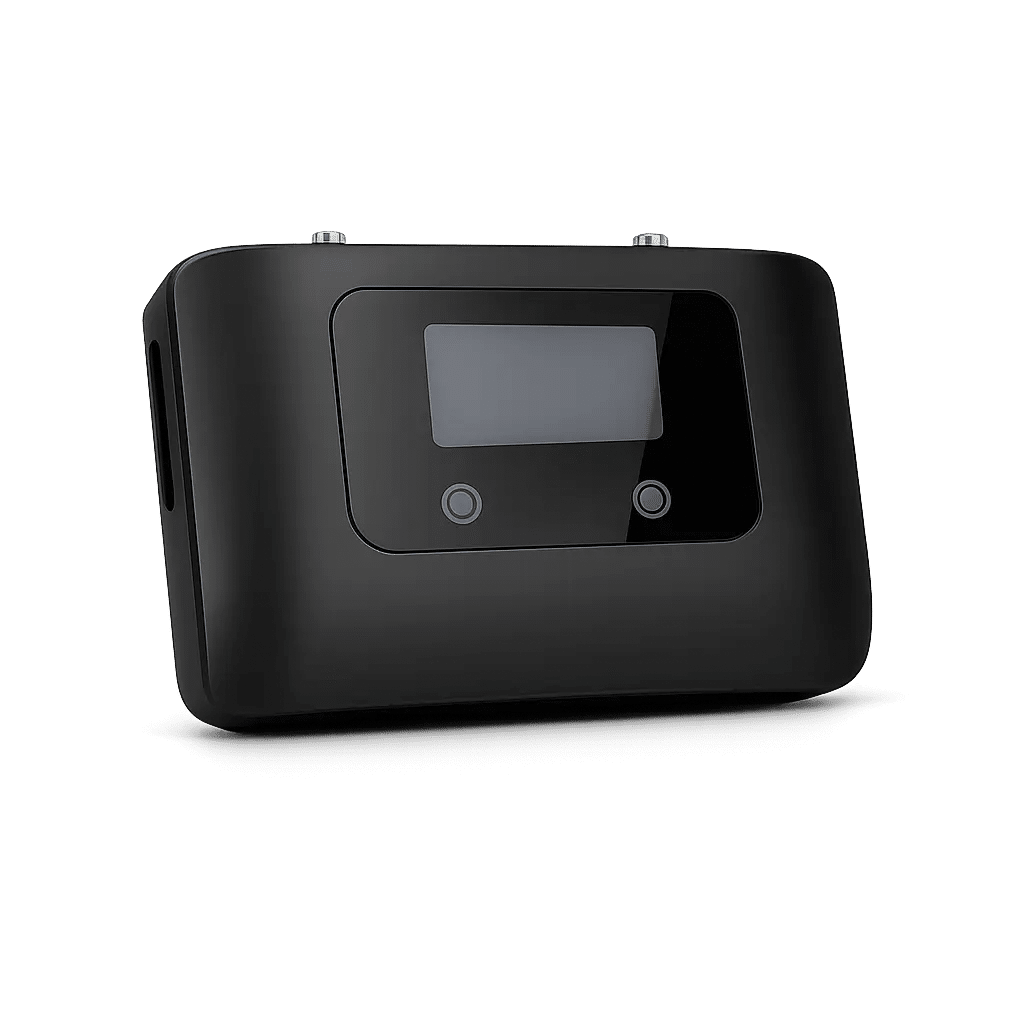
Coverage: 300 SQM
Ideal for: Home


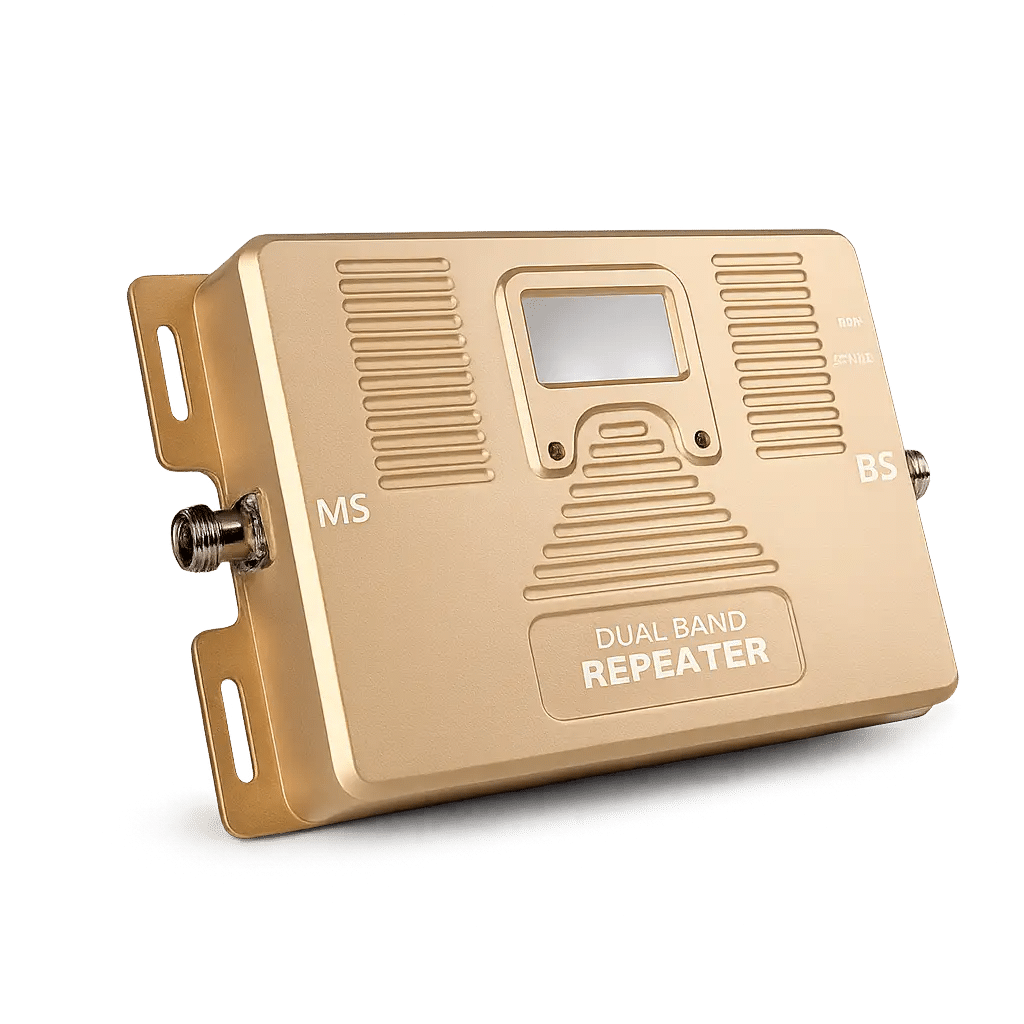
Coverage: 500 SQM
Ideal for: Medium Offices, Studios, And Homes

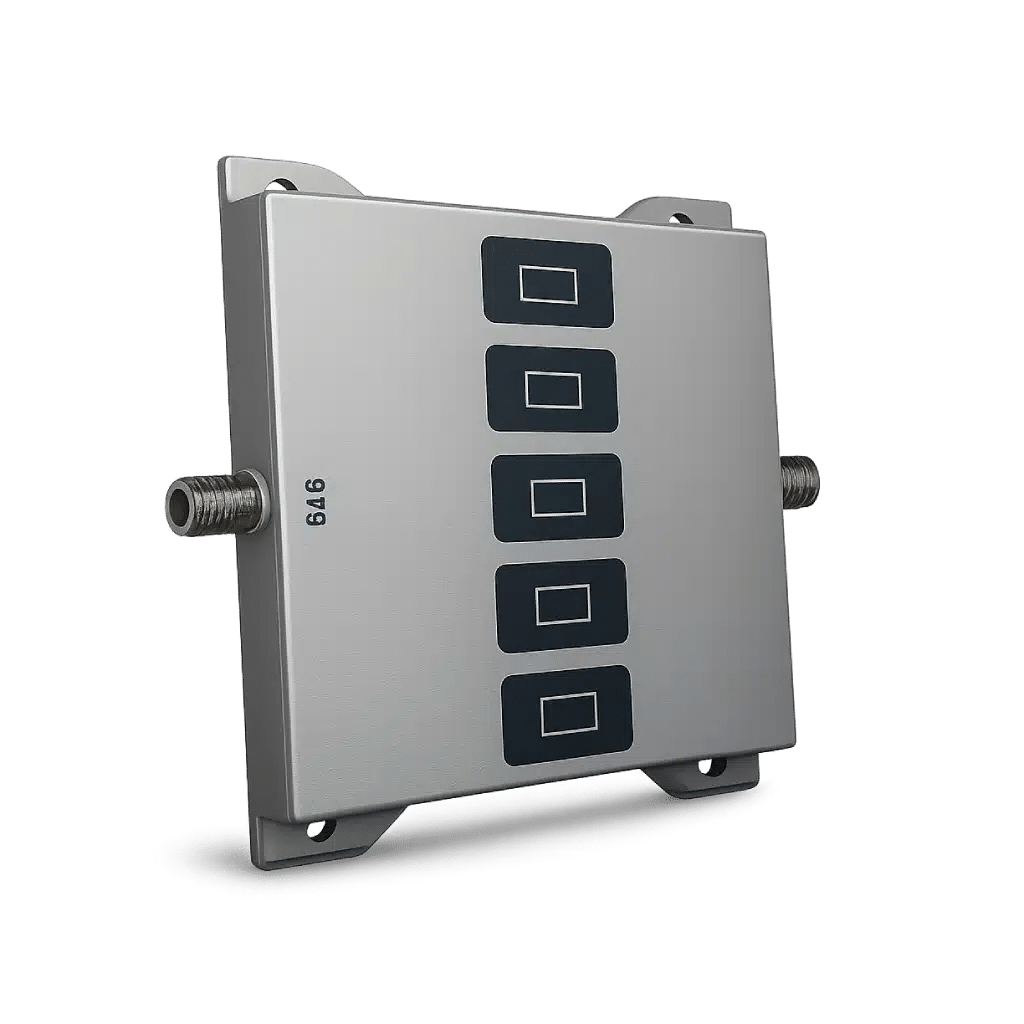
Coverage: 300 SQM
Ideal for: Home

Coverage: 1000 SQM
Ideal for: Hotel
