Specialists in Amplifying Voice & Data Signals for all UK Carriers
LIMITED TIME: 10% OFF ALL BOOSTERS.Ends Soon!
Defeating Digital Dead Zones in Converted Church Homes and Industrial Units
Quick Answer: The necessary solution for large, structurally challenging UK properties, like converted church homes or industrial units, is a professional-grade, high-gain static indoor repeater that strictly meets the Ofcom IR2102 technical specification. This powerful hardware requires an external directional donor antenna to capture weak rural signals and bypass the severe building penetration loss caused by massive stone or steel construction.
The frustration of paying for 5G only to make calls from the fire exit is painfully familiar to anyone inhabiting a structurally unique building. Whether you’re in a converted church home with metre-thick stone walls or a sprawling industrial unit clad in steel, your signal problem is a predictable failure of physics. After 12 years as an RF engineer, I can confirm that only a commercial-grade, legal repeater can reliably fix this level of structural signal issue.
Why Massive Stone and Steel Structures Kill Mobile Signal
Structural characteristics create a dual challenge for mobile coverage in demanding properties. You often start with a weak signal because the property is far from the nearest mobile mast (distance attenuation). This is compounded by extreme physical interference inside, known as building penetration loss.
Thick stone, concrete, or steel structures are exceptionally good at reflecting and absorbing radio frequencies (4G/LTE and 5G). If you have usable signal outside but nothing indoors, you are suffering from severe building penetration loss.
For reliable connectivity in large spaces like industrial units or schools (up to 1,500 sq m), a modular, high-gain system is required. These systems must operate at the maximum legal gain of 100 dB to convert a weak external signal into a usable internal connection.
Choosing Compliant Systems for High-Loss Environments
A small, entry-level gadget designed for a thin-walled flat will not survive this environment. For commercial installations or challenging residential conversions, focus on the maximum power and gain offered by the system, ensuring strict compliance with Ofcom’s IR2102 technical standard.
Entry-Level IR2102 Repeater:
Price: typically retails around £275
Coverage: 1–2 rooms
Best For: Small flats with strong outdoor signal
Verdict: Too weak for demanding environments like stone conversions or industrial units.
High-Gain 5G/MIMO Directional System:
Price: typically retails around £600 and up
Coverage: Multiple floors (up to 8 rooms)
Best For: Converted barns, stone cottages, industrial offices, or remote properties with weak outdoor signal (worse than -95 dBm).
Verdict: Essential hardware for overcoming massive stone or timber wall interference.
Professional IR 2102 Repeater (e.g., Cel-Fi GO G41):
Price: typically retails around £850–£990
Coverage: Up to 1,500 sq m
Best For: Medium-to-large construction sites, schools, or multi-floor clinics.
Verdict: Delivers maximum legal 100 dB gain required to cut through severe structural loss.
Addressing Niche Mobile Challenges and Signal Environments
The correct hardware choice is only the first step. Different challenging environments demand specific installation tactics.
Boosting Signal Near Wind Farms and in Static Caravans
For challenges like improving mobile signal near wind farms UK, the issue often relates to physical obstructions and signal reflection, which can interfere with the line-of-sight path to the nearest mast.
For static caravans, while the structural loss from metal cabs and walls is a factor, the primary solution is the same: install a high-gain directional antenna as high as possible outside the unit.
High-Gain Directional Antennas: If your outdoor signal reading is in the “Fair” to “Weak” range (-85 dBm to -105 dBm), you must install a high-gain directional antenna (such as a Yagi or log-periodic type).
Placement: This antenna must be pointed precisely at the nearest cell tower to maximize the incoming signal strength (dBm). This optimization technique often matters more than the unit’s price tag.
Network-Safe Boosting for ASDA Mobile and Other MVNOs
ASDA Mobile, like Voxi and Talkmobile, operates as a Mobile Virtual Network Operator (MVNO) on the major UK networks. This means you do not need an ASDA Mobile signal booster UK 2026 specific device.
Modern, legally compliant static indoor repeaters are typically multi-band devices engineered to boost signals across the various LTE bands used by all major UK mobile networks: EE, Vodafone, O2, and Three. One high-quality system covers all family members or employees, regardless of their specific carrier.
How to Test and Verify Repeater Performance
You cannot optimise placement or verify the success of your investment by relying on the unreliable signal bars on your phone screen. The only dependable metric is signal strength measured precisely in negative decibel-milliwatts (dBm).
How to Test Signal Booster Performance After Installation UK (dBm)
To properly test signal booster performance after installation UK, you must measure the dBm reading before installation (the external source signal) and after installation (the indoor rebroadcasted signal).
Your goal is to increase the indoor reading to -85 dBm or better for reliable calls and fast data transfer. This process confirms the unit is performing optimally and defeating the building penetration loss.
Find Your Baseline: Walk around the exterior of your property, measuring the highest dBm reading (closest to zero).
iPhone: Dial 3001#12345# and press call to enter Field Test Mode.
Android: Look for the dBm value under “Settings,” “About Phone,” and then “Status” or “Network”.
Aim the Antenna: If using a directional antenna, make small adjustments to point it directly at the nearest mast for maximum dBm gain.
Verify Indoor Coverage: Once the repeater is installed, check the dBm reading in previously dead zones.
If your outdoor reading is genuinely worse than -110 dBm, a booster is unlikely to be effective.
Reviewing Huaptec and Other System Requirements
When considering a specific brand or model like the Huaptec signal booster review UK 2026, the review must hinge entirely on its compliance status and technical specifications.
The Non-Negotiable: Ofcom Legality (IR2102)
For any device to be legal for self-installation, it must be a license-exempt static indoor repeater that strictly meets the UK Interface Requirement 2102 (IR2102). Any review of a product must confirm that it includes critical safety features like Automatic Gain Control (AGC) and Oscillation Shutdown to prevent network interference. Non-compliant devices risk fines up to £5,000.
Frequently Asked Questions
Is a mobile signal booster legal in the UK?
Yes, a mobile signal booster is legal in the UK only if it is a license-exempt static indoor repeater that strictly meets the technical specification outlined by Ofcom in the UK Interface Requirement 2102 (IR2102). The use of all other generic mobile signal boosters is illegal and can result in substantial penalties.
How much does a high-gain booster for a large house or commercial site cost?
A high-gain, legal, IR2102-compliant system required for a large property like a barn conversion or converted church home typically retails around £600 to £850 for the necessary hardware. Professional-grade commercial systems capable of covering up to 1,500 sq m start around £850–£990.
Which UK mobile network provides the best rural signal coverage in 2026?
EE consistently maintains the widest geographic 4G coverage and often provides the strongest external signal for indoor amplification in rural areas, partly due to its use of lower frequency 700MHz spectrum. However, a compliant multi-operator booster will amplify the best available signal from any major UK network (EE, Vodafone, O2, or Three).
What is a good signal strength (dBm) for reliable connectivity?
Signal strength is measured in negative decibel-milliwatts (dBm), where a value closer to zero is stronger. A reading of -85 dBm or better is considered excellent for both calls and fast data, while consistent readings worse than -110 dBm mean calls will likely drop and data speeds will be unusable.
Can one signal repeater cover all UK networks like EE, Vodafone, O2, and Three?
Yes, modern, legally compliant static indoor repeaters are typically multi-band devices engineered to boost signals across the various LTE bands used by all major UK mobile networks. You should not need a separate system for different carriers.
The Bottom Line
A challenging structure—whether it’s an industrial unit, a converted church, or a thick-walled static caravan—demands serious hardware, not a gimmick. The only sensible, permanent fix for eliminating dead zones caused by severe building penetration loss is to install a certified, high-gain, Ofcom-compliant IR2102 static repeater system. Invest once in a device designed for the toughest UK environments, and stop apologizing for dropped calls.
Find your legal, smart booster system and directional antenna kits today at MySignalBoosters.com.
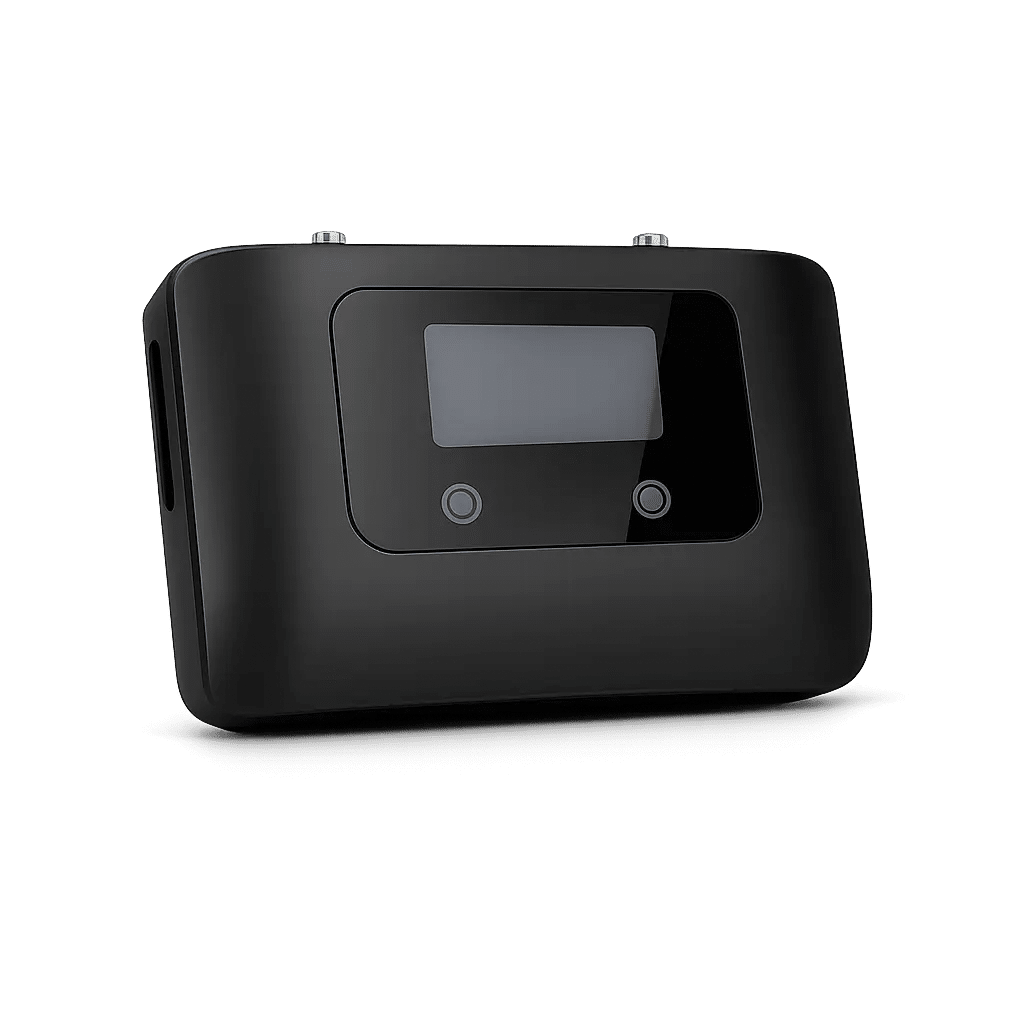
Coverage: 300 SQM
Ideal for: Home


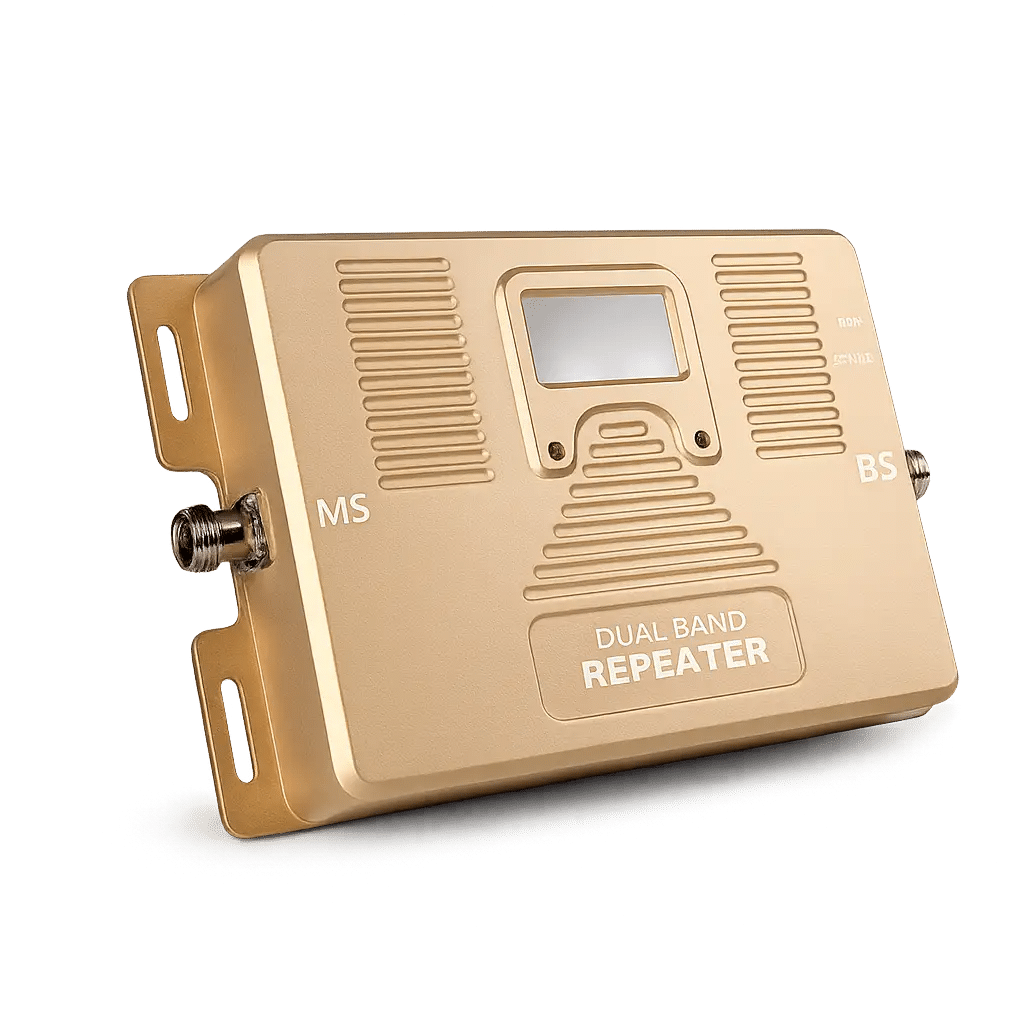
Coverage: 500 SQM
Ideal for: Medium Offices, Studios, And Homes

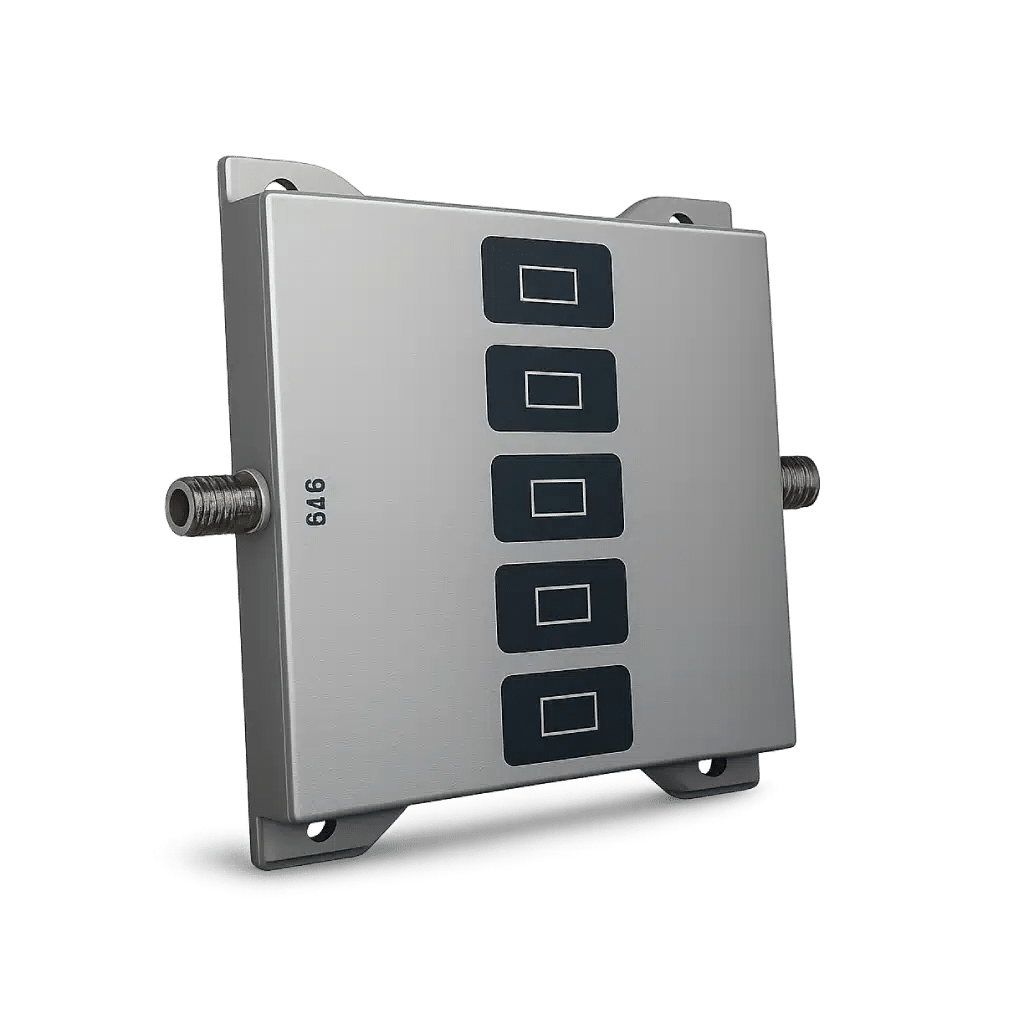
Coverage: 300 SQM
Ideal for: Home

Coverage: 1000 SQM
Ideal for: Hotel

©Copyright 2026 SignalBoosters. All Right Reserved
