Free delivery included · Arrives in 5–7 working days
Most people shopping for a network booster look at the bands first, and that’s right: a booster only helps on the frequencies it covers. The second question is just as important and often skipped: how much space do you need to cover? Buy too small and the far rooms stay dead. Buy too big and you’ve paid for power the building can’t use. Here is how to size a mobile network booster for a UK home, office or farm.
Every kit is sold with a coverage figure: 300, 500, 1000 or 5000 m². That figure assumes good signal at the outdoor antenna (around three bars or better) and an open-plan space. Real coverage depends on three things:
So treat the rating as the best case and size up if your outdoor signal is weak.
Add up the floor area of the rooms where you need signal, not the whole plot. A typical UK three-bed semi is 80–100 m²; a detached four-bed is 130–200 m²; a barn conversion or small office can be 300 m² or more. Don’t forget a garage, garden office or loft conversion if you work there.
Stand where the outdoor antenna would be mounted (roof, chimney, gable end) and check signal on your phone. On Android, a free app such as Network Cell Info shows signal strength in dBm and the band in use; on iPhone, Field Test mode gives similar data. As a rough guide:
If there’s no usable signal outside at all, a booster can’t help; WiFi calling is the better fix.
| Building | Typical area to cover | Kit to consider |
|---|---|---|
| Flat, terrace or small semi | up to 150 m² | 300 m² kit |
| Detached house, bungalow, small office | 150–300 m² | 500 m² kit |
| Large house over 3 floors, farmhouse, shop | 300–600 m² | 1000 m² kit |
| Warehouse, hotel, workshop, multi-unit office | 600 m²+ | 5000 m² kit |
The kits above cover 800 and 1800 MHz, the main 4G bands across EE, O2, Three and Vodafone. If your phone mostly uses a different band, choose a kit that covers it; the shop lists bands on every product.
Size isn’t only about amplifier power. A single indoor antenna on the ground floor won’t reach the top of a three-storey house, however strong the amplifier. For larger or split-level spaces, add a second omni antenna with a 2-way splitter, placing one antenna per floor. Our guide on choosing an indoor antenna covers placement in detail.
Every metre of coax loses a bit of signal. A 300 m² kit with a 20 m cable run from the roof to the ground floor will cover less than the same kit with a 10 m run. If you need a long run, step up one size.
In the UK, static indoor mobile repeaters are licence-exempt only if they meet the conditions in the Wireless Telegraphy (Mobile Repeater) (Exemption) Regulations 2022 (SI 2022/595), including the bands they cover (700, 800, 900, 1800 and 2100 MHz) and their technical limits. Check the product’s specification against those conditions before you buy and install it as the manual says. Read more in our installation guide.
If 5G matters to you, read our companion piece on choosing a 5G signal booster in the UK, which explains why 700 MHz is the band to look for.
What size network booster do I need for a three-bed house?
Usually a 300 m² kit, or 500 m² if outdoor signal is weak or the house is spread over three floors.
Can one booster cover two floors?
Yes, with enough outdoor signal and an indoor antenna on each floor via a splitter.
Does a bigger booster improve weak signal more?
It helps up to a point, but a better outdoor antenna, aimed at the mast, usually makes more difference.
How long does delivery take?
Delivery is free and takes 5–7 working days.
How can I ask which size to buy?
Email mysignalboosterteam@gmail.com or use the chat on the site with your floor area and outdoor signal reading. See also the FAQ.
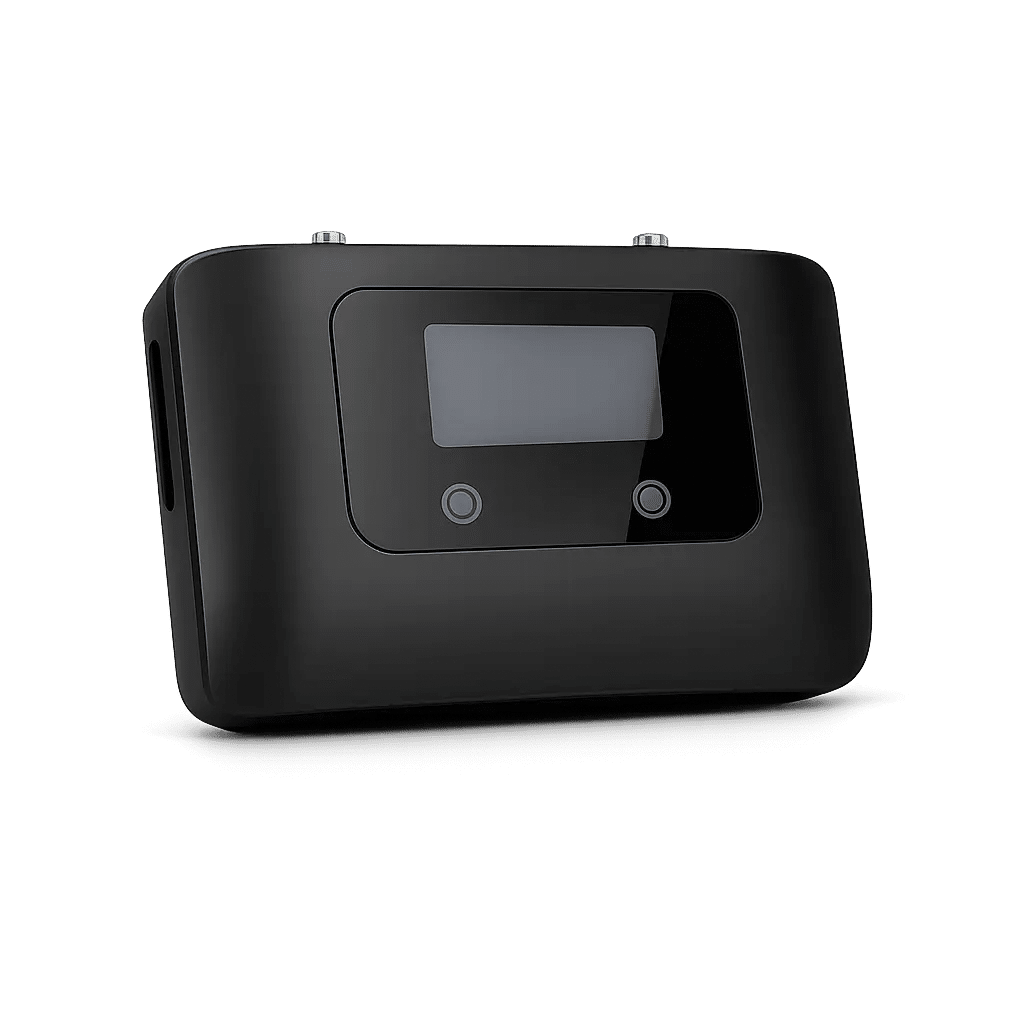
Coverage: 300 SQM
Ideal for: Home


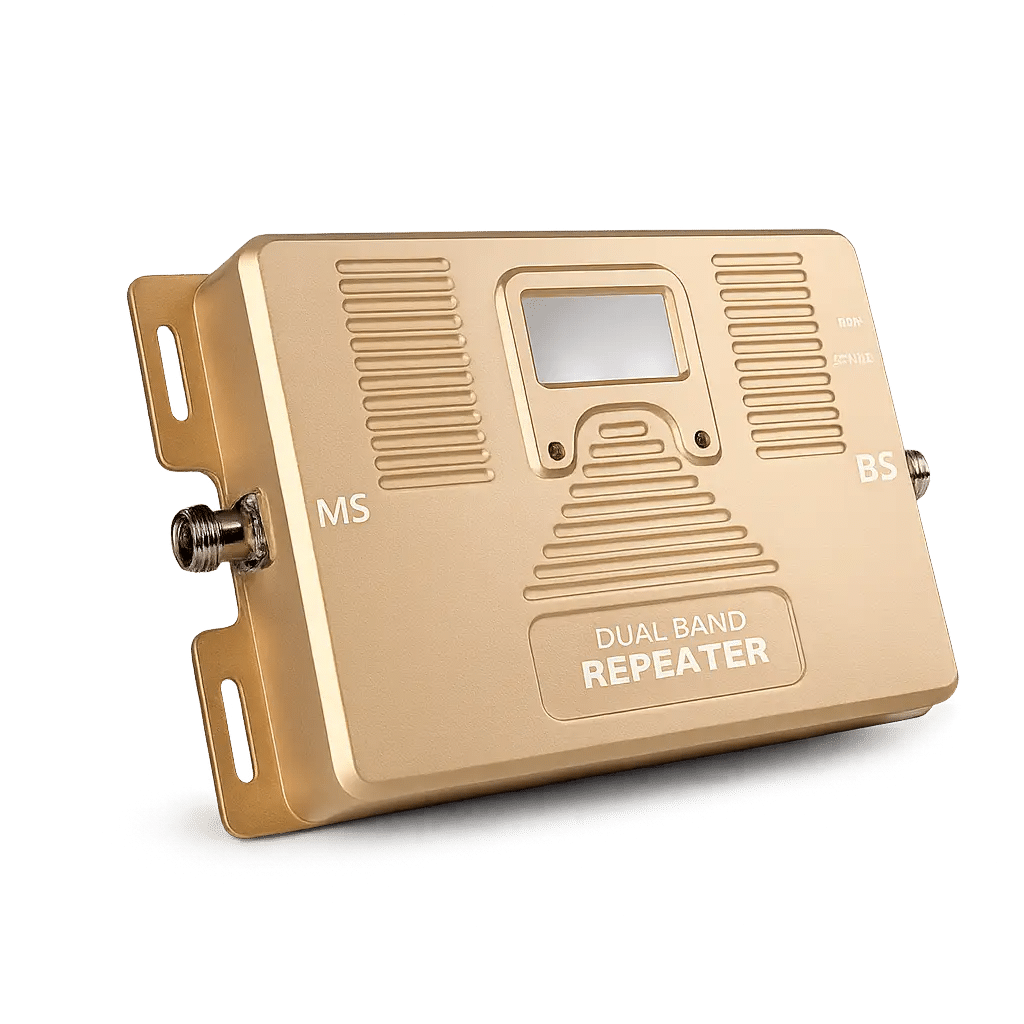
Coverage: 500 SQM
Ideal for: Medium Offices, Studios, And Homes

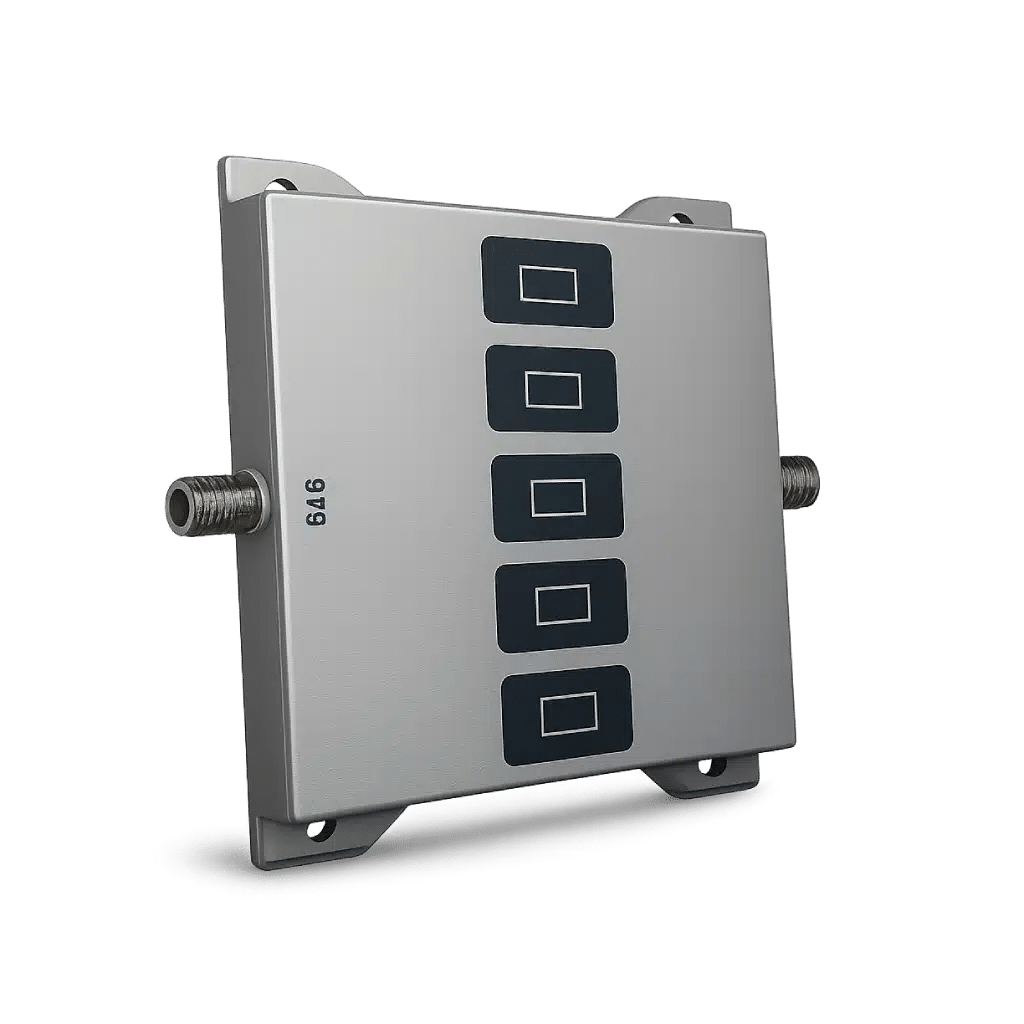
Coverage: 300 SQM
Ideal for: Home

Coverage: 1000 SQM
Ideal for: Hotel
