LIMITED TIME: 10% OFF ALL BOOSTERS.Ends Soon!

Many people are surprised by how bad new-build mobile coverage is. The shock almost always comes from the fact of how a new building functions, not necessarily where it is located.
Modern building methods employ foils (in the insulation) and low-emissivity glass to reduce energy consumption, which also impacts the ability of mobile signals to penetrate and provide reception. In many cases, these are quite essential for energy efficiency. However, when added to how poorly some devices work indoors, they can make a house with good outdoor coverage almost unusable indoors.
While this may appear to be just slightly annoying, it’s actually absurdly inconvenient to many people because of the amount of dropped calls, delayed messages, and slow data speeds.
Before we get ahead of ourselves, let’s look at the source. Why do these beautiful new properties block mobile signals? Can we get to the cause without tearing down walls? And what’s the easiest way to fix it for good? Let’s peel back the layers and see what’s really going on behind those calm, quiet walls.

There’s a reason why your phone disconnects the minute you walk inside a new building; it actually starts with the walls surrounding you. The materials associated with modern homes could seem harmless enough, but they’re some of the worst for mobile signals.
Worth noting that it’s not only new homes that this can happen to. Older buildings with thick stone walls can also trap your mobile signal. If you’re dealing with these types of buildings, check out our article: Boosting Signal in Old Homes Without Drilling.

The way it may shock you when you finally move in and discover that something important is really missing can’t be overstated. Now you finally have the keys, the furniture is moved in, and the walls are polished, but your phone is hardly usable indoors. Here’s what your daily life could look like:
Working from home becomes stressful, not flexible.
Video calls drop, and emails take longer to send. Maybe your cloud tools won’t sync. You will most likely lose productivity when trying to work with a poor modern home signal.
Online learning for your kids becomes unreliable.
Teachers freeze mid-sentence, and homework won’t upload on time. Your kids’ patience wears thin as lessons get interrupted over and over again.
Streaming services stop when you need them most.
Even when you’re just trying to enjoy a bit of quiet time, Netflix buffers endlessly, and YouTube won’t load at all.
Gaming becomes nearly impossible.
Lag drastically ruins gameplay, and online matches disconnect. Downloading game updates can even take hours instead of minutes.
Online delivery becomes a hassle too.
Tracking updates will not load, and drivers won’t be able to get a hold of you if they get lost or cannot get in the building. Missed calls mean missed parcels, and now everything takes longer than it should.
Your guests notice and complain.
Friends and family will experience poor signal at your home during their stay, and they may stop coming around as often (might be a win if you’re not big on guests).
Unfortunately, this could be your daily life with poor new-build mobile coverage. And it hits hard once the honeymoon phase of your move wears off.

To truly start fixing the new-build mobile coverage, you need an actual solution, not just workarounds. You’re probably wondering why a signal booster tops the list. Well, we know you’ve already tried standing by the window, switching to Wi-Fi calling, and maybe even restarting your phone five times.
These are all temporary fixes, and they won’t get you anywhere if the problem lies in the building materials of your new property.
To be fair, Wi-Fi calling can help, but still, it doesn’t address the actual problem. Wi-Fi calling connects to your internet, not your mobile signal. A lot of times it will cut out anytime you switch networks. On the other hand, network extenders restrict you to one carrier (usually) and mostly rely on a wired connection.
Only a mobile signal booster can fill that gap between the outdoor signal and the indoor coverage. It takes the signal from outside, amplifies it, and rebroadcasts it inside your home. The quality of reception that the right signal booster can deliver, capable of pushing the signal through insulation, thick walls, and even concrete, is truly unmatched.
In the UK, each network requires a booster that corresponds with their signal bands. So, for example:
Hence, it is all a big deal. Your new property connectivity relies on using the correct, legally approved booster that matches your carrier. Nothing else works as well. Nothing else lasts as long.

Property developers, this one’s for you. As you can tell, the demand for a strong indoor signal has never been higher these days. Buyers and renters expect flawless mobile coverage in their new-build homes more than ever.
Some property developers are already installing 4G signal boosters and 5G signal boosters in the build phase, whilst planning for all UK carriers, not just one. No one can predict what network the buyer or renter will be on, so coverage for all carriers is already taken into consideration.
Some even take it one step further and match the booster to the size of the property. A smaller booster might cover up to 300 square metres. That is not going to help in a 1000 square metre space. Larger boosters suit larger layouts and will provide a stable signal in all rooms.
They also install discreetly and cleverly. No effect on energy ratings. No cables sprawled out everywhere. The boosters work effortlessly with Low-E glass and foil-lined insulation.
For now, those developers have moved ahead. Their homes are sold faster with less concern. They’re advertising “strong new-build mobile coverage” as a marketing feature. Buyers love this as a feature. Meanwhile, other developers are scrambling to catch up.
FOMO is a real thing here. If you want to stay competitive, now’s the time. Start planning for a strong signal during the design phase.
Now you know why we’re pretty sure your new home is in need of a signal booster. Low mobile coverage in new builds is often attributed to construction material interference such as foil insulation and Low-E glass. The only effective solution that doesn’t impact your energy rating is a proper signal booster. A proper signal booster amplifies the signal for all UK networks, regardless of the area or the construction.
My Signal Boosters sees this as a great opportunity to offer our Ofcom-approved mobile phone signal boosters for new homes that are specifically designed for this purpose. We want you to enjoy your new home with perfect signal and a simple, stress-free installation process with an easy-to-follow installation guide. We also encourage developers to understand their client base by designing new homes with smart solutions like signal boosters built in.
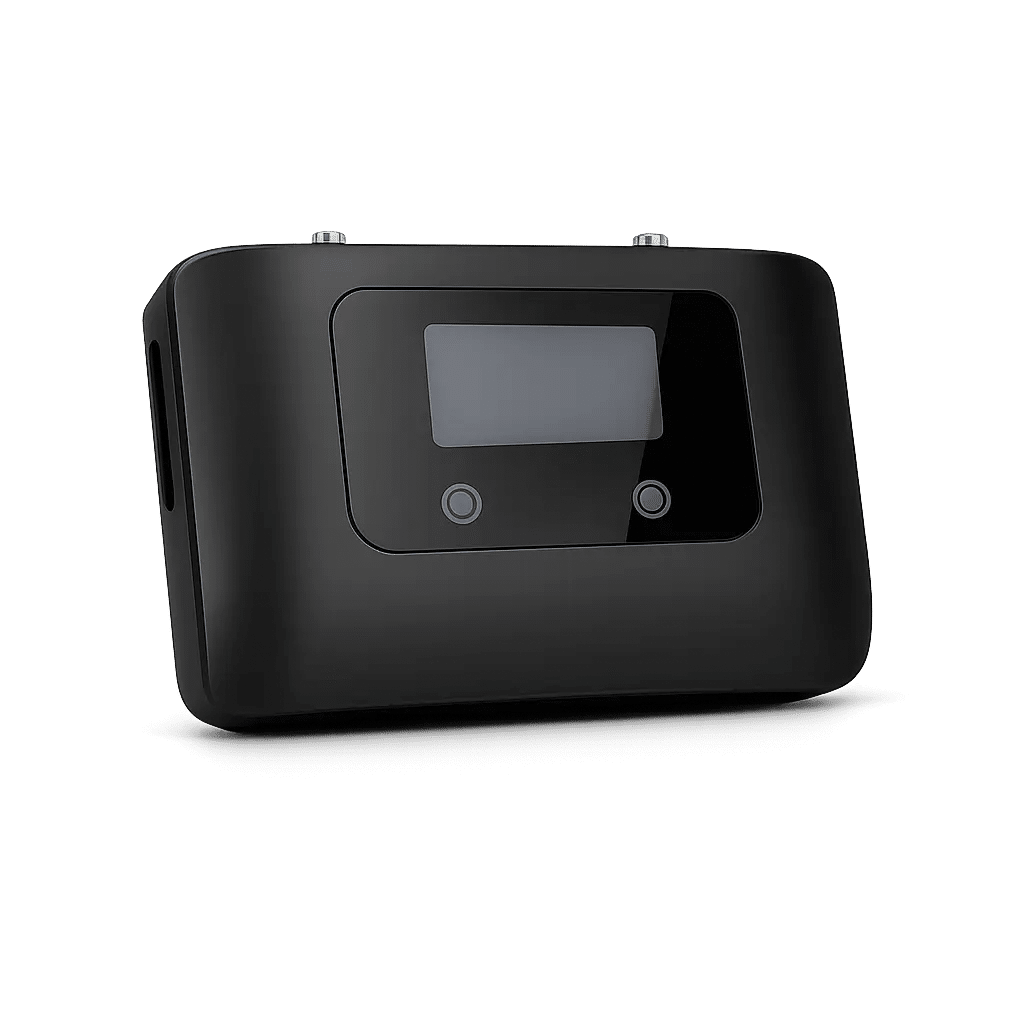
Coverage: 300 SQM
Ideal for: Home


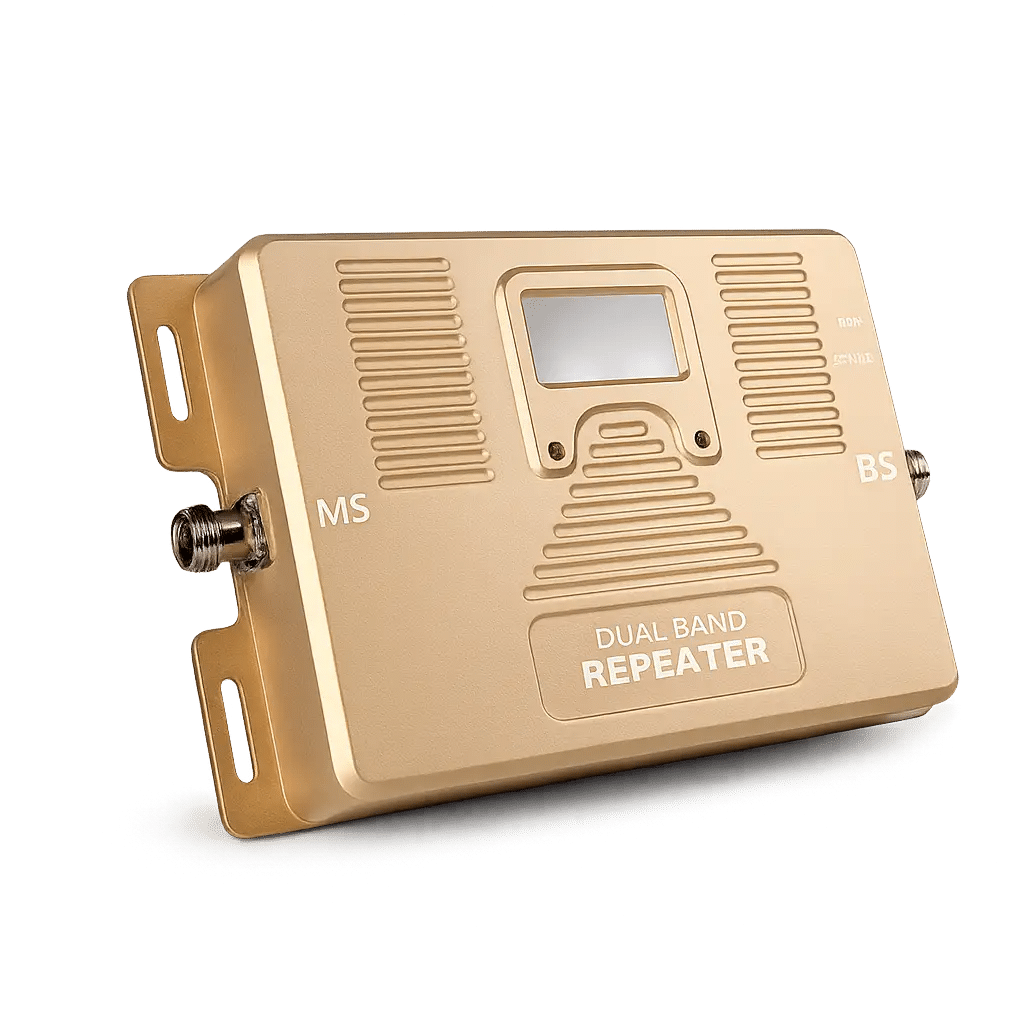
Coverage: 500 SQM
Ideal for: Medium Offices, Studios, And Homes

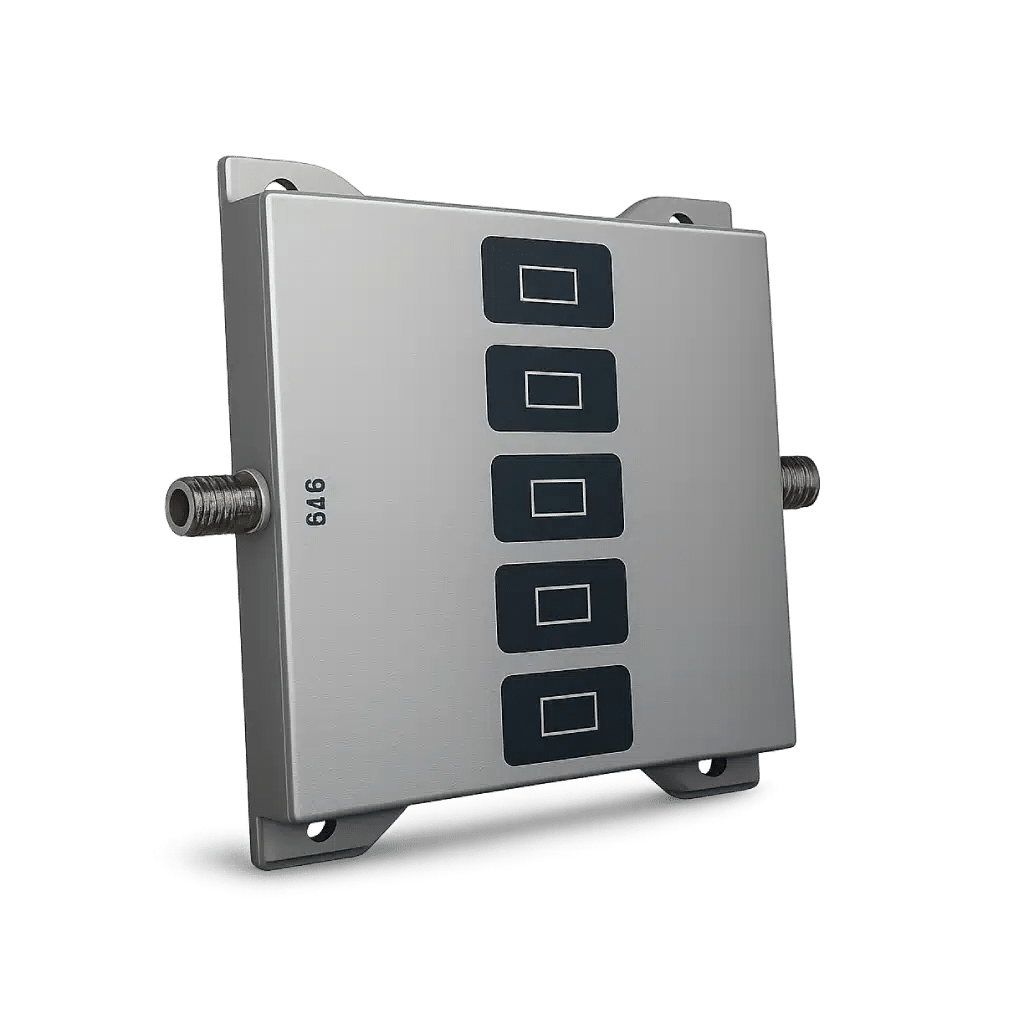
Coverage: 300 SQM
Ideal for: Home

Coverage: 1000 SQM
Ideal for: Hotel

©Copyright 2026 SignalBoosters. All Right Reserved
