Free delivery included · Arrives in 5–7 working days

Shop mobile signal boosters
Get a stronger mobile signal at home or work. Delivery in 5-7 working days. 30-day returns.
Vehicle Signal Booster Review UK 2026: What Actually Works?
Quick Answer: Legally boosting your signal in a moving vehicle requires a specific, low-gain in-vehicle repeater that meets Ofcom IR2102 standards. Avoid cheap, wideband imports sold on marketplaces, as they are illegal, cause harmful network interference, and risk you a £5,000 fine. Only buy Ofcom-compliant, license-exempt hardware.
If you spend any significant time on British roads, you know the specific, eye-twitching misery of a dropped call while cruising down the M1. You are mid-sentence, talking to a client or your partner, and suddenly the line goes dead. You check your phone. One bar. Or worse, the “searching” icon spins into oblivion.
After 12 years of designing and installing RF systems across the UK, I have seen every “dead zone” imaginable. Most people assume the problem is their network provider being lazy. It is not. It is physics. Your modern car is essentially a metal-clad Faraday cage designed to keep noise out, which, unfortunately, also keeps your mobile signal out.
Why Your Car Is A Connectivity Black Hole
The irony of modern vehicle design is that as we make cars safer, quieter, and more energy-efficient, we inadvertently turn them into signal-proof bunkers. The reinforced chassis, the tinted windows, and the advanced insulation are absolute killers for radio frequencies. Your phone, trapped inside this steel box, has to scream at the nearest cell tower just to maintain a basic 4G or 5G connection.
Most people try to solve this by buying the cheapest “cradle” booster they can find on a random auction site. These devices are generally rubbish. They lack the power to actually amplify a signal through your car’s exterior, and worse, they often leak interference. If you want to actually fix the issue, you need a proper in-vehicle repeater system that captures the signal outside the chassis and brings it inside safely.
Navigating The Legal Minefield
Before you part with your cash, understand that the law in this area is not a suggestion. As of 2026, Ofcom is extremely clear on what you can and cannot do. A static repeater, the kind you would install in your house to fix a signal-starved basement, is strictly illegal for use in a moving vehicle. Using one in a car risks an interference investigation and a heavy fine.
To be safe, your booster must be a dedicated in-vehicle repeater. These systems are engineered to provide just enough gain to stabilise your connection inside the cabin without triggering an oscillation feedback loop that disrupts the local cell tower. If a seller cannot explicitly confirm their product meets the UK Interface Requirement 2102 (IR2102), do not buy it. If the price seems too good to be true, it is almost certainly a one-way ticket to a fine.
What To Look For In A Vehicle Booster
When you start shopping, ignore the marketing fluff about “five bars in every valley.” A booster cannot create signal from thin air. If you are in a deep remote spot with zero outdoor coverage, even the best system will struggle. You need a device that takes a weak signal and makes it usable.
Here are the critical features for your 2026 setup:
Ofcom IR2102 Compliance: This is non-negotiable. Check the box or the manufacturer’s website. If it does not explicitly state it is a license-exempt repeater for the UK, walk away.
External Donor Antenna: You need a high-quality, external magnetic-mount antenna. This sits on your roof to grab the signal before it hits the car’s metal frame.
Multi-Band Support: Modern networks (EE, Vodafone, O2, and Three) use various LTE bands. A good repeater should handle these simultaneously to ensure your device stays connected regardless of your carrier.
Automatic Gain Control (AGC): This is essential. It monitors the network and adjusts the booster’s power to ensure it never overloads the cell mast or causes interference.
Comparing Top Vehicle Options
Since the market is flooded with illegal garbage, it helps to know which brands actually provide legitimate, legal, and effective gear. Note that pricing is typically for the hardware kit; professional installation is often recommended if you want a clean finish.
Cel-Fi GO M
This is essentially the gold standard for vehicle connectivity. It is fully Ofcom-compliant and offers the best performance for those who frequently drive in areas with patchy service. It is not cheap, typically retailing around £450 to £500, but it is built to last and provides a stable connection for voice and data. It is the unit I install most often for professional drivers.
HiBoost Travel Series
These are a step down in price, often ranging from £300 to £400. They are a decent solution if you have a tight budget but still need legal compliance. They are generally easier to install, though they lack the rugged, professional-grade processing power of the Cel-Fi units. Stick to their official retailers to ensure you are getting the genuine kit and not a grey-market knockoff.
Frequently Asked Questions
Is it legal to install a signal booster in my car?
Yes, but only if it is a specific, low-gain in-vehicle repeater system. The device must be license-exempt and meet the Ofcom IR2102 technical standard. Never use a static building repeater in a car, as that is strictly unlawful and will likely cause network interference.
How do I know if my signal booster is working?
You need to look at your phone’s dBm reading rather than the “bars” on your screen. Use your phone’s Field Test Mode to see the actual decibel-milliwatt signal strength. A reading closer to zero (like -85 dBm) is strong, while anything worse than -110 dBm is unusable. If your booster is working, your dBm value should improve significantly when you switch it on.
Can one booster cover all UK networks?
Yes. Modern, legal, multi-band repeaters are engineered to amplify signals across all major UK operators (EE, Vodafone, O2, and Three) simultaneously. You do not need a brand-specific device for each network. Just ensure the repeater supports the frequency bands used in your local area.
Why do some boosters cost £400 while others are £50?
The £50 boosters are almost always illegal, uncertified, wideband amplifiers. They lack the necessary filtering to prevent network interference, and they are essentially “noise machines” that ruin connectivity for everyone else in the area. The £400 units are priced that way because they include expensive, high-quality filtering and processing tech that keeps your connection stable without upsetting the mobile networks.
Do I need an external antenna for my car booster?
Yes. An in-vehicle booster cannot work if it is trapped behind the car’s metal chassis. You must mount a donor antenna on the outside of the vehicle, typically using a magnetic mount, to capture the signal and feed it into the booster unit inside the cabin.
The Bottom Line
Fixing your mobile signal in 2026 is a matter of engineering, not magic. If you are tired of losing your connection the moment you leave a city centre, stop gambling on cheap, uncertified hardware. The risk of an enforcement visit from the regulator is very real, and the “bargain” booster you bought online will cost you far more in fines than a legal system ever would.
Invest in a professional-grade, Ofcom-compliant in-vehicle repeater. Identify the signal deficit you are actually facing, and choose a system designed to handle the specific requirements of UK mobile bands. If you want to stop pacing your car looking for a signal, find your smart, legal repeater system today at MySignalBoosters.com.
Shop mobile signal boosters
Get a stronger mobile signal at home or work. Delivery in 5-7 working days. 30-day returns.
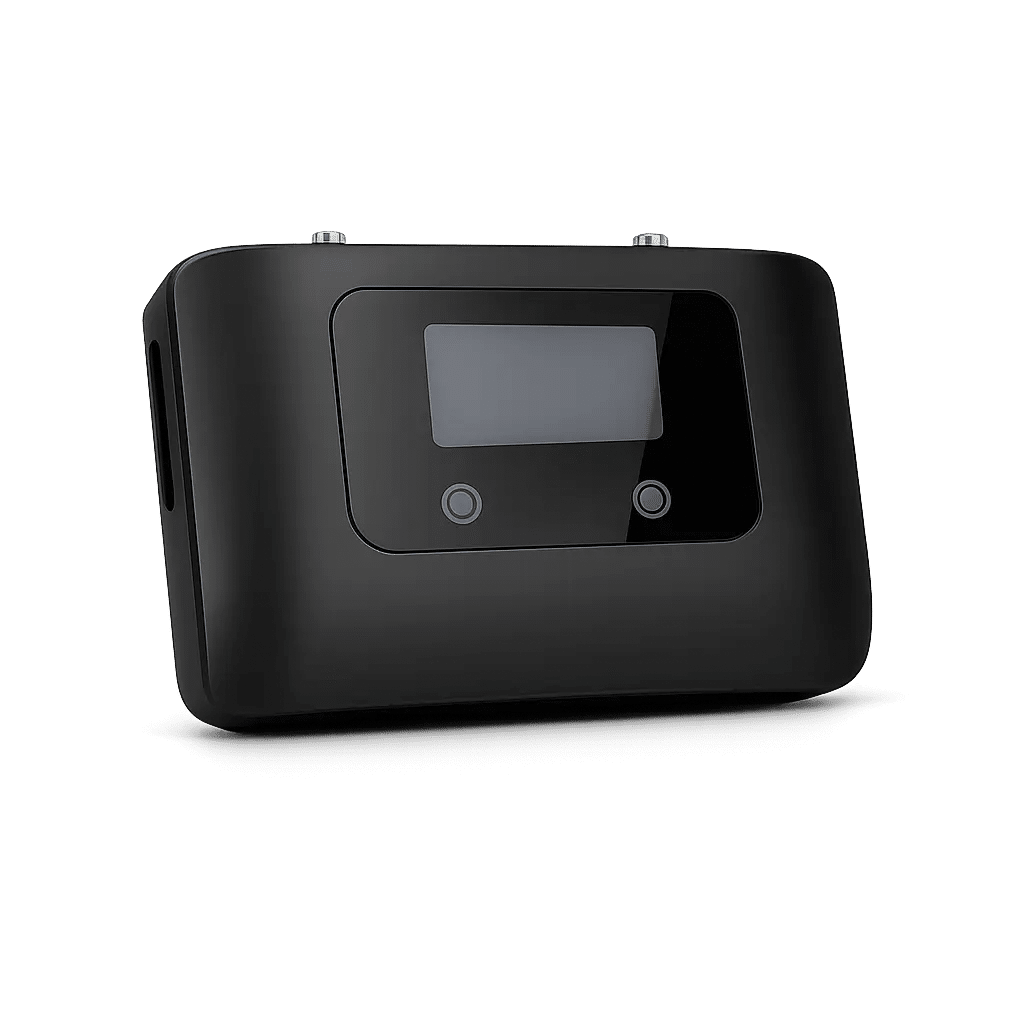
Coverage: 300 SQM
Ideal for: Home


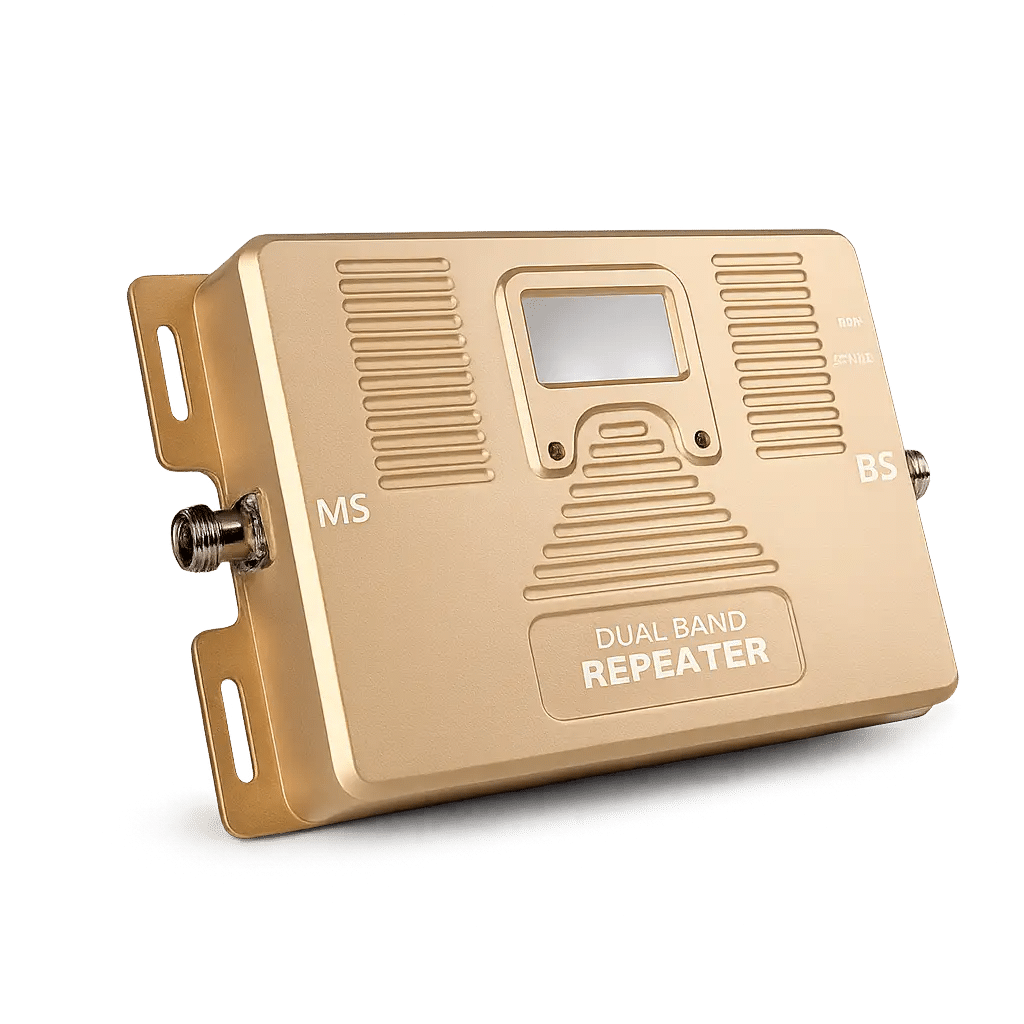
Coverage: 500 SQM
Ideal for: Medium Offices, Studios, And Homes

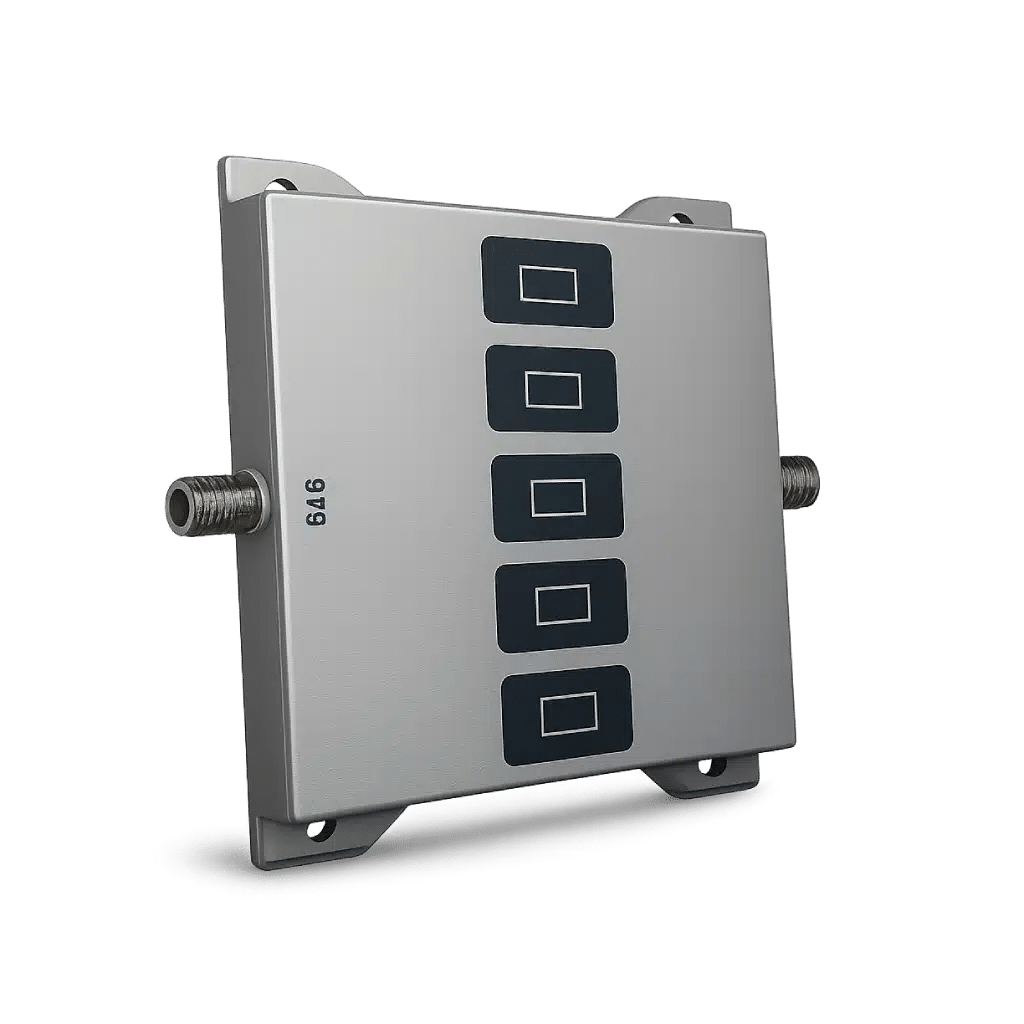
Coverage: 300 SQM
Ideal for: Home

Coverage: 1000 SQM
Ideal for: Hotel
