Free delivery included · Arrives in 5–7 working days

Some of us have already noticed our mobile signal drop when the weather turns rough. One moment everything works just fine. The next, calls cut out or the internet slows right down. It happens quickly, and usually when you least expect it. If such an event has happened to you, you’re not alone; this is pretty common in the UK. Surprisingly, it has a name: weather mobile signal interference. And since the weather likes to flip on a dime in the country, it can be very lame and frustrating.
Shop mobile signal boosters
Get a stronger mobile signal at home or work. Delivery in 5-7 working days. 30-day returns.
It’s not just about rains and heavy storms, though. Even bright sunshine or frosty mornings can throw things off. All these atmospheric changes mess with how signals travel between your phone and the nearest tower, leading to dropped calls (always at the worst time), fewer bars, and painfully slow data.
Mind you, every issue starts with a cause, and every cause has a fix. In this guide, we’ll go over how different weather conditions can mess with your signal, how each season plays its part and a few handy fixes you can try. You’ll pretty much find out what’s going on and how to stay connected all year round.
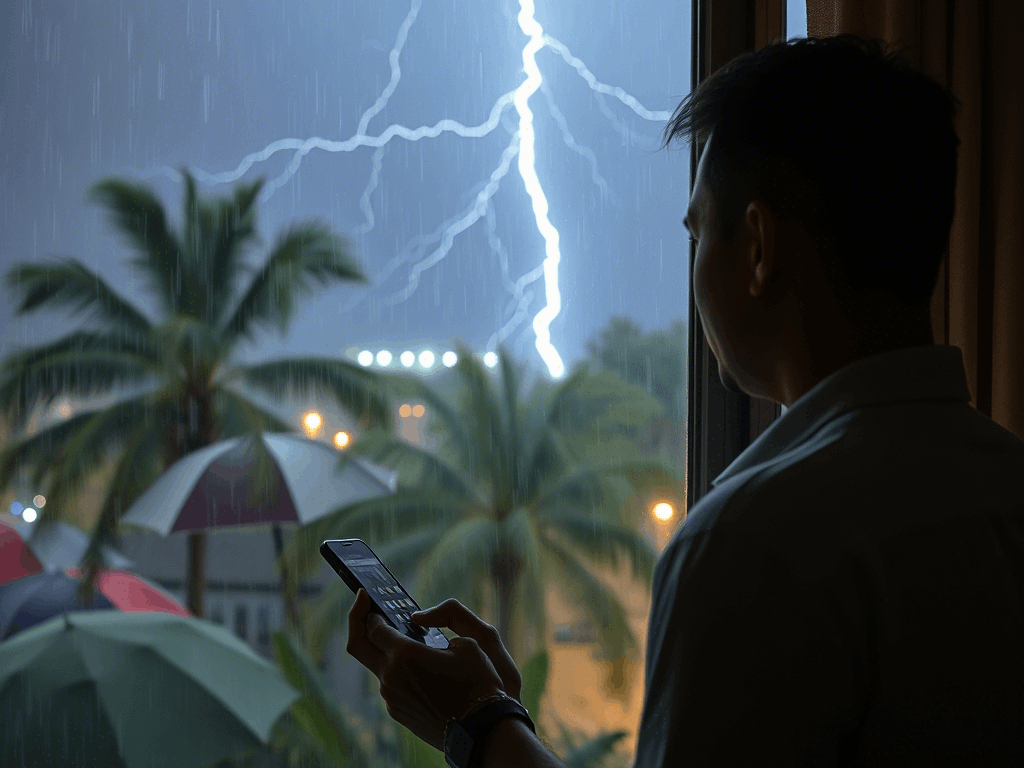
People in the UK could be Europe’s biggest complainers about the weather and the mobile signal. And fair enough, it drops right when we need it most. The issue often starts in the sky, not your SIM. Let’s break down why.
The signals generally travel through the air as waves to your phone from mobile towers that are nearby. Your phone and tower must be attached together and not be interfered with. A little interference will certainly weaken the signal.
This is defined as “rain attenuation” or the impact of rain on signals. The water droplets soak up parts of the energy of the radio signals. Thus, the signal typically weakens before it even reaches your phone. Heavy rain makes this effect worse, especially on higher frequencies like 5G (unless there’s a proper 5G signal booster installed nearby).
A method known as “refraction” is what causes this. Moist air slightly alters the direction of the wave. This seems small, and in some sense it is, but minor bends result in a loss of signal.
Mobile coverage during a storm often goes straight down the drain. The clouds swallow half the signal, the wind batters the masts, and lightning just throws everything off. Even the pressure causes mobile signal interference.
Dry snow may deflect signals at random levels. Wet snow behaves more like rain and absorbs waves. Either way, the signal suffers terribly.
In short, the weather in the UK gets pretty rough, and your signal obviously feels it.

Even when winter is over, mobile signal issues aren’t. You could be fooled into believing that hot summer days are harmless. But just like the sun causes problems for our skin, it can fry our signal too.
Unfortunately, all the electronics in phones and masts are impacted by the heat. This heat creates problems with performance and can slow things down. Network cabinets that are placed outside often trap the heat inside their cases. And as the temperature rises, the signal equipment will either overheat or throttle itself.
This impacts efficiency and range and makes overall signal stability suffer. Also, in extreme heat, some transmitters will close down completely to prevent damage.
The thermal aspects of signal reception are just one element of the bigger picture. They are, in fact, among the most overlooked seasonal signal issues in the UK. Not even the new 4G or 5G networks escape thermal interference. Overheating gear, thermal distortion, and throttling system responses all create plenty of chances for mobile signal interference to occur.
You may want to know what else distorts your reception by checking this article [Why Your Mobile Signals are Weak] for a full breakdown.

Add bad weather on top of everything, and the signal drops even harder indoors. That’s because the walls around you already block most of it.
Now, we’ll go into detail about why your mobile signal has more trouble indoors than outdoors, particularly in old UK homes:
As stone absorbs radio waves, including vital mobile bands like 800 MHz and 1800 MHz (the bands that deliver 4G and 5G), you will see a full hit to your coverage instantly.
A lot of internal walls will use foil-backed insulation or metal studs. These reflect signals, especially the higher frequencies such as 2600 MHz or 3500 MHz that are primarily used for 5G.
Modern windows will likely have low-emissivity coatings. These outer metal layers can reflect heat and will also reflect mobile signals at all frequencies.
Materials like brick, concrete and lead roofing all absorb the signal before it even has a chance to get to your phone.
Combine all that with weather mobile signal interference, and you’ve really drawn the short straw. Well, not on a mobile signal booster’s watch, though.

Since weather mobile signal interference ruins everyday tasks, there has to be a way around it. Just so you know, a mobile signal booster changes EVERYTHING.
Signal boosters fix weak indoor coverage, even when there’s a terrible storm outside. They receive the weak outdoor signal, amplify it, and then rebroadcast it indoors.
While we might think that boosting the signal is what all mobile boosters do, many actually use smart filtering technology too. These filters handle noise from rain, fog, or even heat distortion and make sure we get a strong, steady signal.
Modern boosters operate on the frequency bands used by UK networks. For example:
This is why it is important to use the right signal booster for your network. Too many people think they can buy any old signal booster and expect to have everything magically work well. But the truth is, each carrier will operate on specific frequencies.
As temperatures rise or drop, your mobile signal feels it first. Bad weather, insulation, thick walls, and glass all get in the way. Rain, fog, snow, and heat make signal strength even worse indoors. Even modern homes or new devices can’t beat these invisible barriers. Older homes add another level of challenge to keeping connected.
Mobile signal boosters work together with your network to resolve that issue by fixing poor reception caused by weather, mobile signal interference and building materials.
Not all mobile signal boosters are created the same, so always choose a signal booster suitable for your network. There are 4G signal boosters and even 5G-ready models designed specifically for UK carriers. And they work on the bands your phone is used to working with every day. The right mobile signal booster will eliminate signal issues without you having to do much at all.
Here at My Signal Boosters, we want you to carry on smoothly when the weather is not having it (aka every day in the UK). Get your mobile phone signal booster today, and enjoy stronger 4G or 5G, clear calls, fast data, easy installation, and peace of mind with Ofcom-approved equipment.
Shop mobile signal boosters
Get a stronger mobile signal at home or work. Delivery in 5-7 working days. 30-day returns.
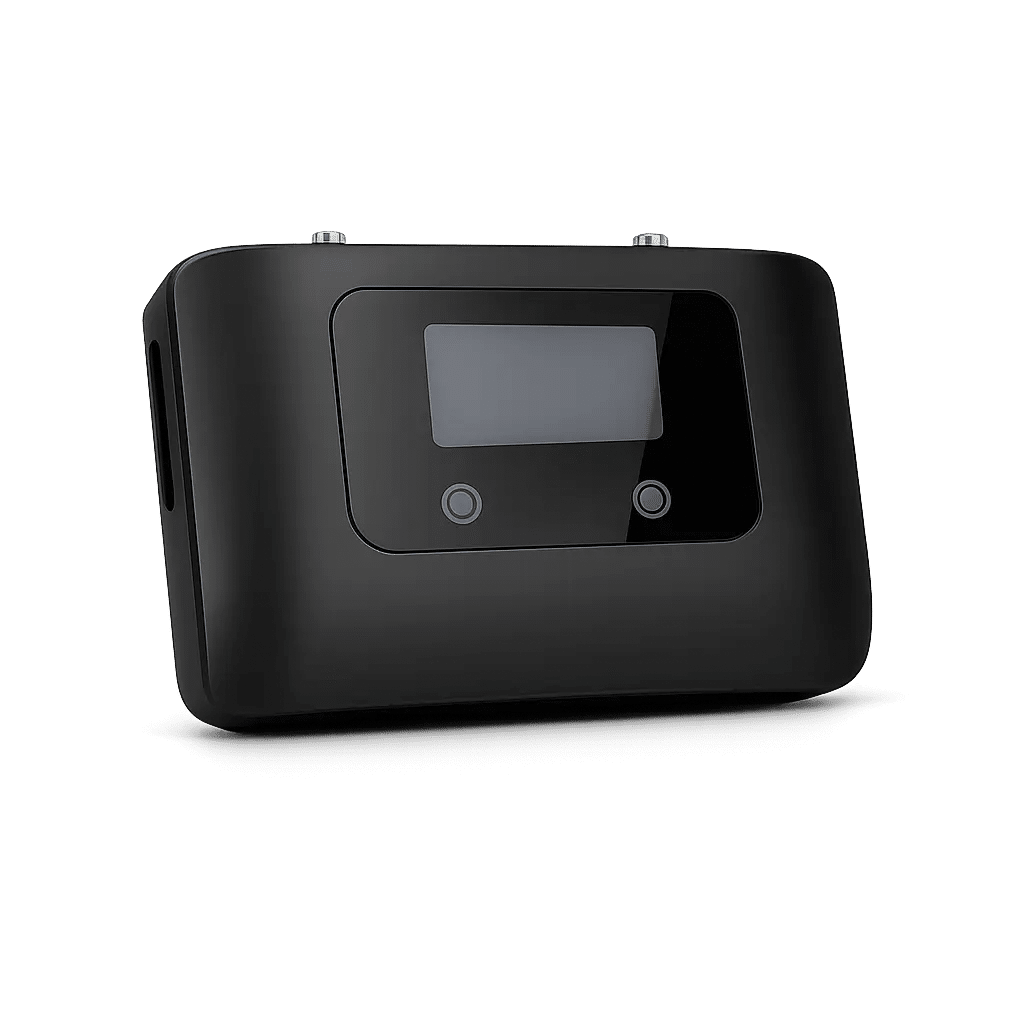
Coverage: 300 SQM
Ideal for: Home


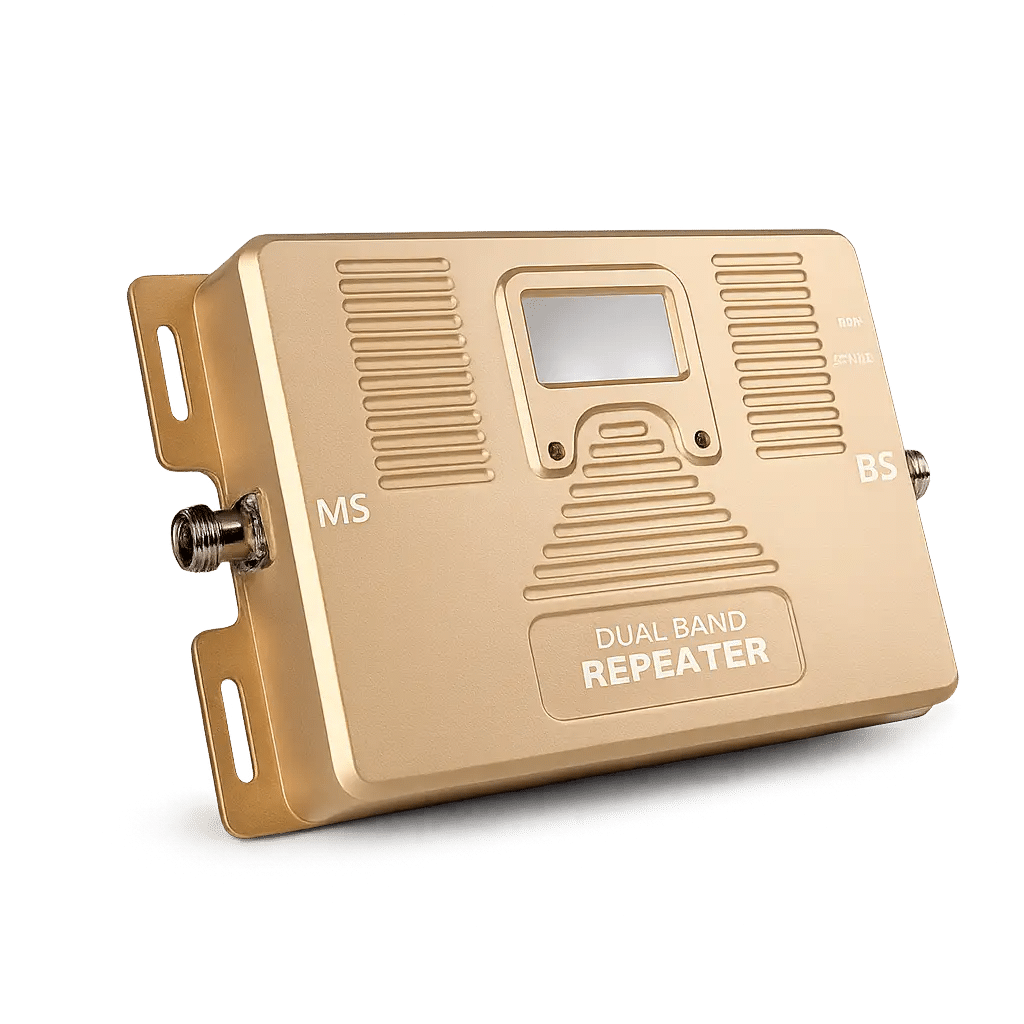
Coverage: 500 SQM
Ideal for: Medium Offices, Studios, And Homes

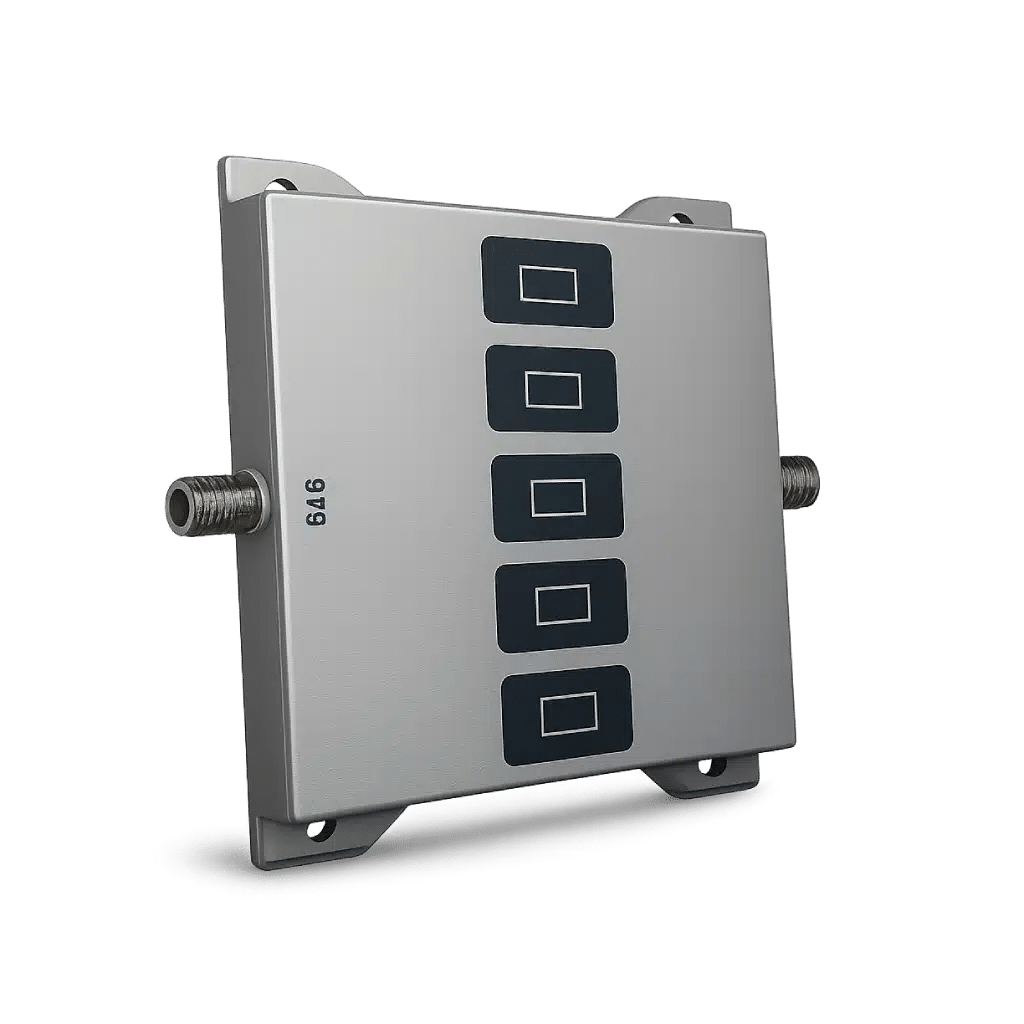
Coverage: 300 SQM
Ideal for: Home

Coverage: 1000 SQM
Ideal for: Hotel
